

From Heritage to Fashion: Palestinian Hats in Modern Culture
Introduction
Palestinian hats carry a rich history that intertwines deeply with the culture and identity of the Palestinian people. These hats, particularly the iconic Palestinian kufiya hat and various styles of embroidered caps, serve as significant symbols in both traditional and modern fashion. Their importance stretches beyond aesthetic appeal; they embody cultural heritage and expression, making them an essential part of the Palestinian wardrobe today. In this blog, we will explore the story behind Palestinian hats, their types, and their cultural significance while incorporating related keywords naturally throughout the content.
The History of Palestinian Hats
Origins of Palestinian Hats
The history of Palestinian hats can be traced back centuries. Traditionally made from locally sourced materials, these hats exhibit intricate designs that reflect the diverse geography of Palestine. The kufiya hat, often crafted from cotton or wool, showcases black and white patterns which evolved from practical needs to symbols of identity. The geographical climate of the region influenced the styles and textile choices, as these hats were both functional and fashionable.
Evolution Over Time
As with many cultural garments, the designs of Palestinian hats have evolved. Initial styles often served utilitarian purposes, protecting the wearer from the sun and elements. However, over time, trends and historical events shaped their designs. The kufiya gained global recognition, especially during times of political strife, transforming from a mere accessory into a powerful emblem of resistance. This evolution reflects the resilience of the Palestinian people, weaving contemporary narratives into traditional attire.
Types of Palestinian Hats
The Palestinian Kufiya Hat
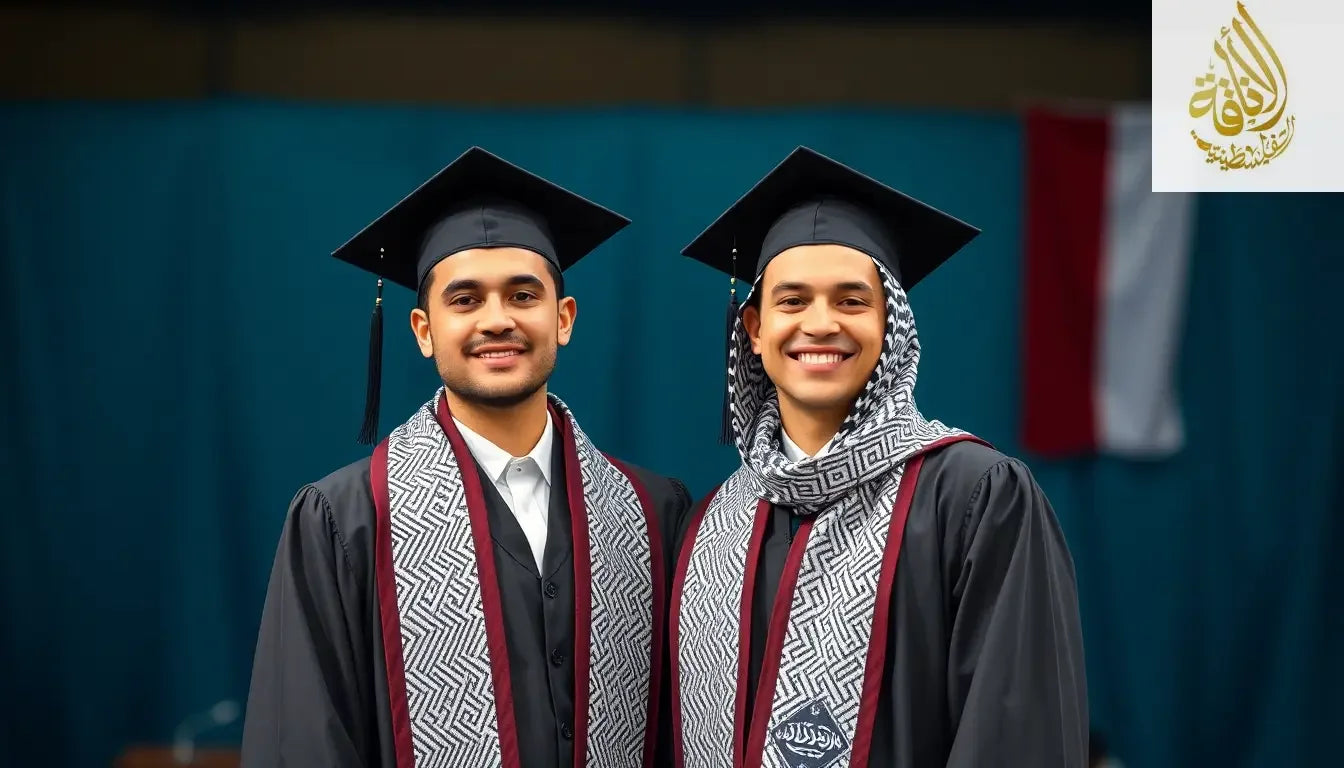
Among the most recognized Palestinian hats is the kufiya hat. Known for its checkered pattern, the kufiya serves as a versatile accessory that can blend seamlessly into various styles. Traditionally worn by men, this hat has made its way into women’s fashion as well. Today, it appears in modern settings, from casual wear to high-fashion shows, proving its lasting appeal—it’s not just a hat but a statement piece.
The Palestinian Embroidered Cap
Another unique style is the Palestinian embroidered cap. These caps often feature vibrant threads and stunning embroidery patterns that tell stories of cultural heritage. The designs of these caps can symbolize family history, regional identity, or even social status. By wearing such an embroidered hat, individuals carry a piece of their culture—an important aspect of identity in a globalized world.
Cultural Significance of Hats
Symbol of Identity
Palestinian hats, especially the kufiya, serve as potent symbols of identity. Wearing these hats can evoke a sense of belonging to Palestinian culture, fostering national pride and unity among the people. During political gatherings, festivals, and public demonstrations, hats become a collective symbol, reinforcing identity and solidarity.
Hats in Social Contexts
In Palestinian celebrations and ceremonies, these hats hold significant meaning. They often feature in weddings and cultural festivities, where they represent tradition and joy. Moreover, their representations extend to various art forms, including media and literature, reinforcing their place in contemporary culture. Palestinian hats continue to be a potent motif in depicting resilience, unity, and cultural beauty.
Middle Eastern Cultural Hats
Comparison with Other Middle Eastern Hats
When comparing Palestinian hats with other Middle Eastern cultural hats, distinct features stand out. For instance, while many regions employ different styles, the kufiya's unique patterns and significance set it apart. Each culture brings its own history and narrative to hat designs, illustrating the rich tapestry of Middle Eastern heritage that influences and enriches one another.
Modern Adaptations
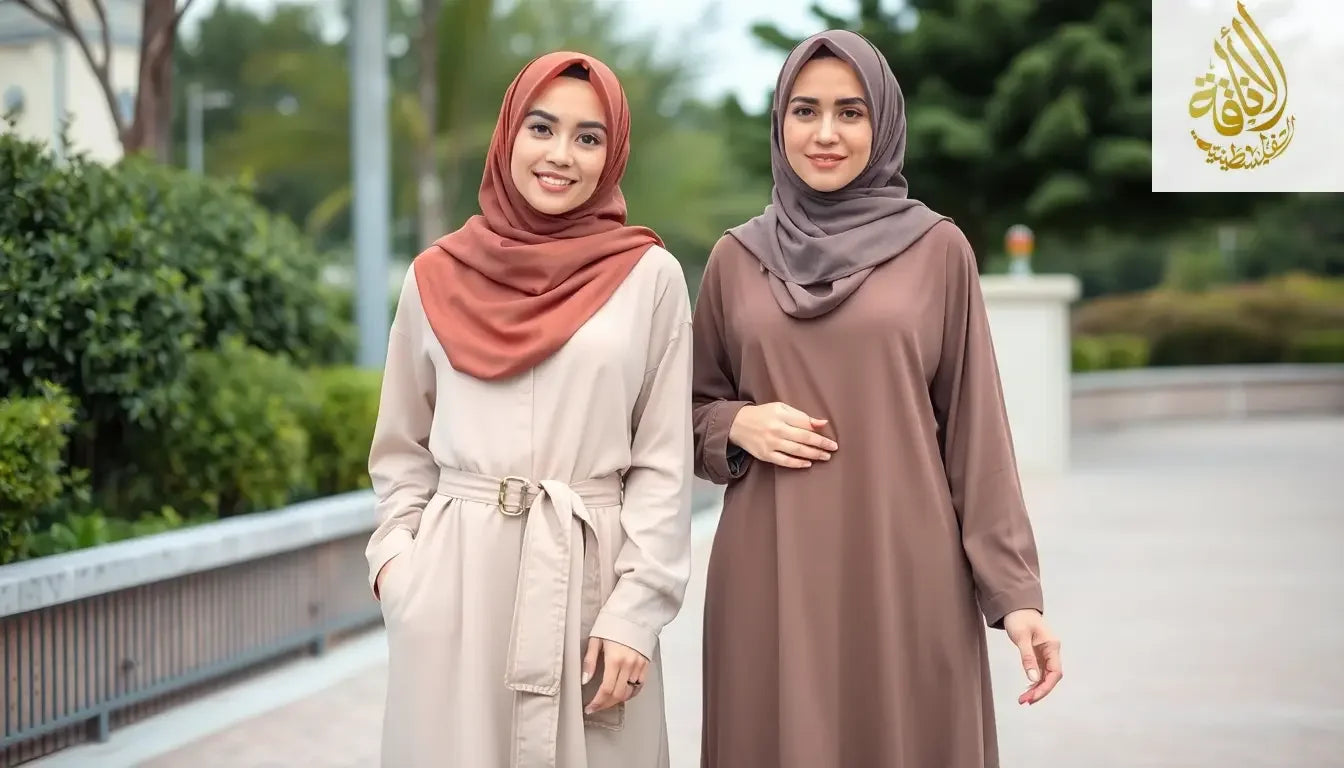
In recent years, Palestinian hats have undergone modern adaptations. Fashion designers fuse traditional significance with contemporary aesthetics, leading to innovative styles. People are not just wearing these hats; they are blending them into their everyday fashion, showcasing how tradition can merge with modernity beautifully.
How to Incorporate Palestinian Hats into Fashion
Styling Tips
Incorporating Palestinian hats into your wardrobe could be both fun and meaningful. Pair the kufiya hat with casual outfits like denim jackets or summer dresses for a laid-back look. For a more formal occasion, an embroidered cap can be worn with elegant evening wear and traditional attire to add a touch of cultural elegance. Accessories like statement earrings or layered necklaces complement these hats beautifully, enhancing the overall look.
Popular Trends
Currently, there’s a noticeable trend where influencers and celebrities are embracing Palestinian hats. They showcase various ways to style these hats on social media, highlighting their versatile nature. This visibility has redefined how these hats are perceived, making them desirable fashion statements as well as cultural symbols.
Conclusion
From Heritage to Fashion:
In summary, Palestinian hats are more than just accessories; they are a profound representation of culture, identity, and history. As fashion continually evolves, these hats remind us of our roots and the stories they carry. Promoting and preserving this heritage through fashion enables future generations to cherish their cultural identity. Embracing Palestinian hats means recognizing their importance in both past and present narratives, connecting the threads of history with modern expressions of style.