

Keffiyeh vs Shemagh: What’s the Real Difference?
When exploring Keffiyeh traditional Middle Eastern attire, two iconic pieces often come up: Kuffiyehs and Shemaghs. These garments are celebrated for their distinct styles and rich heritage. Knowing the difference between them helps in appreciating their cultural value and choosing the right piece.
Origins and History
Keffiyeh vs Shemagh history
The Palestinian keffiyeh has deep roots tied closely to Palestinian identity and heritage. Traditionally worn by farmers and villagers, it symbolized connection to the land and community. Over time, it became a symbol of resistance and pride.
In contrast, shemaghs have a broader history across the Middle East. Originally used by Bedouins and desert dwellers, shemaghs adapted to harsh desert conditions. Their practical design helped in shielding the wearer from sun and sand.
Material and Fabric Differences
Kuffiyehs and shemaghs often use similar fabrics like cotton or wool blends. The choice of fabric plays a big role in comfort and function. Cotton Kuffiyehs tend to be lighter and breathable, ideal for warmer climates.
Shemaghs can be made with thicker, wool-like fabrics, offering more protection against cold weather. Their heavier material works well for desert nights or colder environments, balancing comfort and durability.
Design and Patterns
Keffiyeh patterns
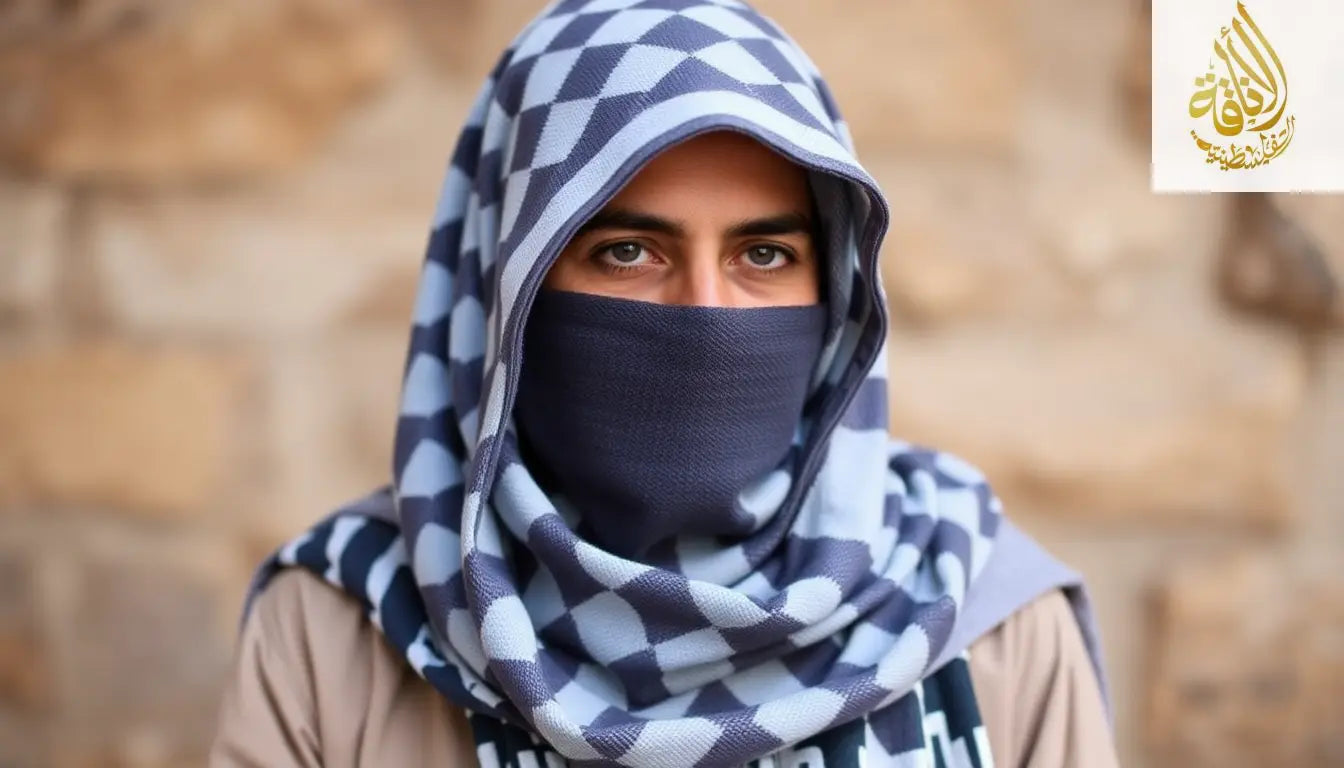
Traditional Kuffiyehs are known for their distinctive black and white checkered patterns. These patterns aren’t just decorative—the shapes and motifs often carry cultural meanings. The classic fishnet-like design symbolizes strength and resilience.
Variations exist depending on the region. For instance, some Palestinian keffiyehs include red or other colors, each telling a different story. These designs also reflect the wearer’s social or political stance.
Cultural Significance
The Palestinian keffiyeh holds extraordinary symbolism. It acts as a powerful emblem of Palestinian heritage and identity. Wearing one often signifies solidarity with Palestinian culture and history.
Shemaghs, meanwhile, hold varied meanings across different cultures. In Gulf countries, for example, a red and white shemagh might signify tribal affiliation. In other regions, it’s simply practical headwear, showing the garment's wide cultural adoption.
Practical Uses
Kuffiyehs are versatile and styled in many ways. They can be wrapped around the head or neck for protection against sun and dust. In urban settings, they're often worn as a fashion statement, blending tradition with modern style.
Shemaghs are prized for their practical uses. From desert explorers to military personnel worldwide, they serve as protection against the elements. Their size and sturdy fabric make them useful as scarves, face covers, or even makeshift bags.
Modern Adaptations
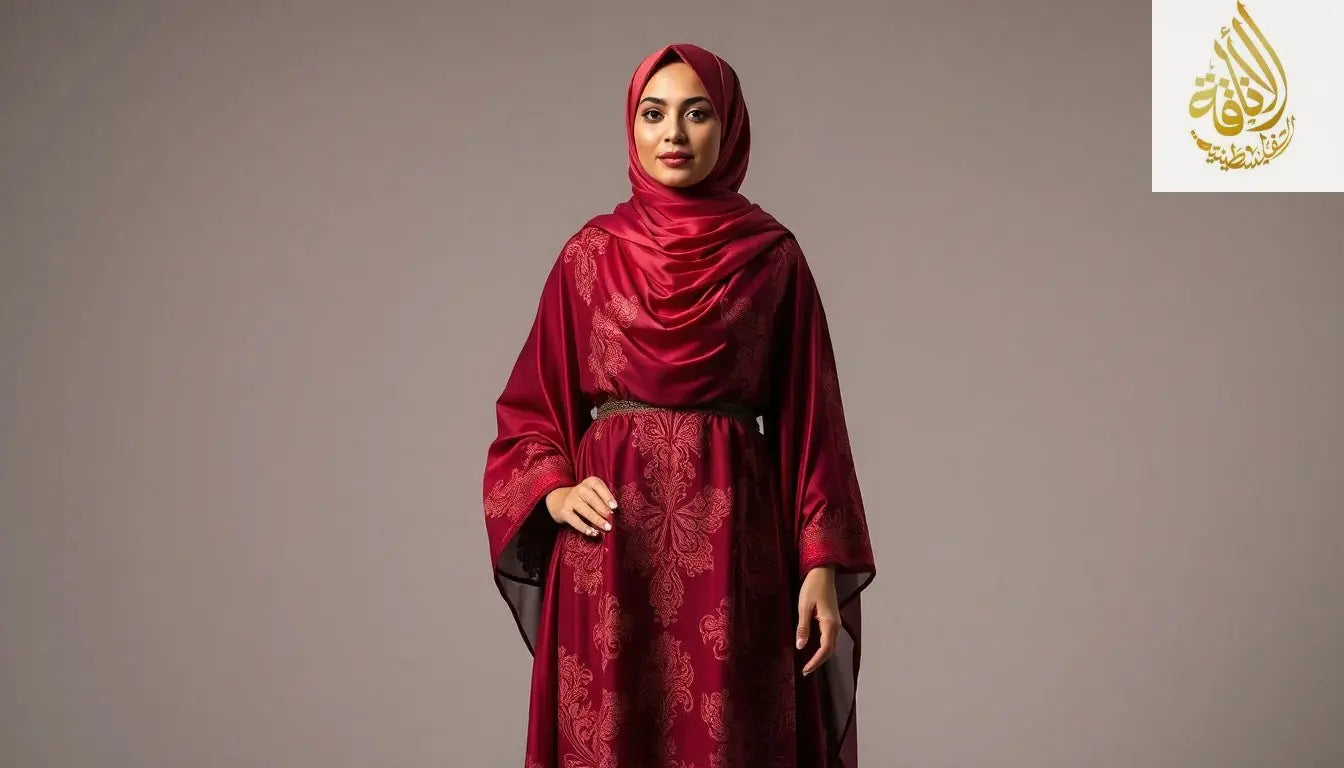
Today’s fashion world embraces Kuffiyehs beyond traditional circles. Designers incorporate keffiyeh patterns into dresses, kaftans, and abayas, balancing elegance with cultural homage. At stores like Palestinian Elegance, you’ll find wedding and party dresses featuring these classic designs, bringing heritage into contemporary style.
Shemaghs also find a place in modern streetwear globally. Their bold patterns and practicality make them favorites in urban fashion, proving their longevity and adaptability.
Conclusion
Keffiyeh vs Shemagh:
Understanding the difference between Kuffiyehs and Shemaghs enriches both cultural appreciation and shopping experiences. Kuffiyehs are more than just accessories; they tell the story of Palestinian pride and heritage through their unique patterns and symbolism. Shemaghs, with their broader Middle Eastern roots, offer practical style and cultural depth.
When shopping for traditional attire at Palestinian Elegance, knowing these details ensures you choose pieces that truly reflect your style and respect their background. Whether you favor the intricate Palestinian keffiyeh or the versatile shemagh, you’re embracing a rich history woven into every thread.
Explore our collection today to find beautiful, authentic designs that celebrate tradition with modern elegance—complete with free U.S. shipping on orders over $149.