

Fabric of Resistance: How Palestinian Clothing Tells a People’s History
Palestinian clothing history is a rich tapestry woven with stories of tradition, identity, and resilience. For centuries, Palestinians have expressed their culture and history through the clothes they wear. Traditional garments are more than just attire; they capture a people’s spirit and serve as a powerful form of cultural expression and resistance.
Understanding Palestinian Clothing History
Palestinian traditional dress dates back hundreds of years, showcasing a unique blend of colors, fabrics, and embroidery styles. These garments were shaped by local materials, climate, and cultural interactions. Early Palestinian clothing was made primarily from linen and wool, reflecting the needs and resources of rural communities.
Over time, external influences, such as Ottoman rule and trade with neighboring regions, introduced new motifs and fabrics. Despite these changes, the core elements of Palestinian dress have remained, telling a story rooted in village life and historical identity.
The Meaning Behind Tatreez Embroidery
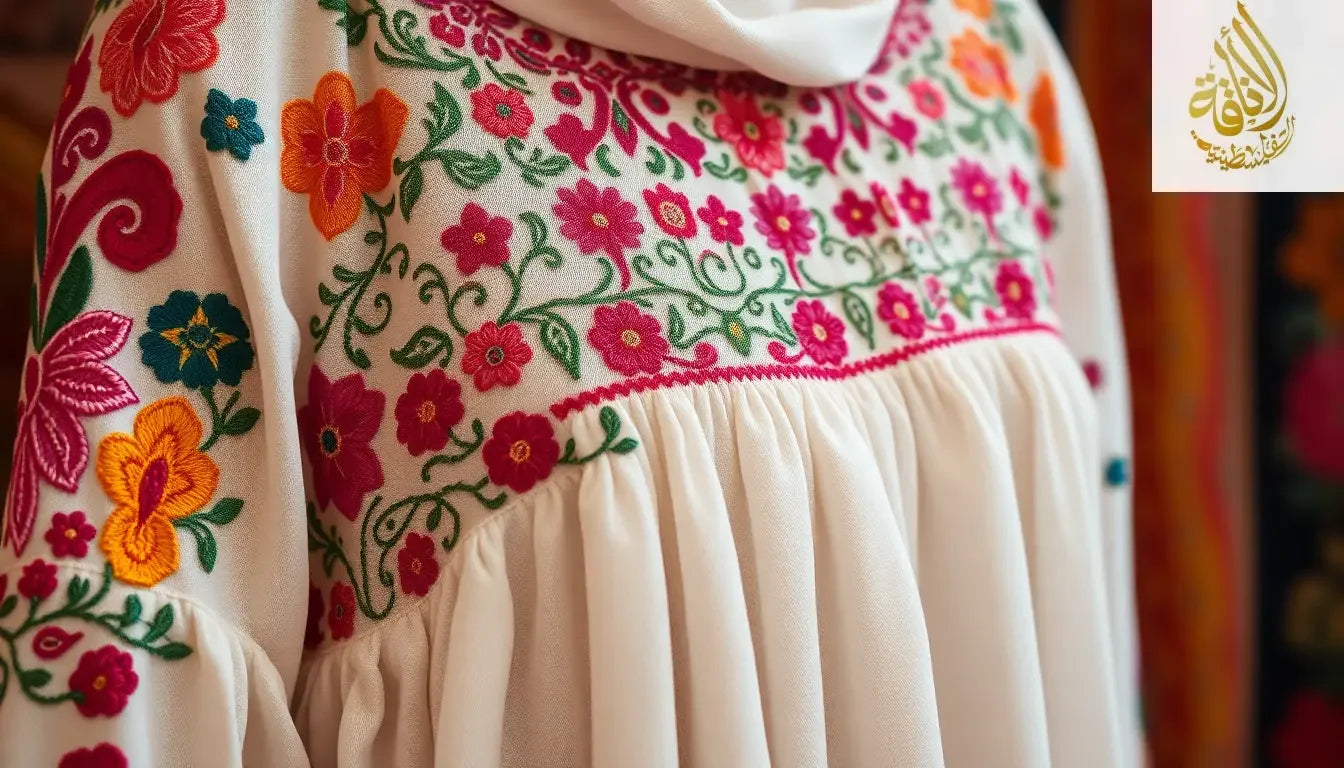
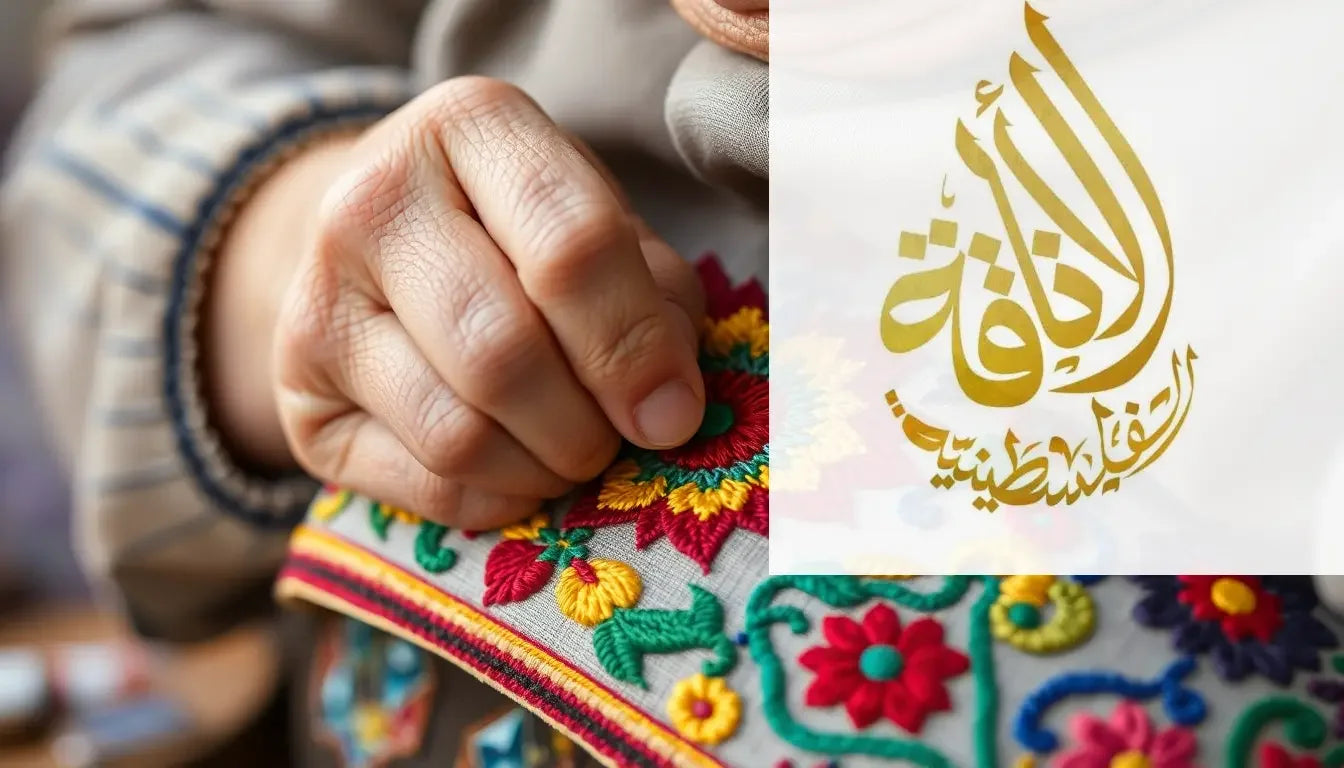
One of the most striking features of Palestinian clothing is Tatreez embroidery. Tatreez embroidery meaning goes beyond decorative stitches; it carries deep cultural significance. Each pattern and color tells a story, often linked to a specific region or community.
For example, some patterns represent fertility, protection, or social status. Women traditionally passed down these designs through generations, embedding history and personal stories into their garments. Tatreez is a language of symbols, a wearable archive of Palestinian heritage.
Traditional Palestinian Dress as a Form of Resistance
Throughout history, Palestinian clothing has served as a symbol of resistance. Wearing traditional dress became an act of political and cultural defiance, especially during times of occupation and displacement.
Preserving traditional clothing helped Palestinians assert their identity and resist cultural erasure. Women wearing embroidered dresses at gatherings and protests showed solidarity and pride. These garments became silent but powerful statements of persistence.
Preserving Palestinian Cultural Heritage Clothing
The role of embroidery and traditional dress in Palestinian cultural identity cannot be overstated. These garments preserve history and foster community connections. Efforts to keep these traditions alive are growing through workshops, exhibitions, and fashion.
Modern designers incorporate embroidery into contemporary pieces, blending old motifs with new styles. This fusion not only honors heritage but makes Palestinian culture accessible to younger generations.
Palestinian Modest Fashion Today
In recent years, there has been a surge in Palestinian modest fashion that combines tradition with modern trends. This style features elegant and modest wedding and party dresses, kaftans, and abayas that showcase traditional embroidery.
Palestinian Elegance plays a crucial role in promoting this fashion, offering a wide selection of garments that respect cultural values while appealing to contemporary tastes. Their collection highlights how Palestinian modest fashion continues to evolve without losing its roots.
The Wider Impact of Palestinian Embroidery
Palestinian embroidery connects communities worldwide. It has become a symbol of heritage and pride for the Palestinian diaspora. Beyond clothing, these beautiful patterns inspire artists and designers globally.
The influence of Palestinian embroidery appears in contemporary art, accessories, and home decor. It serves as a bridge linking past struggles with present creativity, sustaining a cultural legacy across borders.
onclusion
Exploring Palestinian Clothing History and Heritage:
Palestinian clothing history is more than a record of garments; it is a story of resilience and cultural identity. Each piece, especially those adorned with Tatreez embroidery, carries the weight of history and the strength of a people determined to preserve their heritage. Supporting and appreciating Palestinian cultural fashion means valuing a narrative steeped in pride and resistance.