

Updated on: 2026-07-13
An artisanal scarf with embroidery combines heritage detail with everyday comfort. It elevates basic outfits through texture, careful stitching, and thoughtful placement of motifs. When you choose the right fabric and learn proper care, embroidered scarves keep their shape and clarity for years. This guide explains how to select, wear, and maintain embroidered scarves with confidence.
What Defines an Artisanal Scarf with Embroidery
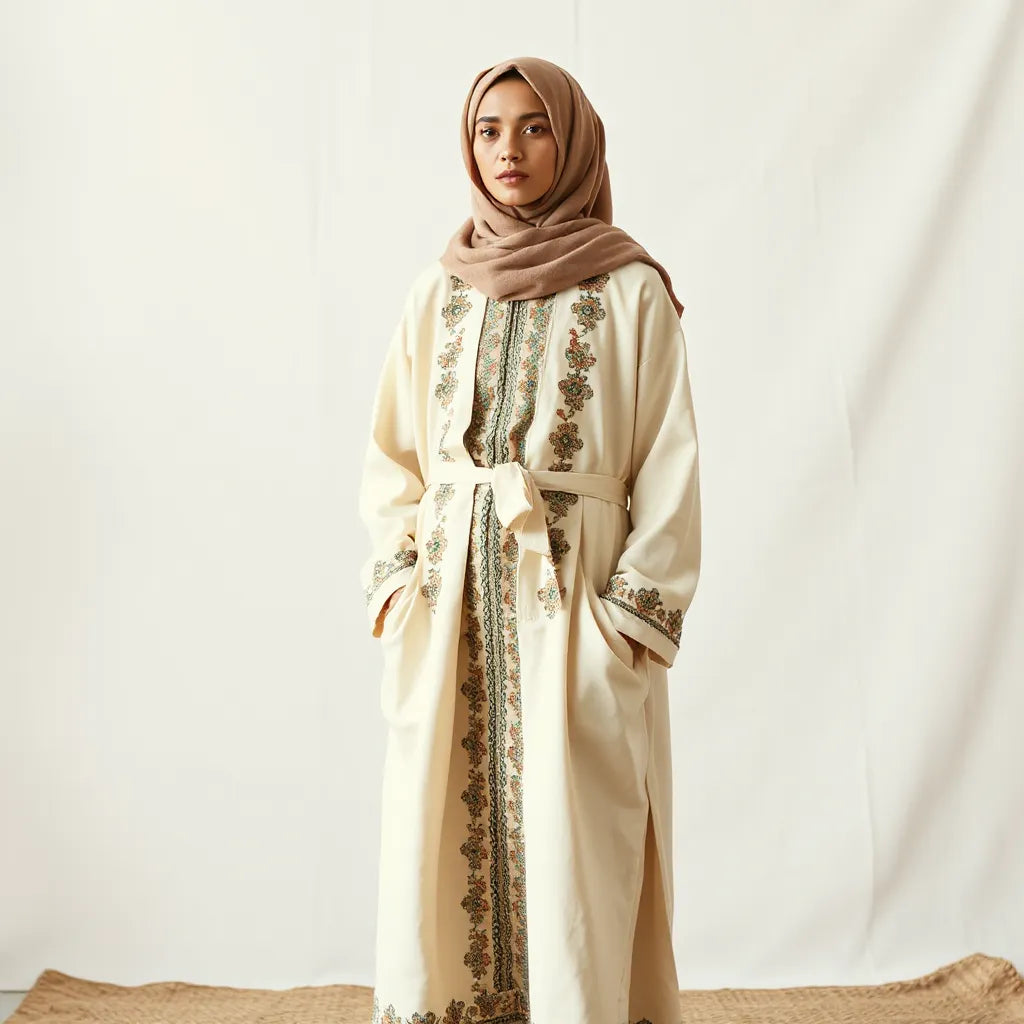
An artisanal scarf with embroidery is more than an accessory. It is a textile piece where design is created through deliberate hand or skilled workmanship, resulting in visible depth on the surface. Embroidery typically highlights motifs, border patterns, or small accent fields that frame the fabric. The result is a scarf that reads clearly at close range and photographs well without relying on loud print.
Three features usually define quality. First, the stitching should look even and consistent, with clean edges where thread meets fabric. Second, the embroidery should be stable, meaning it is secured without puckering or distortion. Third, the base fabric should support the stitchwork. The best embroidered scarves balance structure and drape so the motif stays crisp while the scarf remains comfortable to wear.
Recognizing craftsmanship in the details
When you assess an embroidered scarf, focus on the small elements. Look at how motifs align across the border. Check whether the embroidery has varied texture, which often signals more than machine repetition. Evaluate how the threads sit on the fabric. High-quality work usually feels smooth on the skin and does not create scratchy friction.

Symbolic border pattern with stitched lines and soft folds
How to Choose the Right Embroidered Scarf
Choosing an embroidered scarf is easiest when you think in terms of fabric, stitch, and styling goals. You want the scarf to complement your wardrobe while protecting the embroidery from unnecessary wear. Consider how you plan to use it, whether as an everyday layer, a formal accent, or a gift that carries meaning.
Select a base fabric that supports drape and comfort
Different fabrics interact differently with embroidery. Lightweight bases can showcase fine stitching, creating delicate contrast. Medium-weight textiles often provide stronger structure, especially around borders. If you prefer a scarf that sits neatly without slipping, choose a fabric that holds shape and can be worn repeatedly without losing its finish.
Choose the embroidery placement and motif style
Placement determines how often you will notice the design. Border embroidery often frames the face and reads well when the scarf is wrapped or pinned. Center motifs can create a focal point for styling, especially when the scarf is worn as a shawl layer. If you want versatility, look for embroidery that does not require a specific orientation to look intentional.
Verify thread quality and color coordination
Thread should look evenly dyed and should not appear faded or inconsistent. Color coordination matters because embroidery threads often sit on top of the base. If the scarf includes multiple hues, ensure they harmonize rather than compete. In practice, you will get the most wear when embroidery colors support your existing palette.
Use product pages to compare construction
When shopping online, compare product photos under consistent lighting. Pay attention to macro images of stitchwork and the way borders are finished. If the product page includes close-up visuals, those images help you assess density, thread thickness, and neatness at the edges.
Styling Ideas for Everyday Wear
An embroidered scarf can bring polish to neutral outfits and soften structured silhouettes. You do not need a complex look to make embroidery stand out. Simple styling choices let the stitchwork lead.
Face-framing wrap for a clean, elegant line
Try a face-framing wrap that keeps the border near the neckline. This approach highlights the embroidery while maintaining a tidy shape. If the scarf has a prominent edge design, position it where it can be seen in natural movement.
Layering over a modest top or dress
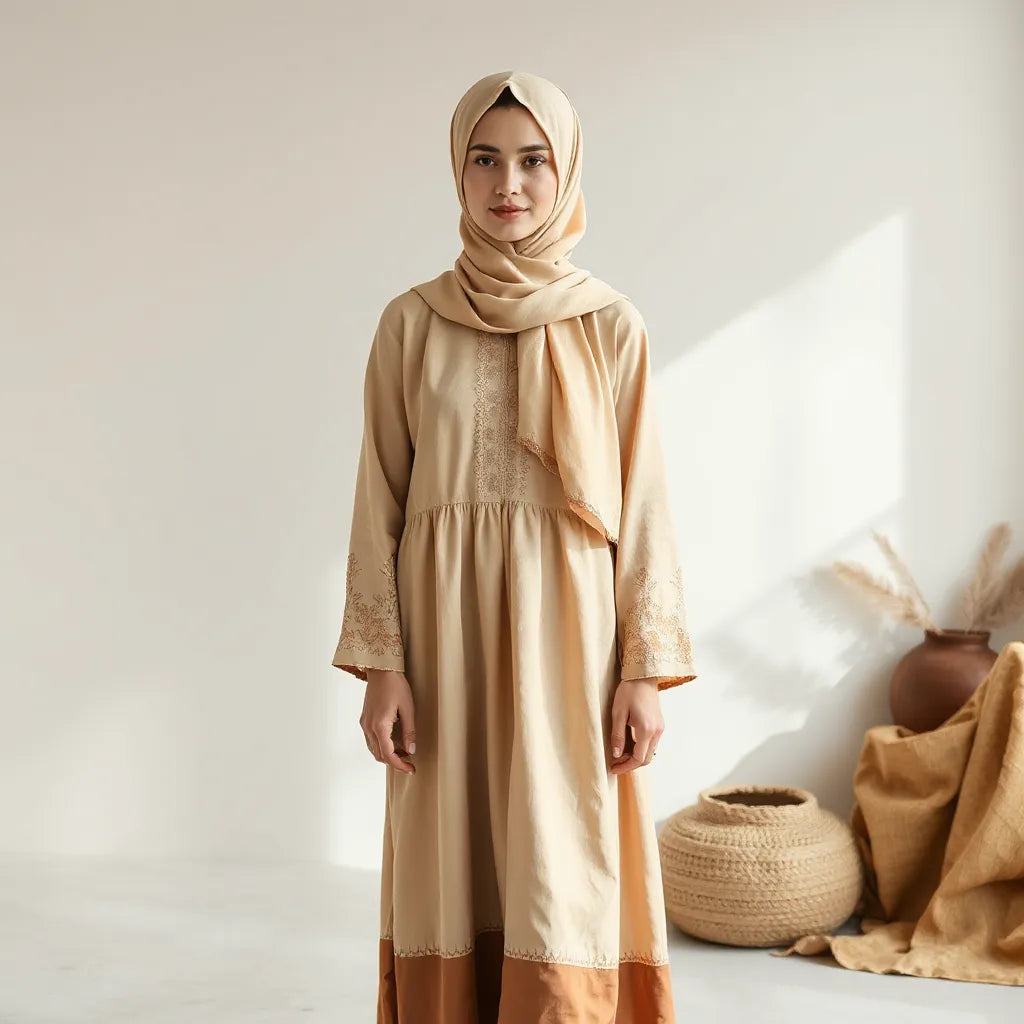
To add dimension, layer the scarf over a modest top, long-sleeve blouse, or a simple dress. The embroidered surface creates a visible texture contrast against smooth fabrics. Keep accessories minimal so the scarf remains the focal point.
Shawl-style draping for an effortless finish
For colder days, drape the scarf like a shawl and adjust the embroidery to sit at the center or along one shoulder. This creates a refined outline and provides warmth without adding bulk.
Product spotlight:
Colorful Kuffiyehs: Cultural Heritage and Versatile Style

Explore Colorful Kuffiyehs: Cultural Heritage and Versatile Style
Care and Storage for Long-Lasting Stitchwork
Embroidery looks best when it is cared for gently. Stitchwork can be affected by rough handling, high heat, and harsh detergents. With the right routine, you protect both the base fabric and the thread structure.
Follow gentle cleaning practices
When cleaning, choose methods that minimize abrasion. If the scarf is lightly soiled, spot cleaning can be sufficient. For full cleaning, use a mild detergent designed for delicate textiles. Avoid aggressive scrubbing where embroidery meets fabric, as this can loosen threads over time.
Dry carefully to preserve shape
After washing, dry the scarf in a shaded area away from direct sun. Sun exposure can dull colors and weaken fibers. If you reshape the scarf while it dries, do so with care. The goal is to keep the embroidery lying flat without stretching the fabric.
Iron with caution and protect the stitch surface
If you need to remove wrinkles, use low heat and place a protective cloth between the iron and embroidery. High heat can distort threads and create uneven texture. Test on a small, inconspicuous area if you are unsure.
Store to prevent thread stress
Store embroidered scarves folded with care. Avoid storing them under heavy items that can compress the stitchwork. For long-term storage, keep them in a breathable garment bag so fabric stays fresh without trapping moisture.
For those who also build modest wardrobes with complementary textiles, you can explore coordinated headwear options through premium soft chiffon hijabs to balance delicate drape with embroidered accents.
Ethical Craft and Cultural Significance
Many embroidered textiles carry a cultural memory. Patterns are not random decoration; they often reflect regional aesthetics and community identity. When you choose an artisanal scarf with embroidery, you support skilled craftsmanship and preserve traditional techniques that can be practiced only when time and attention are valued.
Ethical considerations also matter. Look for brands that describe their sourcing and emphasize careful production. A responsible boutique typically works with artisans and highlights the human expertise behind each piece. This transparency helps you purchase with confidence, knowing the scarf is made with respect for heritage and for the people who produce it.
How-To Guide
This step-by-step guide helps you select a scarf, evaluate embroidery quality, style it accurately, and protect it after purchase.
Step 1: Assess the embroidery surface
Examine the motif edges. Select a scarf where threads appear secure and the design looks intentional rather than unfinished. Check that the embroidery is flat and does not lift unnaturally from the base fabric.
Step 2: Confirm fabric behavior
Look for a base that matches how you plan to wear the scarf. For everyday wraps, choose fabric that drapes smoothly. For shawl styling, choose a textile that holds a pleasant form and does not bunch around the shoulders.
Step 3: Choose a color story you will repeat
Select embroidery colors that work with multiple outfits. Neutral wardrobe staples become more versatile when embroidery provides controlled contrast. If you prefer subtle elegance, choose tonal embroidery or muted thread shades.
Step 4: Style with placement in mind
When wrapping, position the embroidered border where it frames the face or sits at the neckline. If the scarf has a central motif, center it on the body or align it with one shoulder for a structured look.
Step 5: Test comfort before long wear
Before committing to extended wear, check how the embroidery feels against skin. Ensure there is no scratchy friction and that the scarf sits securely without frequent readjustment.

Care symbols: gentle wash, shaded drying, protected ironing
Step 6: Maintain the stitchwork after use
After wearing, store the scarf properly and address minor stains promptly. Use mild detergents and low heat to prevent thread weakening. With consistent care, the embroidery remains crisp and visually clear.
Common Questions Answered
How can I tell whether the embroidery is high quality?
Look for even stitching, secure edges, and motifs that remain aligned across the border. High-quality embroidery usually looks flat against the base fabric and does not create puckering or loose thread ends.
Will an embroidered scarf be too delicate for everyday use?
It depends on the base fabric and how you handle the scarf. If you follow gentle cleaning, avoid excessive friction, and store it properly, an embroidered scarf can remain practical for regular styling. Choose a fabric that drapes comfortably and supports the stitchwork.
What is the best way to prevent embroidery from fraying?
Prevent fraying by minimizing abrasion during cleaning and avoiding harsh detergents. When drying, keep the scarf out of direct sunlight. During storage, avoid heavy compression that can stress threads and seams.
Can I style an embroidered scarf with headwear or other modest pieces?
Yes. Embroidery typically pairs well with smooth, elegant fabrics and simple silhouettes. If you want a coordinated look, consider combining it with complementary textiles such as cotton inner hijab options that provide a clean foundation for drape.
Summary & Next Steps
An artisanal scarf with embroidery offers visible craft, thoughtful design, and lasting styling potential when you choose the right fabric and care routine. Start by evaluating embroidery surface quality and verifying that the base fabric supports comfortable drape. Then style with intentional placement so the stitchwork frames your look. Finally, protect the embroidery through gentle cleaning and careful storage.
If you want to expand your wardrobe with heritage-forward textiles, explore additional modest wear pairings on the Palestinian Elegance site, including cotton underscarf options for a smooth foundation under layered looks.
Next step: Select one embroidered scarf you will wear across multiple outfits, and build a simple care routine to preserve the details.
About the Author Section
Sulieman Alhazma is a specialist in artisan-made textiles and modest fashion styling, with expertise in quality assessment and heritage-inspired design principles. Their work focuses on helping customers choose pieces that combine comfort, workmanship, and cultural meaning. With an editorial approach to fit, fabric behavior, and care, Sulieman Alhazma supports confident purchasing decisions. Thank you for reading, and may your next textile choice bring lasting beauty to your everyday wardrobe.
Disclaimer: This article is for general information only and does not replace product-specific care instructions provided by the seller or manufacturer. Always follow the care label and test cleaning methods on a small, inconspicuous area when appropriate.
The content in this blog post is intended for general information purposes only. It should not be considered as professional, medical, or legal advice. For specific guidance related to your situation, please consult a qualified professional. The store does not assume responsibility for any decisions made based on this information.