

Updated on: 2026-07-18
Choosing a hijab for daily use should feel simple, not complicated. A comfortable everyday hijab balances soft contact against the skin, reliable coverage, and an easy styling routine. The right fabric and inner support can reduce shifting and help your look stay neat throughout the day. This guide explains how to choose, style, and maintain an everyday hijab that performs well in real life.
1. Why Comfort Matters in Daily Hijab Wear
2. How to Choose a Comfortable Everyday Hijab
3. Key Benefits of an Everyday-Focused Hijab
Why Comfort Matters in Daily Hijab Wear
Daily hijab wear has one main requirement: it must stay comfortable through repeated movement. Comfort is not only about softness. It also includes how securely the hijab sits, how it handles heat and humidity, and how it reacts to washing and wear. When comfort is built into the choice, you can style confidently without constant adjustments.
A comfortable everyday hijab supports a clean neckline, smooth drape, and predictable coverage. It also reduces friction around the forehead, cheeks, and neck. Over time, that matters because the skin remains in contact with the fabric for many hours. The best experience comes from selecting materials and construction that are designed for everyday use rather than occasional wear.

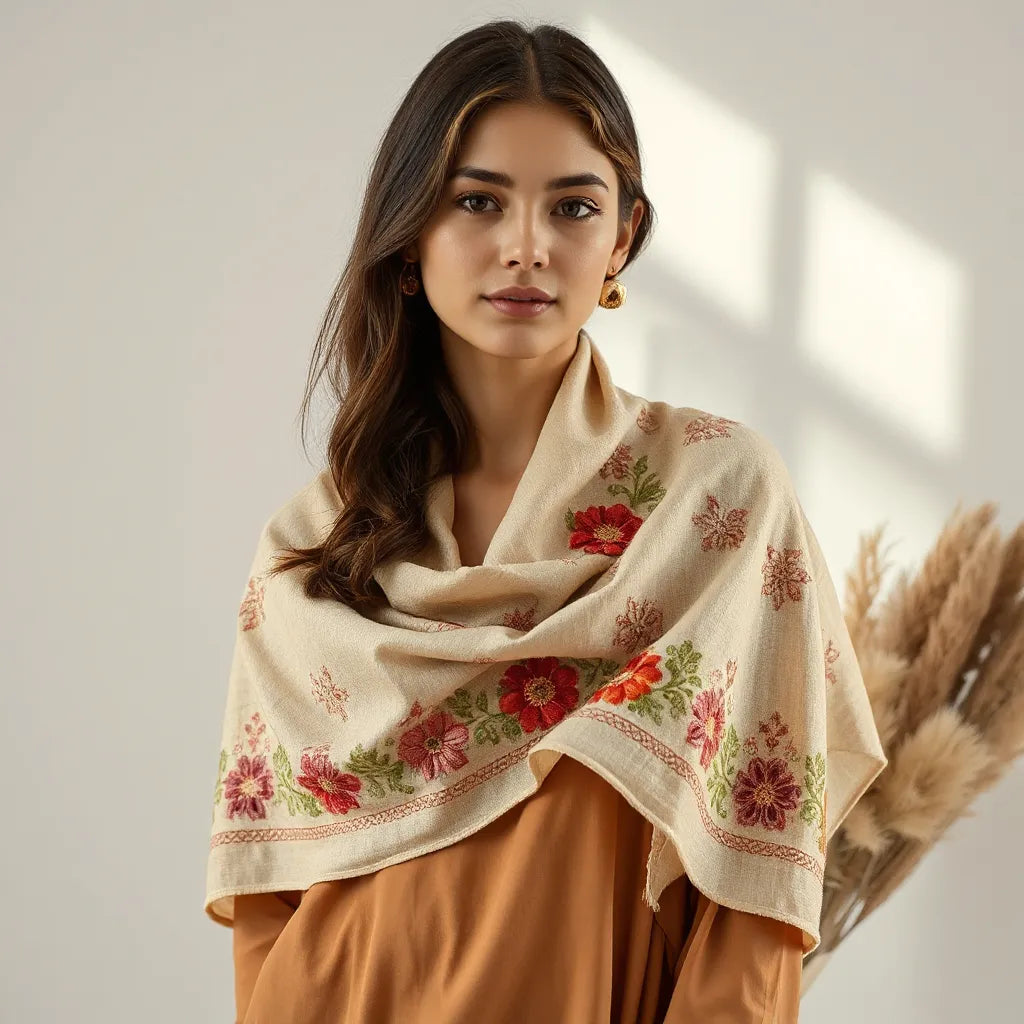
Visual guide: layered fit, soft drape, steady coverage
How to Choose a Comfortable Everyday Hijab
To choose effectively, evaluate the hijab as a system. The outer fabric matters, but the inner foundation also determines comfort. Consider the following criteria before deciding on color, pattern, and style.
1) Prioritize skin-feel and breathability
For everyday use, look for a fabric that feels gentle and does not become overly warm. Light fabrics tend to breathe better and can help the hijab maintain a natural look. If you often feel heat buildup, prioritize materials with good airflow and a smooth texture.
2) Choose drape that stays neat
A comfortable everyday hijab should fall in a controlled way. Excellent drape reduces shifting and keeps the neckline tidy. If the fabric clings too aggressively, it can create unwanted tension. If it is too slippery, it may slide during movement. Aim for a balance that supports a stable silhouette.
3) Select an inner support that matches your routine
The most stable fit often comes from using an appropriate inner layer. Many people prefer a bonnet style because it helps position the hijab quickly. Others choose a lighter inner undercap depending on how they pin or wrap. When the base stays in place, the outer hijab requires fewer corrections.
4) Match color and pattern to your wardrobe
Daily wear is easier when your hijab colors coordinate with your everyday clothing. Neutral tones support repeat outfits and reduce decision fatigue. If you enjoy variety, select one or two accent shades that complement your most-used tops and dresses.
5) Consider care requirements
Comfort should remain consistent after washing. Check whether the fabric holds its structure after regular care. A hijab that wrinkles easily may still look good, but it may require more frequent adjustment. Choose care routines that you can realistically maintain.
Recommended option for effortless styling:

High Quality Chiffon Hjiab: Gives Your Outfit A Graceful Touch
Key Benefits of an Everyday-Focused Hijab
When comfort is prioritized, the advantages appear in both appearance and daily routine. The following benefits are commonly experienced when the hijab is chosen for everyday wear.
- Stable coverage that helps keep the neckline neat and the front panel aligned.
- Reduced slipping through supportive inner construction and drape that settles well.
- Soft contact against the skin to minimize irritation around the face and neck.
- Faster styling because the fit is easier to repeat across outfits.
- Consistent look after routine care, helping the hijab maintain a polished finish.
For shoppers who prefer a complete base, pairing an everyday outer hijab with a supportive inner layer can improve comfort significantly. If you want a practical approach to inner wear, you can explore an inner option here: cotton underscarf bonnet.
Step-by-Step Guide to a Reliable Everyday Fit
A well-fitted hijab feels natural because it distributes tension evenly and uses the inner base to support coverage. Follow this routine to achieve a look that is comfortable, repeatable, and secure.
Step 1: Prepare your base layer
Start by positioning your inner support correctly. A bonnet-like base can help the hijab sit at the right height and keep the fabric from shifting at the forehead. Ensure the base is comfortable under the fabric and does not create tight pressure points.
Step 2: Drape the outer fabric with even alignment
Hold the fabric so the main panel settles on the shoulders without twisting. Begin at the center of your forehead and keep the fabric edges aligned. Smooth the fabric gently so it lays flat against the head and cheeks.
Step 3: Secure with minimal tension
Use pins or secure fasteners with moderation. Over-tightening can reduce comfort, especially around the neck and temples. Instead, focus on placing one or two secure points that prevent sliding. If you prefer a cleaner look, you can use a style that relies on careful draping rather than excessive pinning.
Step 4: Create a neat neckline fold
The neckline is where everyday looks stand or fall. Adjust the fabric so the fold remains smooth and does not pull upward. A slight inward curve typically looks natural and stays comfortable when you move, sit, and walk.
Step 5: Finish and test your movement
Before leaving, check the fit in a mirror and perform a short movement test: turn your head, raise your arms slightly, and adjust your posture. If the hijab shifts, re-secure at the slipping point rather than tightening everything.

Mirror-check routine: even drape, secure neckline, tidy edges
Step 6: Maintain comfort through simple adjustments
Daily wear sometimes requires micro-adjustments. If the fabric collects at the back, smooth it down and re-anchor with a small change in position. If you notice friction at the neck, verify that the inner base is not bunching under the fabric.
If you want a structured wrap style, you may consider a hijab design that integrates supportive elements. For instance, a two-piece approach can help you achieve stable coverage with less effort. You can view a relevant option here: two-piece cotton hijab.
FAQ Section
What fabric is best for a comfortable everyday hijab?
The best fabric depends on your climate and skin sensitivity. For daily use, many people prefer lightweight materials with good drape and breathability. A smooth texture can reduce friction, and a fabric that settles well helps maintain a neat neckline. Consider pairing the outer fabric with an inner layer that supports placement.
How do I prevent my hijab from slipping during the day?
Slip resistance is usually achieved through a stable base and careful securing. Start with a bonnet-like inner layer or an underscarf that keeps the fabric positioned. Then secure the hijab at key points using minimal tension. Finally, perform a quick movement check before you leave to identify and correct the slipping area early.
How should I wash and care for an everyday hijab?
Care should follow the fabric type and the manufacturer instructions. In general, use a gentle wash cycle when appropriate and avoid harsh treatments that can alter drape. After washing, let the hijab dry in a way that preserves shape, then steam or smooth it as needed. Consistent care helps maintain comfort, color integrity, and overall appearance.
Summary & Final Thoughts
A comfortable everyday hijab is built through thoughtful selection and repeatable styling. Prioritize skin-feel, breathability, and drape that stays neat, then pair the outer hijab with an inner foundation that supports stable coverage. With a simple routine and realistic care habits, your hijab can look polished and feel relaxed throughout daily life. For shoppers seeking a gentle, elegant finish, consider exploring an everyday-friendly chiffon option from Palestinian Elegance and choose the combination that suits your wardrobe and lifestyle: soft flow chiffon.
Disclaimer: This article provides general styling guidance. Fabric performance, skin comfort, and fit can vary by individual preferences and product specifications. Always review product details and care instructions before use.
About the Author
Sulieman Alhazma is an experienced fashion consultant focused on modest wear styling and practical fit for daily use. With expertise in layering and garment care, Sulieman helps readers build wardrobes that feel comfortable and look refined. For product selection and styling direction, visit Palestinian Elegance. Thank you for reading, and may your everyday choices feel confident and effortless.
The content in this blog post is intended for general information purposes only. It should not be considered as professional, medical, or legal advice. For specific guidance related to your situation, please consult a qualified professional. The store does not assume responsibility for any decisions made based on this information.