

Updated on: 2026-07-14
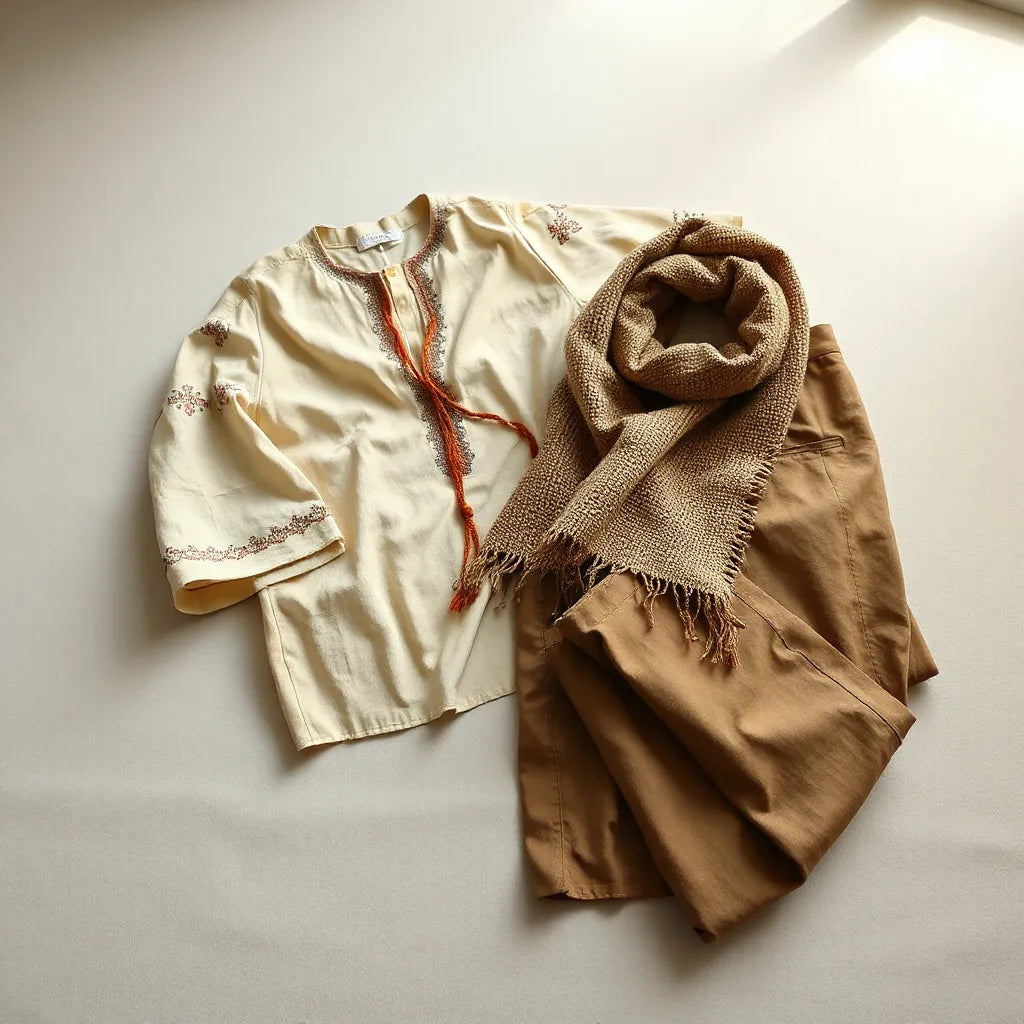
Custom embroidered fashion turns fabric into a personal story. It combines careful needlework with thoughtful design choices. When done with quality materials and precise execution, embroidered details elevate modest wear, occasion pieces, and everyday styles. This guide explains how to choose motifs, ensure durability, and coordinate embroidery with your garment. You will also find practical answers to common questions about customization and care.
How Custom Embroidery Works in Fashion
Design Choices That Make Embroidery Look Intentional
Materials, Thread, and Technique: What Changes the Outcome
Sizing, Placement, and Fit Considerations
Care and Maintenance for Long-Lasting Stitching
A Simple Shopping Guide for Custom Embroidered Fashion
Benefits and Reasons
Custom embroidered fashion offers a rare combination of craftsmanship and individuality. Unlike standard decoration, embroidery is built into the garment through deliberate stitch planning. This makes each piece feel intentional and distinct.
Personal expression with cultural detail. Many people choose embroidered motifs to reflect family heritage, meaningful symbols, or a personal aesthetic. When the design is chosen thoughtfully, the result looks cohesive rather than ornamental.
Elevated visual texture. Embroidery adds dimension to fabric. The texture catches light in a way that printed details cannot replicate. This creates a polished look that works for both day wear and ceremonial styling.
Quality you can see and feel. Good embroidery is clean, consistent, and securely finished. Thread choice, stitch density, and backing support all affect how the garment performs over time.
Versatility across modest silhouettes. Custom stitched accents can enhance a hijab set, an inner layer, or an outer garment without disrupting coverage. With proper placement, embroidery supports balance in the overall silhouette.

Close-up stitches, thread texture, and balanced symmetry
How Custom Embroidery Works in Fashion
In a quality custom embroidery process, the creative work begins before any stitching. The designer identifies the garment’s structure, the fabric behavior, and the visual goal. Then the embroidery plan is translated into a stitch map that guides spacing, direction, and density.
Most customization approaches follow a similar workflow. First, you confirm the design concept. This includes motif selection, scale, and the number of color threads. Next, you decide where the embroidery will sit: along a border, centered on a panel, or distributed in a repeating pattern. Finally, the garment receives embroidery with finishing steps that help prevent distortion.
When customization is handled with discipline, embroidery becomes part of the clothing architecture. It does not merely decorate. It supports drape, coverage, and visual harmony.
If you are building a coordinated look, consider pairing embroidered details with complementary modest pieces. For example, you can start from a well-fitting base and select embroidery that matches the tone and texture of the overall styling. If you want guidance on artisan-made modest essentials, you can explore an example style on Sukoon Simply Abaya.
Design Choices That Make Embroidery Look Intentional
Customization becomes truly premium when the design choices support the garment rather than competing with it. Several factors determine whether embroidery looks refined or distracting.
Motif selection. Choose motifs that suit the garment’s purpose. For instance, a border motif can frame an edge without overwhelming the wearer. A central motif can create a focal point for special occasion styling.
Scale and spacing. Embroidery scale should align with fabric weight. Dense, large stitches may feel heavy on thin textiles. Smaller motifs with controlled spacing tend to integrate more naturally across different layers.
Color harmony. Thread colors should coordinate with the garment base. A refined palette often uses one dominant thread color and one accent shade. This approach creates clarity and prevents the design from appearing busy.
Pattern rhythm. Repetition can look elegant when spacing is consistent. If you want a more modern appearance, use asymmetry carefully. Uneven spacing should still appear balanced through thoughtful distribution.
Practical placement. Embroidery on seams or high-flex areas requires careful planning. Placement affects comfort, durability, and how the garment holds its shape.

Design sketching, motif grid, and color thread swatches
Materials, Thread, and Technique: What Changes the Outcome
The quality of custom embroidered fashion depends heavily on materials and technique. Even the best design can fall short if thread selection, stitch tension, or fabric compatibility is not handled correctly.
Fabric compatibility. Embroidery works differently on structured cloth versus fluid textiles. Fabrics with stable weave support crisp stitch definition. On more fluid materials, embroidery may require reinforcement so the stitches remain neat.
Thread composition. Common threads include polyester blends and cotton-based options. Polyester blends typically offer strong color retention and smooth performance. Cotton threads can create a natural look with a distinct texture.
Stitch density and tension. Density controls the visible texture and the garment’s finished feel. Correct tension prevents puckering and keeps stitches evenly aligned.
Finishing details. Professional embroidery uses back-finishing techniques to reduce scratchiness and improve durability. Clean edges and secure knotting matter for long-term wear.
When you choose modest wear that integrates embroidery, you benefit from thoughtful layering. Many customers build complete outfits using matching or compatible hijab materials and inner layers. If you want to explore modest essentials that pair well with embroidered styling, you may consider cotton inner hijab options for stable coverage and comfort.
Sizing, Placement, and Fit Considerations
Embroidery placement must consider the garment’s dimensions and movement. A stitch pattern that looks beautiful on a flat sample may behave differently once worn. For that reason, customization should be planned with the wearer’s fit and comfort in mind.
Consider body movement. Kneeling, reaching, and walking influence how fabric stretches. Embroidery near stretch zones should be balanced to avoid pulling.
Work with garment edges. Borders can be placed along hems, cuffs, or edges that already define structure. This can help embroidery maintain shape and reduce distortion.
Plan for layering. Many modest outfits include an outer garment with inner layers or a hijab with coordinating undercap components. If the embroidery is part of a set, ensure the placement does not create conflicts in thickness.
Account for shrinkage and wear. Thread and fabric react to washing differently. Quality embroidery planning considers shrinkage potential and recommends care practices that support longevity.
If you are styling a complete look, you can also coordinate embroidery-friendly garment bases with hijab formats designed for secure fit. For example, an undercap option such as underscarf bonnet can help keep layers smooth under detailed outer styling.
Care and Maintenance for Long-Lasting Stitching
Custom embroidered fashion should remain beautiful after repeated wear when it is cared for correctly. Embroidery is resilient, but it requires gentle handling to preserve thread color and stitch structure.
Wash with care. Turn the garment inside out before washing. Use a mild detergent and choose a gentle cycle when available. Avoid aggressive agitation that can loosen dense stitching or stress fabric around embroidery.
Drying considerations. Air drying is often the safest approach. Avoid high heat that can alter thread finish and cause fabric to warp. If drying is necessary using a dryer, choose a low-heat setting.
Ironing strategy. Use low heat and iron on the reverse side when possible. For steam ironing, apply steam carefully and keep direct contact minimal to protect embroidered texture.
Storage habits. Store embroidered garments flat or on a hanger with adequate spacing. Avoid folding in a way that compresses embroidery. Use breathable garment bags if the climate is humid.
Spot cleaning. For small marks, consider spot cleaning with a soft cloth and mild soap. Test the method on a less visible area first.
Following these practices protects both the aesthetic and structural integrity of embroidery. Over time, careful care preserves the crisp lines and refined finish that make custom stitched clothing look truly premium.
A Simple Shopping Guide for Custom Embroidered Fashion
When selecting custom embroidered fashion, approach the decision with a practical framework. The goal is to ensure the embroidery matches your style, budget, and long-term wear needs.
- Define the intended use. Determine whether the piece is for everyday wear, formal occasions, or seasonal events. Embroidery intensity should match the use case.
- Set expectations for coverage. Decide how prominent you want the embroidery to be. Subtle accents provide balance, while statement embroidery creates a focal point.
- Ask about customization details. Confirm the motif options, thread colors, and placement. A precise plan reduces uncertainty.
- Evaluate fabric quality. The embroidery should complement fabric feel and drape. High-quality textiles reduce the risk of puckering and uneven wear.
- Plan for styling. Choose accessories and underlayers that support the embroidered design without clashing textures.
For many buyers, the most satisfying results come from a coordinated approach. When embroidery, garment structure, and modest layering align, the final look appears cohesive from every angle.
Why Palestinian Elegance for Artisan Embroidery
Palestinian Elegance is a family-owned boutique bridging traditional Palestinian heritage with modern fashion. The brand focuses on high-quality Tatreez (hand-embroidery), modest wear, and artisan-made Kuffiyehs. This heritage-led approach supports careful motif work and consistent finishing standards.
When you invest in custom embroidered fashion, the value is not limited to visual appearance. It includes the reliability of stitch execution, the stability of craftsmanship, and the cultural meaning behind the needlework. Artisan embroidery, done with discipline, creates garments that look refined and feel durable.
If you are exploring embroidered clothing ideas, you may find inspiration across the collection. You can also discover how embroidery is applied in modern modest silhouettes through product pages such as Green Ruby Embroidered Thobe.
For a cohesive look that supports custom embroidery styling, consider how your hijab and inner layers interact with outer garment details. When fabric choices work together, embroidery appears sharper and drape looks more controlled.
FAQ
How do I choose a motif for custom embroidered fashion?
Start with a clear visual goal. Select motifs that fit the garment area, such as borders for hems or centered designs for focal panels. Then choose a scale that matches the fabric weight. If you want a timeless look, limit the color palette to one dominant thread tone and one coordinated accent shade.
Will embroidery affect the comfort of a garment?
It can, but careful execution prevents most issues. Quality embroidery uses secure back-finishing so stitches feel smooth against the skin. Placement also matters. If embroidery is near seams or movement zones, professionals plan spacing and stitch density to reduce pulling and stiffness.
How should I care for embroidered hijabs and garments?
Wash gently and turn the item inside out to protect exposed threadwork. Use mild detergent and avoid high heat during drying. Iron on the reverse side with low temperature when needed. With consistent care, embroidery retains color clarity and stable texture.
Final Thoughts and Recommendations
Custom embroidered fashion is a meaningful way to create a garment that reflects your identity and elevates your modest styling. The best outcomes come from matching motif selection, fabric compatibility, and precise placement. When embroidery is crafted with disciplined technique and cared for properly, it becomes a long-term wardrobe asset rather than a temporary trend.
If you are preparing for a special occasion or building a signature everyday look, consider investing in embroidery that respects garment structure. For further inspiration, explore the modest essentials and artisan-made pieces at Palestinian Elegance, and choose components that support a clean, coordinated silhouette.
About the Author Section
Sulieman Alhazma is an editorial and content specialist with expertise in artisan fashion, modest styling, and heritage-inspired craftsmanship. His work focuses on translating quality signals, such as stitch execution and material compatibility, into clear guidance for customers. He also contributes to educational content that supports thoughtful purchasing decisions. He welcomes feedback and appreciates readers who prioritize long-lasting wardrobe choices.
The content in this blog post is intended for general information purposes only. It should not be considered as professional, medical, or legal advice. For specific guidance related to your situation, please consult a qualified professional. The store does not assume responsibility for any decisions made based on this information.