

Updated on: March 9, 2026
Palestinian cultural clothing represents centuries of tradition, artistry, and identity woven into every garment. These traditional garments serve as powerful symbols of heritage and pride, combining intricate embroidery patterns with functional design. Understanding the significance and varieties of these textiles provides insight into a rich cultural legacy that continues to influence modern fashion choices globally. Whether exploring historical context or contemporary styling, Palestinian attire offers both aesthetic beauty and meaningful cultural expression.
Table of Contents
- Historical Significance and Cultural Heritage
- Traditional Garments and Their Components
- Embroidery Patterns and Regional Variations
- Modern Styling and Contemporary Adaptation
- Key Advantages of Traditional Wear
- Practical Tips for Styling and Care
- Summary and Next Steps
- Frequently Asked Questions
Historical Significance and Cultural Heritage
Palestinian cultural clothing embodies a narrative that spans generations and reflects the identity of a people deeply connected to their land and traditions. Each garment tells a story through its construction, materials, and decorative elements. The evolution of traditional dress within Palestinian communities demonstrates how clothing transcends mere functionality to become a vessel of cultural memory and artistic expression.
The roots of Palestinian traditional dress extend back centuries, influenced by regional trade routes, climate conditions, and cultural exchanges across the Mediterranean and Levantine regions. Women's garments, in particular, showcase remarkable craftsmanship with hand-embroidered patterns that often took months to complete. These patterns were not simply decorative but served as identifiers, indicating a woman's village of origin, family status, and marital standing.
Men's traditional attire similarly reflects cultural values and social significance. The thobe, a long robe worn by Palestinian men, represents dignity and formality while adapting to local climate and practical needs. Understanding Palestinian traditional wear requires appreciating how practical considerations intertwined with aesthetic and cultural values to create garments of lasting beauty and significance.
Traditional Garments and Their Components
Palestinian women's traditional dress consists of several interconnected elements that work together to create a complete ensemble. The foundation typically includes the thobe, a long embroidered dress worn as the primary garment. This dress features a fitted bodice and flowing skirt, with the embroidery concentrated on the chest, sleeves, and hem areas.
The hijab represents another essential component, serving both practical and cultural purposes. Various styles exist across different Palestinian regions, including the traditional head covering that frames the face and extends down the back. Cotton hijab variations provide comfort and breathability for everyday wear, while more formal occasions might call for alternatives.
Additional components include the abaya, a flowing outer garment that provides modesty and elegance. Modern abaya designs blend traditional silhouettes with contemporary comfort. The underscarf, or bonnet, provides structure and support beneath the main head covering. These layered components work together to create the distinctive silhouette associated with Palestinian traditional dress.

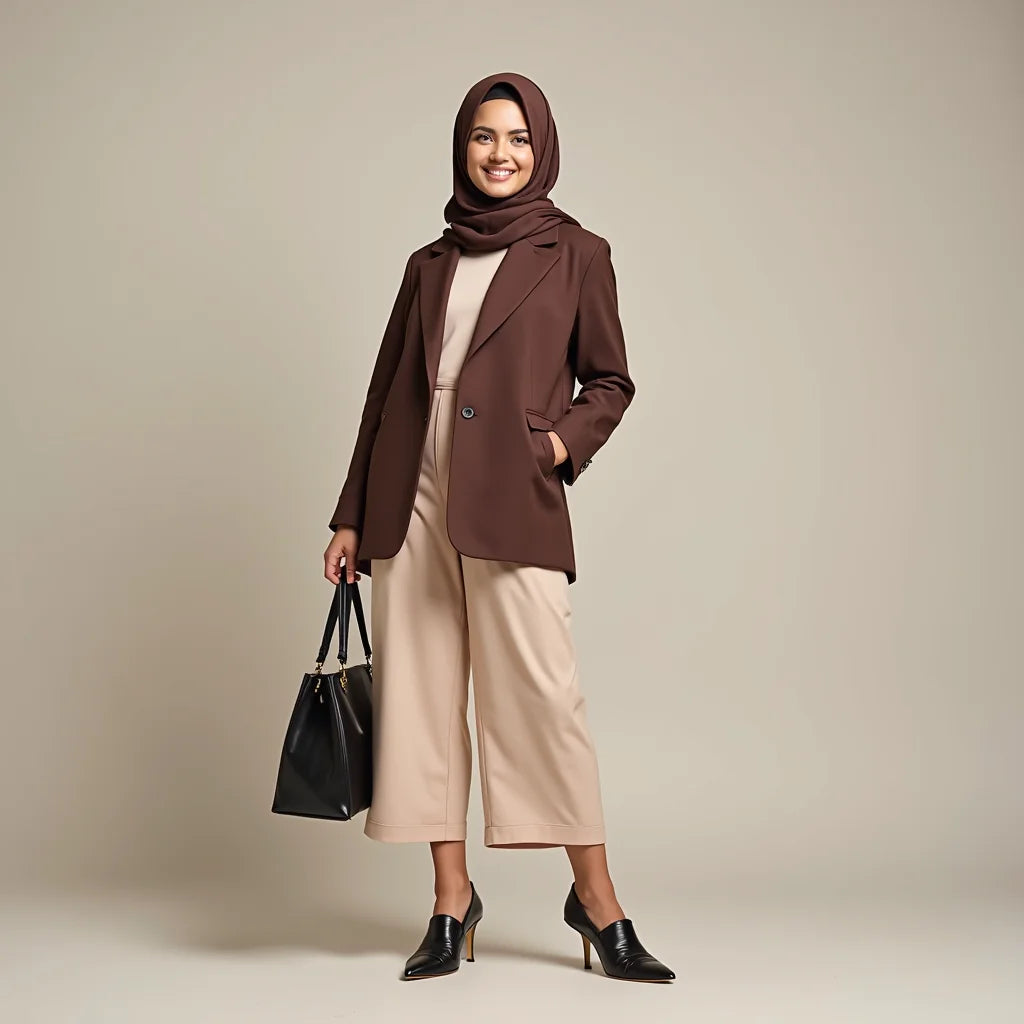
Layered traditional dress components featuring embroidered thobe, structured hijab, and draped outer garment elements
Men's traditional clothing encompasses the thobe as the primary garment, often paired with a headwrap called the ghutra or agal. Embroidered thoub styles showcase regional variations and personal preference while maintaining traditional proportions and construction methods. Accessories including belts, daggers, and decorative brooches completed formal ensembles for special occasions.
Embroidery Patterns and Regional Variations
The embroidery found on Palestinian cultural clothing represents one of the most distinctive and celebrated aspects of the tradition. Each stitch carries meaning, and patterns often identify the wearer's village, social status, and family lineage. The cross-stitch technique, implemented with remarkable precision, creates geometric patterns that have been passed down through generations of women.
Regional variations distinguish Palestinian embroidery across different areas. Bethlehem style features distinctive cross-stitch patterns in red, green, and black threads on white or cream backgrounds. Jerusalem embroidery incorporates flowing, more organic patterns, while Gaza embroidery often emphasizes bold geometric designs. Ramallah and surrounding areas showcase unique color combinations and stitch techniques that reflect local aesthetic preferences and available materials.
The color palette itself carries significance. Red symbolizes courage and vitality, while green represents hope and growth. Black outlines provide definition and contrast, making patterns visible from a distance. White or cream backgrounds offer a neutral canvas that allows the embroidered designs to stand prominently. Understanding these color meanings deepens appreciation for Palestinian traditional wear beyond its visual appeal.
Modern interpretations of these patterns appear in contemporary fashion, bridging traditional craftsmanship with current design trends. Contemporary embroidered pieces maintain traditional pattern integrity while incorporating modern silhouettes and fabric choices, making these garments accessible for everyday wear and special occasions alike.
Modern Styling and Contemporary Adaptation
Contemporary fashion has witnessed a remarkable resurgence of interest in Palestinian cultural clothing as designers and consumers recognize the value of traditional aesthetics combined with modern sensibilities. Fashion houses have begun incorporating traditional embroidery patterns into everyday garments, making heritage wear accessible to younger generations who seek to maintain cultural connection.
Modern styling approaches blend traditional elements with contemporary silhouettes and fabrics. Instead of wearing a complete traditional ensemble, many individuals now incorporate one or two traditional pieces into their regular wardrobe. A traditional embroidered thobe paired with modern accessories, or a heritage-inspired hijab worn with contemporary clothing, allows people to express cultural pride in practical, everyday contexts.
High-quality materials now make Palestinian traditional wear more durable and easy to maintain than historical versions. Premium chiffon hijabs offer elegance and comfort, while modern dyes ensure color longevity. These improvements do not compromise the garments' cultural authenticity; rather, they ensure that traditional wear remains relevant and wearable in contemporary life.
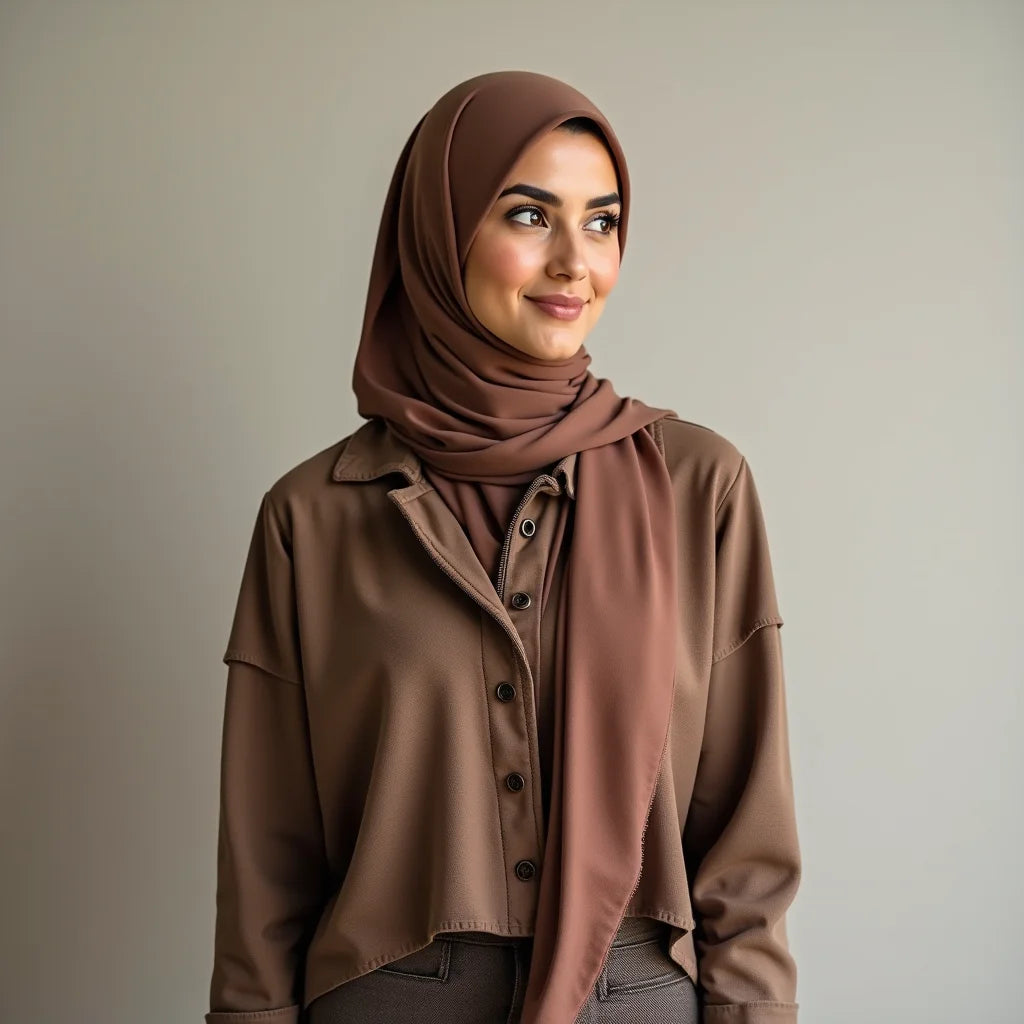
Modern styling blending traditional embroidered elements with contemporary fashion silhouettes and accessory combinations
Social media has significantly influenced how Palestinian cultural clothing is presented and perceived globally. Young Palestinian women and men proudly showcase traditional wear, inspiring others to explore their own cultural heritage. This digital visibility has transformed Palestinian dress from clothing primarily worn at formal events into a statement of cultural identity and artistic appreciation that transcends generational boundaries.
Key Advantages of Traditional Wear
- Cultural Identity and Heritage Expression: Wearing Palestinian cultural clothing affirms connection to ancestral traditions and demonstrates pride in cultural lineage.
- Artistic Appreciation: Each garment represents hours of skilled craftsmanship and artistic design, supporting traditional artisans and preserving endangered craft techniques.
- Functional Design: Traditional garments were engineered for climate appropriateness and practical daily activities while maintaining elegance and modesty.
- Versatility in Styling: Traditional pieces adapt to various contexts, from formal celebrations to casual incorporation into contemporary wardrobes.
- Quality Craftsmanship: Handmade elements ensure durability and unique character that mass-produced clothing cannot replicate.
- Timeless Aesthetic: Traditional silhouettes and patterns transcend seasonal fashion trends, maintaining relevance and beauty across decades.
- Community Connection: Wearing heritage clothing creates bonds with cultural communities and facilitates meaningful conversations about tradition and identity.
Practical Tips for Styling and Care
- Invest in Quality Foundation Pieces: Begin with well-made basics like cotton inner hijabs that provide structure and comfort for daily wear.
- Learn Regional Styles: Research embroidery patterns and silhouettes from specific Palestinian regions to understand and appreciate local distinctions.
- Mix Traditional with Contemporary: Pair traditional embroidered pieces with modern accessories, footwear, or outer garments for balanced styling.
- Understand Occasion Appropriateness: Reserve heavily embroidered formal pieces for celebrations while using simpler traditional garments for everyday contexts.
- Develop Proper Care Routines: Hand wash embroidered garments gently, avoid direct sunlight when drying, and store in cool, dry environments to preserve colors and stitching.
- Explore Material Options: Try different fabrics like chiffon, cotton, and lycra blends to find comfort levels that suit your climate and lifestyle.
- Connect with Cultural Communities: Attend cultural events, workshops, or gatherings where you can learn proper wearing techniques and styling from experienced practitioners.
- Support Artisans: Purchase from established vendors who work directly with craftspeople, ensuring fair compensation and sustainable production practices.
Summary and Next Steps
Palestinian cultural clothing represents far more than fashion; these garments embody centuries of artistic tradition, cultural identity, and community values. From the intricate embroidery patterns that identify regional origins to the functional design that suits Mediterranean and Middle Eastern climates, every element of traditional dress carries significance and meaning. Understanding and appreciating Palestinian attire opens pathways to deeper cultural awareness and respect.
Moving forward, consider exploring Palestinian traditional wear through multiple approaches. If you are new to cultural dress, begin by learning about regional variations and the historical context that shaped these garments. Start with individual pieces that resonate with you personally, whether a traditional hijab style or an embroidered garment that appeals aesthetically. Support artisans and vendors who prioritize authentic craftsmanship and fair labor practices.
For those already connected to Palestinian heritage, continued engagement with traditional dress strengthens cultural bonds and models pride for younger generations. Share knowledge about specific patterns, techniques, and historical significance with family and community members. Wear traditional clothing confidently in diverse settings, using fashion as a vehicle for cultural dialogue and mutual understanding.
Frequently Asked Questions
What is the primary difference between Palestinian traditional dress and other Middle Eastern regional clothing?
Palestinian cultural clothing distinguishes itself through specific embroidery patterns, color combinations, and silhouettes that reflect the particular history and geography of Palestinian communities. While neighboring regions share some design elements, the distinctive geometric cross-stitch patterns, regional color preferences, and structural details of Palestinian dress create a recognizable aesthetic. Village-specific patterns further differentiate Palestinian garments from other regional traditions, as embroidery designs often indicated the wearer's geographic origin within Palestine.
Can men and women wear Palestinian cultural clothing in modern, non-traditional settings?
Absolutely. Contemporary fashion increasingly incorporates Palestinian traditional elements into everyday wear. Many individuals wear embroidered pieces to work, social events, and casual gatherings as statements of cultural pride and personal style. Modern adaptations make traditional garments practical for contemporary life while maintaining authenticity. Younger generations particularly embrace wearing heritage clothing in diverse contexts, transforming these garments from ceremonial wear into regular expressions of cultural identity.
How can I ensure I am purchasing authentic Palestinian cultural clothing?
Purchase from reputable vendors who provide detailed information about production methods, artisan involvement, and material sourcing. Look for hand-embroidered details rather than machine-produced imitations, as authentic pieces showcase individual variation and slight irregularities that indicate human craftsmanship. Support businesses that work directly with Palestinian artisans and communities. Ask questions about garment origins, embroidery techniques, and material composition. Established retailers typically provide transparency about their production practices and can explain specific regional patterns and design elements present in their inventory.
What materials are traditionally used in Palestinian cultural clothing, and what modern alternatives exist?
Traditionally, Palestinian garments utilized cotton, silk, and wool based on availability and intended use. Modern versions employ these same materials alongside contemporary options like high-quality synthetic blends that offer improved durability and ease of care. Chiffon provides elegant drape for outer garments, while cotton remains ideal for structural pieces and inner garments. Modern dyes and manufacturing techniques ensure color longevity and garment durability without compromising the authentic aesthetic that defines Palestinian traditional wear.
Are there age restrictions or guidelines for wearing Palestinian cultural clothing?
Palestinian traditional dress is worn across all age groups, from children to elderly community members. Different styles and embroidery intensities suit various life stages and occasions. Young children often wear simplified versions of traditional garments at cultural events, while adults might wear more elaborate pieces for celebrations. Elderly community members frequently wear traditional dress regularly as a reflection of lifelong cultural practice. Gender considerations exist regarding specific garment styles, but no age-based restrictions prevent individuals of any age from engaging with their cultural heritage through traditional clothing.
How do embroidery patterns relate to a person's social or family status?
Historically, embroidery patterns communicated important information about the wearer's identity within Palestinian communities. Specific designs indicated village origin, allowing community members to recognize where someone came from by examining their garment patterns. Married women often wore different patterns or color combinations than unmarried women. The complexity and quality of embroidery could suggest family wealth and resources. While these social markers remain less critical in contemporary settings, understanding historical pattern significance deepens appreciation for Palestinian traditional wear as a complex communication system that extended far beyond mere aesthetic expression.
About the Author
Sulieman Alhazma brings deep expertise in Palestinian cultural heritage, traditional textile arts, and contemporary fashion's intersection with ancestral traditions. With years of dedicated study and community engagement, Sulieman understands how clothing serves as a powerful medium for preserving cultural identity across generations. Through writing and direct work with artisans, Sulieman strives to increase global appreciation for Palestinian traditional dress and support the communities that maintain these remarkable crafts. Connect with Sulieman to explore how cultural garments bridge heritage and modern life.