

Updated on: 2026-07-08
Heritage Occasion Wear is more than clothing for a special day. It reflects craft, family memory, and cultural details that endure. When you choose modest silhouettes and meaningful embellishment, you create a look that feels intentional. This guide explains how to match fabric, tailoring, and occasion expectations without compromising comfort. You will also find practical styling steps and common myths clarified for confident shopping.
- 1. Myths vs. Facts
- 2. What Heritage Occasion Wear Really Means
- 3. Fabric and Fit: The Foundation of an Elegant Look
- 4. Styling Steps for Modest Celebrations
- 5. Care and Preservation for Long-Term Wear
- 6. Final Thoughts & Takeaways
Myths vs. Facts
-
Myth: Heritage Occasion Wear is only for formal weddings.
Fact: It suits many celebrations, including engagements, family visits, and cultural ceremonies. -
Myth: Traditional detailing is difficult to style.
Fact: The key is balance: let craftsmanship lead while you keep the silhouette clean and the accessories deliberate. -
Myth: More embellishment always means more comfort.
Fact: Comfort comes from structure, breathable materials, and thoughtful finishing, not only from visual weight. -
Myth: Heritage pieces cannot be worn more than once.
Fact: Quality tailoring and timeless design support repeat use when care and storage are done properly.
What Heritage Occasion Wear Really Means
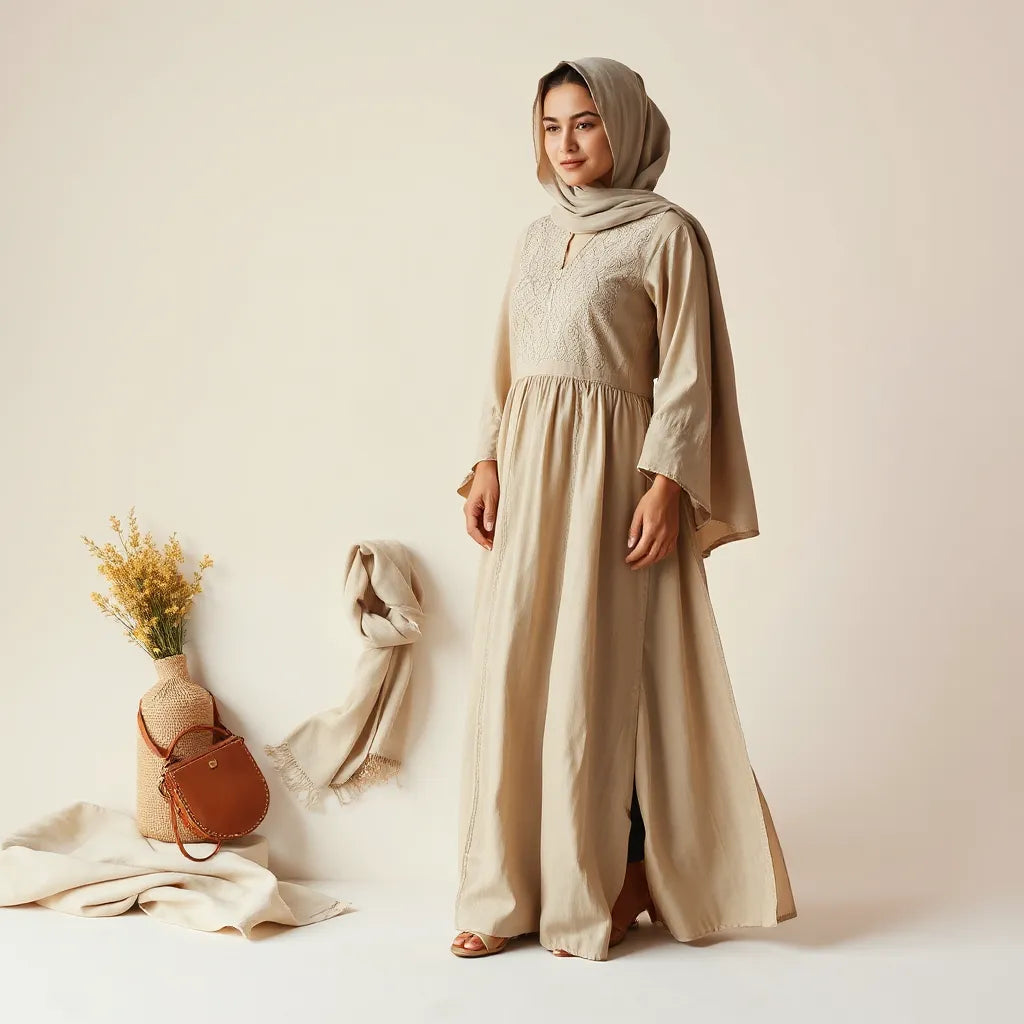
Heritage Occasion Wear connects visible style with deeper intention. It is not limited to a single garment type or one region. Instead, it blends modest proportions, signature textures, and artisan-made details that honor tradition. The result is clothing that looks refined and photographs well, while still feeling grounded in identity.
In practice, Heritage Occasion Wear often includes three elements. First, there is silhouette discipline: structured lines that flatter without excess exposure. Second, there is craftsmanship: embroidery, tonal patterns, and finishing that show careful work. Third, there is cohesive styling: coordinating headwear, underlayers, and outer pieces so the final look appears complete rather than assembled.
If you want an experience that goes beyond trends, look for garments made to be lived in. Family-owned boutiques such as Palestinian Elegance focus on cultural preservation and modest wear that supports artisan livelihoods. That mission matters because it influences how garments are sourced and how details are presented to customers.

Silhouette sketch, embroidery motifs, and balanced styling layout
Fabric and Fit: The Foundation of an Elegant Look
The most memorable occasion outfits feel right from the first moment you put them on. Heritage Occasion Wear performs best when fabric and fit work together. When fabric drapes well, movement looks graceful, and photos capture the garment’s true lines rather than pulling or wrinkling prematurely.
Choose fabrics by season and setting. For warm environments, breathable textiles help you stay comfortable without losing polish. For cooler settings, fabrics with a denser hand can provide a more substantial fall. In both cases, prioritize even texture and quality finishing along hems and seams.
Match thickness to the level of structure you want. Some looks benefit from a firmer composition that holds shape. Others look best with fluid movement and soft layers. Consider where the garment will experience motion. If you anticipate sitting, walking, or greetings that last for hours, comfort should guide the decision.
Focus on fit at the points that matter. Occasion wear is unforgiving in the shoulder, neckline, and sleeve area. A clean neckline does more than look neat; it supports modest styling. Sleeves should allow arm movement without strain. If you wear headwear, ensure the underlayer supports a smooth base so the outer layer sits evenly.
If you want a headscarf option that complements heritage-inspired styling, consider chiffon styles with a soft drape. You can explore premium options such as soft chiffon hijab. If your occasion requires a more structured foundation, an inner option can help your look stay smooth throughout the day, for example cotton inner hijab.
Styling Steps for Modest Celebrations
Heritage styling is about coherence. You should not need many items to create a meaningful look. With a disciplined approach, your outfit will feel intentional from neckline to hem.
1) Start with a clear modest silhouette
Begin with your main outer piece. Look for a silhouette that creates clean vertical lines and a neckline that aligns with your comfort preferences. Heritage Occasion Wear often shines when the foundation is neat because artisan details then become the focal point.
2) Layer with purpose
Underlayers can solve several styling challenges. They support a smooth fit, reduce shifting, and improve how the outer fabric falls. If your occasion involves long hours, layering helps maintain the look without constant adjustments.
If you prefer a cohesive headwear base, explore an underlayer designed for stability, such as cotton under-cap support. It can help your headscarf sit comfortably while maintaining a tidy appearance.
3) Coordinate color with cultural restraint
Color coordination should feel calm and refined. Instead of choosing everything at once, pick one anchor tone and build around it with subtle contrasts. Textures can add interest without overpowering the outfit.
For heritage-inspired color stories, floral and garden-themed finishes can create depth. If you are drawn to that aesthetic, you may find options such as botanical heritage chiffon helpful for creating a balanced look.

Color wheel, tonal layers, and tidy neckline alignment
4) Let the details speak
When your outfit includes embroidery or artisan motifs, avoid competing elements. Choose accessories that support the garment rather than redirect attention. A well-chosen belt, a simple fastening, or understated jewelry often works better than overly busy additions.
5) Finish with headwear placement
Headwear is part of the overall composition. For modest celebrations, placement matters: the line should look even, and the fabric should not pull at the temple area. When headwear is aligned properly, the face frame looks intentional, and the outfit feels complete.
If you are planning a formal celebration with a traditional touch, you can consider heritage-forward headwear such as an open bonnet or closed bonnet depending on your preferred look. For an open style, review syrian-style open bonnet. For a fully secured option, syrian-style closed bonnet may provide a different feel while keeping styling streamlined.
6) Prioritize comfort for real-life movement
Occasions involve many activities: greeting guests, taking photos, and moving between spaces. If your clothing restricts movement, your experience changes. Select fits that allow natural movement at the shoulders and arms, and ensure hems do not catch on footwear.
Care and Preservation for Long-Term Wear
Heritage Occasion Wear deserves care that matches its craftsmanship. Proper cleaning and storage protect texture, color, and structural shape. When you maintain garments well, you preserve both appearance and longevity.
Read care instructions carefully. Some fabrics respond best to gentle washing or careful spot cleaning. Always follow the garment’s guidance rather than assuming identical care across similar textiles.
Handle embellishment with restraint. Embroidered or embellished pieces benefit from gentle treatment. Avoid harsh rubbing during washing. If you spot a mark, consider targeted cleaning instead of full immersion, provided the fabric care guidance supports it.
Store to prevent deformation. Hanging can help some silhouettes, while folded storage may protect delicate textures. Use breathable storage and avoid overcrowding. If the garment has structured elements, store it in a way that prevents creasing in the same locations each time.
Refresh between wears. Light steaming can help restore drape and remove mild wrinkles. For structured items, focus on posture and shape rather than aggressive heat. The goal is to maintain the garment’s original line.
Long-term preservation is not only about aesthetics. It is also about sustainability. Buying fewer, better pieces reduces waste and supports artisan work. That alignment is especially meaningful when your wardrobe includes heritage-inspired items that carry cultural weight.
Final Thoughts & Takeaways
Heritage Occasion Wear brings together modest elegance, artisan craft, and thoughtful styling. To choose confidently, focus on three priorities: fabric that drapes comfortably, fit that supports natural movement, and a cohesive look that respects the garment’s details. Use layering to maintain a neat foundation, coordinate color with restraint, and finish with headwear placement that frames the face evenly.
When you care for these pieces properly, they remain wearable beyond a single event. The result is a wardrobe that feels meaningful, polished, and ready when a celebration arrives.
If you want to explore modest styling with cultural depth, consider browsing the collection at Palestinian Elegance for heritage-inspired modest wear options made to highlight craftsmanship.
Q&A
How do I choose Heritage Occasion Wear that suits both my comfort and the event tone?
Select a silhouette you can move comfortably in, then align fabric weight with the setting. If the event is long, prioritize breathable materials and stable underlayers. A clean neckline and well-finished hems help the outfit look polished even after hours of wear.
What is the most important styling rule when the outfit includes embroidered or heritage motifs?
Balance is the priority. Keep accessory choices minimal so the motifs remain the focal point. Choose tones that harmonize with one anchor color and let textures add depth without competing patterns.
Can heritage-inspired outfits be worn more than once without losing their appeal?
Yes. Timeless silhouette design and quality finishing support repeat wear. With proper care, you can preserve drape, color, and structure so the garment remains presentable for future celebrations.
About the Author
Sulieman Alhazma is a fashion and styling specialist with expertise in modest wear, heritage-inspired design, and artisan-driven craftsmanship. His work emphasizes practical guidance for building outfits that feel elegant and culturally grounded. He also supports customer education on fit, fabric selection, and long-term garment care. Thank you for reading, and may your next celebration outfit feel confident, comfortable, and meaningful.
Disclaimer: This article provides general guidance on styling and garment care. Always follow the specific care instructions provided by the product manufacturer and retailer. For fit adjustments, consult a qualified tailor when needed.
The content in this blog post is intended for general information purposes only. It should not be considered as professional, medical, or legal advice. For specific guidance related to your situation, please consult a qualified professional. The store does not assume responsibility for any decisions made based on this information.