

Updated on: 2026-07-10
Women’s abayas combine heritage style with modern modest comfort. Choosing the right fabric and fit helps you look polished while staying at ease throughout the day. A thoughtful approach to color, tailoring, and layering improves drape, movement, and overall wearability. This guide explains how to select an abaya style and maintain it so it remains elegant over time.
- 1. How to Choose the Right Fabric and Fit
- 2. Style Options for Women’s Abayas
- 3. Color, Coverage, and Draping Techniques
- 4. Care and Maintenance for Long-Lasting Wear
- 5. Layering and Everyday Styling
- 6. Common Questions Answered
- 7. Summary & Next Steps
1. How to Choose the Right Fabric and Fit
When selecting women’s abayas, the first decision is usually fabric. Fabric determines how the garment falls, how it feels against the skin, and how it performs across seasons. It also influences appearance: a well-chosen cloth improves drape and keeps seams looking tidy.
Fit matters just as much. An abaya should support graceful movement without excess bulk. At the same time, it should provide comfortable coverage. If you are between sizes, consider how the garment will layer with an underscarf, slip layer, or inner piece.
Start with your climate and activity
- Warm weather: prioritize breathable weaves and light fabrics with good airflow.
- Cool weather: look for fabrics with structure so the silhouette stays neat.
- Busy schedules: select fabrics that resist wrinkling and remain smooth after wear.
Focus on drape, not only thickness
Heavier fabric does not always mean better coverage or better look. Look for material that hangs cleanly from the shoulder and moves without pulling. Good drape makes the garment feel effortless and helps prevent a stretched or sagging appearance.
Check arm length, shoulder width, and hem position
For a flattering, practical fit, verify three points: shoulder line, sleeve length, and hem length. Sleeve comfort affects daily wear, while hem position influences how the abaya looks when walking. A small adjustment can dramatically improve the overall silhouette.

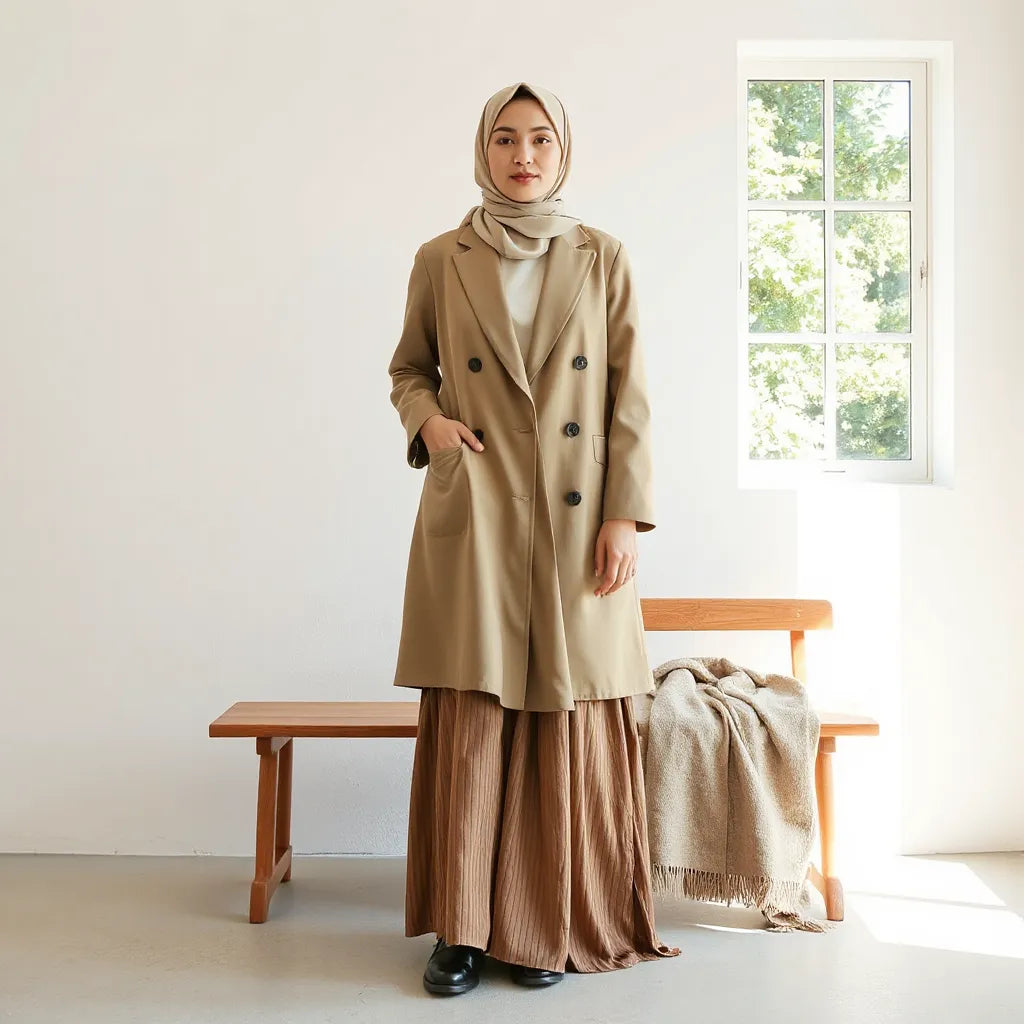
Visual guide: fabric drape, sleeve length, hem balance
2. Style Options for Women’s Abayas
Women’s abayas are not a single look. They span simple everyday designs and more detailed statement options. Selecting the right style begins with identifying the occasions you dress for most often, then matching the style to your preferred level of structure and detail.
Consider whether you want a defined silhouette, an open-front layer effect, or a more traditional, straight fall. You can also tailor the visual mood through sleeves, necklines, and decorative placement.
Minimal everyday abayas
Minimal designs emphasize clean lines and smooth drape. They are practical for daily use and pair well with a range of headscarves and inner layers. If you prefer a timeless wardrobe approach, a minimal abaya often becomes a repeat choice.
Statement detailing
Some abayas include embroidery, tonal trim, or structured panels. Detailing can elevate the outfit while still remaining modest and refined. When choosing statement pieces, focus on placement and balance. Decorative elements should complement the shape rather than overpower it.
Open and layered silhouettes
Open styles are useful for styling flexibility. They can create a layered look without sacrificing coverage. If you select an open abaya, ensure that the inner layer provides consistent coverage and does not shift during movement.
For structured modest wear styling ideas, you may find inspiration by exploring artisan-made modest dresses and sets on Palestinian Elegance’s site: simple abaya set and open abaya kaftan set.
3. Color, Coverage, and Draping Techniques
Color choices influence how an abaya photographs, how it looks in natural light, and how it feels mentally. Even if you mostly wear neutral shades, the right undertones and accents can make your outfit feel intentional.
Coverage is also about drape. A garment that falls smoothly from the shoulders creates visual consistency. That consistency matters when the abaya moves, because it reduces the appearance of gaps or uneven layering.
Choose colors that match your lifestyle
- Neutral essentials: black, charcoal, navy, and deep olive work well for daily wear.
- Soft elegance: warm taupe, sand, and muted tones create a calm, polished look.
- Seasonal accents: jewel tones can add dimension without requiring additional patterns.
Use draping to guide the eye
Look for design features that support a clean vertical line. Vertical seams, controlled panels, and consistent shoulder shaping can help the outfit appear more streamlined. If you prefer a relaxed fit, choose designs that still maintain a stable hem line when walking.
Balance coverage with comfort
Full coverage should not require tightness. The goal is a comfortable fit that stays in place while you move. If your abaya shifts, re-evaluate shoulder fit, sleeve length, and how the garment layers over an inner piece.

Color and coverage: layered lines and smooth hanging fabric
4. Care and Maintenance for Long-Lasting Wear
Proper care protects the appearance of your abaya fabric and helps maintain consistent drape. Many women’s abayas are worn frequently, including for work and community events. Regular maintenance prevents fading, pilling, and seam wear.
Because fabric blends vary, always check garment labels before cleaning. The guidance below offers general best practices that align with modest fashion longevity principles.
Wash thoughtfully to preserve shape
- Gentle cycle: use a mild wash setting for delicate fabrics.
- Cold water: helps reduce color shift and protects fibers.
- Low agitation: reduces stress on seams and embellishments.
Dry in a way that keeps the drape
Air drying is often the safest option for maintaining structure. If you use a dryer, select a lower heat setting. Remove the garment promptly to prevent wrinkles from setting deeply.
Ironing and steaming methods
Use steam to refresh the drape and smooth minor creases. If you iron, use a protective cloth and test in an inconspicuous area. For fabrics that require extra care, steaming is usually more forgiving.
Protect decorative details
If your abaya includes embroidery or decorative trims, handle with care. Wash inside a mesh laundry bag and avoid harsh detergents. When storing, lay it flat or hang it with enough space to prevent stretching.
For those who also curate complementary modest pieces, you may pair your abaya wardrobe with headwear options. Consider browsing soft chiffon hijab to complete a refined look that supports smooth overall styling.
5. Layering and Everyday Styling
Layering is the difference between an abaya that looks right in the mirror and one that stays comfortable in real life. Thoughtful layering manages bulk, supports coverage, and improves how the garment moves.
A reliable layering system includes an inner layer for comfort, a head covering that stays secure, and accessories that match the garment’s formality level.
Build a base layer for smooth coverage
Your inner layer should sit flat and remain stable. Choose fabric that feels breathable and does not add excessive cling. If you experience shifting, consider inner layers designed to anchor comfortably.
Select a headscarf that complements the abaya
The headscarf completes the silhouette. When it harmonizes with the abaya color palette and drape style, the entire look feels cohesive. For a practical approach, match the headscarf weight to your abaya fabric so layers do not fight for movement.
Choose simple accessories that enhance modest elegance
Accessories should support your overall style without drawing away from the garment’s integrity. A structured bag, understated jewelry, and an outer layer that frames the shoulders can help create a complete outfit.
Style by occasion
- Daily wear: minimal detailing, practical fabrics, and an easy color palette.
- Events: consider statement trims, richer tones, or enhanced texture.
- Travel: prioritize wrinkle-resistant fabrics and secure inner layers.
If you would like cohesive styling across modest wear categories, Palestinian Elegance offers curated options for layered dressing and heritage-inspired fashion. For example, you can explore compatible headwear and inner layers such as cotton undercap to support a stable base.
6. Common Questions Answered
How do I determine the right length for women’s abayas?
Start by identifying your preferred coverage level. For a balanced look, the hem should typically fall at a consistent point when you are standing and walking. If you plan to wear the abaya with regular footwear, check the hem again after standing and taking a few steps. If you are ordering online, review the sizing chart and compare measurements with a garment that fits well in your wardrobe.
Which fabrics are best for everyday comfort?
Everyday comfort usually comes from breathable materials with stable drape. Look for fabrics that feel smooth against the skin and hold their shape with regular wear. If you work indoors with air conditioning, you may prefer medium-weight options that keep the silhouette neat without clinging. For warmer seasons, choose lighter fabrics that still provide consistent coverage.
Can I wear an abaya in a professional setting?
Yes. Professional styling often benefits from minimal detailing, clean seams, and a color palette that aligns with your workplace norms. A well-fitted abaya paired with a coordinated headscarf and a structured inner layer creates a polished look. If the office environment is formal, selecting a darker or more structured fabric can offer a refined appearance.
How should I style an abaya to reduce bulk?
Reduce bulk by selecting inner layers that lie flat and by matching layer thickness. Avoid adding multiple layers that each require extra space. A structured headscarf base can also prevent bunching. When possible, choose an abaya with controlled paneling or a silhouette that falls smoothly without needing extra volume underneath.
7. Summary & Next Steps
Women’s abayas offer both practical coverage and refined style when you choose the right fabric, fit, and silhouette. Prioritize drape and comfort, select colors that match your daily rhythm, and build a stable layering system for consistent coverage. With proper care and mindful styling, your abaya wardrobe will remain elegant for repeat wear.
Next, identify your most frequent occasions, then select one minimal option for everyday use and one detailed option for events. After that, refine your layering approach so the garment stays neat throughout the day. If you want coordinated modest styling inspiration, explore complementary pieces on Palestinian Elegance’s site, including headwear and inner support options.
About the Author
Sulieman Alhazma is a fashion and modest wear specialist with expertise in garment selection, fit strategy, and heritage-informed styling. With a focus on practical elegance, the author supports readers in building wardrobes that balance comfort, quality, and timeless appearance. Thanks for reading, and may your next purchase feel confident and well-aligned with your personal style.
Disclaimer: This article provides general guidance on style selection and garment care. Always follow the care instructions on your specific garment label, since fabric composition and finishing techniques may vary.
The content in this blog post is intended for general information purposes only. It should not be considered as professional, medical, or legal advice. For specific guidance related to your situation, please consult a qualified professional. The store does not assume responsibility for any decisions made based on this information.