

Updated on: 2026-04-19
Palestinian cultural clothing reflects heritage through fabric, tailoring, and careful detailing. Choosing pieces that fit well and respect traditional aesthetics helps you build a wardrobe that feels meaningful. With the right layering and care, you can wear modest looks with confidence across seasons. Use this guide to understand key elements and select garments with lasting value.
Introduction
Palestinian cultural clothing carries deep meaning through craftsmanship and everyday practicality. It is expressed in elegant silhouettes, rich textiles, and traditional embroidery methods that connect generations. For many people, choosing these garments is not only about style, but also about celebrating identity and supporting skilled artisans. When you understand the design logic behind each piece, you can select clothing that fits your lifestyle while preserving cultural integrity.
In this guide, you will learn how to choose Palestinian cultural clothing thoughtfully, how to evaluate quality, and how to style modest outfits with ease. You will also find practical care tips that protect color, structure, and embroidery details over time.
How-To Steps
Use the steps below to build a cohesive wardrobe around Palestinian cultural clothing, whether you are starting with one statement garment or refining your existing collection.
Define your purpose and setting. Select pieces that match your typical day, such as work, family gatherings, or formal events.
Start with foundational modest layers. Choose a reliable base for comfort and coverage, such as an inner headscarf or breathable underscarf.
Select an outer layer with appropriate drape. Look for fabrics that move well and maintain shape, especially for hijabs, thobes, and abayas.
Balance tradition and personalization. Pair heritage-inspired detailing with modern styling choices, such as a clean collar line or neutral color base.
Check fit before styling. Confirm shoulder alignment, neckline comfort, and sleeve length to avoid frequent readjustments.
Verify material and finishing. For embroidered or embellished items, inspect stitching density and edge finishing.
Plan care from day one. Use a care routine that fits the fabric category, especially for chiffon, embroidery, and embellished textiles.
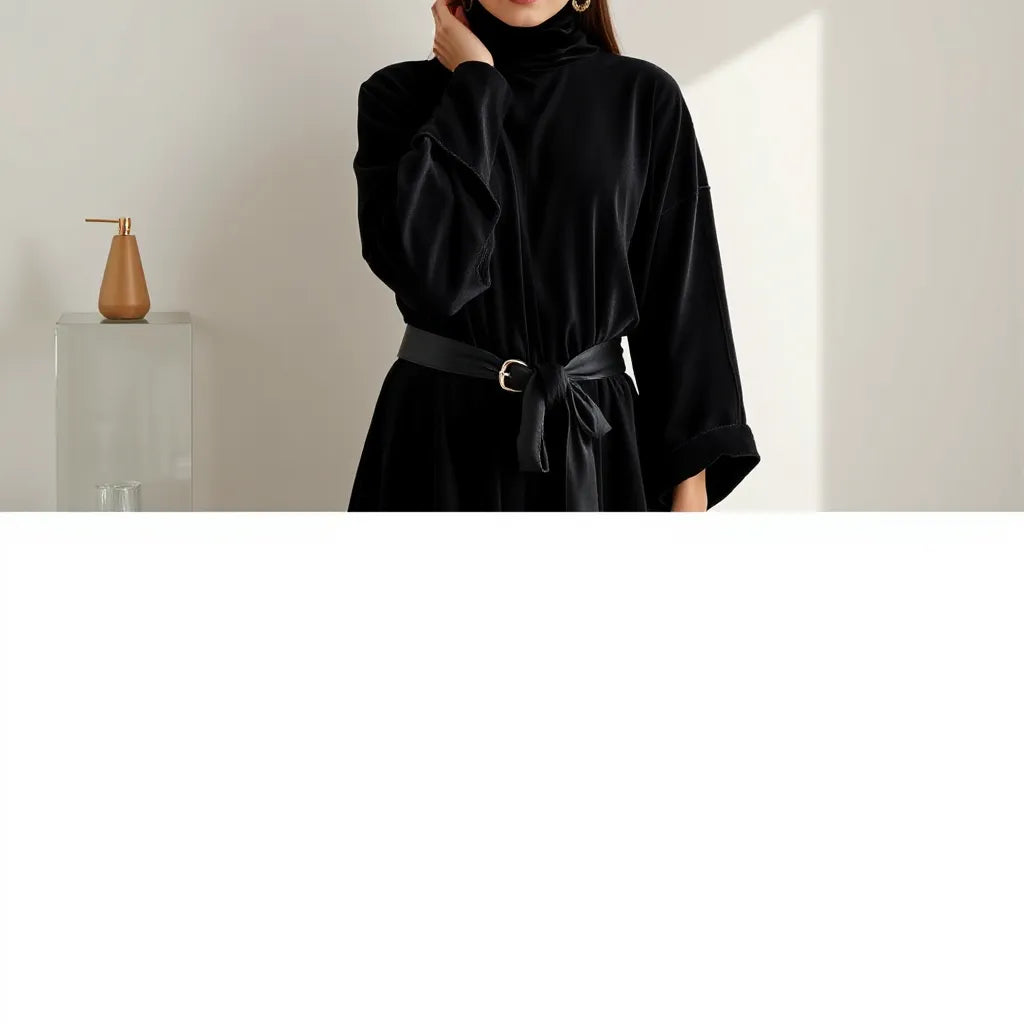
Early layering mindset for comfort

Layered fabrics visualized as gentle, flowing planes
Key Elements of Palestinian Cultural Clothing
Palestinian cultural clothing often communicates heritage through distinct choices in color, pattern, and construction. While styles vary across regions and communities, several design elements appear consistently. Understanding these elements helps you recognize authenticity and select pieces with intention.
1) Tailoring and silhouette
Many traditional garments rely on structured drape rather than fitted stretch. A well-tailored silhouette supports posture and creates a refined line, especially in thobes, dresses, and formal modest sets. When you shop, prioritize measurements that align with your natural proportions. Sleeves should allow movement without pulling at the shoulder seam.
2) Fabric selection and drape
Textile matters as much as design. Lightweight fabrics can create a soft frame around the face and shoulders, while sturdier weaves provide structure for everyday wear. For elegant head coverings, a fabric with balanced flow often enhances comfort and reduces friction. If you live in warm conditions, breathable layers help you maintain a polished appearance.
3) Embroidery and heritage detailing
Embroidery is one of the most recognizable expressions of cultural artistry. Hand-embroidery and traditional motifs often carry regional significance. When evaluating garments, look for even stitching, clean coverage, and secure attachment. Subtle details such as edging, cuffs, and neckline accents can elevate a simple silhouette without overwhelming it.
4) Color coordination
Color in Palestinian cultural clothing is typically chosen for harmony with skin tone and for visual depth across layers. Earthy tones, jewel tones, and soft neutrals often work together in a way that feels cohesive. Start with one anchor shade, then build contrast using complementary textures and embroidery highlights.
Sourcing, Fit, and Quality Checks
To select Palestinian cultural clothing with confidence, use quality checks that go beyond appearance. The goal is to choose pieces that keep their form, protect embroidery integrity, and feel comfortable after repeated wear.
Material and construction checkpoints
Seams and finishing: Inspect edges for neat stitching, especially around hems and necklines.
Fabric behavior: Hold the textile in your hands to assess drape and thickness. Chiffon-like fabrics should feel delicate but not fragile.
Color consistency: Check for even dye tone in lighting close to daylight.
Embellishment security: For embroidered sections, confirm that threads are intact and that there is no lifting at the border.
Fit validation for modest wear
Fit should support coverage without restricting movement. For hijabs, ensure the wrap style allows a stable drape at the jawline and at the back of the head. For thobes and dresses, verify shoulder width, sleeve length, and overall length for your comfort level. If your day includes sitting for long periods, choose garments that do not bunch at the waist or neckline.
Practical starting points from curated collections
If you are building a new modest wardrobe, you can begin with versatile head coverings and then expand into coordinated outfits. Consider these internal resources from Palestinian Elegance for a cohesive approach to coverage, fabric feel, and refined presentation:
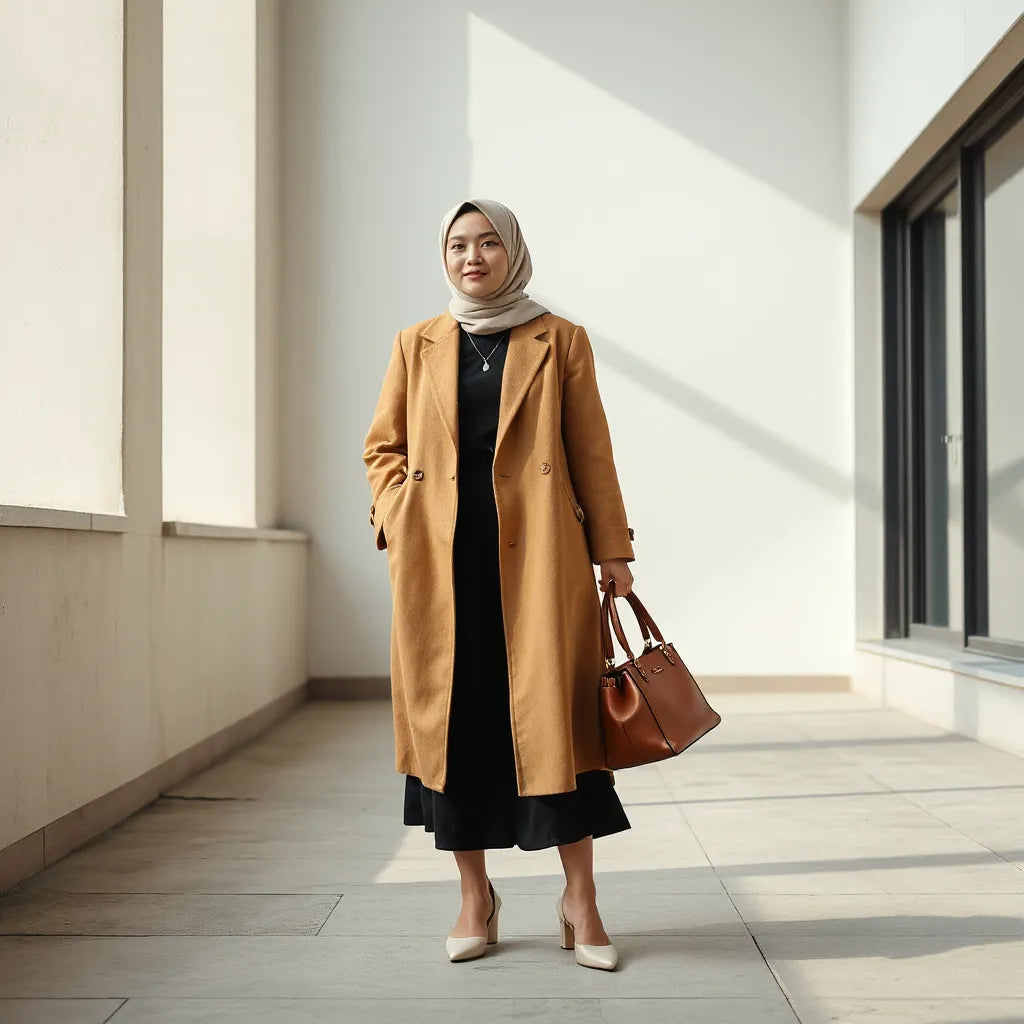
Middle-stage visual idea for cohesive styling

Neutral layers and embroidery accents arranged in harmony
Styling for Modern Life
Modern styling should not dilute heritage. Instead, it can highlight cultural details through thoughtful combinations. Use Palestinian cultural clothing as a foundation and let contemporary choices increase versatility: clean silhouettes, balanced color pairing, and practical layering.
Workday styling approach
For daily routines, prioritize comfort and stability. Use an inner layer that stays in place, then add an outer head covering with smooth drape. Choose a modest outfit with structured seams so the garment maintains shape throughout the day. If you want a polished look, select one focal detail, such as embroidery at the neckline or a coordinated color palette.
Evening and formal styling approach
For formal settings, elevate texture and finishing. A chiffon layer can create refined movement, while embroidery details provide visual depth. Ensure the garment fits properly at the shoulders and wrists, and confirm that the drape falls naturally when you move. For a complete look, coordinate the head covering tone with the garment base color, then allow embroidery accents to carry the rest of the visual story.
One product reference for visual direction
Chiffon Plain Hijab

This product is a practical choice for creating a soft, elegant layer that pairs well with modest silhouettes and heritage-inspired detailing.
If you also enjoy lifestyle styling in other domains, you may find additional perspective on visual harmony and presentation in Modern Pendant Lights A Guide To Elevating Style And Light. The design principle of balance applies across wardrobe and home aesthetics.
Care and Maintenance for Longevity
Proper care is essential for maintaining the beauty of Palestinian cultural clothing. When you protect fabric fibers and preserve embroidery structure, you extend the lifespan of each garment and keep your outfits looking intentional.
General care principles
Follow fabric-specific washing guidance. Delicate textiles require gentler handling than structured cotton blends.
Use appropriate water temperature. Hot water can harm fibers and affect color consistency.
Dry carefully. Air drying often helps maintain shape and reduces stress on seams.
Store with care. Keep garments away from high humidity and direct sunlight when possible.
Embroidery and embroidered accents
For embroidered details, avoid aggressive scrubbing. Instead, handle the fabric with patience and focus on gentle spot cleaning when needed. If the garment needs washing, secure any embroidered sections so they do not rub against other items. Allow embroidery to dry fully before storage to reduce the risk of moisture retention.
Chiffon and soft drape textiles
Chiffon-like fabrics benefit from careful handling. Use a gentle wash cycle when recommended and avoid wringing. If you steam garments, keep the steamer at a safe distance and test on a small area first. Ironing may flatten delicate drape, so consider steaming as a more fabric-friendly approach.
Head coverings and layering items
For hijabs and underscarf items, consistent care helps maintain softness and a clean appearance. Wash according to fabric type, especially for styles intended to hold their drape. If you wear head coverings daily, washing frequency should align with comfort needs while protecting fiber integrity.
FAQ
What makes Palestinian cultural clothing distinct from generic modest fashion?
Palestinian cultural clothing is distinct because it often reflects specific design traditions through tailoring, heritage-inspired motifs, and careful finishing. The emphasis is on craft quality and meaningful detailing rather than short-lived trends.
How do I choose the right head covering for Palestinian cultural clothing?
Select a head covering based on fabric drape, stability, and comfort at the jawline and back of the head. Pair it with a compatible inner layer for secure coverage, and choose colors that harmonize with the garment base tone and embroidery accents.
How should I care for embroidered garments to keep them looking fresh?
Handle embroidery gently by avoiding hard scrubbing and using spot cleaning when suitable. When washing is necessary, protect embroidered areas from friction and allow the garment to dry fully before storage. This approach helps preserve thread integrity and shape.
Closing Thoughts
Palestinian cultural clothing offers more than visual appeal. It is a structured, craft-centered way to express identity through textile choice, tailoring, and embroidery detail. When you choose pieces that fit well, coordinate thoughtfully, and receive proper care, you create a wardrobe that feels both refined and enduring. Start with one foundational item, build gradually, and continue learning what makes each garment meaningful.
Disclaimer: This article is for general informational purposes and does not provide guarantees about specific fit, fabric behavior, or durability for individual items. Always follow the care instructions provided for each garment.
The content in this blog post is intended for general information purposes only. It should not be considered as professional, medical, or legal advice. For specific guidance related to your situation, please consult a qualified professional. The store does not assume responsibility for any decisions made based on this information.