

Updated on: 2026-07-18
Palestinian women’s fashion blends timeless modest styling with distinctive craft details. It reflects heritage through embroidery, thoughtful draping, and carefully balanced silhouettes. When you understand key materials and fit principles, you can build a wardrobe that is both elegant and practical. This guide also addresses common myths, answers frequent sizing questions, and offers clear buying recommendations.
Product Spotlight | Myths vs. Facts | Materials and Fit Principles | Styling for Everyday and Events | Care and Maintenance | Final Recommendations
Product Spotlight
Modest dressing in Palestinian women’s fashion often begins with base layers that feel secure and comfortable, then moves into statement pieces that add texture and artistry. Look for hijab and inner options that support clean lines without unnecessary bulk. For outer styling, seek modest dresses, abayas, and thobes that balance structure with movement. High-quality finishes also matter: neat stitching, stable trims, and consistent embroidery enhance both durability and visual polish.
To shop with confidence, plan around your daily needs. If you want a smooth foundation, choose breathable inner layers and scarves designed to sit well. Then add a chiffon or heritage-inspired overlay for volume and drape. If you value a refined silhouette for formal settings, select a dress or thobe with disciplined lines and thoughtful detailing. These decisions make styling faster and reduce the need for constant readjustment.

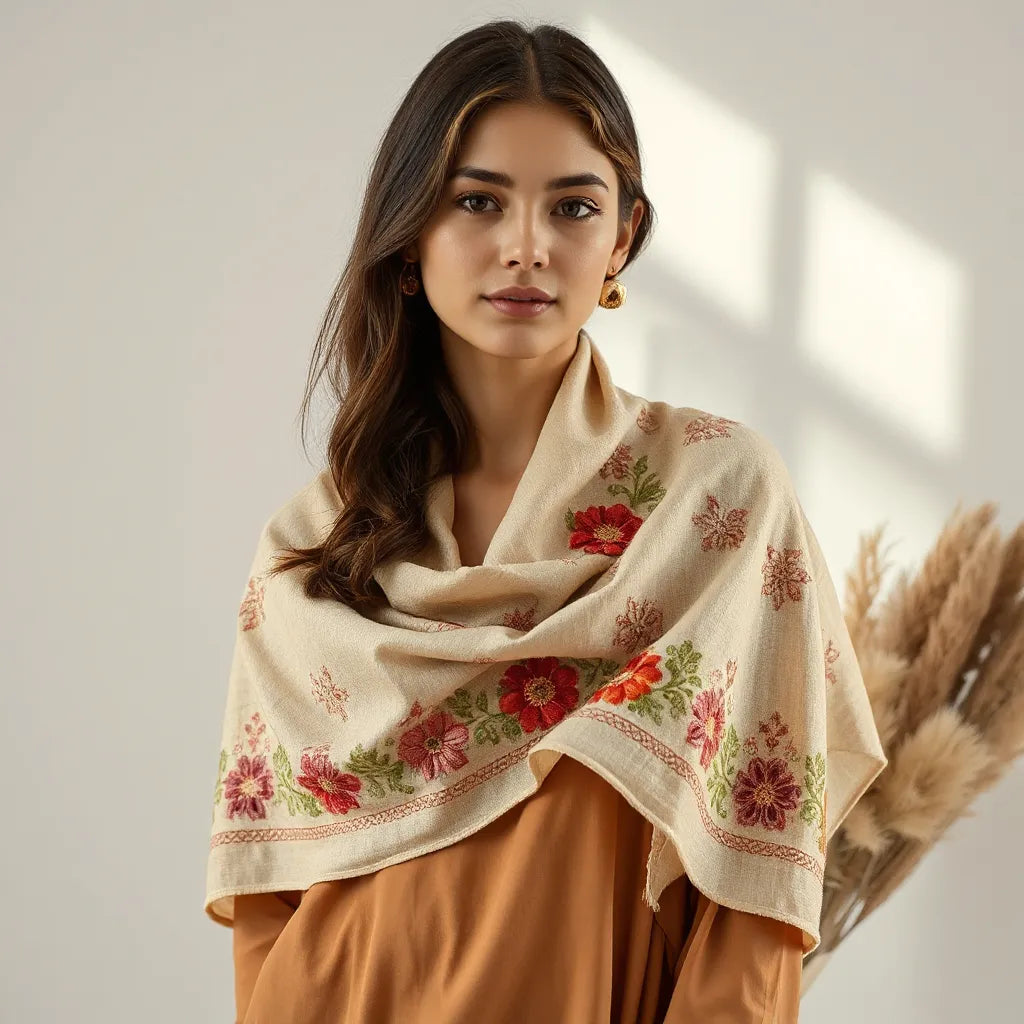
Embroidered textiles, drape lines, and color palette cues
Hijab foundations and graceful overlays
In Palestinian women’s fashion, the hijab is not only a covering; it is a key styling framework. A well-fitted underscarf helps prevent slipping and supports a tidy shape. For overlays, lightweight chiffon creates an elegant veil effect, while slightly denser fabrics can offer a more structured finish. When you match overlay weight to your hairstyle needs, you gain both comfort and consistency throughout the day.
If you are building a layered look, consider starting with a dependable inner layer such as an underscarf or inner hijab, then selecting a chiffon option for a softer flow. You can explore related options here: cotton underscarf bonnet and soft flow chiffon hijab. These choices support a clean drape without compromising modest comfort.
For those who prefer ready-to-wear structured silhouettes, explore bonnet styles that simplify setup and maintain shape. A practical example is a closed or open bonnet approach, depending on your comfort level and how you want the fabric to frame your face. You can review options such as closed bonnet hijab style when planning wardrobe staples.
Myths vs. Facts
Myth: Modesty means limited style choices.
Fact: Palestinian women’s fashion offers broad styling freedom. Modesty is guided by coverage and comfort, not by a narrow definition of beauty. You can express personality through color, texture, embroidery placement, and drape methods. Many garments support both casual and formal styling with small adjustments.
Myth: Only one fabric works for all seasons.
Fact: Fabric weight and weave matter. Breathable cotton supports warm-weather comfort. Chiffon and lighter blends deliver graceful movement, especially when you want an airy overlay. For cooler days, adding layers and choosing more stable textiles can help you maintain comfort without losing the intended silhouette.
Myth: Embroidery is fragile and requires special handling for every wear.
Fact: Quality embroidery is designed to last when cared for correctly. Gentle washing, air drying, and avoiding harsh rubbing protect threadwork and keep motifs crisp. If embroidery is on a dress, thobe, or decorative accent, treat it with the same care you would give any textured surface.
Materials and Fit Principles
The most flattering modest wardrobes come from smart fit, not from trends alone. Start with a simple question: does the garment feel secure and does it move with you? In Palestinian women’s fashion, comfort often comes from stable construction. For example, underscarf layers should feel snug enough to prevent shifting, while outer hijab fabrics should drape naturally without excessive friction.
Choose fabric by function
Different fabrics solve different problems. Cotton typically offers breathability and ease of care. Chiffon provides an elegant, light drape that elevates the look of many modest outfits. If you prefer a polished surface for formal wear, consider designs that maintain shape and reduce wrinkling through thoughtful finishing.
- Everyday comfort: prioritize breathable, skin-friendly inner layers and reliable closures.
- Visual refinement: prioritize fabrics with consistent weave and controlled sheen.
- Movement: prioritize drape that follows your natural motion without pulling or bunching.
Prioritize silhouette and seam behavior
When garments fit well, they create a calm outline. Watch how seams behave at the shoulders and neckline. In Palestinian women’s fashion, clean neckline framing helps the whole look appear intentional. For dresses and thobes, examine how the garment falls at the waist and hips. A small sizing difference can change how the outfit hangs, affecting both comfort and appearance.
Match drape to your hairstyle and activity
Some people prefer a smooth, close-fitting base before adding an overlay. Others enjoy a softer volume. The best approach depends on your daily routine. If you are commuting or working, a secure base layer reduces constant adjustments. If you are attending an event, you may prefer more visible drape and a fuller veil effect, as long as it stays comfortable during sitting and walking.
Styling for Everyday and Events
Modest dressing becomes simple when you treat styling as a system. Build outfits by combining a reliable foundation with a clear “hero” element: embroidery, a coordinated color palette, or a statement silhouette. In Palestinian women’s fashion, heritage details such as Tatreez-inspired work can function as the focal point, while the rest of the look supports it through balance.
Everyday styling: calm colors and easy layering
For daily wear, choose pieces that allow repeated use. Select neutral tones and add one texture element. A chiffon overlay can lift a basic outfit without requiring complex adjustments. Pair structured outerwear with soft inner layers to keep the silhouette neat.
For a streamlined approach, begin with an inner foundation and then add your chosen overlay. If you enjoy a two-piece system, it can help you create a consistent look across multiple days. You can browse options like a two-piece hijab design at Syrian cotton two-piece hijab for a straightforward setup.
Event styling: texture, proportion, and finishing details
For weddings, celebrations, and formal gatherings, focus on proportion. Choose an outfit that flatters your shape while allowing movement. If you select a piece with embroidery, keep accessories understated so the craftsmanship remains the focus. For evening looks, a refined overlay and a polished silhouette can create a cohesive, elevated effect.
Color coordination that honors heritage aesthetics
Color is a powerful tool in Palestinian women’s fashion. Choose palettes that complement your skin tone and coordinate with your event. Deep greens, warm neutrals, and soft earth tones can create an elegant result. Pairing a rich tone with a lighter overlay can also highlight texture and keep the look from feeling heavy.

Layered outfit silhouette with embroidery motif emphasis
Care and Maintenance
Proper care protects the look and longevity of modest garments, especially when they include fine textures or embroidery. Clean according to fabric type, store items neatly, and avoid habits that cause premature wear. With consistent maintenance, your wardrobe will remain elegant season after season.
Washing and drying guidelines
For delicate overlays such as chiffon, use gentle handling. Wash items carefully and air dry when possible. Avoid aggressive wringing, which can distort drape and weaken fine fibers. For cotton-based pieces, standard gentle care is usually sufficient, but you should still separate dark colors to reduce fading.
How to protect embroidery and textured trims
Embroidery often responds well to careful storage and minimal friction. Store garments flat when feasible, or fold them with soft tissue between textured areas. Before washing, consider turning pieces inside out if the construction supports it, which can reduce wear on the outer surface.
Storage habits that preserve shape
Keep hijabs and scarves away from heavy compression. Use proper folding or hanging methods that maintain the intended shape. If you use a bonnet style, keep it protected from snagging by using a dedicated garment bag. These small habits help maintain neat lines and reduce time spent reshaping before wear.
Final Recommendations
To build a wardrobe rooted in Palestinian women’s fashion, focus on four practical priorities: fit, fabric behavior, finishing quality, and care. Begin with dependable base layers that keep the silhouette stable. Then choose overlays and outerwear that match the occasion and your preferred level of structure. Look for thoughtful craftsmanship, including consistent stitching and clean embroidery execution, which tends to improve long-term wear.
When you shop, consider the full system rather than isolated pieces. A correct foundation reduces adjustment during daily movement. Coordinated textures create visual harmony without requiring constant styling effort. Finally, treat maintenance as part of the buying decision. If you can care for a fabric responsibly, you protect both appearance and value.
If you want to explore modest wardrobe building with a heritage-forward approach, you can browse the store collection at Palestinian Elegance. For specific foundation and drape options, review premium soft chiffon hijab and a structured bonnet style such as open bonnet hijab style.
Frequently Asked Questions
How do I choose the right hijab fabric for comfort?
Start with your daily routine. For warmer conditions, select breathable textiles such as cotton-based options for the base, and light overlays for softness. For structured events, choose fabrics that maintain drape and hold shape through movement. If you experience slipping, prioritize a secure inner layer and a fit that stays stable around the head and neckline.
What is the best way to prevent hijab bunching?
Bunching usually comes from mismatched layers, excess fabric, or an unstable foundation. Use a well-fitted underscarf or bonnet to create a controlled base, then place the overlay with even distribution. If the overlay fabric is very light, ensure it is layered with sufficient coverage so it follows the intended line rather than collapsing into folds.
How should I size a modest dress or thobe for a flattering fit?
Choose a size based on your measurements and how you want the garment to sit at the waist, hips, and shoulders. If you prefer a cleaner outline, select a size that supports smooth seam behavior and avoids tight pulling. If you plan to wear an inner layer, consider how fabric thickness may affect overall fit at the neckline and sleeves.
How can I keep embroidery looking crisp over time?
Wash gently and avoid harsh friction. Air drying helps preserve thread structure and fabric drape. Store pieces away from compression and snagging, and consider folding with protective layering between textured areas. With consistent care, embroidery can remain visually sharp through repeated wear.
Q&A Section
Can Palestinian women’s fashion be worn in different settings without changing the entire wardrobe?
Yes. Many outfits can transition across settings by adjusting the overlay, adding or removing an outer layer, and selecting a garment with the right level of structure. A solid foundation layer supports multiple looks, while one heritage-forward focal detail helps an outfit feel event-ready without requiring a full wardrobe replacement.
What should I look for when buying an underscarf or inner hijab?
Select a base that fits securely without excessive pressure. The goal is stability at the head and neckline so the overlay sits correctly. Prioritize breathable materials and dependable construction, including seams that do not create uncomfortable rubbing points.
Are chiffon overlays suitable for everyday use?
Chiffon overlays can be suitable for everyday wear when you pair them with a secure inner foundation. Choose a drape weight that feels comfortable during movement and use styling methods that reduce constant readjustment. For daily practicality, aim for a look that remains neat while still offering softness.
How can I build a cohesive color palette across outfits?
Start with a few reliable neutrals and add one accent color that reflects your personal preference. Then choose overlays that complement the base rather than competing with it. Consistent undertones and controlled contrast help the overall wardrobe feel intentional and elegant.
About the Author Section
Sulieman Alhazma
Sulieman Alhazma is a fashion and wardrobe strategist with a focus on modest styling and artisan-led craftsmanship. With expertise in Palestinian women’s fashion, Sulieman emphasizes practical fit, fabric intelligence, and heritage-informed design choices. This guide reflects a professional approach to building wardrobes that look refined and feel comfortable. Thank you for reading, and may your next outfit feel both confident and meaningful.
Disclaimer: This article is for general informational purposes only. Fabric behavior and fit can vary by individual preferences and garment construction. Always follow care instructions on product labels and verify measurements before purchase.
The content in this blog post is intended for general information purposes only. It should not be considered as professional, medical, or legal advice. For specific guidance related to your situation, please consult a qualified professional. The store does not assume responsibility for any decisions made based on this information.