

Updated on: 2026-05-08
The Queen Majdalavi Heritage Tobi represents a refined approach to traditional dress, with careful attention to craftsmanship and visual balance. This guide explains how to select the right fit, care for fabric, and coordinate modest styling with complementary accessories. You will also find practical answers to common questions about authenticity cues, seasonal wear, and styling for everyday settings. Use the next steps to build a durable wardrobe plan that preserves heritage while supporting modern comfort.
Queen Majdalavi Heritage Tobi: A Heritage-Inspired Wardrobe Focus
Traditional Palestinian dress remains relevant because it carries visual memory, regional identity, and artisan-level skill. The Queen Majdalavi Heritage Tobi is a strong example of how heritage design can be worn with modern intention. It can support a composed look for everyday moments, family gatherings, and ceremonial settings. At the same time, it invites thoughtful choices around fit, textile behavior, and styling coordination so the garment performs well across real-life use.
In this post, you will learn a practical method to evaluate the Queen Majdalavi Heritage Tobi, select complementary modest wear, and maintain quality over time. The goal is simple: help you wear heritage with confidence, without sacrificing comfort or design integrity.
How-To Guide
Step 1: Assess occasion and desired silhouette
Begin by identifying the setting. A heritage-inspired thobe-style garment should reflect the level of formality, the time of day, and the movement needs of your routine. Decide whether you prefer a more structured appearance or a softer drape. The Queen Majdalavi Heritage Tobi can be styled to feel balanced and polished when the silhouette aligns with your proportions.
Step 2: Evaluate fabric and finishing
Next, evaluate how the textile behaves. Look for signs of stable weave and clean edge finishing. Fabric that holds its shape typically supports a neater appearance through wear. Pay attention to internal construction and any visible seams, since strong finishing reduces twisting and improves comfort. If you plan for warm seasons, prioritize textiles that breathe well and feel smooth against the skin.

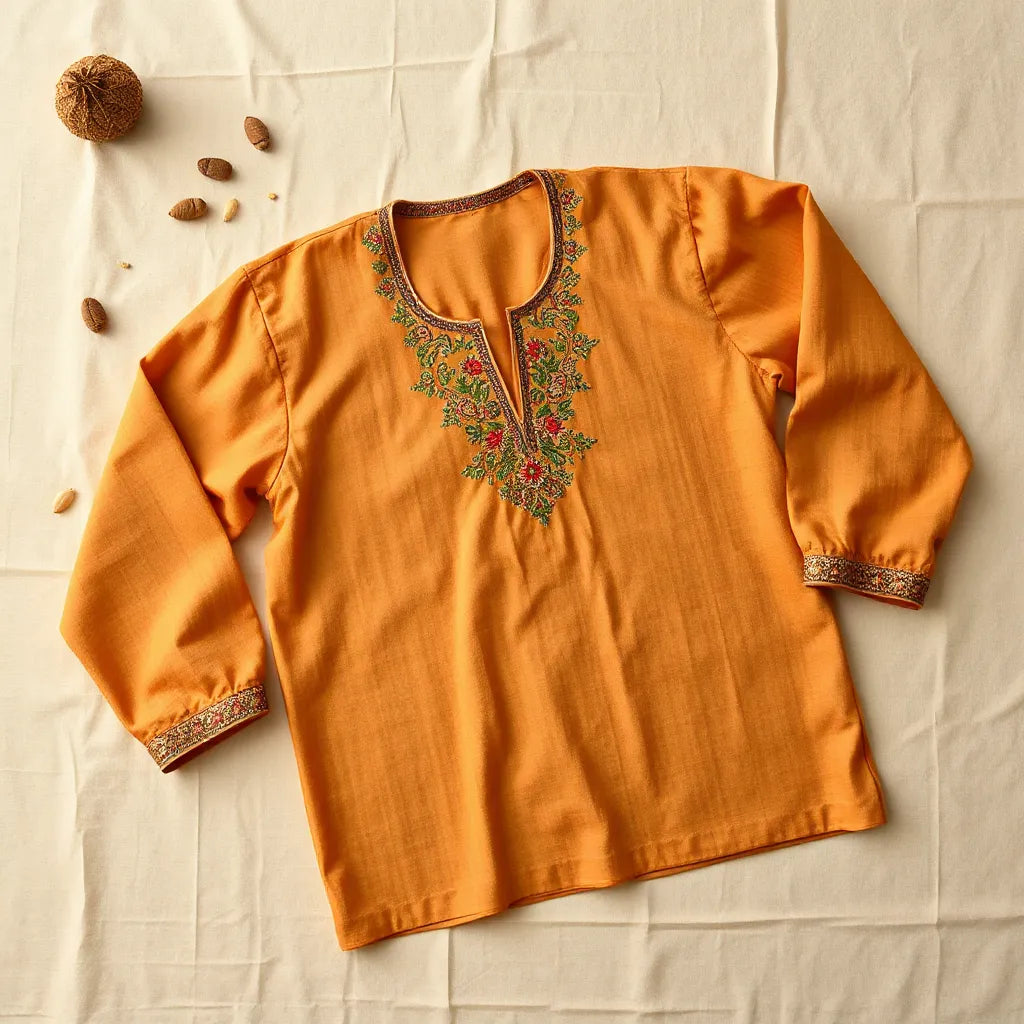
Fabric weave, stitching lines, and calm drape visuals
Step 3: Confirm craftsmanship details
Heritage value usually shows in small, deliberate work. Examine decorative placement for symmetry and consistency. Consider the quality of embroidery or textile detailing, including how cleanly patterns are formed and how evenly accents are distributed. The Queen Majdalavi Heritage Tobi is best appreciated when craftsmanship looks intentional from multiple angles, not only from the front.
Step 4: Plan modest styling and layering
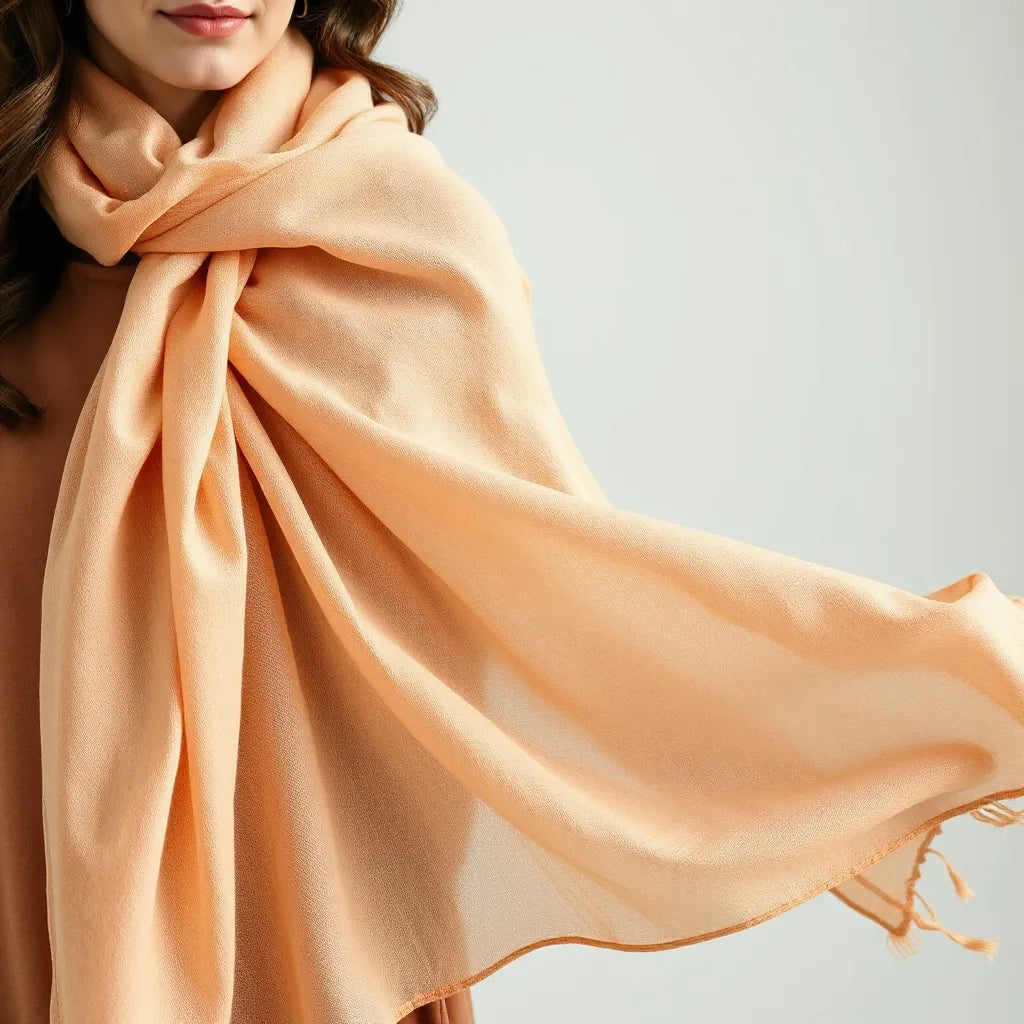
After you confirm garment quality, build a modest styling plan. Coordinated layers help you achieve a refined look while keeping comfort high. For head and neck coverage, select an underscarf or inner layer that stays secure and smooth. For a light outer hijab, choose a fabric with a clean fall that does not add unnecessary bulk.
Many shoppers match thobe-style heritage looks with a structured inner base and a complementary outer layer. Consider browsing modest essentials such as an cotton underscarf bonnet for secure coverage or a soft chiffon hijab for an elegant drape. If you prefer a more traditional head form, a closed bonnet style can support a neat contour under layered looks.
When styling, aim for contrast that respects the garment. If the thobi has visible detailing, select headwear with restrained texture. If the outfit is more minimal, you may add depth through subtle embroidery or a gently patterned accessory, keeping the overall visual rhythm coherent.
Step 6: Establish care and storage habits
Quality garments last longer when cared for correctly. Always follow the product care guidance on your garment label. In general, store heritage textiles flat or gently folded to prevent strain on decorative areas. For daily wear, air the garment before storage to reduce odor buildup. Use protective garment bags if you keep items in long-term storage, and avoid high heat exposure that can alter fiber behavior.
If your garment includes hand-embroidery or detailed accents, treat it with additional care. Wash separately when possible, and use gentle cycles. Avoid harsh detergents that can dull color and affect textile texture. Consistent care protects the aesthetic of the Queen Majdalavi Heritage Tobi and helps preserve its visual integrity over time.

Layering plan: scarf folds, inner base, and storage symbols
Common Questions Answered
What makes the Queen Majdalavi Heritage Tobi distinct?
The distinctiveness often lies in the overall design balance and the visible quality of finishing and detailing. A heritage-focused thobi is typically recognized by careful pattern placement, thoughtful proportions, and consistent workmanship. When the textile and finishing work together, the garment reads as intentional rather than improvised.
How should I style the Queen Majdalavi Heritage Tobi for everyday use?
For everyday wear, keep the styling practical and composed. Choose a stable inner base for head coverage and a light outer layer that drapes cleanly. Opt for understated accessories that do not compete with the garment detailing. If your look includes a decorative headpiece, select a simpler color palette so the overall outfit remains visually calm.
How can I check quality without relying on marketing language?
Use a functional checklist. Inspect seam alignment, examine decorative edge work for cleanliness, and assess how the fabric lies when the garment is moved gently. Quality is often visible in consistency: patterns should appear even, and finishing should avoid loose threads or uneven transitions. A garment that feels well-constructed and stable is typically easier to wear for extended periods.
What is the safest way to care for a heritage-style thobi?
Follow the care instructions on the garment label, and default to gentle handling for decorative sections. Wash with care, avoid harsh chemicals, and store items in a way that prevents stress on embellishments. Regular airing and proper folding help maintain shape and reduce friction-related wear.
Summary & Next Steps
The Queen Majdalavi Heritage Tobi offers a heritage-forward approach to modest dressing, supported by craftsmanship and thoughtful visual balance. You can wear it confidently by matching the silhouette to the occasion, evaluating textile behavior and finishing, confirming craftsmanship consistency, and planning a layered modest look. Quality longevity also depends on routine care and storage that protects decorative areas.
Next, consider building your wardrobe foundation around reliable inner coverage and complementary hijab textures. Start with a secure underlayer such as an inner hijab option, then add a hijab with the right drape for the season. If you want a more structured head contour, an tie bandana can support a tidy everyday silhouette.
As a final step, review the care habits you plan to maintain. Consistent washing routines, gentle handling, and careful storage preserve heritage design for years, not just for one season.
About the Author
Sulieman Alhazma is a fashion specialist focused on modest wear and heritage-inspired craftsmanship. With experience in evaluating textile quality, artisan finishing, and practical styling methods, Sulieman supports customers in building wardrobes that balance tradition and daily comfort. The guidance in this article reflects a quality-first approach to selection and long-term care. For personalized styling support, approach every purchase with your routine and comfort goals in mind.
Disclaimer: This article provides general guidance for styling, selection, and garment care. Product specifications, fabric behavior, and care instructions vary by item. Always review the garment label and official care guidance before washing or storing.
The content in this blog post is intended for general information purposes only. It should not be considered as professional, medical, or legal advice. For specific guidance related to your situation, please consult a qualified professional. The store does not assume responsibility for any decisions made based on this information.