

Updated on: 2026-05-11
This guide explains what makes a Royal Olive Heritage Thobe a refined choice for everyday wear and special occasions. You will learn practical selection criteria, including fabric behavior, tailoring details, and care methods that protect the garment’s character. Common myths about olive tones, traditional styling, and comfort are clarified with clear facts. You will also receive styling ideas that align with modest fashion standards without sacrificing elegance.
4. How to Choose a Royal Olive Heritage Thobe
5. Styling with Olive Tones and Timeless Lines
6. Care and Maintenance for Long-Lasting Wear
Introduction
The Royal Olive Heritage Thobe blends cultural design sensibility with modern expectations for comfort, presentation, and durability. A thobe is more than a garment; it is a daily statement of identity, craftsmanship, and respect for heritage. Olive tones, in particular, offer a calm and balanced visual effect that complements many skin undertones and works well across seasons. When you choose a heritage-inspired thobe, you are also choosing garment construction that should hold its shape, keep its finish, and remain visually elegant over time.
In this article, you will learn how to evaluate fabric drape, embroidery placement, seam quality, and overall tailoring when shopping for a Royal Olive Heritage Thobe. You will also find guidance on pairing options, from inner layers to headwear, plus care steps that reduce wear while preserving details.
Myths vs. Facts
- Myth: Olive thobes look dull and do not match formal styling. Fact: Olive is a versatile neutral that reads refined, especially when paired with well-chosen accessories and clean, structured layers.
- Myth: Heritage design means the garment is uncomfortable. Fact: Thoughtful tailoring and quality textiles can support comfort and ease of movement while maintaining a distinctive silhouette.
- Myth: Thobe details are delicate and cannot survive regular wear. Fact: With correct washing practices and proper drying, decorative elements can remain crisp and presentable.
- Myth: Color selection is purely personal and does not affect perceived quality. Fact: Color consistency, finish, and undertone depth influence how premium the garment appears in natural lighting.
Personal Experience
I remember the moment I saw an olive-toned thobe styled for a family gathering. The first impression was not only the color, but the way the garment fell with calm structure. The neckline looked balanced, the lines appeared clean from a distance, and the overall look felt intentional rather than overstated. Later, when the wearer moved through the room, the fabric continued to drape smoothly instead of pulling or twisting.
That experience changed how I evaluate thobes. I now look beyond appearance and focus on how the garment behaves: how it breathes, how it holds its shape, and how it maintains a polished look when worn repeatedly. These are the same criteria that help customers choose a Royal Olive Heritage Thobe with confidence.

Olive color swatches with calm drape lines
How to Choose a Royal Olive Heritage Thobe
Choosing a thobe is easiest when you use a structured checklist. The goal is to confirm that the garment matches your daily needs and your expectations for long-term wear. Below are practical areas to evaluate.
1) Fabric drape and breathability
Begin with how the textile falls on the body. A well-made thobe should create smooth vertical lines without excessive cling. For warm and transitional seasons, look for fabrics that support air circulation and feel comfortable during movement. If the thobe uses a blend or a specific weave, confirm that it does not feel overly stiff at the shoulders or wrists.
Olive tones can show surface texture differently than lighter colors. If the fabric has subtle variation, it can enhance the heritage look. If the surface is too rough, it may feel abrasive during extended wear. Prioritize comfort and a refined finish.
2) Tailoring at the neckline and shoulders
The neckline and shoulder construction define the overall silhouette. A Royal Olive Heritage Thobe should have an even opening, stable shoulder seams, and a neckline that sits neatly without frequent adjustment. Check whether the seams look consistent and whether the fabric lies flat around the collar area.
3) Sleeve shape and cuff behavior
Sleeves influence daily comfort and presentation. Sleeves that are too narrow restrict movement, while sleeves that are too wide can appear untidy. The cuff area should be proportionate and should help the garment maintain a clean outline.
4) Heritage detail placement
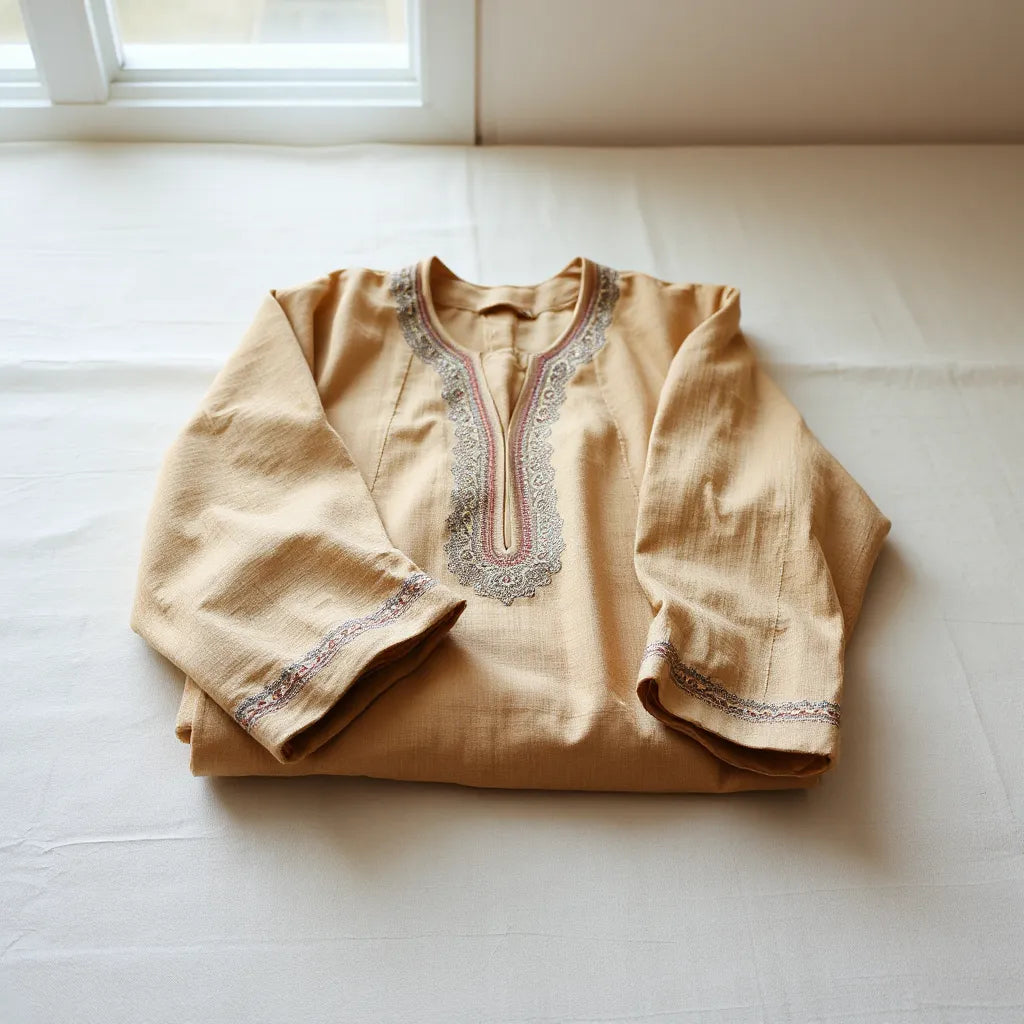
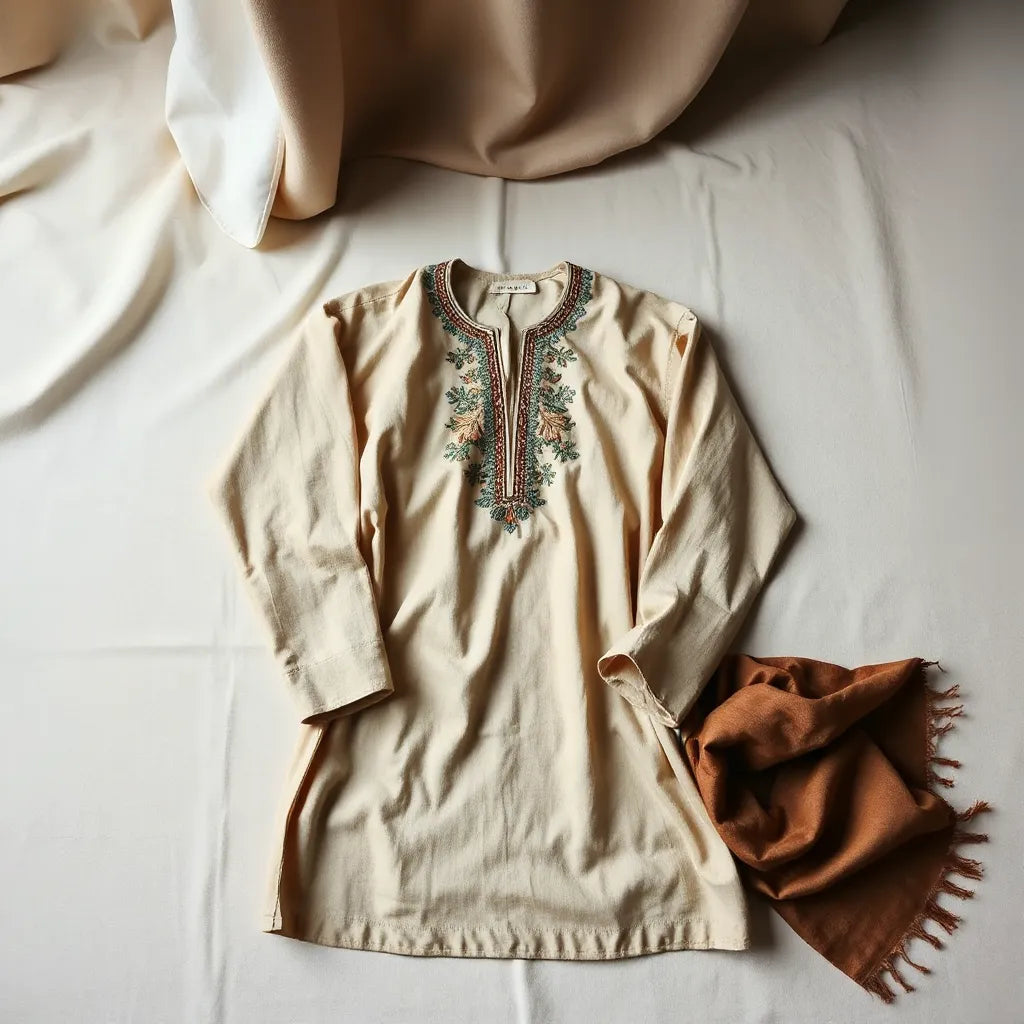
Heritage styling is strongest when details feel integrated rather than random. Look for consistent placement, neat finishing, and balanced spacing. Embroidery or decorative motifs should align with the thobe’s lines, especially near the chest area and front panels. When the decorative elements are aligned with the garment’s structure, the look appears more premium.
5) Color tone consistency
Olive can range from deep, forest-like shades to lighter, muted variations. Choose a tone that harmonizes with your wardrobe. A royal olive family shade often provides a formal feeling without being overly dark. In daylight, a higher-quality dye finish typically appears consistent across panels. If you notice patchiness or uneven color separation, consider it a warning sign.
For customers who also build a complete modest wardrobe, pairing choices matter. An appropriate underlayer can improve comfort and help the thobe sit correctly. If you want an underlayer option that supports a clean foundation, you may explore cotton inner styles such as cotton inner hijab for layering comfort, even though it is designed for headwear use. The same principle applies: a stable, breathable base helps garments maintain a refined fit.
Styling with Olive Tones and Timeless Lines
Styling a heritage-inspired thobe should feel coherent, not forced. Olive tones naturally pair with warm neutrals, deep browns, and classic black accents. The objective is to maintain balance between fabric weight, visual texture, and finishing details.
1) Choose coordinating headwear with complementary undertones
Headwear selection affects the perceived tone of the thobe. If your olive thobe has a darker undertone, a deep complementary headwear shade often enhances the overall look. If the thobe is lighter, a softer tone can prevent the outfit from feeling heavy.
Many customers prefer headwear that aligns with modest styling. If you want to explore artisan-focused headwear options, you may review collections such as open bonnet styles for a secure base under longer wraps.
2) Create a layered effect without visual clutter
Layering can add depth, but it should be controlled. A thobe’s strength is its vertical elegance. If you add extra volume at the top, ensure it does not distort the silhouette. Clean lines at the neckline and shoulders allow decorative elements to remain the focal point.
3) Use subtle accessories that respect heritage aesthetics
Accessories should support the garment, not compete with it. A simple belt or understated detailing can refine the waistline. If you incorporate a bag or additional items, choose textures that complement the thobe finish. Avoid overly shiny finishes that can clash with a heritage matte look.
4) Pair with modest outer layers when needed
In cooler conditions, an outer layer can help the outfit feel complete. For example, a structured outer piece can improve proportion and maintain comfort. If you prefer modern modest sets, you may also explore luxury open abaya sets to study how layering maintains a balanced silhouette.

Layered neutrals showing balanced silhouettes and tones
Care and Maintenance for Long-Lasting Wear
Proper care helps a heritage-inspired thobe maintain its shape, color depth, and visual neatness. Care routines should match the textile and the type of decorative finishing. The goal is to minimize stress on seams, preserve dye integrity, and protect decorative areas.
1) Read garment care instructions and prioritize gentle handling
Always follow the specific care guidance provided for the garment. In general, gentle washing practices tend to protect both fabric and decorative elements. If the thobe includes embroidery or structured details, treat it with extra care during washing and drying.
2) Wash with color-safe methods
Olive tones rely on stable dye performance. To reduce fading, use color-safe detergents and avoid overly hot water. If possible, wash similar colors together and avoid mixing with garments that may shed dye.
3) Drying and ironing strategy
Dry the thobe thoroughly while protecting it from excessive heat. When ironing is needed, use moderate temperature and iron with care to preserve the textile finish. If the garment has decorative areas, iron around them rather than directly pressing the most detailed sections.
4) Storage that protects structure
Store the thobe in a clean, dry space away from direct sunlight. Sun exposure can soften dyes and alter undertones over time. Use hanging or folding techniques that match the garment structure. If you fold it, ensure the decorative sections are not crushed under other items.
5) Spot care for small stains
For light marks, spot care is often more effective than full washing. Use appropriate mild methods and test on a concealed area when possible. This reduces wear cycles and helps preserve the garment’s longevity.
From an overall wardrobe perspective, a stable modest routine makes caring for garments easier. Many customers find it helpful to maintain an underlayer system with consistent materials and proper fit. If you use inner headwear frequently, exploring base options such as cotton under-scarf and bonnet styles can reduce friction and improve comfort for repeated wear, even though it is not directly part of thobe care.
Final Thoughts & Takeaways
A Royal Olive Heritage Thobe is a strong choice when you want heritage-inspired design with dependable comfort and a polished appearance. The best results come from evaluating fabric drape, tailoring structure, and heritage detail placement, then choosing a color tone that harmonizes with your existing wardrobe. When you care for the thobe using gentle washing, careful drying, and thoughtful storage, you protect both the textile and the visual character that makes the garment feel meaningful.
If you are building a consistent modest wardrobe, remember that coordination matters. A complete look is created by how layers work together, not only by the thobe alone. Choose headwear and inner layers that support comfort and help the overall outfit maintain clean lines.
Q&A Section
How should a Royal Olive Heritage Thobe fit for comfort and presentation?
A well-fitting thobe should allow easy movement through the shoulders and sleeves while keeping the silhouette neat. The neckline should sit evenly without frequent adjustment, and the sleeve shape should be proportionate to your arm movement. If the garment pulls at seams or twists at the shoulder, consider a different size or a more structured tailoring option.
Does olive tone depend on lighting when choosing a thobe?
Yes. Olive undertones can shift slightly between daylight and indoor lighting. That is why it is helpful to evaluate the garment under natural light when possible. A high-quality dye finish typically appears consistent across panels, with depth that remains stable throughout the fabric.
What is the safest care routine for heritage-inspired details?
Use gentle washing methods designed to preserve textile integrity, and avoid aggressive heat during drying or ironing. For decorative areas, treat them with extra caution by reducing direct pressure and using moderate settings. When in doubt, follow the garment-specific instructions provided by the manufacturer.
Are there styling rules for pairing olive thobes with headwear?
The most effective approach is tonal harmony. Choose headwear that complements the undertone of the thobe and supports modest layering without adding excessive volume. Neutral, classic shades usually create a balanced effect, while deeper tones can enhance the formal character of olive.
About the Author
Sulieman Alhazma is a fashion and modest wear specialist with expertise in heritage-inspired textiles, thoughtful wardrobe styling, and quality assessment for artisan-made garments. He focuses on helping customers make informed choices that align with comfort, longevity, and cultural aesthetics. His approach prioritizes practical guidance and respectful appreciation for craftsmanship. Thank you for reading, and may your next garment choice feel confident and well-considered.
Disclaimer: This article is for general informational purposes and does not replace garment-specific care instructions or professional tailoring advice. Product availability, finishes, and measurements can vary by collection.
The content in this blog post is intended for general information purposes only. It should not be considered as professional, medical, or legal advice. For specific guidance related to your situation, please consult a qualified professional. The store does not assume responsibility for any decisions made based on this information.