
Updated on: 2026-08-10
The embroidered kaftan collection brings artisan-made elegance to everyday modest styling. Each piece is designed to balance refined decoration with comfortable movement. You can style it for warm-weather gatherings, cultural events, or quiet family days. When you understand stitching quality, fabric behavior, and fit principles, selecting the right kaftan becomes straightforward. This guide explains how to choose, style, and care for your embroidered kaftan with confidence.
1. Product Spotlight
2. Myths vs. Facts
3. How to Choose the Right Embroidered Kaftan
4. Styling Ideas for Different Occasions
5. Care and Maintenance for Tatreez Detail
6. Final Recommendations
7. Q&A
Embroidered Kaftan Collection: A Modern Wardrobe Essential with Tatreez Heritage
The embroidered kaftan collection is an elegant way to incorporate traditional Palestinian-inspired hand-embroidery into modern modest wear. A well-made kaftan offers coverage, ease of movement, and a refined visual story through stitching, texture, and color harmony. Unlike mass-produced garments, artisan craftsmanship adds depth that becomes more noticeable the closer you look.
In this article, you will learn how to evaluate embroidery quality, select the most flattering silhouette, and style your kaftan across different settings. You will also find practical care guidance to help maintain the integrity of tatreez detail. If you are building a capsule wardrobe, the right embroidered kaftan becomes a versatile centerpiece that works with both casual and dressed-up styling.
Product Spotlight
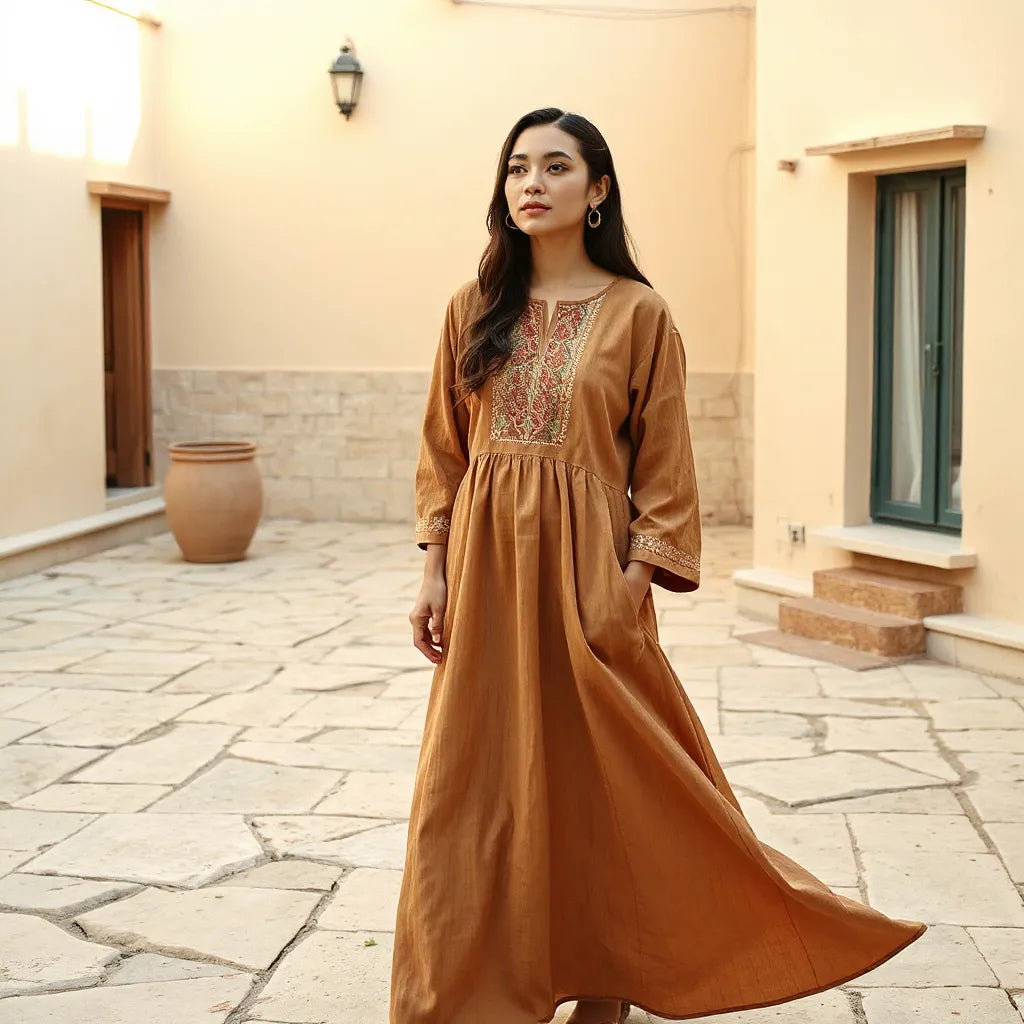
When shoppers browse an embroidered kaftan collection, they are often drawn to the visible craftsmanship. The most compelling pieces typically feature dense tatreez-inspired embroidery placed with intentional spacing, balanced across the neckline, front panels, or sleeves. You may also notice thoughtful finishing details such as clean edges, steady seams, and a design that retains shape after wear.
From a styling perspective, kaftans are respected for their forgiving fit. They drape instead of clinging, which helps create a calm, polished outline. Fabric choice matters as well. Breathable weaves and soft knits support day-long comfort, while embroidery placement can add visual structure without limiting movement.

Close-up motifs, balanced spacing, flowing drape fabric
To make a confident purchase, evaluate the embroidery pattern rhythm and coverage. Look for motifs that appear cohesive rather than scattered. Check that threads sit neatly and do not loosen along high-friction areas like cuffs. In addition, consider whether the kaftan design includes subtle color transitions that harmonize with your existing wardrobe palette.
If you enjoy coordinated modest looks, you may also want to explore pairing options. For example, a complementary head covering can strengthen the overall color story when the kaftan embroidery features warm or botanical tones. You can view modest wear resources on premium soft chiffon hijab to see how lightweight drape can complement embroidered garments.
Myths vs. Facts
Myth: Embroidery always makes a garment heavy
Fact: Good embroidery is designed to remain wearable. Density and placement determine weight. Many artisan kaftans use embroidery in focused zones so the garment still moves freely. The result is a piece that looks rich without becoming uncomfortable.
Myth: Kaftans are only for formal events
Fact: Kaftans can be styled for daily life. When you choose a silhouette that suits your comfort and pair it with simple accessories, the embroidery becomes a tasteful focal point rather than a costume-like statement.
Myth: Any embroidered kaftan will match every outfit
Fact: Color and motif scale affect how easily a garment blends into your wardrobe. A kaftan with bold contrast embroidery pairs best with solid basics. A subtler design with tonal stitching can adapt to both monochrome and lightly patterned accessories.
How to Choose the Right Embroidered Kaftan
Selecting the right embroidered kaftan collection item is about aligning design details with your personal needs. Use the following criteria to make the decision simple and accurate.
Fit and silhouette that supports your comfort
Kaftans should drape comfortably. Consider shoulder width and sleeve shape, as these define your movement. If you prefer a more structured profile, look for designs with stable panels. If you prefer softness and fluidity, choose a silhouette that allows the garment to fall in natural folds.
Embroidery quality and pattern coherence
Quality embroidery typically shows even stitching and consistent thread tension. Motifs should appear intentional, with clean outlines and balanced spacing. Avoid pieces where embroidery looks raised unevenly or where threads appear to snag along seam lines.
Fabric behavior across the day
A practical kaftan feels good in motion. Consider whether you want more breathability for warm-weather days or a slightly denser fabric for cooler evenings. Also evaluate how the fabric reacts to handling; it should not twist excessively or create unpredictable clinging.
Color story and styling flexibility
Embroidery often carries color cues from the motifs. Choose a kaftan whose dominant tones complement your existing accessories and modest basics. If you plan to wear the piece often, prioritize a palette that can transition between daytime and evening styling.
If your wardrobe includes hijab styles, think about compatibility in drape and weight. Lightweight head coverings often pair well with richly textured garments because the overall look stays balanced. You can also consider coordinated options by viewing Lycra Alamera hijab for a smooth foundation under structured looks.
Styling Ideas for Different Occasions
An embroidered kaftan collection piece can be adapted with accessories, underlayers, and footwear. The goal is to let embroidery lead while keeping the rest of the outfit purposeful.
Casual daytime elegance
For errands or family visits, pair your kaftan with minimal accessories. Choose a simple belt if you prefer gentle shaping, but keep it subtle so the embroidery remains the focal point. Select flat or low-profile footwear to maintain comfort. A lightweight head covering with soft movement can complete the ensemble without competing with embroidery texture.
Evening gatherings with a refined outline
For a more dressed-up mood, increase contrast through accessories rather than adding more patterns. A solid clutch, refined earrings, and a polished scarf drape can elevate the overall presence. When the kaftan embroidery is detailed, avoid overly busy add-ons. Instead, select clean lines and consistent metal tones.
Cultural events and heritage styling
When you wear a kaftan with tatreez detail, your styling can reflect heritage through color intention. Choose jewelry that complements the embroidery thread tones. Consider a head covering that aligns with the kaftan’s undertones, such as warm neutrals, deep greens, or soft earth colors. The result feels cohesive and respectful without needing excessive embellishment.

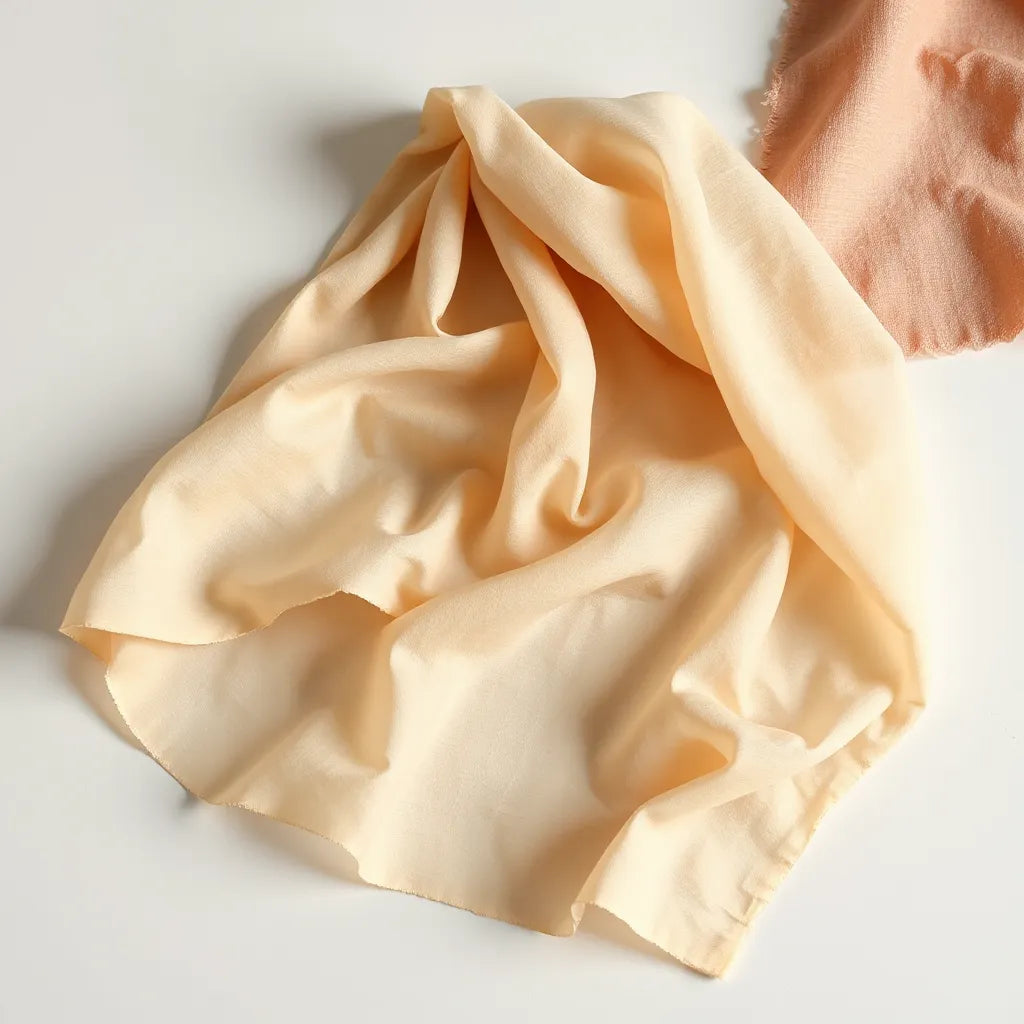
Color palette planning with matching tones and drape
To further simplify pairing decisions, think in categories: one dominant tone from the kaftan embroidery, one neutral base for balance, and one accent color for a controlled highlight. This method reduces guesswork and supports repeat wear.
Layering for modest coverage
Layering can make an embroidered kaftan more functional in changing temperatures. Choose underlayers that stay smooth and do not create bulky seams. A well-chosen underscarf helps manage comfort and prevents friction along embroidery edges. If you want a reliable underlayer approach, you may review underscarf bonnet cotton seam to see how thoughtful construction supports a comfortable fit.
Care and Maintenance for Tatreez Detail
Embroidery deserves attention because threads and stitches can be sensitive to heat, abrasion, and harsh detergents. A consistent care routine helps preserve color, texture, and garment structure.
Washing guidelines that protect stitching
Whenever possible, follow the care instructions associated with your specific kaftan. In general, wash embroidery pieces gently. Turn the garment inside out to reduce direct friction between embroidery threads and other fabrics. Use mild detergent and avoid aggressive scrubbing over embroidered motifs. If you hand-wash, keep water temperature moderate to reduce stress on the threads.
Drying and pressing without distortion
Air drying is typically the safest approach. Lay the garment flat if possible to minimize stretching. When pressing, use gentle heat and avoid direct contact between the iron and embroidered sections. Instead, place a thin protective cloth barrier to reduce the risk of thread shine or flattening.
Storage to prevent snagging and color fading
Store your embroidered kaftan collection piece in a breathable garment bag. Keep it away from sharp objects and jewelry that can snag threadwork. For long-term storage, ensure the garment is completely dry before packing. Proper storage helps maintain the embroidery’s crispness and the fabric’s drape.
Wearing habits that reduce wear
Gentle handling matters. If you carry a bag with metal edges, be mindful of contact with embroidery areas. When possible, choose accessories with smooth finishes. These small habits extend the life of hand-embroidery detail without sacrificing style.
Final Recommendations
To choose confidently from an embroidered kaftan collection, focus on three priorities: embroidery quality, fabric behavior, and styling compatibility. Evaluate stitch consistency and motif balance, then select a silhouette that drapes comfortably on your body. Finally, build outfit combinations around a clear color story so the kaftan becomes a repeat-wear staple.
If you are assembling a modest wardrobe with artisan character, choose pieces that reflect your everyday needs. Consider how you will wear the kaftan across multiple settings, not only one occasion. With correct care and thoughtful pairing, a well-made kaftan can remain a reliable centerpiece for seasons.
For additional inspiration on coordinated modest dressing, consider exploring Syrian-style open bonnet as a supportive layer option under embroidered looks.
Q&A
How do I tell whether embroidery is well made?
Look for even stitching, clean motif outlines, and consistent thread tension. The embroidery should sit securely without loose threads at the edges. Also check high-movement points such as cuffs for stability. A quality piece often shows balanced placement and coherent pattern design.
What is the best way to style an embroidered kaftan for daily wear?
Use simple accessories and a neutral base. Choose a head covering with soft drape and minimal competing texture. If you prefer shaping, use a subtle belt, but keep the overall look clean so the embroidery remains the primary focal point.
How should I care for a kaftan with detailed tatreez embroidery?
Wash gently and turn the garment inside out to reduce abrasion. Use mild detergent and avoid harsh scrubbing on embroidered sections. Air dry whenever possible, and press with moderate heat while protecting the embroidery with a thin cloth barrier.
About the Author
Author: Sulieman Alhazma
Sulieman Alhazma is an expert in modest fashion styling with deep knowledge of artisan craftsmanship and heritage-inspired design choices. Their focus is on helping shoppers select garments that combine comfort, quality, and lasting visual appeal. Sulieman values practical guidance that supports confident buying and mindful care. For a polished wardrobe, they encourage thoughtful pairing and consistent maintenance.
The content in this blog post is intended for general information purposes only. It should not be considered as professional, medical, or legal advice. For specific guidance related to your situation, please consult a qualified professional. The store does not assume responsibility for any decisions made based on this information.