

Updated on: 2026-05-13
Traditional Palestinian kaftans combine refined tailoring with cultural storytelling through motifs and embroidery. They are often chosen for formal gatherings, weddings, and heritage celebrations, as well as for everyday elegance when designed with comfort in mind. A thoughtful selection focuses on fit, fabric behavior, and finishing details such as seams, hems, and embellishment balance. This guide helps you evaluate quality, compare styles, and buy with confidence.
Introduction
Choosing a kaftan is not only a matter of appearance. It is also a decision about comfort, movement, and the way fabric and craftsmanship meet your personal style. Traditional Palestinian kaftans are especially valued because they reflect heritage design language while remaining adaptable to modern wardrobes. When you select a well-made piece, you gain a garment that elevates your presence without requiring complex styling. This article explains what to look for, how to compare options, and how to make a confident purchase that supports lasting wear.
Did You Know?
- Kaftans are designed around ease of movement, which makes them practical for both seated and standing events.
- Many heritage-inspired designs use balanced visual rhythm, where embroidery placement guides the eye from neckline to hem.
- Quality finishing often shows up in details such as consistent seam tension, even hemming, and stable embellishment under light wear.
- Fabric choice affects drape. A garment may look similar on a hanger but behaves differently when worn.
- Heritage motifs are often selected for their symmetry and cultural meaning, rather than for trend-based decoration.

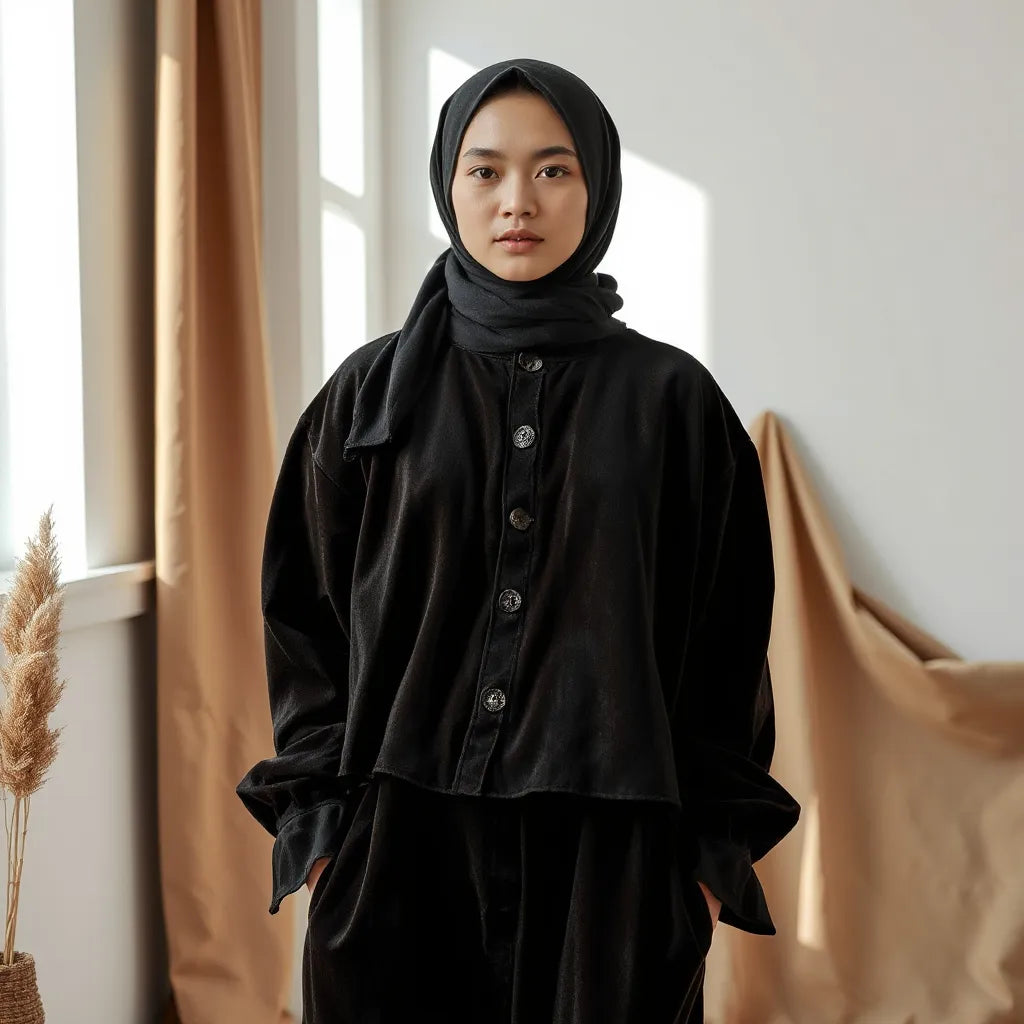
Heritage motifs, balanced placement, graceful fabric flow
Comparison: Pros & Cons
Not every kaftan is built the same way. Use the comparison below to evaluate options based on your priorities.
-
Traditional Palestinian kaftans with embroidery-focused detailing
- Pros: Strong visual identity, heirloom appeal, and distinctive craftsmanship.
- Cons: Requires careful storage and gentler cleaning to preserve stitching integrity.
-
Kaftans with simpler surface design
- Pros: Often easier to maintain, versatile for layered styling, and comfortable for frequent wear.
- Cons: May offer less heritage drama compared with heavily embellished designs.
-
Kaftans optimized for lightweight drape
- Pros: Comfortable for warmer seasons, fluid movement, and effortless layering.
- Cons: May require careful garment handling to avoid pilling or snagging on rough surfaces.
Buyer’s Checklist
Before you purchase, review the following checklist. This approach improves fit, increases satisfaction, and reduces the risk of unexpected quality issues.
- Confirm your fit preference: Decide whether you want a relaxed silhouette or a more structured drape through the body.
- Check garment measurements: Look at chest and shoulder width, sleeve circumference, and total length for your preferred look.
- Evaluate fabric behavior: Ensure the fabric drapes well without clinging. If possible, verify how it hangs and moves.
- Inspect seam quality: Look for even stitching, stable hems, and careful finishing at armholes and side seams.
- Assess embroidery stability: Confirm that detailing appears secured and that edges look neatly finished.
- Verify collar and neckline structure: A clean neckline improves comfort and makes styling easier.
- Consider closure method: Buttons, ties, or concealed finishing should feel secure and functional for your use case.
- Plan your styling system: Choose accessories that complement the kaftan’s visual intensity rather than compete with it.
If you want a harmonious modest ensemble, pair your kaftan with a coordinating modest accessory. For instance, a chiffon option often provides elegant movement and works well with heritage tailoring.
Chiffon Plain Hijab, https://www.palestinianelegance.com/products/plain-hijab
How to Style for Different Occasions
Styling determines whether a kaftan reads as ceremonial, refined, or comfortably everyday. Traditional Palestinian kaftans can adapt across contexts when you align fabric weight, color balance, and accessory scale.
Formal gatherings
- Choose a structured kaftan with clear neckline shaping and balanced embellishment density.
- Opt for a monochrome or tonal palette if embroidery is prominent, so the design remains the focal point.
- Use understated accessories that support the silhouette, such as refined earrings and a secure hairstyle plan.
Weddings and celebration days
- Prioritize long-wear comfort by selecting a fabric with reliable drape and stable stitching.
- Coordinate headwear by matching fabric finish. Chiffon complements fluid kaftan movement without heaviness.
- Layer responsibly. A lightweight underlayer helps the outer garment sit smoothly.
Everyday elegance
- Choose a kaftan with simpler detailing and stable fabric composition for frequent wear.
- Use clean styling lines. A well-fitted silhouette can elevate the look with minimal effort.
- Focus on color confidence. Neutral tones can highlight craftsmanship while staying versatile.
For modest wardrobe coordination, you may also explore complementary headwear styles from Palestinian Elegance, such as a softly structured chiffon option or a dependable underlayer system. You can review relevant choices here: Soft Flow Chiffon Hijab.
Care and Maintenance for Longevity
Traditional kaftans are often investments in craftsmanship. Proper care preserves appearance and protects the details that make each piece distinctive. Use these guidelines as a reliable maintenance approach.
Gentle washing and handling
- Follow the care instructions provided with the garment. If care guidance is not available, choose the gentlest method suitable for the fabric type.
- Turn the kaftan inside out to reduce wear on visible surfaces, especially when embroidery or decorative stitching is present.
- Avoid harsh agitation that can stress seams and lift thread tension.
Drying and storage
- Dry flat when recommended to protect shape and maintain clean lines at hems.
- Store folded in a breathable garment bag to reduce dust exposure and limit friction.
- Use careful spacing in storage to prevent embroidery from rubbing against other fabric surfaces.
Refreshing appearance between wears
- Use light steam or careful pressing on appropriate heat settings, and test on an internal area when possible.
- Spot-clean minor marks rather than full washing when care guidance supports it.
For layered modest styling, underlayers can also reduce friction between fabrics. If you use a bonnet or underscarf system, ensure it provides coverage while keeping the outer fabric smooth. Consider reviewing a supportive option from Palestinian Elegance: Underscarf Bonnet Cotton Seam.

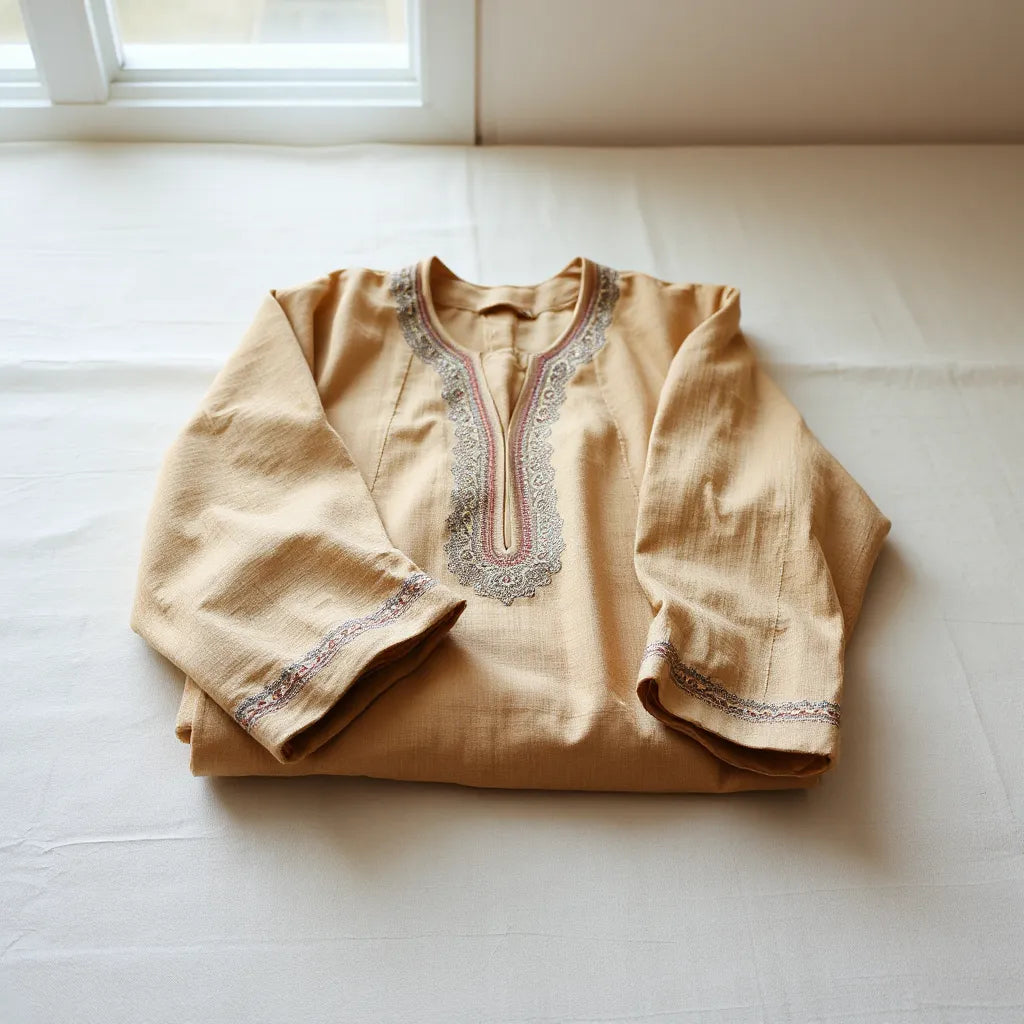
Close-up care cues: seams, gentle storage, careful steam
Final Thoughts & Advice
When you buy a kaftan, focus on craftsmanship and comfort rather than only the first visual impression. Traditional Palestinian kaftans can become a signature piece when the fabric drapes correctly, the silhouette supports your posture, and the finishing details remain consistent through wear. Choose a design that matches your lifestyle, whether your goal is formal elegance or refined everyday styling. If you are building a complete modest wardrobe, coordinate your headwear and underlayers for smoother movement and a polished overall look.
To support your buying decisions, compare measurement details, evaluate construction quality, and prioritize care needs before purchase. If you want a trusted perspective on shopping decisions beyond fashion, you can also review Elegant Smart Buyer for general guidance.
Q&A Section
What makes Traditional Palestinian kaftans different from other kaftan styles?
They typically emphasize heritage design language through balanced motif placement, careful finishing, and tailoring that supports effortless movement. The emphasis is often on craftsmanship details that remain visually coherent from neckline to hem.
How do I choose the right fabric for a kaftan I will wear often?
Prioritize reliable drape, comfortable movement, and stable construction. Lightweight fabrics can look elegant, but they require careful handling. If you expect frequent use, choose materials that maintain shape and resist surface wear.
How can I protect embroidery and decorative stitching over time?
Store the garment with minimal friction, use gentle cleaning methods, and avoid rough agitation. Turning the garment inside out before washing can help reduce stress on visible detailing.
About the Author Section
Sulieman Alhazma is an editorial and commerce content specialist with expertise in heritage-inspired fashion selection and modest wardrobe styling. He focuses on practical criteria such as fit, fabric behavior, and craftsmanship signals that help customers choose confidently. His work highlights cultural preservation through careful presentation and consistent buying guidance. He welcomes thoughtful feedback and appreciates readers who value quality and longevity.
Disclaimer: This article is for educational purposes only and does not guarantee specific results for every garment or fabric type. Always follow the official care instructions provided for your specific purchase, and verify measurements for accurate fit before ordering.
The content in this blog post is intended for general information purposes only. It should not be considered as professional, medical, or legal advice. For specific guidance related to your situation, please consult a qualified professional. The store does not assume responsibility for any decisions made based on this information.