

Updated on: 2026-07-23
A versatile headscarf can support daily comfort while offering multiple styling options. The right choice balances fabric behavior, face framing, and secure coverage. When you understand sizing, fold methods, and care requirements, purchasing becomes simpler and more confident. This guide also explains how to match your headscarf style to practical needs such as work, travel, and special events.
Table of Contents
Buyer’s Checklist
Step-by-Step Guide
How to Style a Versatile Headscarf for Different Occasions
Materials and Care: What Changes the Feel
Fit and Security: Prevent Slips and Gaps
Product Inspiration and Style Pairings
FAQ
Closing Thoughts & CTA
About the Author Section
Buyer’s Checklist
Choosing a versatile headscarf is easier when you evaluate a few key factors before you buy. Use this checklist to compare options quickly and avoid common mistakes.
- Fabric behavior: Consider how the material drapes in motion. Look for fabric that lays smoothly without excessive cling.
- Breathability: Daily comfort depends on airflow. Lighter weaves generally feel cooler, while denser fabrics can provide stronger structure.
- Softness against the skin: You will notice rough edges over time. Prioritize smooth seams and a gentle inner feel.
- Color stability: Choose shades that remain vivid through regular washing and everyday exposure.
- Size and coverage: Confirm dimensions are large enough to reach your preferred placement without constant readjusting.
- Styling flexibility: A versatile headscarf should support more than one fold and wrap style, not only a single look.
- Care requirements: Verify whether the care routine matches your schedule. Ease of maintenance matters for long-term use.
- Compatibility with an inner layer: If you plan to wear an undercap or inner piece, confirm the headscarf pairs well with it.
Step-by-Step Guide
Once you select the right fabric and size, the styling method determines whether your look feels effortless. Follow these steps to establish a repeatable technique.
- Prepare the base: If you wear an inner cap, start by aligning it flat and comfortable at the crown.
- Position the fabric: Place the headscarf so one edge sits slightly higher than your desired coverage line.
- Center and balance: Bring both sides toward the middle, then check symmetry in natural light.
- Create the drape: Smooth the fabric outward from the center to prevent bunching. Use gentle finger presses rather than pulling.
- Secure the sides: Use pins, fabric ties, or an integrated closure depending on the scarf design. Keep fastening points close to natural creases.
- Adjust the face line: Fine-tune near the cheeks and jaw for a clean silhouette.
- Set the final folds: Let the remaining fabric fall in your preferred direction. Lightly refine the fold edges for a polished finish.
- Move-test: Look up, turn your head, and walk briefly. A secure versatile headscarf should remain stable without constant corrections.

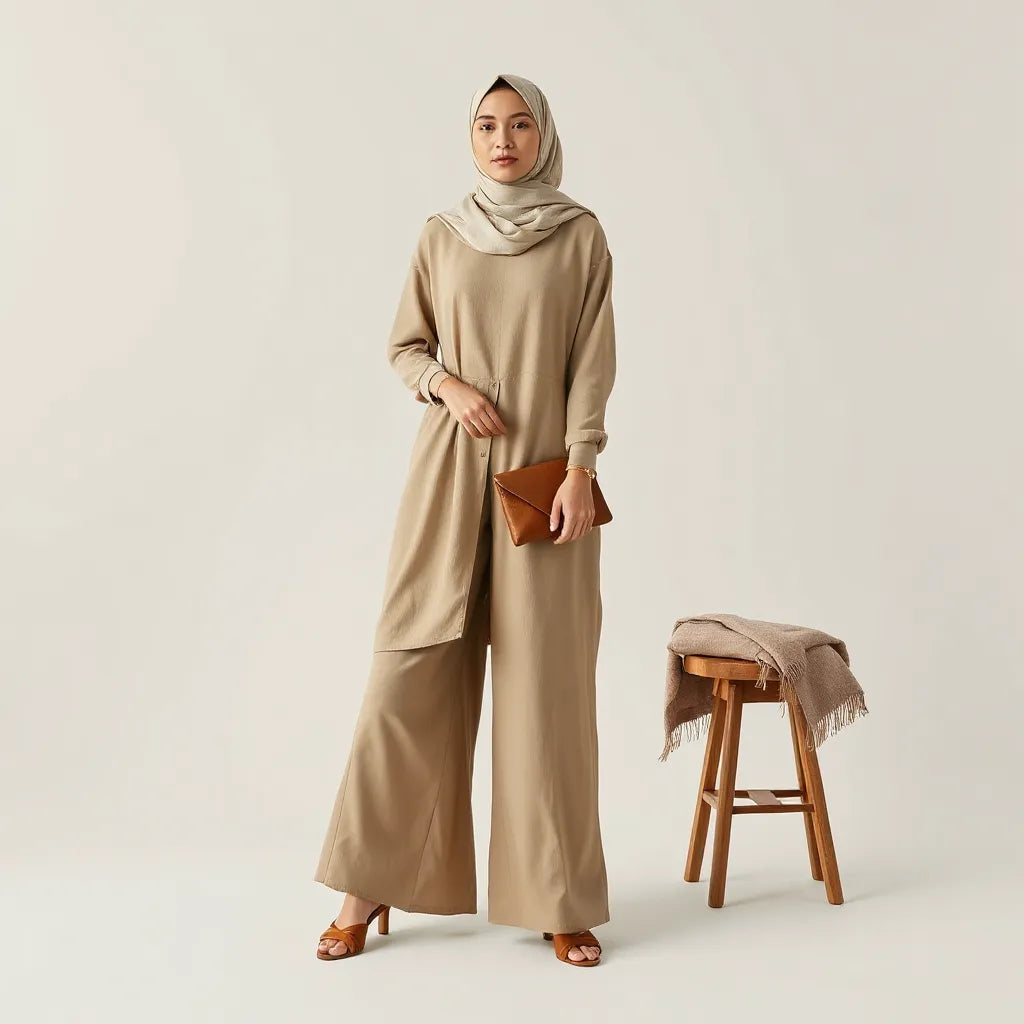
Balanced folds, smooth drape, and secure fastening points
How to Style a Versatile Headscarf for Different Occasions
The value of a versatile headscarf increases when you can adapt it to different contexts without buying multiple pieces. With thoughtful folds and consistent placement, you can move from daytime simplicity to refined evening styling.
Everyday professional styling
For office wear, prioritize clean lines and minimal repositioning. A common approach is a centered drape with controlled side volume. Choose a gentle fabric and keep the fastening discreet. When you want a sharper look, align edges to create a stable frame around the face.
Travel and on-the-go comfort
Travel styling should balance comfort and quick adjustments. Use a method that supports even tension at the crown. If you prefer a relaxed feel, allow a soft fall through the sides while keeping the center secure. This helps the scarf stay in place during movement and reduces the need for frequent retouching.
Special occasions and elegant looks
For events, you can elevate the same versatile headscarf using intentional texture and deliberate volume. Consider a smoother drape for refined structure. Add carefully placed pins to refine edges rather than creating bulk. If you enjoy layered styling, ensure the layers remain breathable and do not twist.
Seasonal adjustments
Seasonal changes often require only small modifications. In warmer months, choose lighter fabric behavior and reduce heavy folds. In cooler months, you can increase coverage depth by adjusting how the fabric wraps around the neck area. The goal is consistent comfort rather than excessive layering.
Materials and Care: What Changes the Feel
Fabric is the primary driver of drape, softness, and long-term performance. Understanding material behavior helps you select a versatile headscarf that matches your lifestyle and personal preferences.
Chiffon and soft flow fabrics
Fine, fluid fabrics are known for a lightweight feel and graceful movement. They often create an elegant appearance with minimal effort. However, they may require thoughtful securing because light materials can shift more easily during active days.
Cotton and cotton blends
Cotton offers reliable comfort and breathability. Many people prefer it for daily wear because it feels familiar against the skin and performs well with regular washing. Cotton-based headscarves can hold folds neatly, which supports consistent styling.
Jersey and stretch-influenced blends
Stretch-influenced blends can improve fit and reduce slipping. When a scarf includes elastic properties, it may conform more smoothly around the head and reduce the need for constant pinning. The trade-off is that stretch fabrics may require careful care to maintain shape.
Inner support fabrics
An inner layer can transform how a scarf behaves. A properly chosen undercap or inner piece can stabilize the base and reduce friction. This often improves comfort and makes the overall style feel secure, especially with lightweight outer fabrics.
Care guidelines that protect shape
To maintain a versatile headscarf over time, treat the fabric gently. Use mild detergents, avoid harsh scrubbing, and follow any wash or dry instructions from the product page. Air drying often helps preserve fabric texture. If you iron, select a suitable temperature and protect delicate surfaces if necessary.
Fit and Security: Prevent Slips and Gaps
Even the best fabric can underperform if the fit is inconsistent. Security is not only about keeping coverage; it is also about comfort and confidence.
Choose appropriate size
A versatile headscarf should reach your preferred coverage points without stretching the fabric to the limit. If the scarf is too short, you may create tension that shifts throughout the day. If it is too large, it can twist and add unnecessary bulk.
Use placement rather than force
Most slipping happens when the base tension is uneven. Instead of pulling hard on the ends, adjust the initial placement on the crown. Smoothing from center outward reduces bumps and helps the fabric lie flat.
Secure with discreet technique
Use fastening methods that match the fabric weight. Lightweight scarves often need tighter placement near natural creases. Heavier fabrics may hold folds better and require fewer fasteners. If you use pins, position them where the fabric naturally folds to reduce visibility.
Pair with a compatible inner layer
When you want stability, an undercap can help. For instance, pairing your style with a cotton inner layer can reduce friction and improve grip. If you prefer a seamless base, explore under-layer options such as cotton underscarf bonnets to improve everyday comfort.
Product Inspiration and Style Pairings
Versatility does not have to look plain. You can enjoy expressive pattern energy while maintaining practical daily wear. One effective strategy is to choose a bold or culturally rich piece as the focal element, then balance it with simple styling and supportive inner layers.
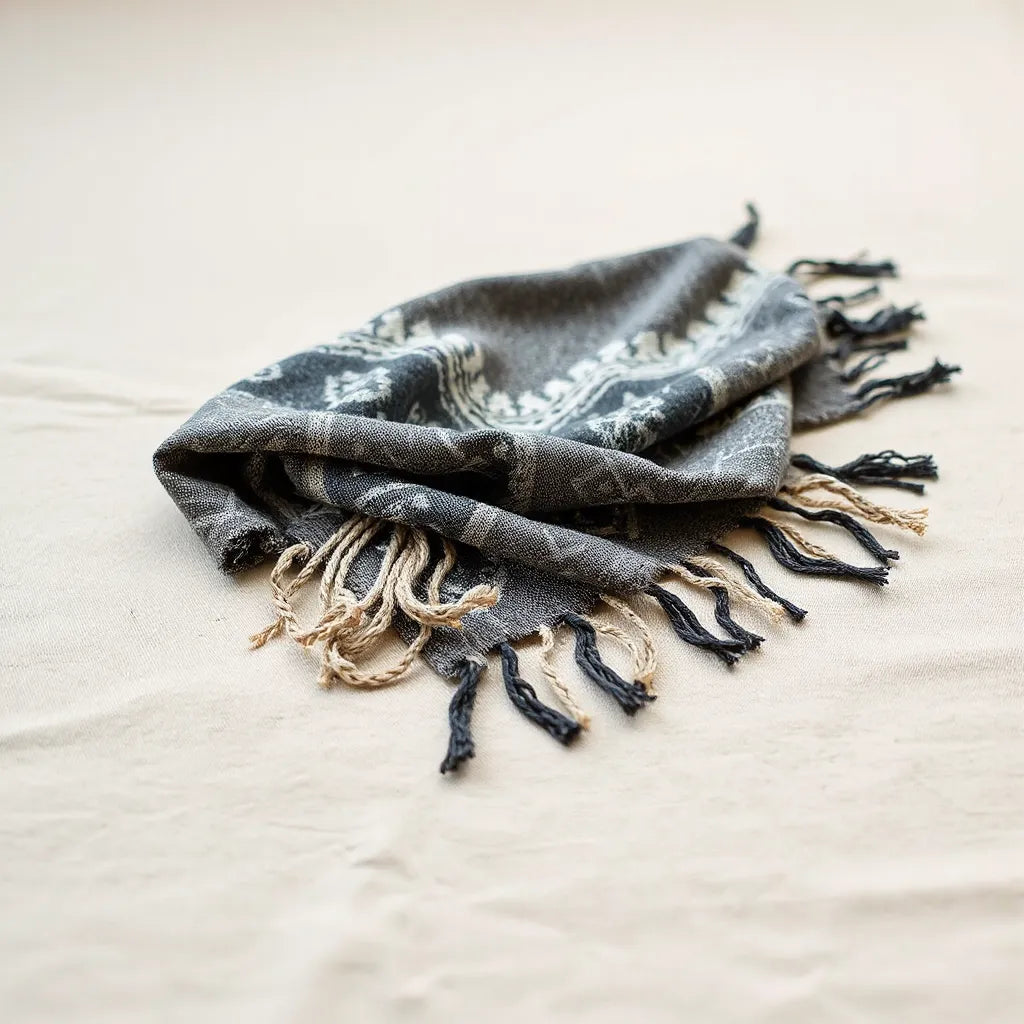
Colorful Kuffiyehs: Cultural Heritage and Versatile Style

View the cultural kuffiyeh collection
To integrate a culturally inspired scarf into a versatile routine, consider these styling principles:
- Keep the fastening refined: If the fabric includes decorative edges or tassels, secure where it will not disrupt the visual flow.
- Balance volume near the face: Use small fold adjustments to avoid covering the face line unevenly.
- Allow fabric movement: A good wrap should move naturally with your posture. Avoid overly tight tension that makes the scarf rotate.
- Coordinate with modest wardrobe basics: Neutral tones in your clothing can help the scarf become the focal point without visual overload.
If you want a smooth transition between styles, you may also consider chiffon options for a lighter drape. Explore premium soft chiffon hijabs to see how lightweight textures behave in styling.

Conceptual styling board with color focus and drape mapping
Another supportive option is a tie-bandana style that can serve as an adaptable base. For a structured wrap method, review tie bandana styling for a practical way to refine the fit. Pairing techniques often provide a more consistent result than relying on one styling attempt.
FAQ
How do I choose the right size for a versatile headscarf?
Start by confirming your preferred coverage length and the style you want. For a stable fit, select a size that allows you to wrap without stretching the fabric at the crown. If you plan to pin, ensure there is enough fabric to create folds that reach your fastening points comfortably.
What is the best fabric for everyday comfort?
Cotton and breathable blends are often strong choices for day-to-day use due to their softness and airflow. If you prefer an elegant drape, lightweight chiffon can also work well, especially when paired with an inner layer that reduces slipping.
How can I prevent slipping without overusing pins?
Begin with correct base placement on the crown and smooth outward from the center to remove uneven tension. An undercap or inner scarf can improve friction and stability. When pins are needed, place them near natural folds rather than in stretched areas.
Can one headscarf suit both casual and formal settings?
Yes. A versatile headscarf supports multiple styling outcomes when the fabric drapes well and the size supports refined folds. Adjust volume near the face and choose secure fastening points to switch between minimalist everyday looks and more polished event styling.
Closing Thoughts & CTA
A versatile headscarf is not only a functional wardrobe piece; it is a flexible styling system. When you select fabric that suits your comfort needs and use a reliable wrapping method, you reduce daily effort and improve consistency. If you want to explore quality modestwear essentials and culturally inspired headscarf options, browse Palestinian Elegance and compare textures, sizes, and inner-layer pairings. Shop Palestinian Elegance to find your next dependable look.
Disclaimer: This article is for general guidance and styling education. Fabric performance can vary by individual preference, care routines, and fit. Always follow product instructions and test new styles gradually to confirm comfort and coverage.
About the Author Section
Sulieman Alhazma is a fashion content specialist focused on modest wear styling and fabric-aware guidance. His expertise includes practical draping techniques, comfort-first outfit planning, and thoughtful curation of artisan-made textiles. He shares objective recommendations to help customers select pieces that align with daily needs and long-term use. Thank you for reading and choosing style with intention.
The content in this blog post is intended for general information purposes only. It should not be considered as professional, medical, or legal advice. For specific guidance related to your situation, please consult a qualified professional. The store does not assume responsibility for any decisions made based on this information.