
Updated on: 2026-07-27
Artisan Palestinian Embroidery, often known as Tatreez, represents more than decoration. It is a craft of careful planning, skilled stitching, and inherited pattern knowledge. Each motif carries cultural memory while still allowing personal expression in contemporary wardrobes. This guide explains what makes this embroidery distinctive, how it is crafted, and how to choose pieces that will last.
Table of Contents
1. Why Artisan Palestinian Embroidery Remains Timeless
2. Benefits & Reasons to Choose Tatreez-Inspired Pieces
3. How Artisan Palestinian Embroidery Is Made
4. Patterns, Motifs, and Meaning in Palestinian Stitchwork
5. Caring for Hand-Embroidery So It Stays Beautiful
6. How to Style Artisan Palestinian Embroidery in Modern Outfits
Why Artisan Palestinian Embroidery Remains Timeless
Artisan Palestinian Embroidery has stayed relevant because it is rooted in disciplined technique, not trends. Tatreez patterns are built with repeatable rules for balance, spacing, and contrast. That structure allows traditional design language to feel cohesive, whether the embroidery appears on a statement piece or a small accent.
Another reason this craft remains compelling is material intelligence. Skilled makers select threads and plan stitch density based on how fabric moves and how light reflects off the surface. As a result, well-executed embroidery creates texture you can see and feel, even from a distance. The overall impression is refined rather than decorative for decoration alone.
Finally, there is a human layer. Artisan Palestinian Embroidery is produced through patience, attention, and cultural continuity. When you choose a garment or accessory influenced by Tatreez, you are also choosing a story: one that honors heritage while supporting present-day makers.
Benefits & Reasons to Choose Tatreez-Inspired Pieces
1) Craft quality you can evaluate. Unlike mass-produced ornamentation, hand-stitched work shows consistent tension, purposeful motif placement, and a surface that looks intentional from multiple angles.
2) Durability when cared for properly. Threadwork designed to withstand wear can remain stable over time, provided it is protected from excessive friction, harsh detergents, and rough storage.
3) Cultural authenticity. Tatreez is a recognized Palestinian embroidery tradition with distinctive motif families. Choosing reputable artisan work helps preserve real technique rather than simplified imitation.
4) Versatility in modest styling. Embroidered elements can be integrated into hijab-friendly looks, outerwear, or dress silhouettes. The texture adds interest without requiring loud color.
5) Personal meaning. Many buyers appreciate motifs because they can feel symbolic, seasonal, or celebratory. Even when you do not seek a specific interpretation, the overall design language brings emotional warmth.

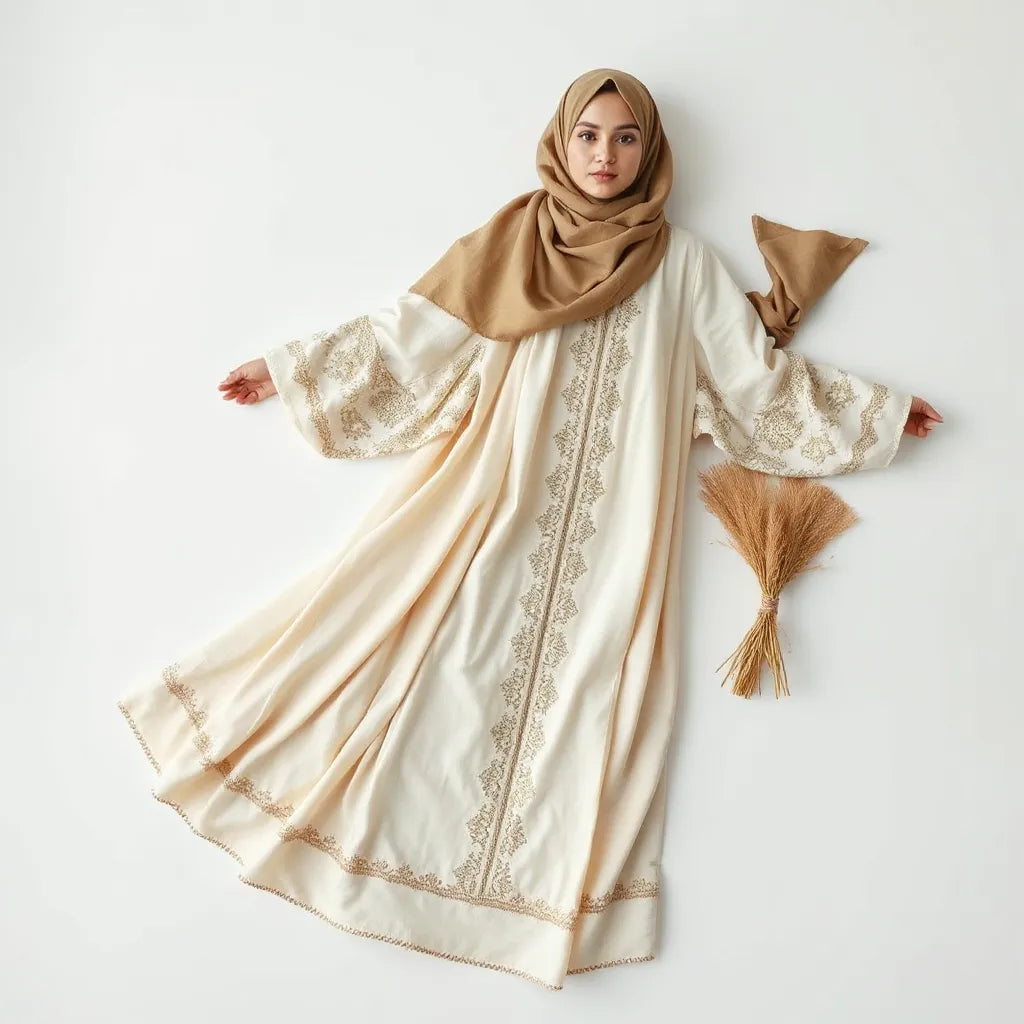
Close-up stitch rhythm: threads, symmetry, and texture
How Artisan Palestinian Embroidery Is Made
To understand Artisan Palestinian Embroidery, it helps to see the process as design plus engineering. Makers begin by planning the composition. Motifs are mapped so that lines guide the eye and so that empty space supports the embroidered areas rather than competing with them.
Next comes the transfer and marking stage. Depending on the maker and the garment, guidelines may be drawn lightly or planned through a layout strategy. This reduces guesswork and keeps motifs aligned. Even small inaccuracies can disrupt the visual rhythm, particularly where repeating elements must meet cleanly.
Then the stitching begins. Tatreez work commonly involves layered stitch paths and a controlled approach to thickness. Threads are selected for colorfastness and for how they sit on the textile. Tension is adjusted to avoid puckering while still achieving a defined raised surface.
Many artisans also consider edge finishes. Where embroidery meets seams, hems, or openings, the maker often prioritizes structural stability. Proper finishing is an indicator of professional craftsmanship and it affects how the embroidery behaves after repeated wearing.
When evaluating an embroidered product, it is useful to ask whether the piece appears finished on the whole, including the surrounding fabric. High-quality work often looks balanced rather than concentrated in only one area.
Patterns, Motifs, and Meaning in Palestinian Stitchwork
Motifs in Palestinian embroidery are not random. They follow recognizable families such as floral forms, geometric layouts, and stylized architectural shapes. The same core motif can appear in multiple sizes and arrangements, which allows artisans to adapt a design to different garment fields.
Designers also use composition strategies. Some layouts emphasize a central axis, while others distribute elements across panels for a more panoramic effect. Color contrast matters as well. Thread palettes may include deep bases, bright accents, and neutral harmonizers so that the embroidery reads clearly against the textile.
In contemporary applications, many buyers look for motifs that communicate elegance rather than visual noise. A well-chosen arrangement can appear refined even when embroidery coverage is moderate. The key is proportion: motifs should align with the garment shape and should not overwhelm the wearer.
Where you might notice meaning most is in the placement and repetition. Even if you consider the symbolism purely aesthetic, the disciplined pattern logic creates a sense of order. That is what makes Artisan Palestinian Embroidery feel timeless rather than temporary.
Caring for Hand-Embroidery So It Stays Beautiful
Care is a decisive factor in keeping embroidery attractive. Threadwork can be resilient, yet it is not invincible. Mechanical stress, heavy moisture, and abrasive laundering can gradually dull color and loosen fibers.
Wash gently and selectively. If a piece can be hand-cleaned, use cool water and mild soap. Avoid rubbing embroidered areas directly. Instead, let water and soap work through gentle agitation.
Dry with restraint. Air-drying is often the safest option. Use a flat or carefully supported drying surface to prevent distortion. Avoid direct heat sources that may affect thread sheen or cause fabric shrinkage.
Store with structure. Keep embroidered items away from tight compression. Use breathable garment bags or layered tissue paper so the stitches do not bend sharply or attract dust.
Protect against friction. If an embroidered piece is worn frequently, minimize snagging from bags, jewelry, or fasteners. Friction is a common cause of thread pulls.
For broader care principles that prioritize longevity and responsible maintenance, you may find the approach in this article helpful: Hand Crafted Leather Collar Care Tips for Longevity. The material is different, but the mindset of gentle handling and consistent storage applies across handcrafted goods.

Care scene: flat drying, gentle folding, and protected threads
How to Style Artisan Palestinian Embroidery in Modern Outfits
Artisan Palestinian Embroidery can be styled without sacrificing modesty or comfort. The most effective looks often treat embroidery as a focal texture rather than a full-spectrum print.
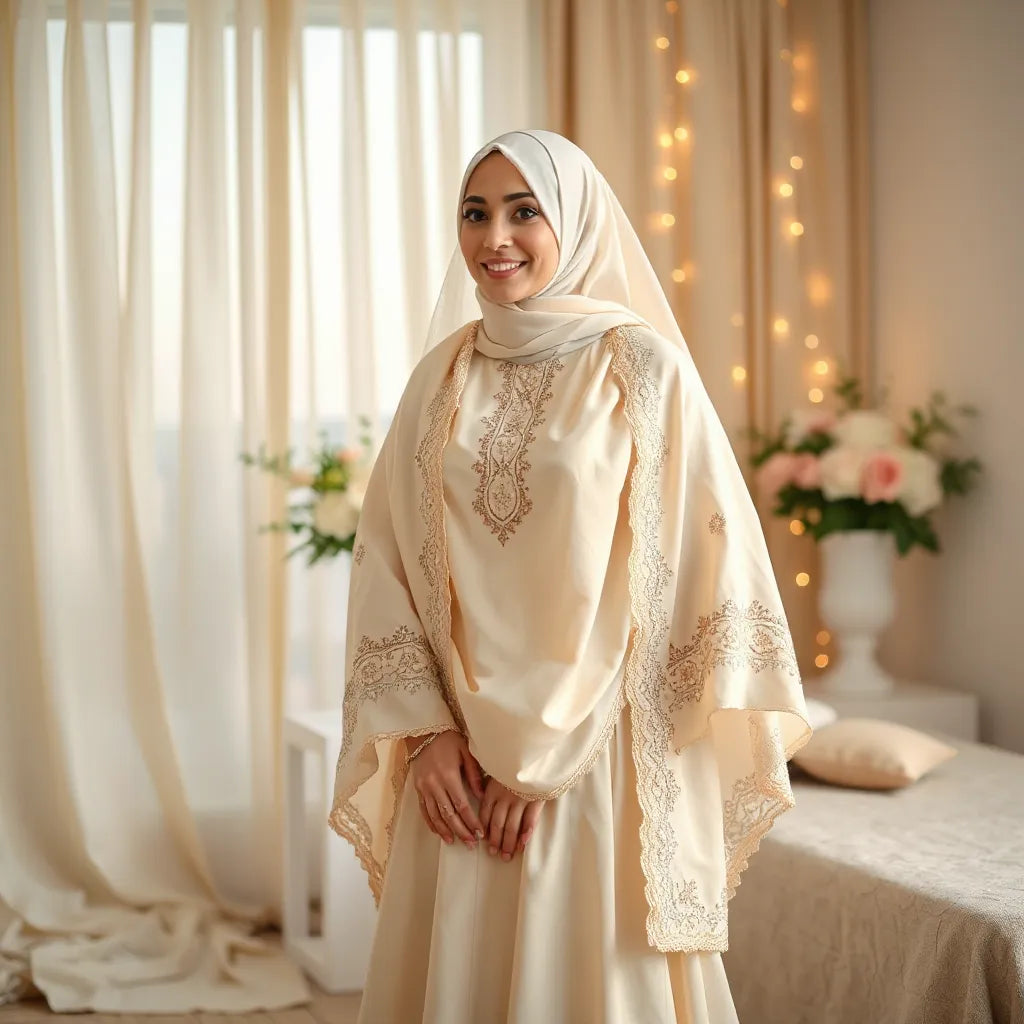
Use embroidery to frame the face. Embroidered accents on head coverings or inner layers can draw attention upward. When the embroidery is placed near the face framing area, it creates a polished effect without requiring additional accessories.
Choose outerwear balance. If embroidery appears on a garment front, allow simpler fabrics and quieter colors around it. This keeps the motif readable and prevents the overall outfit from feeling busy.
Coordinate with solid textiles. Plain knits, structured cotton, and smooth inner layers complement embroidery because they reduce visual competition and let threadwork remain the main feature.
For example, if you seek a modest base with refined styling, consider pairing embroidered accents with premium chiffon options or thoughtfully finished underlayers. You can browse related headwear and modest basics here: Premium Soft Chiffon Hijab and Cotton Underscarf Bonnet.
Selecting the Right Piece: What to Look For
When selecting Artisan Palestinian Embroidery-inspired items, focus on craftsmanship indicators rather than only visible design.
1) Stitch consistency. Look for even spacing and controlled thread tension. The embroidered surface should feel stable, with no excessive puckering or loose sections.
2) Motif alignment. Motifs should align with seams and fabric panels. A professional layout respects garment structure, so the design remains coherent when you move.
3) Color harmony. Ensure the thread colors complement the base textile. If the embroidery appears overly harsh or the colors seem mismatched, it can indicate a less considered palette.
4) Finish quality. Check edges, openings, and internal borders. Clean finishing supports longevity and improves comfort.
5) Practical design for daily use. Consider where embroidery is placed. A small embroidered detail may be easier to wear daily than broad coverage, especially if you prefer a simpler silhouette.
If you want embroidery-focused layering within modest headwear styling, explore options that pair well with textured details. For instance, you can consider supportive underlayers such as Cotton Inner Hijab to create a smooth surface that helps embroidery remain crisp in appearance.
Ultimately, the best choice is the piece that matches your intended use: ceremony, everyday wear, or special gifting. High-quality embroidery feels distinctive without becoming fragile.
FAQ
Is Artisan Palestinian Embroidery the same as Tatreez?
Artisan Palestinian Embroidery is commonly associated with Tatreez, which refers to traditional Palestinian hand-embroidery. In practice, many people use the terms interchangeably when discussing the craft tradition and its motif language.
How can I tell whether embroidery is truly hand-stitched?
Look for stable stitch direction, consistent thread tension, and intentional motif spacing. Handwork often shows subtle variations that are not defects; they usually reflect craftsmanship rather than machine repetition.
What is the best way to store embroidered textiles?
Store items in a clean, dry environment with breathable protection. Avoid tight compression, sharp folds that stress the stitches, and exposure to dust. If you store frequently, periodically inspect the fabric for loose threads and address issues early.
Final Thoughts & Recommendations
Artisan Palestinian Embroidery is a living craft that combines disciplined pattern logic with personal human effort. When you choose well-made work, you receive more than visual charm. You gain texture, cultural continuity, and an intentional design language that can complement modern modest styling.
To make a strong investment, evaluate stitch consistency, finishing quality, and overall motif alignment. Pair embroidered features with supportive base layers so the design reads clearly and remains comfortable. If you are exploring your first Tatreez-inspired piece, consider starting with details that suit your daily routine.
For cultural preservation and artisan empowerment, selecting pieces from a family-owned boutique that prioritizes high-quality hand-embroidery can make your purchase meaningful. You can also explore thoughtfully curated modest essentials through Palestinian Elegance’s collection.
About the Author
Sulieman Alhazma is a craft-focused writer and editor specializing in traditional embroidery practices and modest fashion styling. His expertise centers on how stitchwork technique, motif structure, and fabric behavior influence long-term wear. He also supports content that strengthens cultural understanding through responsible storytelling and practical care guidance. Thank you for reading; may your choices celebrate craftsmanship with confidence.
Disclaimer: This article provides general educational guidance about artisan embroidery and garment care. Individual results may vary based on materials, construction methods, and product-specific instructions provided by the maker or retailer. Always follow care directions on the product label before cleaning or storing any embroidered item.
The content in this blog post is intended for general information purposes only. It should not be considered as professional, medical, or legal advice. For specific guidance related to your situation, please consult a qualified professional. The store does not assume responsibility for any decisions made based on this information.