

Updated on: April 12, 2026
An authentic kuffiyeh scarf represents centuries of cultural heritage and craftsmanship. This comprehensive guide explores how to identify genuine pieces, understand their historical significance, and make informed purchasing decisions. Learn the key characteristics that distinguish traditional Palestinian scarves from mass-produced alternatives, and discover why investing in authentic versions supports artisan communities and preserves cultural traditions.
Table of Contents
- Common Mistakes When Purchasing
- Buyer's Checklist for Authenticity
- Understanding Fabric Quality and Weave
- Cultural Significance and Heritage
- Frequently Asked Questions
- Wrap-Up and Final Thoughts
- About the Author
Introduction
The kuffiyeh scarf holds profound cultural and historical importance in Middle Eastern and Palestinian traditions. Often recognized by its distinctive geometric pattern and rich symbolism, this garment transcends fashion to represent identity, heritage, and artisanal excellence. As global interest in traditional textiles increases, distinguishing authentic pieces from mass-produced imitations becomes increasingly important. Understanding what constitutes a genuine traditional scarf helps buyers make ethical choices while supporting authentic craftspeople and preserving cultural knowledge passed down through generations. This guide provides practical insights to help you select pieces that honor both quality and heritage.
Common Mistakes When Purchasing
Many consumers inadvertently purchase inauthentic or lower-quality scarves due to common misconceptions about these traditional textiles. Recognizing these pitfalls helps ensure your investment supports genuine artisans and results in a piece of lasting value.
Assuming All Geometric Patterns Are Traditional: Mass manufacturers often apply patterns using printing techniques rather than weaving. Authentic versions feature patterns created during the weaving process, making them integral to the fabric itself rather than applied to the surface. Printed patterns fade with washing, while woven designs maintain their integrity indefinitely.
Overlooking Material Composition: Genuine traditional scarves use high-quality cotton or wool blends appropriate to their origin. Synthetic materials or low-grade fabrics indicate mass production rather than artisanal craftsmanship. These inferior materials feel stiff, lack breathability, and deteriorate quickly.
Ignoring Weaving Techniques: Hand-loomed and hand-knotted methods create distinct characteristics visible upon close inspection. Machine-made versions produce uniform, perfect patterns that lack the subtle variations inherent to handwork. These variations are markers of authenticity, not flaws.
Neglecting Origin Verification: Price alone does not indicate authenticity. Some high-priced items originate from factories using traditional-looking designs without genuine cultural connection or ethical production practices. Researching the maker's background and production methods provides critical context.
Dismissing Weight and Texture: Authentic pieces have substantial weight and distinct texture from proper weaving techniques. Lightweight, synthetic versions lack the craftsmanship of genuine articles and perform poorly as functional garments.

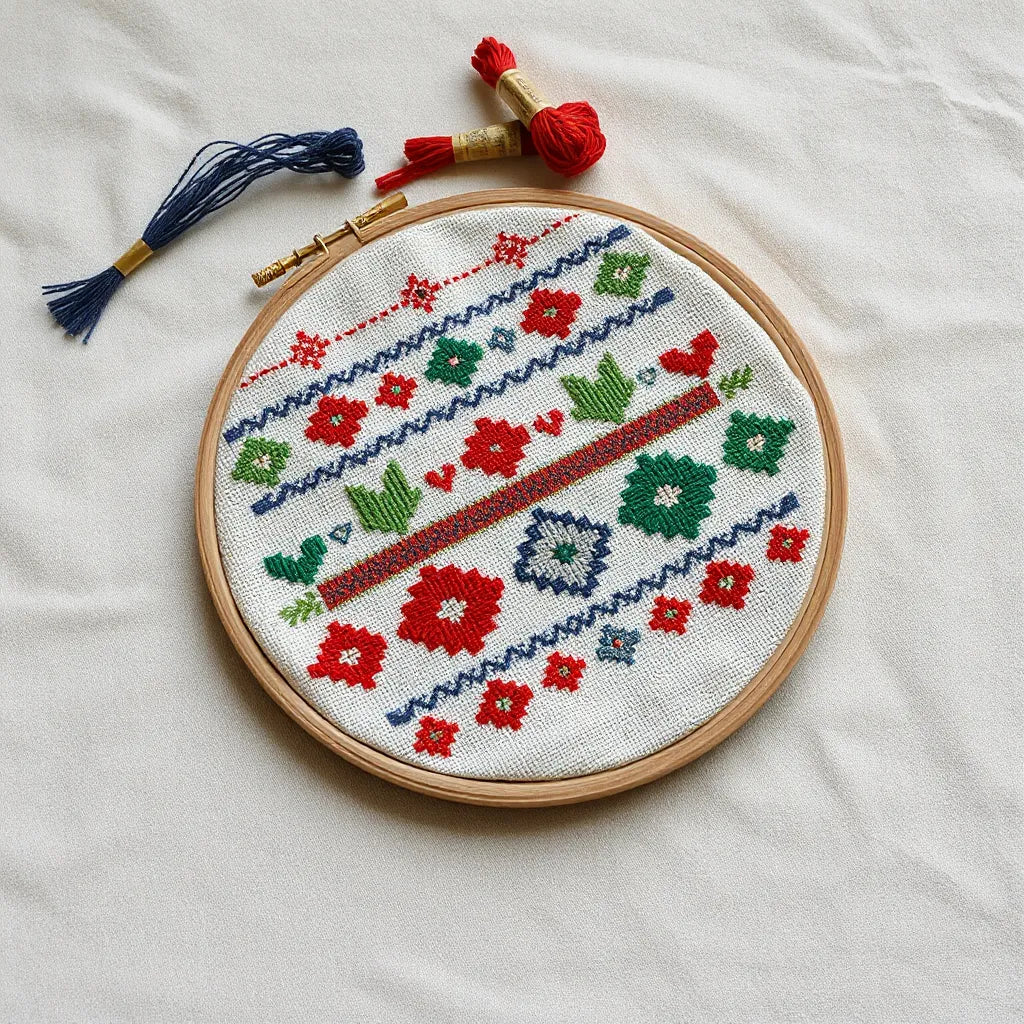
Close-up view of traditional geometric weave patterns with hand-knotted texture details
Buyer's Checklist for Authenticity
Use this comprehensive checklist when evaluating potential purchases to ensure you are acquiring a genuine piece worthy of your investment.
- Verify material composition lists primarily cotton or traditional wool blends without synthetic predominance
- Examine the reverse side to confirm patterns are woven throughout, not printed on one surface
- Feel the fabric for substantial weight and consistent weave texture indicating hand production
- Look for subtle pattern variations and minor irregularities suggesting handmade craftsmanship
- Research the seller's background and commitment to supporting Palestinian artisans and traditional methods
- Request information about the specific weaving technique used and the artisan or cooperative involved
- Check for proper fringe finishing, typically hand-tied or hand-finished rather than machine-cut
- Assess edge quality and selvage characteristics for signs of hand loom production
- Inquire about care instructions specific to the materials used
- Verify transparency regarding pricing and how proceeds support artisan communities
- Look for product documentation or certificates of authenticity when available
- Compare the item to reference images from established cultural heritage organizations
Understanding Fabric Quality and Weave
The foundation of any authentic kuffiyeh scarf lies in its fabric quality and weaving method. These technical aspects directly determine durability, appearance, and cultural authenticity.
Traditional cotton used in authentic scarves undergoes careful selection and preparation. High-grade cotton fibers produce fabric with superior drape, breathability, and longevity. The cotton should feel smooth yet substantial, indicating proper spinning and preparation processes. Quality cotton develops a slight patina over time, growing softer and more comfortable with age and washing.
Weaving techniques vary by region and artisan tradition. Hand-loom weaving represents the most labor-intensive and valued method, creating fabric with distinct character and slight variations that authenticate handmade production. Each pass of the shuttle creates a connection between threads that machine production cannot replicate. This process typically requires weeks or months for a single scarf, reflecting the substantial skill and time investment involved.
The weave density significantly impacts the scarf's performance and appearance. Proper density ensures the fabric maintains its shape, resists pilling, and ages gracefully. Loose weaves feel flimsy and lack durability, while overly tight weaves may feel stiff and uncomfortable. Balanced density creates the characteristic feel of traditional pieces.
The keffiyeh pattern itself represents centuries of design evolution. Traditional geometric patterns carry cultural significance beyond decoration. Red and white variations, black and white combinations, and other color schemes each hold specific regional and historical associations. Understanding these patterns helps verify authenticity and appreciate the deeper meaning embedded in the design.

Detailed view of hand-loomed textile weave structure with traditional color dyeing
Cultural Significance and Heritage
Beyond its practical function as a head covering or neck accessory, the authentic kuffiyeh scarf embodies profound cultural meaning. Appreciating this significance enhances the value and meaning of ownership.
The scarf represents Palestinian identity and cultural continuity across generations and geographic boundaries. Worn by men and women across different contexts, it serves as a symbol of connection to heritage and community. The specific patterns and colors used carry regional significance, with different weaving traditions distinctive to specific Palestinian villages and families.
Traditional production methods preserve ancient knowledge about natural dyeing, weaving techniques, and pattern development. Each artisan inherits methods and skills passed down through family lines and community apprenticeships. Supporting authentic producers ensures this knowledge continues to thrive rather than disappearing into industrial homogenization.
Many families maintain weaving traditions spanning multiple generations. These family-owned operations represent living connections to cultural heritage. By purchasing from authentic artisans, buyers participate in supporting these living traditions and ensuring future generations can continue their ancestral crafts. Organizations like Palestinian Elegance specifically prioritize working with artisans and cooperatives dedicated to preserving these traditional practices.
The cultural significance extends to how the scarf is worn and the contexts in which it appears. Understanding these cultural practices shows respect for the tradition and deepens appreciation for the piece beyond its material qualities. This cultural awareness transforms a simple purchase into participation in cultural preservation.
Frequently Asked Questions
How can I distinguish hand-woven scarves from machine-made versions?
Hand-woven scarves display subtle pattern variations, slight color inconsistencies in dyed threads, and visible texture variations that reflect the artisan's hand movements. Examine both sides closely. In hand-woven pieces, patterns appear equally distinct on both the front and back. Machine-made versions typically show printing on one side only, patterns that are too perfectly uniform, and consistent, robotic regularity throughout. Run your fingers across the fabric to feel the individual thread structure. Hand-loomed pieces have a more complex, organic texture compared to the uniform smoothness of industrial production.
What materials should authentic kuffiyeh scarves use?
Genuine traditional scarves primarily use high-quality cotton or cotton-wool blends that have been used for centuries in this craft. Pure cotton provides excellent breathability and comfort, while wool blends offer warmth and durability. Synthetic materials, polyester, or acrylic indicate mass production and lack both the cultural authenticity and practical performance of traditional materials. Check product descriptions carefully and request specific material composition percentages. High-quality cotton should feel smooth, substantial, and slightly lustrous, while wool blends should feel warm and have a subtle nap texture.
Why do authentic pieces cost more than factory alternatives?
Hand-woven scarves require significant time investment, often taking weeks to complete a single piece. Skilled artisans command fair compensation for their expertise and labor. Quality materials cost more than industrial-grade synthetics. Fair-trade practices ensure artisans earn sustainable income rather than exploitative wages. Supporting authentic producers means paying for genuine cultural preservation, direct artisan support, and superior durability. While the initial investment exceeds factory-produced alternatives, authentic pieces outlast multiple synthetic versions, proving more economical long-term while supporting communities and traditions.
Can I wash and care for an authentic kuffiyeh scarf regularly?
Yes, properly made traditional scarves withstand regular washing and improve with age. Hand-wash in cool water using gentle detergent, avoiding bleach and harsh chemicals that damage natural fibers and dyes. Lay flat to dry to prevent stretching. Over time, the fabric becomes softer and more comfortable while maintaining its structural integrity and pattern clarity. Unlike synthetic alternatives that degrade with washing, quality cotton and wool blends develop character and improve with proper care. Request specific care instructions from your supplier, as different traditional dyes and materials may have specific requirements.
Wrap-Up and Final Thoughts
Selecting an authentic kuffiyeh scarf represents more than a fashion choice. It embodies support for cultural preservation, fair compensation for skilled artisans, and appreciation for centuries of textile tradition. The investment in quality pieces that endure physically and culturally outweighs the temporary satisfaction of cheaper alternatives.
By applying the knowledge in this guide, you can confidently identify genuine pieces that honor both artisan communities and the profound cultural significance these scarves carry. Each purchase becomes a meaningful contribution to preserving Palestinian heritage and supporting families dedicated to maintaining traditional craftsmanship.
Take time to research sellers, examine materials closely, and ask questions about production methods and artisan backgrounds. These small actions ensure your investment supports authentic cultural traditions. When you wear or display an authentic piece, you carry forward a living cultural legacy while providing direct support to the skilled hands that created it. Discover beautiful, ethically-produced pieces at Palestinian Elegance, where traditional craftsmanship meets modern values.
About the Author
Sulieman Alhazma is a cultural heritage specialist with extensive experience in Palestinian textile traditions and artisan advocacy. With a background in traditional craftsmanship and community development, Sulieman has spent years documenting weaving techniques and supporting artisan cooperatives dedicated to preserving cultural knowledge. His work bridges the gap between traditional heritage and contemporary consumers seeking authentic, ethically-produced pieces. When not researching textile traditions, Sulieman works directly with artisans to ensure their stories and skills receive proper recognition and fair compensation.
The content in this blog post is intended for general information purposes only. It should not be considered as professional, medical, or legal advice. For specific guidance related to your situation, please consult a qualified professional. The store does not assume responsibility for any decisions made based on this information.