

Updated on: 2026-07-11
Elegant bridal thobes are more than ceremony outfits; they are a statement of heritage and personal taste. This guide explains how to choose fabric, silhouette, and finishing details that feel comfortable and photograph beautifully. You will also learn how to plan accessories, coordinate modest coverage, and prepare for tailoring timelines. By the end, you will have a practical checklist and next steps for a refined bridal look.
Table of Contents
Why Elegant Bridal Thobes Matter
Elegant bridal thobes carry meaning that goes beyond aesthetics. They reflect cultural continuity, family storytelling, and the careful effort that goes into presenting yourself with grace. In many communities, the bridal thobe is worn not only for the event, but also as a symbol of transition and intention. When the garment fits well and the finishing details align with your style, the result feels effortless. That sense of ease often becomes one of the most memorable parts of the day.
From a practical standpoint, a bridal thobe must perform across multiple moments: getting ready, indoor photos, outdoor light, and long periods of standing or walking. The best designs support that reality through considered drape, steady structure, and breathable layers. This is where modern presentation meets traditional craft. The goal is to choose a thobe that looks ceremonial while remaining comfortable in movement.
A Personal Perspective on Fit and Comfort
I remember helping a close friend evaluate her bridal outfit during a fitting session. She had chosen a design that looked extraordinary on the mannequin, yet she felt uneasy once she tried moving naturally. The issue was not the overall style; it was the relationship between seam placement and posture. After adjusting the hem length and refining the bodice balance, her expression changed immediately. She stood taller, walked more smoothly, and seemed to “inhabit” the garment rather than manage it.
That experience clarified a lesson I now share with brides: elegance is the visible outcome of comfort and precision. A refined bridal thobe should support the body, not restrict it. When the sleeves sit correctly, the neckline maintains modest framing, and the fabric falls with intention, the outfit reads polished from every angle.

Seam lines, balanced hem, and smooth movement cues
Key Advantages of an Elegant Bridal Thobe
- Heritage-forward design that honors traditional craftsmanship while staying refined for modern photography.
- Modest coverage that feels intentional through careful neckline shaping and sleeve proportions.
- Structured drape and controlled flow that looks elegant in both indoor and outdoor lighting.
- Decorative detail that elevates the silhouette without overpowering the overall look.
- Tailoring-friendly construction that can be adjusted for height, posture, and comfort preferences.
Choosing Fabric, Color, and Texture
Fabric choice shapes how the thobe feels, how it moves, and how it photographs. Many brides prefer breathable, light-catching materials that create a calm, luminous effect. Chiffon, satin-like weaves, and carefully layered textiles often provide a balance of softness and visual depth. Texture should be selected with purpose. A gentle sheen can enhance the garment under evening lighting, while matte surfaces can offer a clean and classic bridal statement.
Color is equally important. Traditional palettes can include ivory, soft cream, blush undertones, and warm whites. If you plan to incorporate embroidery or tonal appliqué, consider whether the base color will highlight stitchwork or blend it subtly. A thobe with rich texture can pair well with a simpler jewelry plan, while a minimal base benefits from decorative accents that guide the eye toward the neckline and waist.
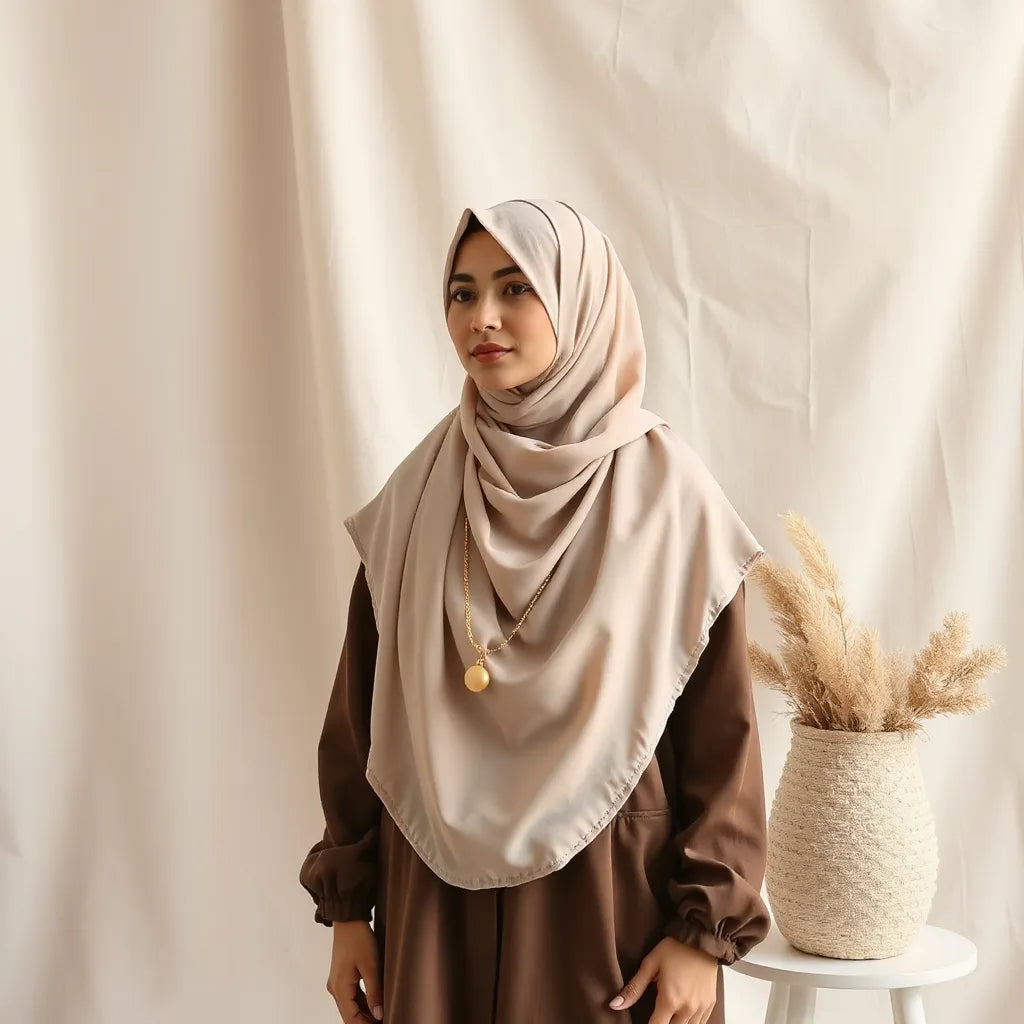
To coordinate headwear with your thobe, choose fabrics with compatible drape. If your thobe has fluid movement, your veil or head covering should also fall smoothly without creating bulk. When coverage is designed with comfort in mind, you can maintain a composed look during photos and celebrations.
For example, you may want to pair your bridal presentation with a light, elegant hijab option that supports a clean line. Consider this internal product page:
Featured accessory product:
Chiffon Plain Hijab
When selecting head covering, confirm compatibility with your styling plan. If you need additional shaping or a secure drape, you may also review inner support options available on the same site, such as undergarment head coverings designed for stable wear.
Silhouette and Detail Planning for a Polished Finish
Silhouette determines how your bridal thobe frames your figure and how it moves. Common bridal preferences include A-line shapes for a balanced look, fitted bodices with supportive structure, and flowing skirts that create graceful motion. The goal is not only visual impact. It is also ease. If you plan to lift your arms for photos or hold your bouquet, consider sleeve width and shoulder placement.
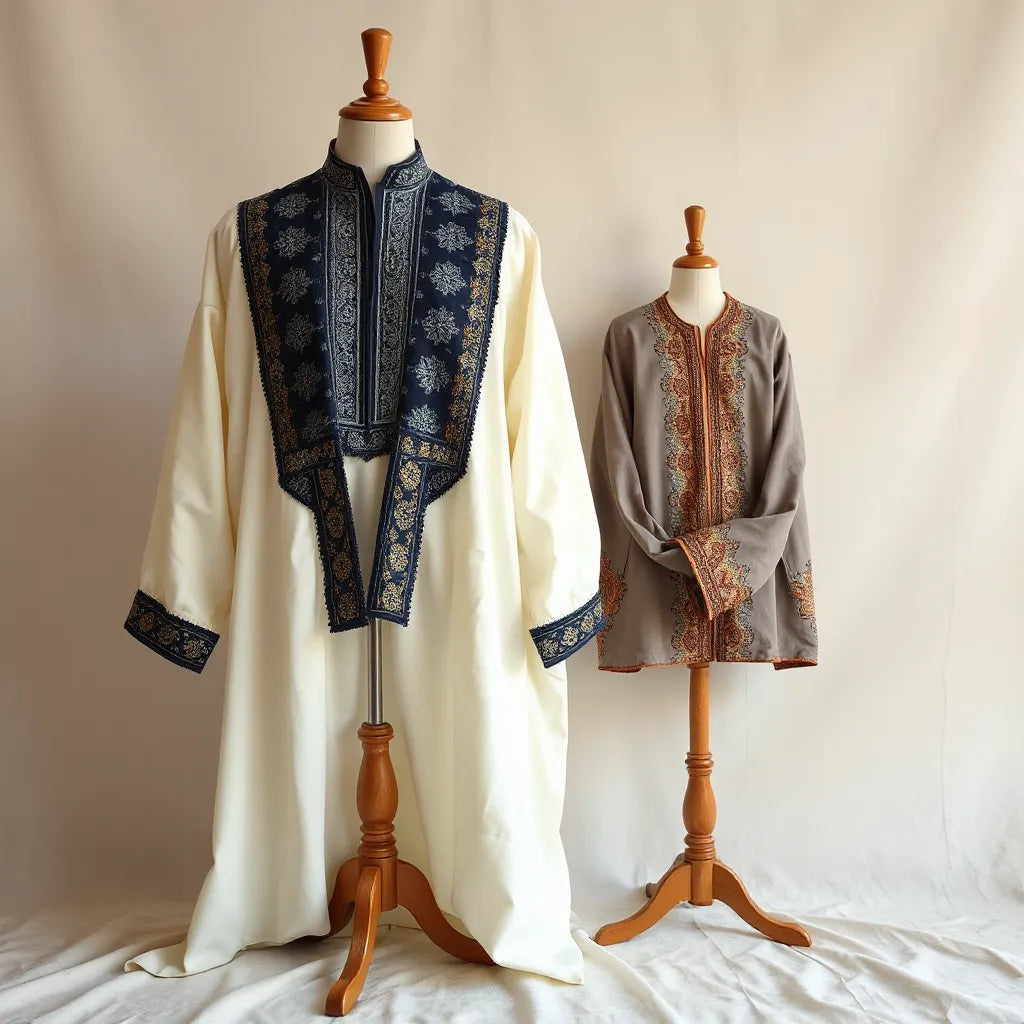
Detail planning is where traditional craftsmanship and modern restraint work together. Embroidery can be distributed to highlight key areas such as the chest, sleeves, or vertical seams. Tatreez-style stitchwork, when placed with intention, can guide the eye and create a balanced composition. Brides often benefit from selecting embroidery patterns that match the garment’s overall rhythm. For instance, if the thobe already features strong visual lines, consider more subtle embellishment elsewhere to maintain a refined look.
Another element to evaluate is lining and layering. A well-designed lining can prevent fabric cling, support modest coverage, and reduce discomfort during long wear. If your thobe includes multiple layers, ask about how the garment manages weight. Even if the outer fabric is light, layered construction can affect movement. A professional fitting ensures that the thobe stays comfortable while maintaining an elegant fall.
For brides who want a complete styling direction, consider coordinating the headwear structure with the thobe’s neckline. A neatly framed neckline pairs better with head coverings that create a stable, smooth boundary at the face. This improves the overall presentation in photographs and helps you feel confident in how your look holds throughout the day.

Balanced embroidery zones and light-catching fabric layers
Quick Tips for a Confident Bridal Decision
- Start with comfort measurements: shoulder width, sleeve length, waist placement, and walking ease.
- Choose fabric with the event environment in mind: indoor lighting, evening warmth, and time spent standing.
- Align embroidery with the garment structure: prioritize stitch placement that complements seams and paneling.
- Plan headwear compatibility: ensure the head covering drapes without creating excess bulk.
- Ask for a fitting-focused review: confirm hem length, neckline stability, and sleeve movement before finalizing.
- Coordinate accessories by tone: if the thobe has strong texture, select simpler jewelry to keep attention balanced.
- Test movement early: sit, stand, and walk during the fitting to confirm real-world comfort.
Summary and Next Steps
Elegant bridal thobes succeed when design beauty and practical comfort work in harmony. By choosing the right fabric, planning a silhouette that supports natural movement, and coordinating details with your headwear and accessories, you create a look that feels refined and authentic. Treat tailoring and fittings as essential steps, not optional extras. A small adjustment can transform how the garment looks on camera and how it feels during extended wear.
If you are building a cohesive bridal wardrobe, begin by selecting your primary thobe and then coordinate complementary modest wear items. You can explore additional modest wear styling ideas on Palestinian Elegance to support your overall look. For example, you may review curated headwear and inner layers such as:
Next, schedule a fitting with clear priorities: comfort, neckline stability, sleeve movement, and the way embroidery highlights your silhouette. With thoughtful planning, your bridal thobe will look elegant in every moment.
Q&A Section
How do I choose the right fabric for a bridal thobe that feels comfortable?
Select fabrics based on drape, breathability, and how the material behaves with movement. Light, flowing textiles often provide elegant motion, while well-considered lining helps reduce cling and discomfort. During fitting, evaluate how the thobe feels when you stand, sit, and lift your arms for photos.
What should I consider when coordinating my head covering with an elegant bridal thobe?
Focus on compatibility of drape and boundary lines. If the thobe has a flowing skirt, choose headwear that falls smoothly without creating bulk. Match tones and decide how much contrast you want between base fabric and decorative details so your overall look remains cohesive.
How can I ensure embroidery and finishing details look balanced in photos?
Check that embroidery placement follows the garment’s structure and directs the eye toward key areas such as the neckline and waist. In fitting, review photos under similar lighting conditions if available, and confirm that decorative zones do not create visual distractions where the garment naturally folds. A tailored fit typically improves how embroidery reads on camera.
Is tailoring essential for a bridal thobe, even if the size seems close?
Yes. Bridal garments often require adjustments to match posture, walking style, and the way you intend to wear accessories. Tailoring refines hem length, sleeve position, and neckline stability. Even minor changes can significantly improve comfort and the overall “finished” look.
About the Author Section
Sulieman Alhazma is an experienced fashion professional specializing in modest styling and heritage-inspired garment presentation. With a focus on fit, fabric behavior, and thoughtful finishing, they help customers plan looks that feel polished and wearable. This article reflects practical guidance drawn from real-world dressing and styling considerations. Sulieman Alhazma wishes you a confident bridal experience and a timeless result.
The content in this blog post is intended for general information purposes only. It should not be considered as professional, medical, or legal advice. For specific guidance related to your situation, please consult a qualified professional. The store does not assume responsibility for any decisions made based on this information.