

Updated on: 2026-04-28
This guide explains how to choose and style a fashionable headscarf for comfort, coverage, and everyday polish. You will learn how to match fabric weight, color, and finish to your lifestyle and climate. The post also covers practical styling methods such as layering, securing, and balancing volume. Finally, you will find a short FAQ to answer common fit and care questions.
1. What a Fashionable Headscarf Means in Practice
3. How to Choose the Right Fabric, Fit, and Color
4. Styling Techniques for a Polished Look
5. Care and Maintenance for Long-Lasting Wear
6. Shop Smart Tips for Modest Styling
What a Fashionable Headscarf Means in Practice
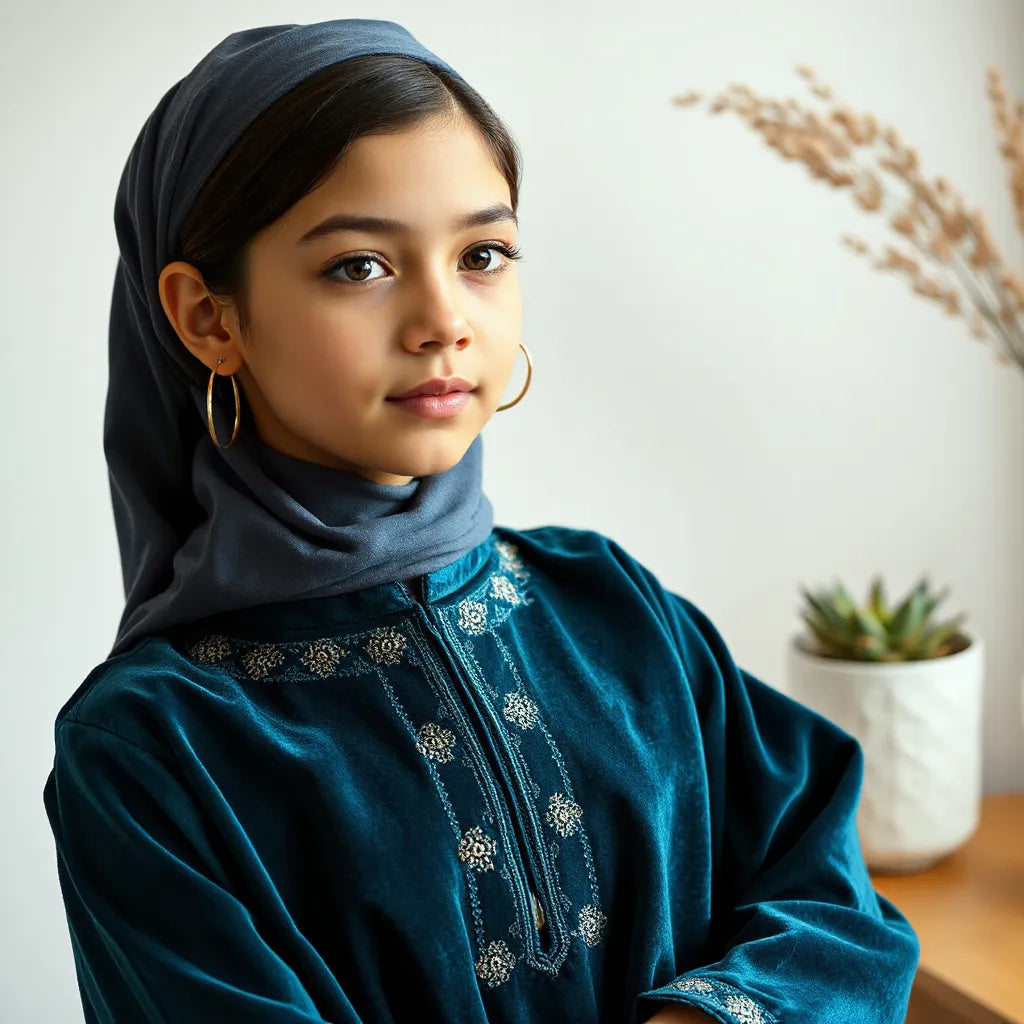
A fashionable headscarf is not only about appearance. It is also about reliable comfort, thoughtful coverage, and a finish that suits your daily routine. Modern modest styling often blends refined drape with secure wear. That balance helps you feel composed whether you are commuting, working, or attending family gatherings.
To make the right choice, consider how the fabric behaves, how the scarf frames your face, and how it stays in place. A well-chosen piece can elevate simple outfits while maintaining a respectful, practical silhouette. If you want a consistent look, start with fabric selection and then build your styling around it.
Benefits & Reasons
Comfort that lasts beyond the first hour. The best scarves feel smooth against the skin and do not shift constantly. That reduces the need for frequent adjustments and helps you stay focused.
Coverage with a clean visual line. When a scarf is cut and draped well, it creates an organized shape around the neck and shoulders. This supports modest dressing that looks intentional.
Style versatility across seasons. Lightweight fabrics work for warm months, while slightly heavier textiles add structure in cooler weather. You can also change the look through layering and color coordination.
Better outfit harmony. A fashionable headscarf can unify multiple garments, such as a long dress, a tunic, or a modest two-piece set. It can also soften harsh contrasts by blending tones and textures.

Fabric swatches, drape lines, and color harmony symbols
How to Choose the Right Fabric, Fit, and Color
Fabric choice is the foundation of a polished look. It affects how the scarf falls, how it feels during wear, and how it responds to movement. Start by asking what you need most.
Choose fabric weight based on your daily environment
For warmer conditions, look for airy, breathable options that create gentle movement. For cooler days, select fabrics that hold shape slightly longer. If you are layering, the outer scarf should work with the inner base rather than fight it. This is one reason many people pair chiffon-style textures with supportive underlayers.
Prioritize fit that matches your face shape and personal style
Some looks prefer a close, streamlined neckline. Others favor volume around the crown for a softer frame. You can achieve either goal by adjusting how you wrap, where you place the seam or fold, and how you secure the sides.
If you prefer minimal bulk, choose designs that lay flat at the forehead and do not create excess thickness at the temples. If you prefer a more structured silhouette, look for options that drape with a clear line rather than scatter.
Select color with intention, not only trend
Color influences how your outfit feels. Neutral tones pair easily with everyday wardrobes. Rich colors can become a focal point, especially when the rest of the outfit remains calm. If you enjoy pattern, keep the palette controlled by echoing one tone from the scarf elsewhere in your look.
A reliable approach is to think in three layers: base colors, accent colors, and texture. This method prevents the outfit from feeling scattered and helps the scarf look effortless.
Think about inner layers for stability
A secure under layer often makes the most visible difference. It can smooth the skin feel, reduce slipping, and improve how the outer fabric drapes. If you need a dependable base, you may consider a cotton inner scarf or an undercap that matches your comfort preference. For example, you can explore an underlayer option here: cotton inner hijab.
Styling Techniques for a Polished Look
Good styling turns a simple scarf into a complete outfit statement. The goal is to balance security with softness. Use small adjustments rather than large changes so the look stays consistent.
Layer for comfort, then refine for shape
Begin with your inner layer. Ensure it sits evenly along the hairline and around the ears. Next, add the outer scarf and guide the drape so the neckline looks continuous rather than jagged. After that, refine the shoulders and let the fabric fall naturally.
Use strategic pin placement instead of over-tightening
Over-tightening can create tension lines and discomfort. Instead, place fasteners where fabric naturally meets, then smooth outward. This supports a clean silhouette and reduces the need for repeated readjustment.
Balance volume at the front and sides
If you create volume at the crown, keep the sides smoother to avoid a heavy look. If you prefer a flatter front, allow slightly more drape at the back. Either approach can look refined as long as the line remains intentional.
Match textures for a cohesive finish
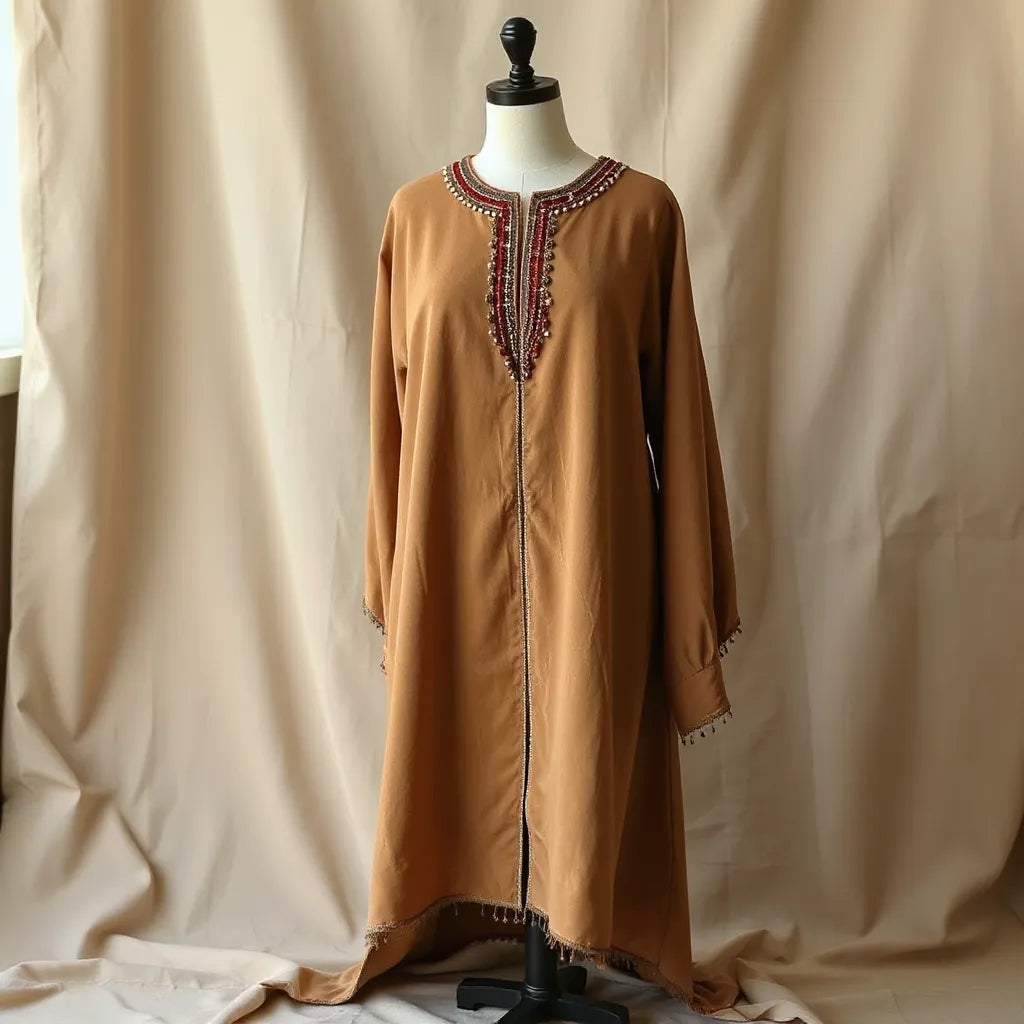
Mixing textures can elevate modest styling. Pair a soft, fluid outer layer with a breathable under layer. If you are wearing Tatreez-inspired details or artisan embroidery on your garment, keep the scarf texture calm so the embroidery remains visible. If you want a lighter look, choose fabrics that move gently and do not overpower your outfit.
Product highlight for inspiration:
Colorful Kuffiyehs: Cultural Heritage and Versatile Style
View Colorful Kuffiyehs

Neckline contour, pin points, and balanced drape lines
Care and Maintenance for Long-Lasting Wear
To preserve the look of a fashionable headscarf, use care methods that respect the fabric. Gentle handling reduces pilling, dullness, and stretching. Consistent maintenance also supports better drape over time.
Wash and dry with fabric behavior in mind
Always follow the garment guidance associated with the material. In general, delicate fabrics benefit from mild cleaning and careful drying. Avoid harsh heat that can weaken fibers or affect color depth. For scarves that are prone to wrinkles, allow them to dry flat when possible and then smooth while still slightly damp.
Store to protect shape
When storing, fold along natural creases rather than forcing sharp angles. If you hang scarves, ensure the inner edge is supported to prevent stretching. Use breathable storage rather than sealed damp environments.
Refresh between washes
Steam can help reset the drape without heavy washing. Use low to moderate settings and keep the tool at a safe distance. If the scarf picks up dust from daily wear, a light airing period before storage can also help maintain freshness.
Shop Smart Tips for Modest Styling
Shopping strategically saves time and improves results. Rather than buying many similar pieces, select a few that cover your needs: one everyday neutral, one elevated option, and one versatile texture for seasonal changes.
Choose complementary styles for layering
For many wardrobes, a scarf works best when it connects with your inner base and any undercap structure. If you prefer added coverage around the head and neck, look for bonnet options. You can review a related selection here: closed bonnet styling.
Consider how the scarf secures in motion
Some wraps stay comfortable because they distribute tension evenly. Others require more frequent readjustment. If you commute often or move throughout your day, prioritize stability and comfort. A well-fitting under layer can reduce slippage and help the outer scarf keep its intended line.
Use trusted fabric families for consistency
Chiffon-like textures are valued for softness and graceful movement. Cotton and cotton blends are valued for breathability and everyday ease. If you want a more refined drape, explore options in premium chiffon families through this collection: premium soft chiffon hijab.
Complete your look with coordinated modest wear
A scarf can be elevated when paired with thoughtful garment design. If you like strapless or structured silhouettes, you can plan your scarf placement accordingly. For elegant modest dressing inspiration, you may find this selection helpful: open abaya set styling.
For additional everyday styling ideas beyond headscarf form factors, you can also review this resource: Trendy Outfit Ideas for Effortless Everyday Style Tips.
FAQ
How do I prevent my headscarf from slipping during the day?
Start with a stable under layer that fits your hairline and sits smoothly around the ears. Then place securing fasteners where the fabric naturally meets, and avoid over-tightening. If you notice recurring slipping, reassess the size, fabric weight, and how the scarf drapes at the neckline.
What is the best fabric for a fashionable headscarf in warm weather?
Many people prefer lighter, breathable fabrics that create gentle movement and do not trap heat. Look for textiles that feel smooth against the skin and that pair well with cotton or similar under layers for comfort and stability.
How can I match a headscarf to an embroidered outfit?
Choose a scarf with a complementary tone and a texture that does not compete with the embroidery. If the garment features fine detail, consider a calmer, smoother scarf finish. You can also echo one color from the embroidery in the scarf to create a cohesive visual flow.
Final Thoughts & Recommendations
A fashionable headscarf becomes truly effortless when the fabric, fit, and styling choices work together. Focus on breathable comfort, a secure base layer, and an intentional drape that frames your neckline and face. When you select colors and textures with a simple plan, your outfits look coordinated with minimal effort.
If you are building a modest wardrobe, start with a few reliable fabric types and add variety through drape and tone. For continued inspiration, explore curated modest wear options at Palestinian Elegance and refine your personal styling system over time.
Explore soft flow chiffon styles
About the Author
Sulieman Alhazma is a fashion and modest-wear specialist with expertise in artisan craftsmanship, garment styling, and wardrobe building. With a focus on cultural heritage and practical elegance, Sulieman supports readers in choosing pieces that look refined and feel comfortable. Their approach emphasizes quality materials, thoughtful fit, and respectful presentation. Thank you for reading and for investing in your personal style journey.
Disclaimer: This article is for general information and style guidance only. Fabric performance, sizing, and comfort may vary by person and product; always refer to the specific item details and care instructions provided by the seller.
The content in this blog post is intended for general information purposes only. It should not be considered as professional, medical, or legal advice. For specific guidance related to your situation, please consult a qualified professional. The store does not assume responsibility for any decisions made based on this information.