

Updated on: 2026-05-31
Handcrafted Palestinian jewelry connects everyday style with cultural storytelling.
This guide explains how to choose quality, care for materials, and style pieces with confidence.
You will learn practical steps for evaluating craftsmanship, selecting sizes, and maintaining luster over time.
By the end, you will be able to build a meaningful jewelry wardrobe that lasts.
Table of Contents
1. Essential Tips
2. Detailed Step-by-Step Process
3. How to Evaluate Craftsmanship
4. Materials and Styling Considerations
5. Care and Long-Term Maintenance
6. Summary & Takeaway
7. Q&A Section
8. About the Author
Handcrafted Palestinian jewelry offers a distinct blend of artistry, symbolism, and daily wearability. It is more than an accessory; it reflects heritage through pattern, texture, and careful finishing. If you want to choose pieces that look refined, feel comfortable, and remain beautiful with proper care, this practical guide will help you make confident decisions.
Essential Tips
- Focus on visible finishing: consistent edges, clean joins, and stable settings support long-term wear.
- Match the piece to your routine: choose lightweight options for daily use and statement shapes for events.
- Look for design balance: consider how the jewelry interacts with neckline, hairstyle, and clothing texture.
- Prefer materials that suit your lifestyle: evaluate sensitivity to water, heat, and frequent friction.
- Buy from trusted sellers that describe materials and construction clearly.
Detailed Step-by-Step Process
Use the steps below to select and maintain handcrafted Palestinian jewelry with a clear quality standard.
-
Define your purpose. Decide whether the piece is for everyday styling, formal occasions, or gift giving.
-
Assess comfort and fit. Check how weight is distributed and whether closures sit securely without pressure.
-
Inspect construction details. Look for uniformity in pattern alignment, steady attachments, and smooth surfaces.
-
Confirm material behavior. Identify how the finish responds to moisture and how easily it can be cleaned.
-
Evaluate scale and proportions. Ensure the size complements your face shape, collar height, and overall outfit structure.
-
Plan a styling test. Wear the piece in combination with a top, scarf, or dress you already own to confirm visual harmony.
-
Set a care routine. Store correctly, avoid unnecessary exposure, and clean gently after wear.

Checklist visuals for craftsmanship, fit, and care routines
When you follow a structured process, you reduce the risk of choosing a piece that looks appealing in a single photo but performs poorly over time.
How to Evaluate Craftsmanship
Craftsmanship is the core advantage of handcrafted Palestinian jewelry. Quality often appears in the details, not only in the overall design. Use the following criteria to evaluate construction and finishing.
Check pattern clarity and symmetry
A well-made piece typically shows consistent spacing and deliberate alignment. Even when a design is complex, edges and motifs should look intentional rather than accidental. If a pattern appears blurred or uneven across sections, the finishing may be rushed.
Examine join points and movement
Jewelry that uses multiple components should feel stable. Movement should be controlled, and joins should not create sharp transitions. For example, links, clasps, and hooks should close without wobble or grinding.
Confirm surface smoothness
Comfort depends on how the surface is finished. Run a fingertip lightly over the piece. Surfaces should feel even, and edges should not snag. Smooth finishing also helps reduce friction against fabric and hair.
Look for purposeful weight distribution
Statement shapes require thoughtful balancing. Heavy elements should be supported by secure connections and should not tilt unexpectedly. This is especially important for earrings, where comfort directly affects daily wear.
Verify care compatibility
Ask how the maker recommends cleaning and storage. Jewelry that tolerates gentle care will stay attractive for longer. Avoid pieces with finishes that require complex processes unless you are ready to maintain them consistently.
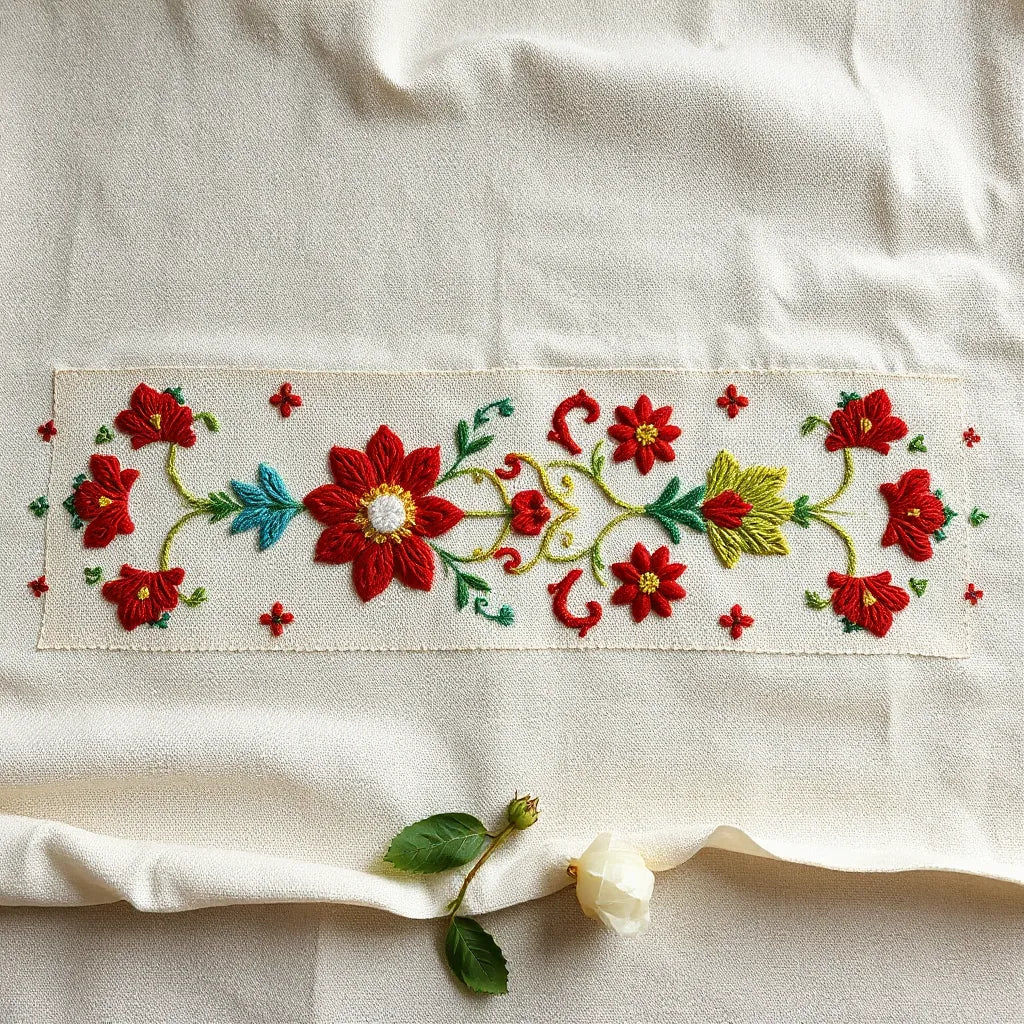
If you enjoy traditional textile craft, consider how the same standard of careful work applies across categories. Palestinian heritage often expresses itself through multiple art forms, including embroidered details and woven patterns. Quality is visible in how materials are handled, not only in how they are photographed.
Materials and Styling Considerations
Material selection shapes both appearance and performance. While designs may share cultural inspiration, the feel and longevity vary depending on the base components and surface finishing.
Choose the right finish for your wardrobe
Neutral finishes often pair easily with everyday tones. Warmer hues can complement earthy clothing colors, while cooler tones can brighten a simple outfit. The best choice is the one that visually supports your clothing palette without overpowering it.
Coordinate with neckline and hair design
For open necklines, structured earrings or pendants can frame the face. For higher necklines, shorter pieces often look balanced. If you wear hair close to the head, choose designs that do not clash with the silhouette of your hairstyle.
Style with modest wear principles
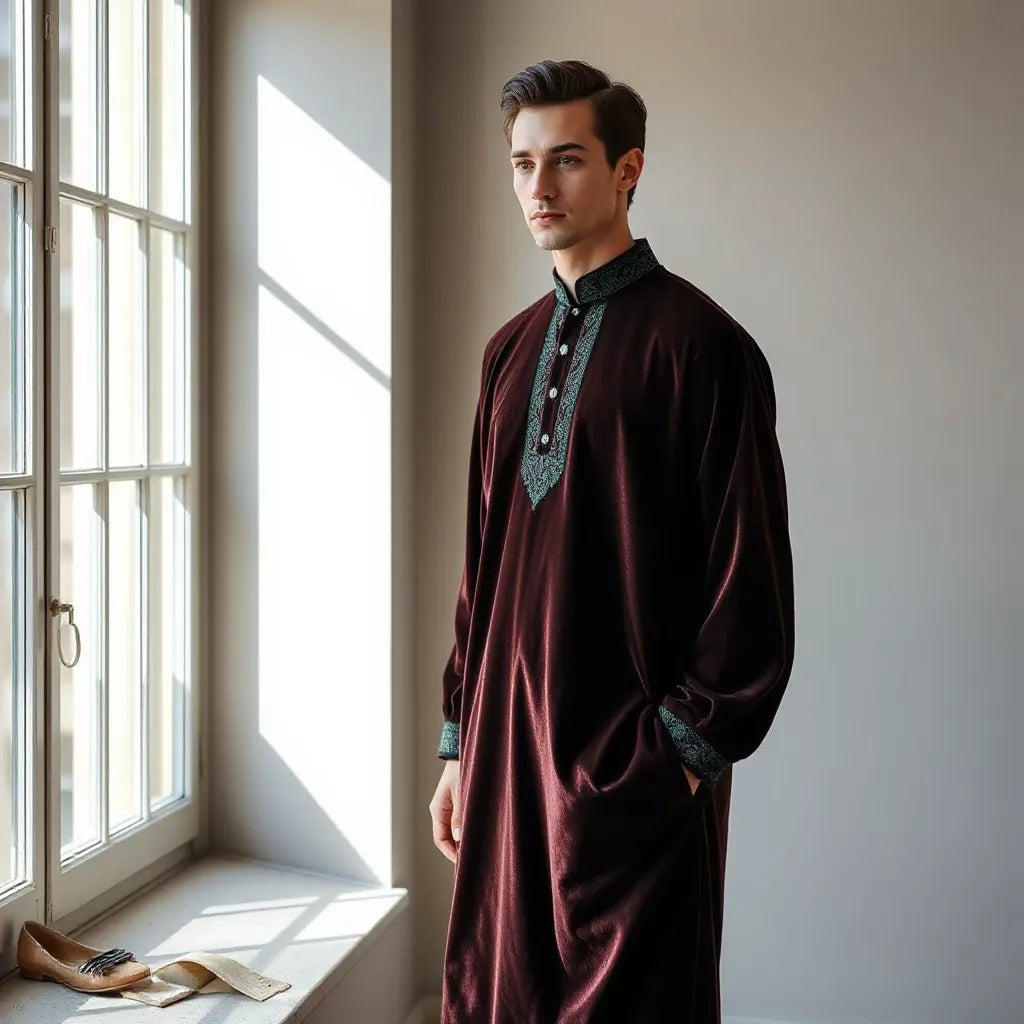
Modest styling is not about limiting expression; it is about intentional balance. You can pair handcrafted Palestinian jewelry with modest outfits by matching texture density. For example, if your clothing has strong embroidery or layered fabric, choose jewelry with cleaner lines. If your outfit is more minimal, you can select a piece with stronger pattern presence.
Handcrafted Palestinian jewelry also pairs well with structured accessories and artisan-made textiles. If you want to explore modest wardrobe styling that harmonizes with artisan craft, you can review outfit-focused pieces on Palestinian Elegance. For example, if you prefer coordinated scarf styling, you may find relevant options here: premium chiffon hijab. This approach supports a cohesive look without requiring over-accessorizing.

Layered styling board: neckline, earrings, and texture balance
Use color intentionally
Color is often the strongest signal of cultural and artistic identity. When you select jewelry, consider the dominant tones in your clothing and scarf palette. A small repeating hue can unify the look, while unrelated colors may create visual friction.
Keep comfort in focus
Comfort includes skin contact, pressure points, and movement. For daily wear, choose pieces with gentle closures and smooth edges. For special occasions, you may opt for more intricate designs, as long as the piece remains comfortable for the full duration of the event.
Care and Long-Term Maintenance
Long-term beauty depends on simple habits. With consistent maintenance, handcrafted Palestinian jewelry can keep its visual clarity and feel.
Store pieces to prevent friction
Store jewelry separately to reduce scratches and surface wear. Use individual compartments when available. Friction can dull finishes and can also affect delicate components.
Clean gently, not aggressively
Cleaning should match the jewelry finish. Use a soft cloth for routine maintenance. If deeper cleaning is necessary, follow recommended methods from the seller or maker. Avoid harsh abrasives that can damage surface details and reduce shine.
Reduce exposure to moisture and heat
Moisture can weaken certain attachments and can affect luster over time. Heat can also change how some finishes behave. If you wear jewelry during activities involving steam, heavy water exposure, or intense sun, remove the pieces beforehand.
Avoid chemical contact
Perfume, lotions, hair products, and cleaning chemicals may alter finishes. Apply personal care items first, let them dry, and then put on jewelry. This simple sequence reduces unwanted residue buildup.
Schedule periodic checks
For pieces that receive regular wear, check closures and join points every few months. Early detection prevents minor issues from becoming larger repairs.
If you enjoy home styling and design, you may also appreciate practical advice on how color and material choices work together. For a related perspective on styling with a strong color identity, you can see: Vintage Green Glass Chandelier Styling Tips for Every Room. The same principle applies to jewelry: thoughtful coordination creates an intentional look.
Summary & Takeaway
Handcrafted Palestinian jewelry is defined by craftsmanship, comfort, and cultural expression. Start with a clear purpose, evaluate finishing details and fit, and choose materials that match your lifestyle. Care is straightforward: store properly, clean gently, and minimize chemical and moisture exposure. When you apply these practices, your jewelry wardrobe becomes more reliable, visually cohesive, and meaningful.
Q&A Section
How can I tell if handcrafted Palestinian jewelry is made with careful workmanship?
Look for consistent pattern alignment, stable joins, smooth surfaces, and controlled movement at clasps or hooks. A well-finished piece should feel even to the touch and should not wobble where components connect.
What is the safest way to clean jewelry without damaging the finish?
Use a soft, dry cloth for routine cleaning. If deeper cleaning is required, follow the seller or maker guidance for the specific materials and finish. Avoid abrasive cleaners, and do not soak unless the recommended method explicitly allows it.
How should I store jewelry to extend its lifespan?
Store pieces separately in compartments to prevent friction and scratches. Keep jewelry dry and away from heat sources. Use pouches or segmented organizers when possible so each item remains protected during storage.
About the Author
Sulieman Alhazma is an expert in artisan-led styling and heritage-inspired product education, with a focus on how craftsmanship affects long-term value. Their work emphasizes practical guidance for quality assessment, comfort, and maintenance. Sulieman also supports family-centered retail approaches that prioritize cultural preservation. Thank you for reading and for choosing thoughtful, enduring pieces.
Disclaimer: This article is for educational purposes only and does not guarantee specific results for every jewelry material or finish. Always follow the care guidance provided by the seller or maker for your specific handcrafted Palestinian jewelry.
The content in this blog post is intended for general information purposes only. It should not be considered as professional, medical, or legal advice. For specific guidance related to your situation, please consult a qualified professional. The store does not assume responsibility for any decisions made based on this information.