

Updated on: 2026-07-25
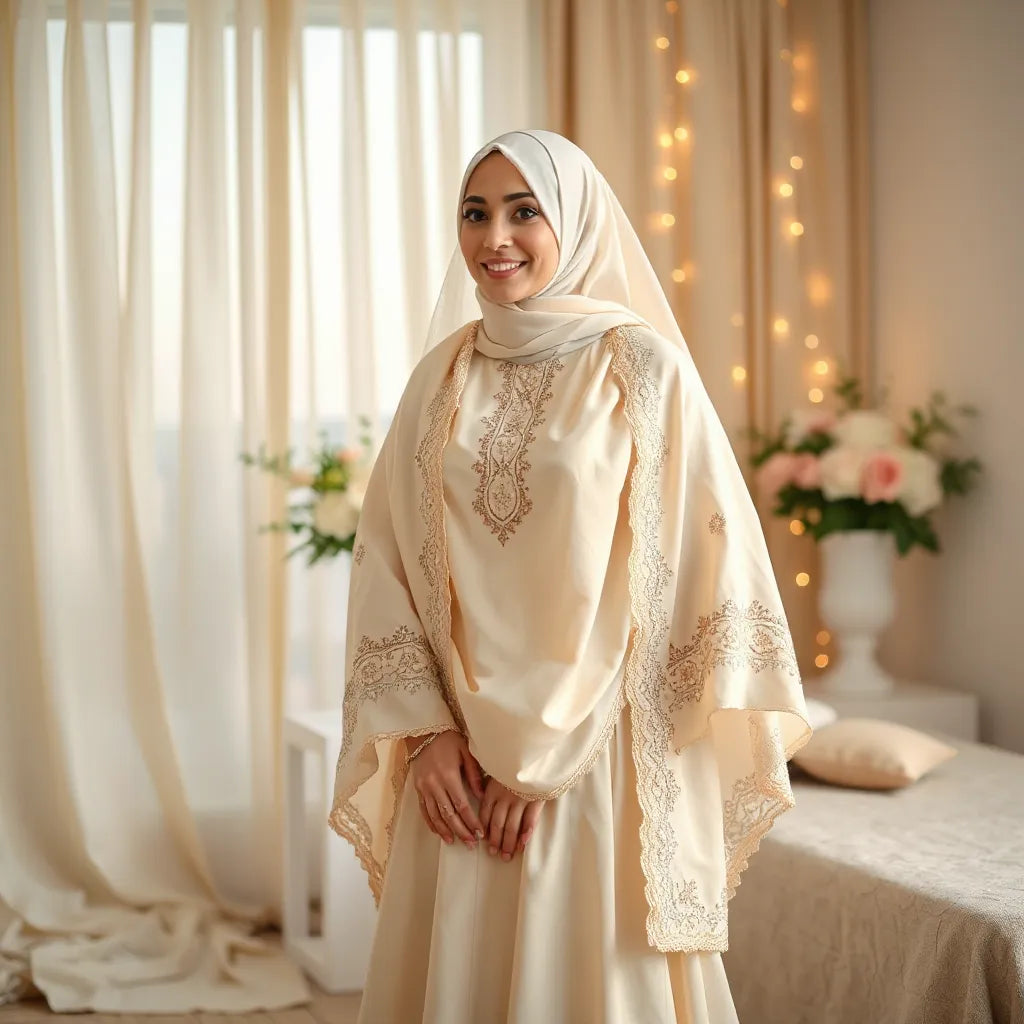
Heritage Occasion Wear helps you dress with meaning for milestones, visits, and formal celebrations. It combines classic silhouettes, thoughtful color choices, and artisan detail that reflects cultural identity. With the right fit and fabric selection, you can feel polished while staying comfortable through long events. This guide explains how to plan an outfit, select fabrics, and style modest layers with confidence.
Introduction
When an occasion calls for formality, the details matter. Heritage Occasion Wear is not only about appearance; it is about intention. It brings together timeless design, modest elegance, and artisan finishing that honors family traditions. Whether you are dressing for a family celebration, a formal gathering, or a ceremonial visit, a heritage-inspired outfit can make you feel grounded and composed.
In modern wardrobes, modest formal dressing should remain practical. You need a look that photographs well, moves comfortably, and fits the tone of the event. The best approach is to plan your outfit around three pillars: silhouette, fabric behavior, and finishing details. Once these elements are aligned, styling becomes simpler and the result looks naturally refined.
Did You Know?
- Many heritage wardrobes use color families to create instant harmony across outfits.
- Traditional hand-embroidery often adds structure without feeling bulky.
- Layering can improve drape, reduce shifting, and support a smooth neckline.
- Coordinated accessories help modest styling look intentional, not improvised.
Heritage Occasion Wear Planning Checklist
Strong outfits begin before you shop. A planning checklist reduces decision fatigue and helps you build a cohesive look. Start with the occasion, then define the level of formality, and finally select elements that complement your body shape and movement needs.
- Confirm the dress code tone: formal, semi-formal, or ceremonial. Use the venue and time of day as context.
- Choose one focal detail: artisan embroidery, a statement textile, or a refined silhouette. Avoid stacking too many focal points.
- Plan your color direction: decide on neutrals for versatility and one accent for celebration.
- Set a comfort target: consider event duration, seating style, and walking distance.
- Verify layering requirements: select an underlayer that supports smoothness and prevents shifting.
- Test movement: stand, sit, and raise your arms to ensure the outfit remains comfortable.
If you want to refine modest layering for an elegant finish, consider pairing a heritage-inspired dress or set with a properly designed head and under-scarf foundation. For example, a cotton inner layer can improve grip and comfort. You can explore relevant options here: cotton under-scarf bonnet and here: cotton inner hijab.

Color swatches and fabric swirls with event silhouettes
Building a cohesive “event story”
Think of your outfit as a story. The silhouette sets the tone, the fabric provides the mood, and the finishing details deliver the meaning. If the event is traditional, let the silhouette lean classic and allow embroidery to lead. If the event is more modern, choose a clean drape and add heritage texture through complementary accessories.
To maintain balance, keep the primary fabric and color consistent. Then add one complementary textile that provides contrast in texture rather than competing in color. This method helps your look remain sophisticated and avoids visual clutter.
Expert Tips for Styling Modest Formal Looks
Professionals in modest fashion and personal styling focus on repeatable choices. These strategies make your outfit look polished even when you are not adjusting it repeatedly throughout the event.
- Use a neckline plan: decide how much of the collar and shoulders you want to reveal. A well-set neckline frames your face and improves overall structure.
- Match undertones, not only colors: warm undertones pair naturally with earthy tones; cool undertones pair smoothly with jewel-like shades.
- Coordinate headwear with intent: choose a head covering that supports the outfit’s silhouette and balances volume.
- Limit hardware variety: if the outfit features embroidery, keep accessory hardware minimal to preserve elegance.
- Check proportions: refined looks often use one element that is slightly more pronounced, such as a waist detail or a textured panel.
For headwear guidance, many shoppers benefit from structured, heritage-friendly headpieces that hold shape while maintaining modest coverage. For a classic head-covering option, review this: syrian-style closed bonnet.
How to choose accessories without overloading the look
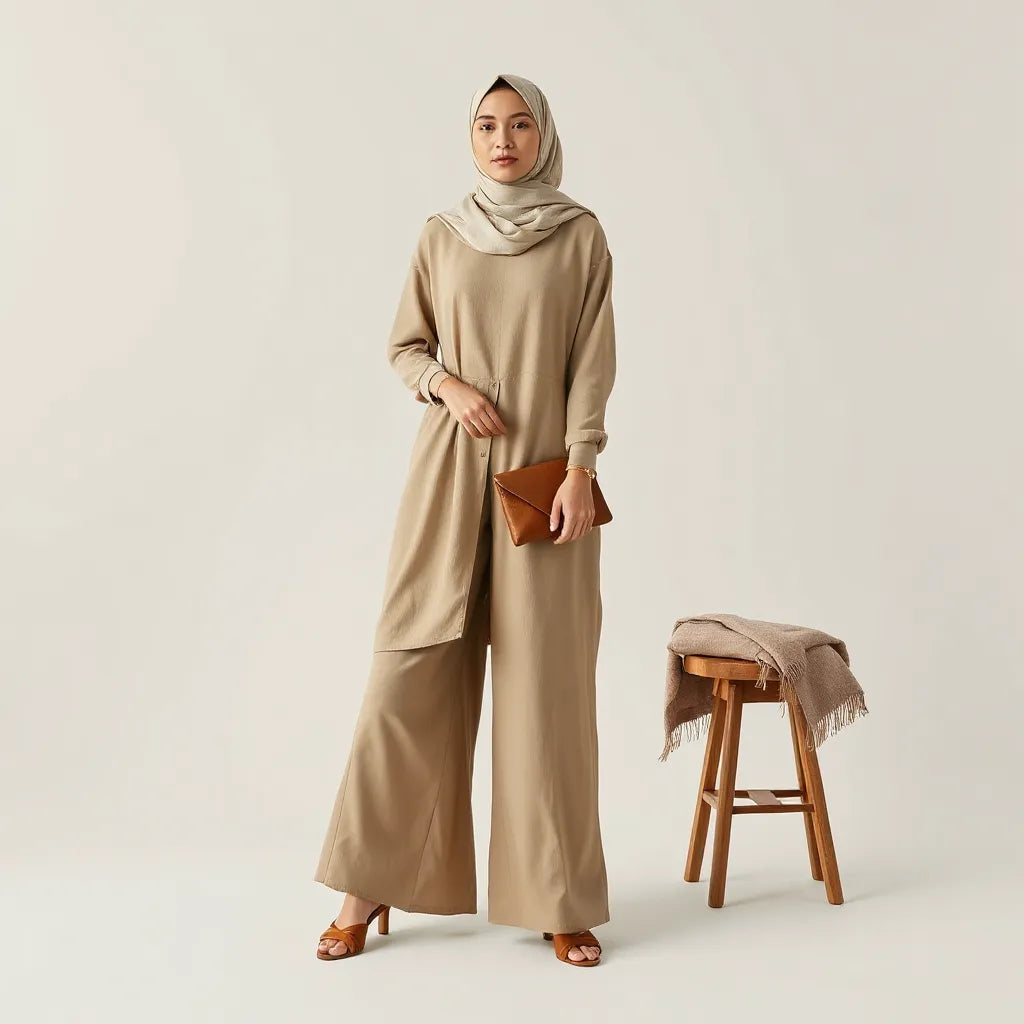
Heritage Occasion Wear often includes artisan detail such as embroidery, woven textures, or patterned textiles. In such cases, accessories should behave like supportive punctuation. Select small earrings that do not compete with embroidery. Choose a bag style that is practical and refined. Then ensure your belt or sash, if used, aligns with the color family rather than introducing multiple competing shades.
Footwear also matters. Formal footwear should complement the outfit’s overall length and movement. If your outfit includes long lines, choose shoes that maintain a clean profile and allow the hem to move smoothly.
Fit, Fabric, and Comfort for Event Day
Comfort is a design feature, not a compromise. When a garment fits well and behaves predictably, you can focus on conversation and celebration rather than repeated adjustments.
Fit principles that improve elegance
- Mind the shoulder line: a stable shoulder line keeps the garment looking neat in photos and during movement.
- Allow gentle ease in the torso: ease supports seated comfort and reduces pulling across seams.
- Check sleeve behavior: sleeves should fall naturally and not twist when you move.
- Confirm hem movement: the hem should clear your steps and remain comfortable when walking.
Fabric behavior that matters for formal events
Fabric affects how light moves across the garment, how the silhouette holds, and how the outfit feels across hours. For heritage-inspired formal wear, look for fabrics that drape with intention and maintain a refined surface. Consider the following:
- Drape quality: a fabric should fall smoothly and avoid excessive cling.
- Breathability: comfort improves when the fabric supports airflow.
- Wrinkle resilience: event days rarely follow a perfect schedule; moderate wrinkle resistance helps your look stay presentable.
- Layer compatibility: fabrics should layer without producing bulk at the neckline and shoulders.
When selecting a head covering to complete the outfit, remember that headwear must remain secure while still looking elegant. A well-chosen scarf or bonnet reduces slipping and supports a clean frame for your face. If you want a refined chiffon option, you can review: soft flow chiffon.

Silhouette outlines showing drape, movement, and layered framing
Visual Guide: Color and Texture Coordination
Heritage formal dressing becomes easier when you coordinate color and texture deliberately. Instead of matching every element exactly, aim for controlled variation. This approach makes your outfit feel curated and helps it photograph well.
Three coordination rules that work in most settings
- Choose a base, a supporting tone, and an accent: a base neutral supports the overall look, a supporting tone adds depth, and an accent highlights the occasion.
- Use texture contrast, not texture competition: pair smooth drape with embroidery or a subtle woven surface.
- Keep undertones consistent: when the fabric undertone matches your headwear and accessories, the entire look appears more cohesive.
To visualize your choices, lay out your selected tones and textures next to each other. Observe how they look in daylight. If you notice harsh contrast that feels unbalanced, shift the accent slightly darker or lighter. Small adjustments protect the overall elegance of Heritage Occasion Wear and help the outfit appear intentional from every angle.
Personal Anecdote: Dressing with Cultural Confidence
Years ago, I attended a family celebration where people were dressed with careful attention to tradition. I remember arriving early and noticing that the most memorable outfits were not necessarily the most elaborate. They were the ones that looked comfortable, well-fitted, and thoughtfully coordinated. One relative had chosen a classic silhouette and let artisan detailing define the mood. Another had used a refined color palette, keeping accessories minimal so the textile work could take center stage.
What stayed with me most was the feeling in the room. Everyone looked confident, not because the outfits were loud, but because each person appeared connected to the meaning of the event. That perspective changed how I approach formal dressing. I now plan my outfits like a system: silhouette first, fabric second, finishing details last. The result is always calmer, more intentional, and more sustainable for future events.
That same approach applies to Heritage Occasion Wear today. When you dress with clarity, you can enjoy the moment without second-guessing your styling decisions.
Summary & Takeaways
Heritage Occasion Wear is a reliable way to look refined while honoring tradition. The strongest outfits start with planning: confirm the event tone, select a single focal detail, and build a cohesive color direction. Then focus on fit and fabric behavior so the outfit remains comfortable throughout the event. Finish with modest layering, coordinated accessories, and headwear that frames the face neatly.
- Plan your outfit around silhouette, fabric behavior, and finishing details.
- Keep color undertones consistent and use one accent to celebrate the occasion.
- Prioritize comfort through proper layering and fit checks.
- Choose accessories that support embroidery and textiles rather than competing with them.
If you want to explore heritage-inspired modest layers and event-ready textiles, consider building a complete look by matching underlayers and head foundations that support stability and drape. Start with a comfort-first base, then add refined finishing details that align with the occasion.
Q&A Section
What makes Heritage Occasion Wear different from standard formal clothing?
It combines classic silhouettes and modest elegance with heritage-specific finishing such as artisan embroidery, traditional textile textures, and culturally rooted design cues. The goal is not only formality, but also meaningful presentation through intentional details and harmonious coordination.
How do I style a formal modest outfit if I am attending a long event?
Choose fabrics that drape smoothly and layer in a way that prevents shifting. Confirm fit by standing and sitting before the event. Use a secure underlayer and a headwear option that stays in place, so you do not need frequent adjustments. Keep accessories minimal and comfortable.
What is the safest color strategy for a heritage-inspired celebration outfit?
Select one base color family, add a supporting tone for depth, and introduce a single accent that reflects the occasion. Keep undertones aligned across the outfit and headwear. This method preserves balance and reduces the risk of visual clutter.
How should I decide between embroidery-heavy and simpler designs?
Match the embroidery intensity to the event tone and the rest of your styling. If the garment has prominent artisan detail, keep the rest of the look clean and understated. If the garment is simpler, you can elevate the outfit with coordinated headwear, refined accessories, and careful texture contrast.
About the Author
Sulieman Alhazma specializes in modest fashion styling with a focus on heritage-inspired design and artisan finishing. With experience guiding customers through outfit planning, fabric coordination, and cultural presentation, he helps shoppers create looks that feel intentional and comfortable. His approach emphasizes practical styling, thoughtful layering, and long-term wardrobe value. Warm and detail-oriented, he welcomes readers to dress with confidence and clarity.
Disclaimer: This article is for informational and styling guidance only. Fabric behavior and fit can vary by garment construction and individual preferences; always refer to product details and care instructions before use.
The content in this blog post is intended for general information purposes only. It should not be considered as professional, medical, or legal advice. For specific guidance related to your situation, please consult a qualified professional. The store does not assume responsibility for any decisions made based on this information.