

Updated on: 2026-05-28
Heritage Occasion Wear helps you dress with meaning for celebrations and formal moments. It blends refined modest style with cultural details and thoughtful craftsmanship. When you choose pieces designed to last, you also support artisan skills and timeless design values. This guide explains what to look for, how to style a complete look, and how to care for your garments responsibly.
Table of Contents
Introduction
Benefits & Reasons
Key Design Signals to Look For
A Practical Styling Approach
Matching Your Outfit to the Occasion Mindset
Visual Guidance
Care and Maintenance for Longevity
Visual Guidance
FAQ
Final Thoughts & Recommendations
About the Author
Introduction
Choosing Heritage Occasion Wear is not only about appearance. It is about expressing identity with quiet confidence. A well-made outfit can carry your comfort, your personal standards, and the visual richness of heritage details. For weddings, family gatherings, and formal visits, the right modest ensemble supports movement, breathability, and a polished silhouette.
In this guide, you will learn how to evaluate fabrics, construction, and embellishment quality. You will also find styling principles that help you coordinate garments and headwear without stress. The goal is simple: help you build a lasting wardrobe of occasion-ready pieces that look refined, feel comfortable, and remain relevant through years of celebrations.
Benefits & Reasons
Timeless design that stays appropriate. Heritage-focused modest wear often uses proportions and motifs that do not rely on short-lived trends. This makes your outfit a dependable choice for recurring events.
Visible craftsmanship and intentional details. Quality occasion pieces typically show careful finishing. Embroidery, structured tailoring, and well-considered seams add clarity to your look and help garments hold their shape.
Better comfort for long events. Thoughtful materials and construction support comfort across hours of standing, walking, and sitting. Your outfit should feel secure without restricting your posture.
Stronger personal storytelling. When you wear meaningful design elements, you communicate values through style. Heritage Occasion Wear can be a graceful way to honor family history while maintaining modern elegance.
Key Design Signals to Look For
When you shop for Heritage Occasion Wear, use a simple checklist. Look for clear evidence of quality rather than vague promises. Start with fabric behavior, then move to construction, and finally assess finishing and fit.
1) Fabric composition and drape
For formal modest looks, drape is essential. Fabrics should fall smoothly and move naturally when you walk. Consider lightweight options for warm settings and structured options for more defined silhouettes.
2) Tailoring and seam integrity
High-quality seams reduce twisting and prevent premature stress. Reinforced areas near openings, hems, and closures help garments remain stable during repeated wear.
3) Embellishment quality
If an outfit includes embroidery or decorative detailing, assess how evenly motifs are placed. Look for clean edges and secure threadwork. Well-finished embroidery remains crisp and does not feel rough against the skin.
4) Coverage planning
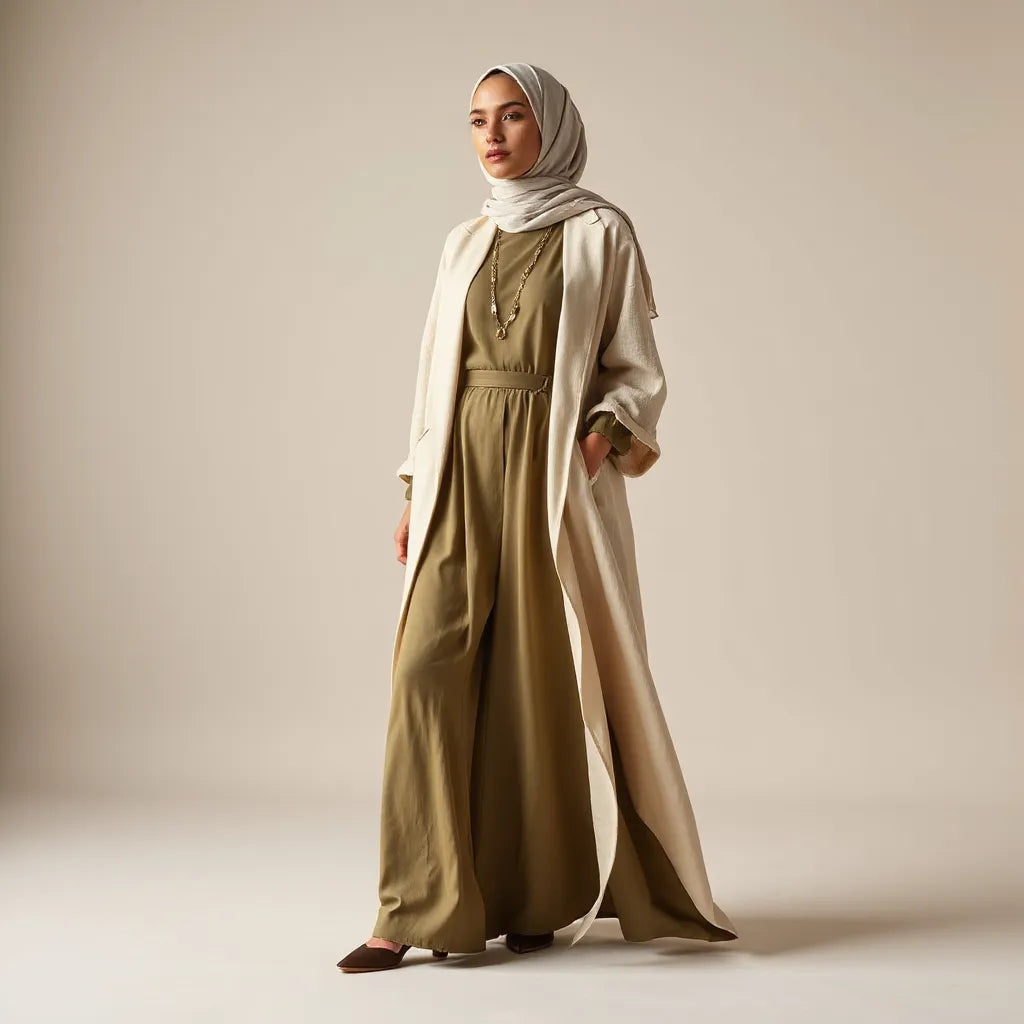
Occasion wear must feel secure. If you plan to wear layers, choose items that coordinate without bulk. A layered approach can improve coverage while keeping the silhouette sleek.
To explore complementary modest styling, you may also review artisan-focused fashion pieces such as embroidered modern dress options for occasions that require refined detail.

Motif grid, stitching lines, and balanced drape shapes
A Practical Styling Approach
A successful occasion look balances structure, comfort, and harmony. Start with the main garment, then coordinate headwear, and finally add finishing touches that respect modest proportions.
Step 1: Build around one focal area
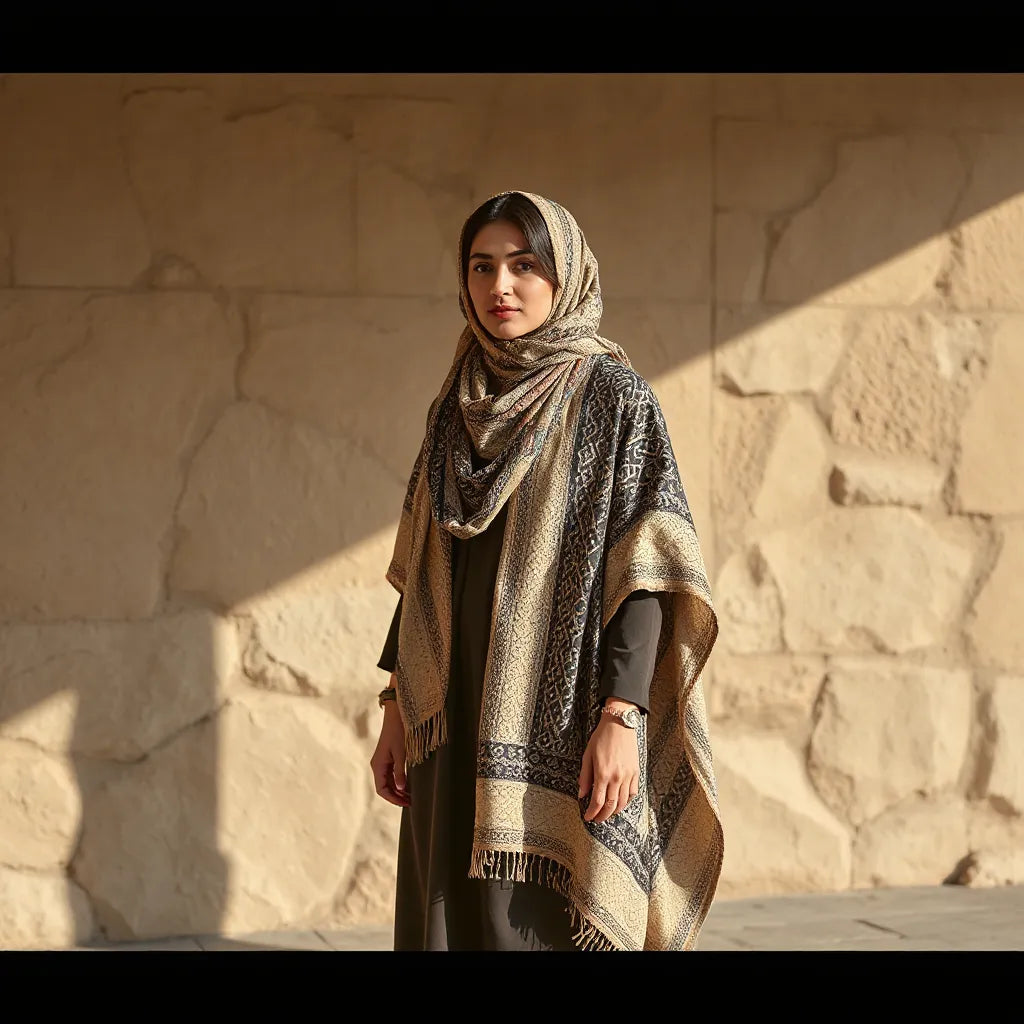
Choose either the garment’s embellishment or the headwear’s texture as the focal point. If the dress or thobe has dense decorative work, keep headwear simpler. If the headwear carries refined texture, allow the base garment to remain calm and smooth.
Step 2: Coordinate tones with intention
Use tone families rather than random color matching. Neutral foundations allow embroidery and printed motifs to stand out. When you select complementary shades, the full look reads cohesive in indoor lighting and outdoor daylight.
Step 3: Choose headwear for secure coverage
Many formal looks benefit from structured underlayers and well-fitted outer headwear. If you want a polished fit, consider a supportive base such as a cotton inner option or a bonnet that stabilizes coverage.
You can explore supportive underlayers like cotton inner hijab to create a smooth foundation before you style an outer layer.
Step 4: Consider textures in layers
Texture creates visual depth without adding excessive ornament. Pair smooth surfaces with subtle sheen or woven structure. This method supports a formal impression while keeping your outfit comfortable.
If you want heritage-inspired headwear options designed for refined occasions, you can also explore special collections such as heritage chiffon styles that emphasize elegant drape.

Color wheel harmony, accessory spacing, and silhouette outline
Matching Your Outfit to the Occasion Mindset
Different gatherings call for different emphasis. The key is not to chase rules, but to align your outfit with the event’s rhythm and your comfort needs.
Weddings and major family celebrations
For weddings and special family celebrations, prioritize refined structure and clear finishing. A moderately formal garment with elegant embroidery or a tasteful decorative surface typically reads well in photos and layered indoor settings.
If you prefer an ensemble with dignified elegance, review options like bride-inspired occasion thobe design for a celebration-ready presentation.
Formal visits and respectful gatherings
For visits where conversation and presence matter most, choose garments that allow ease of movement. Comfort becomes a visible quality when your outfit maintains a stable drape.
Consider timeless silhouettes and fabrics that feel light on the body. A well-fitted hijab style can elevate the overall finish without requiring excessive ornament.
Festive days and community events
Festive days often involve travel, greetings, and extended social time. Choose a combination that stays comfortable and remains visually strong across lighting changes.
For an elegant everyday-to-occasion transition, you can consider refined yet practical headwear solutions such as premium soft chiffon hijab for graceful drape.
Visual Guidance
Visual clarity helps you plan a heritage-forward outfit. Use the following concepts as a guide. Motifs and stitch lines should feel balanced, not crowded. Drape should create a smooth vertical flow. Color choices should support contrast only where the design requires emphasis.
Care and Maintenance for Longevity
Heritage Occasion Wear is an investment in craftsmanship. Proper care preserves both appearance and comfort over time. The goal is to keep embroidery crisp, protect fabrics from strain, and maintain shape after repeated events.
Handling and storage
Store garments in a clean, dry space. Fold carefully to reduce stress on embroidered areas. If you use garment bags, ensure they are breathable to prevent trapped moisture.
Washing considerations
Always follow the care instructions included with each item. When embellishment is present, gentle handling helps protect threadwork and delicate finishes. If your garment requires special cleaning, professional care can reduce risk.
Drying and ironing
Air drying usually supports fabric stability. Heat should be used thoughtfully, especially for embroidery and layered textiles. Use low heat when ironing is necessary and protect delicate surfaces with appropriate barriers.
Repair and refresh
Small issues can become larger if ignored. Address loose threads and minor seam stress early. This approach extends garment life and maintains the refined look that defines heritage occasion styling.
To support complete occasion readiness, you may also consider coordinating underlayers and headwear that remain stable across wear. For example, a secure bonnet style such as a closed bonnet can help maintain coverage structure during long gatherings.
Visual Guidance
Maintenance can be visual as well as practical. Protect motif areas from friction, keep color tones consistent through careful washing, and preserve the garment silhouette by proper storage. A calm routine helps your outfit look presentable for future events.
FAQ
What makes Heritage Occasion Wear different from standard formal wear?
Heritage Occasion Wear focuses on refined modest styling supported by craft-driven details. It emphasizes thoughtful construction, meaningful design motifs, and fabric behavior that supports comfort and longevity. The result is a formal look that remains elegant across repeated occasions.
How can I style a complete look without overcomplicating it?
Select one focal element, such as embroidery on the main garment or a refined texture on headwear. Then coordinate tones using a consistent color family. Finish with a supportive underlayer so the silhouette stays smooth and secure throughout the event.
Which type of headwear foundation supports formal coverage?
A stable underlayer or bonnet can help the outer headwear sit smoothly. For a neat base, you may consider cotton inner options or bonnet styles designed for coverage stability. This reduces shifting and helps the overall presentation remain polished.
Final Thoughts & Recommendations
Heritage Occasion Wear offers more than a formal appearance. It gives you a structured, comfortable way to dress with meaning during celebrations. When you choose quality fabrics, careful finishing, and coordinated headwear, your outfit supports confidence from arrival to final photos.
If you want to broaden your styling perspective, you can also read Handmade Stained Glass Decor: Styling Tips for Every Room to strengthen your understanding of motif harmony and visual balance. For next steps, review modest headwear and occasion garments that match your preferred tone and level of decoration, then build a repeatable styling plan for future events.
Disclaimer: This article is for general informational purposes only. Product availability, features, and care instructions may vary by item. Always follow the guidance provided by the manufacturer and seller for each specific garment.
About the Author
Sulieman Alhazma is a fashion and styling specialist focused on Heritage Occasion Wear and modest wardrobe planning. With expertise in cultural design sensibilities, garment coordination, and artisan-focused presentation, Sulieman helps customers choose looks that feel refined and comfortable. The approach prioritizes fabric behavior, practical fit, and thoughtful finishing. Thank you for reading, and may your next occasion styling feel confident and well considered.
The content in this blog post is intended for general information purposes only. It should not be considered as professional, medical, or legal advice. For specific guidance related to your situation, please consult a qualified professional. The store does not assume responsibility for any decisions made based on this information.