

Updated on: 2026-05-06
Majdalawi's hair is a dress as a fashion principle: it uses hair styling to create structure, elegance, and presence.
This approach helps you frame your face, coordinate your modest look, and add movement without compromising comfort.
You can apply it with practical steps, including a secure base, balanced volume, and clean finishing details.
When done thoughtfully, this styling concept elevates everyday outfits and special occasions alike.
Majdalawi's hair is a dress: a styling concept that turns hair into structure
Majdalawi's hair is a dress is not only a poetic phrase. It is a disciplined way to think about styling: hair can function like clothing by adding shape, rhythm, and refined intention. In modest fashion, the right hair presentation supports the overall silhouette, enhances outfit harmony, and improves confidence in daily wear. This article provides a clear framework you can apply at home, along with practical recommendations for achieving a stable, elegant finish.
You do not need complicated tools or extreme styling. Instead, focus on preparation, secure layering, and consistent finishing details. When you treat hair styling as part of the outfit design, the result looks intentional rather than accidental.
Product Spotlight: cotton inner support for a polished hair look
A strong styling foundation makes the difference between a look that stays crisp and one that becomes untidy over time. For the Majdalawi-inspired concept of hair as a “dress,” the base must feel secure and smooth. A dependable option is an underscarf or an inner hijab style that prevents shifting and reduces friction.
For example, an underscarf bonnet in cotton supports a stable fit under layered styling. Cotton provides breathable comfort, and a bonnet structure helps keep hair positioning consistent. With a reliable base, you can focus on shaping the top and sides, then finish with a tidy result that complements your modest outer layers.
Comfort that supports long wear through breathable fabric.
Reduced slippage for a cleaner silhouette.
A smoother surface for styling and accessory placement.
Majdalawi's hair is a dress works best when the inner layer supports intentional volume rather than random movement.

Symbolic silhouette lines, smooth base, balanced volume
Step-by-Step How-To: design your hair silhouette with intention
The goal is simple: create a hair presentation that has the same clarity as a well-fitted garment. Each step below is designed to help you build structure, then refine the visible lines.
-
Prepare a secure base. Start with clean, dry hair or hair that has been lightly conditioned. Use an inner base such as a cotton underscarf bonnet to keep positioning stable.
-
Align to your natural part and face shape. Decide where the volume should appear. Keep the hairline and side framing consistent, so the silhouette reads as intentional.
-
Create controlled volume. Add volume in a measured way. A modest look benefits from balanced fullness rather than exaggerated height that disrupts the overall lines.
-
Shape with gentle structure. Use soft pins or styling tools that hold without visible strain. The structure should support the hair, not pull at the scalp.
-
Layer with smoothness in mind. If you plan to wear an outer hijab or scarf, ensure the hair foundation does not create bumps. Smooth layers allow the outfit to sit correctly.
-
Define the finishing details. Tuck loose edges, refine side framing, and check symmetry in natural light. Small corrections make the silhouette look “tailored.”
-
Test movement. Turn your head, walk, and adjust your posture. If the hair presentation shifts, reinforce the base instead of adding more visible styling.
If you want a more refined modest overlay, consider an inner-friendly two-piece hijab style approach. Two-piece designs can help maintain a consistent fit while you refine hair presentation and side framing.
When you apply these steps, your hair functions like an outfit. The silhouette becomes structured, the lines become clear, and the overall look feels cohesive.
Personal Experience: the day the silhouette “stayed dressed”
I recall a period when my most common styling issue was not the look itself, but the way it faded during the day. The outfit would remain neat, yet my hair presentation would gradually lose its shape. I kept adjusting in front of mirrors, which created a loop of small corrections that never truly solved the problem.
Then I changed the method. Instead of treating hair styling as a last-minute step, I planned it as part of the overall silhouette. I built a secure base, shaped volume with restraint, and refined finishing details before adding the outer layer. The result was subtle at first, but it became clear after I stood up, moved, and continued my day.
My hair presentation remained clean because it had stable structure. That is when Majdalawi's hair is a dress became real for me. It was not only about the appearance. It was about how the look held its form, like clothing holds its cut.
For many people, a stable look also improves comfort. When the base is secure, you spend less time adjusting, and your outfit can remain visually consistent.

Checkpoints: symmetry lines, controlled volume, clean edges
Summary & Recommendations: keep hair presentation tailored, not accidental
Majdalawi's hair is a dress is a useful mindset for modest styling because it prioritizes structure, intentional lines, and consistent presentation. When your hair foundation is secure, you can design volume without worrying about slippage. When you define finishing details, the silhouette looks “tailored,” even in everyday settings.
To apply this concept confidently, follow these recommendations:
Use a stable inner layer that reduces shifting. This creates a clean foundation for any styling choices.
Shape volume with balance. The goal is harmony with your face and your outfit, not extreme height.
Refine the visible edges. Tidy side framing and symmetrical alignment are the fastest route to a polished look.
Test movement before you commit. If the look shifts, reinforce the base rather than adding more surface styling.
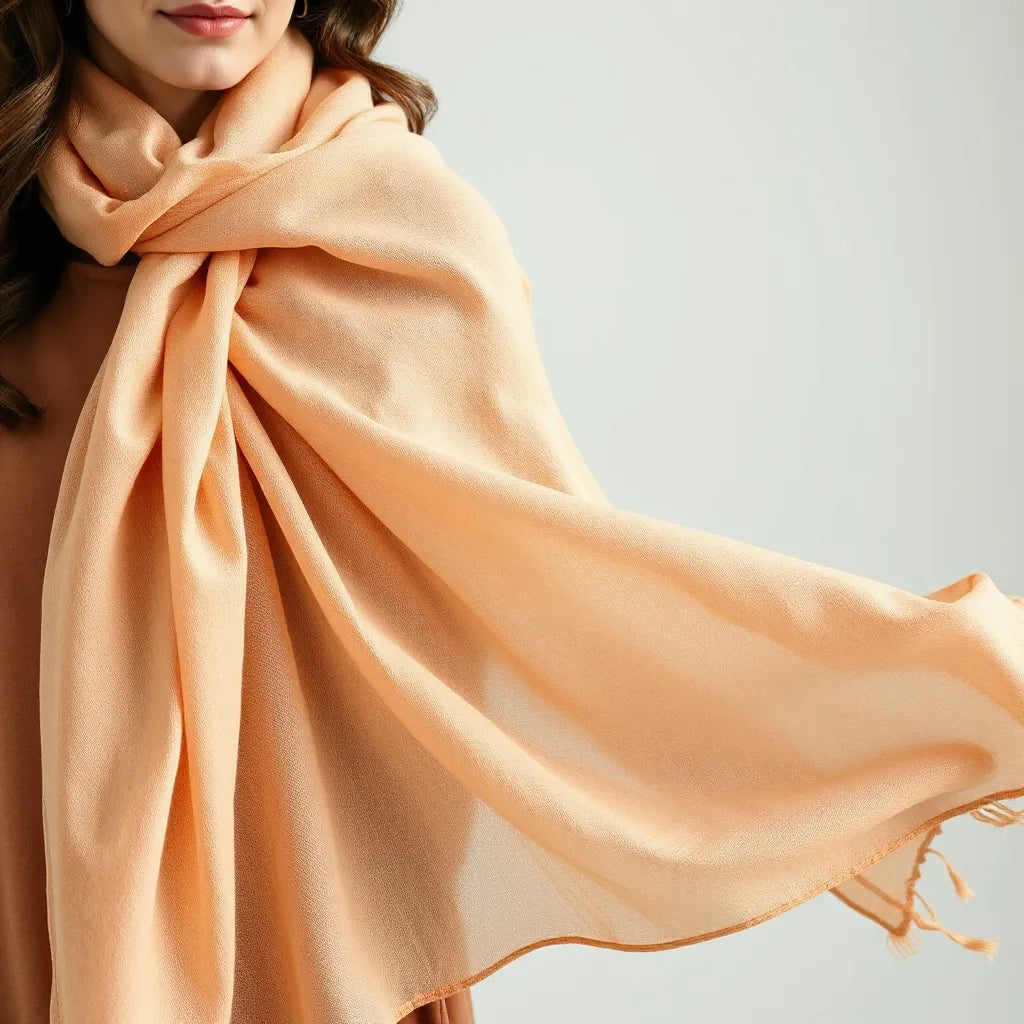
If you also want an outer layer that supports a refined drape, explore breathable and elegantly finished options such as a soft-flow chiffon hijab for graceful movement, or a premium soft chiffon hijab for a smoother fall.
For a more classic foundation under a scarf, you may also consider a cotton inner hijab style designed for comfort and consistent coverage.
Majdalawi's hair is a dress works best when every layer has a clear purpose: comfort, structure, and refinement.
Q&A Section
How do I keep the hair silhouette neat under layered modest wear?
Start with a stable inner base that prevents shifting. Then shape volume lightly, focusing on consistent side framing. Finally, refine edges and check symmetry in natural light. If the silhouette moves, strengthen the base rather than relying on repeated adjustments.
What is the most common mistake when styling hair for a “dress-like” silhouette?
The most common mistake is adding styling on top of an unstable foundation. When the base slides, the visible shape changes even if the top looks correct at first. Prioritizing a secure inner layer improves both appearance and comfort.
Can this concept work for different occasions, from daily wear to formal styling?
Yes. The principle remains consistent: design structure, balance volume, and refine finishing details. For formal settings, focus on crisp edges and symmetry. For daily wear, prioritize comfort and reliable hold so the look stays consistent throughout movement.
Do I need heavy styling products to achieve a refined result?
Not necessarily. Lightweight holding methods and secure layering often deliver a cleaner finish. The foundation should do most of the work. If you use any product, apply it sparingly and prioritize comfort and natural movement.
About the Author
Sulieman Alhazma is a fashion and modest styling specialist with expertise in silhouette design, fabric behavior, and practical wardrobe systems. Their work focuses on helping clients translate heritage-inspired aesthetics into everyday confidence. With an emphasis on clean finishing and supportive foundations, they guide readers toward consistent, intentional results. Thanks for reading, and may your styling choices feel structured, comfortable, and beautifully refined.
The content in this blog post is intended for general information purposes only. It should not be considered as professional, medical, or legal advice. For specific guidance related to your situation, please consult a qualified professional. The store does not assume responsibility for any decisions made based on this information.