

Updated on: 2026-05-25
The Authentic Kuffiyeh Scarf is more than an accessory. It is a wearable symbol of heritage, craft, and personal identity.
Choosing an authentic piece helps you support traditional textile methods and achieve better comfort over time.
With the right fit, care routine, and styling approach, a traditional kuffiyeh can remain a practical wardrobe staple.
This guide explains benefits, selection criteria, styling ideas, and care steps you can use for years.
What Is an Authentic Kuffiyeh Scarf?
An Authentic Kuffiyeh Scarf is a traditional head-and-neck scarf associated with Levantine and Palestinian cultural heritage. It is commonly recognized by its distinctive patterning and the way it is worn to frame the head and protect the neck. While many scarves share a similar visual style, authenticity is defined by more than appearance. Authenticity reflects textile quality, careful construction, and respect for traditional design logic.
In practice, an authentic scarf should feel balanced: the fabric should drape naturally, the pattern should remain crisp, and the edges should be finished with intention. The scarf should also integrate comfortably into daily wear. For many people, the goal is not only aesthetic value, but also reliable comfort, a secure hold, and a wearable sense of heritage.
Key Benefits
- Heritage-forward identity: The look carries cultural meaning and supports thoughtful self-expression.
- Comfort through suitable drape: A well-made traditional scarf sits neatly and feels stable during movement.
- Versatile styling: It can be worn with casual outfits, formal modest wear, or layered looks.
- Better long-term value: Quality construction typically reduces fraying and pattern wear over time.
- Support for skilled craft: Choosing artisan-made textiles helps sustain traditional methods and local expertise.
If you are building a modest wardrobe, you may also want to consider how head coverings work together. For example, pairing a traditional outer scarf approach with a stable inner base can improve comfort. You can explore a compatible inner option such as cotton undercap for a smoother fit.
Step-by-Step Guide
Choose the Right Material and Weave
The material directly shapes comfort. When evaluating an Authentic Kuffiyeh Scarf, look for a textile that feels breathable and structured enough to hold its shape without feeling stiff. Many traditional styles rely on cotton blends or cotton-forward weaves because they balance softness with stability. A scarf that is too thin may shift easily, while one that is too heavy can feel warm and bulky.
Pay attention to how the fabric moves when you lift and release it. A good weave should return to a neat form instead of collapsing into wrinkles. If you prefer all-day wear, prioritize comfort-forward fibers and a weave that supports a clean pattern impression.
Check Construction and Finish
Construction quality is where authentic pieces often separate from visually similar options. Inspect the edges for consistency. Finished borders should feel secure and even, with no loose threads or uneven stitching. If the scarf includes a finished hem, the hem should appear uniform from edge to edge.
Also consider pattern alignment. In a well-made scarf, the grid or print style should appear intentional across the surface, not blurred or misaligned. This is especially important for photographs and everyday viewing angles, because the pattern is a key visual signature.
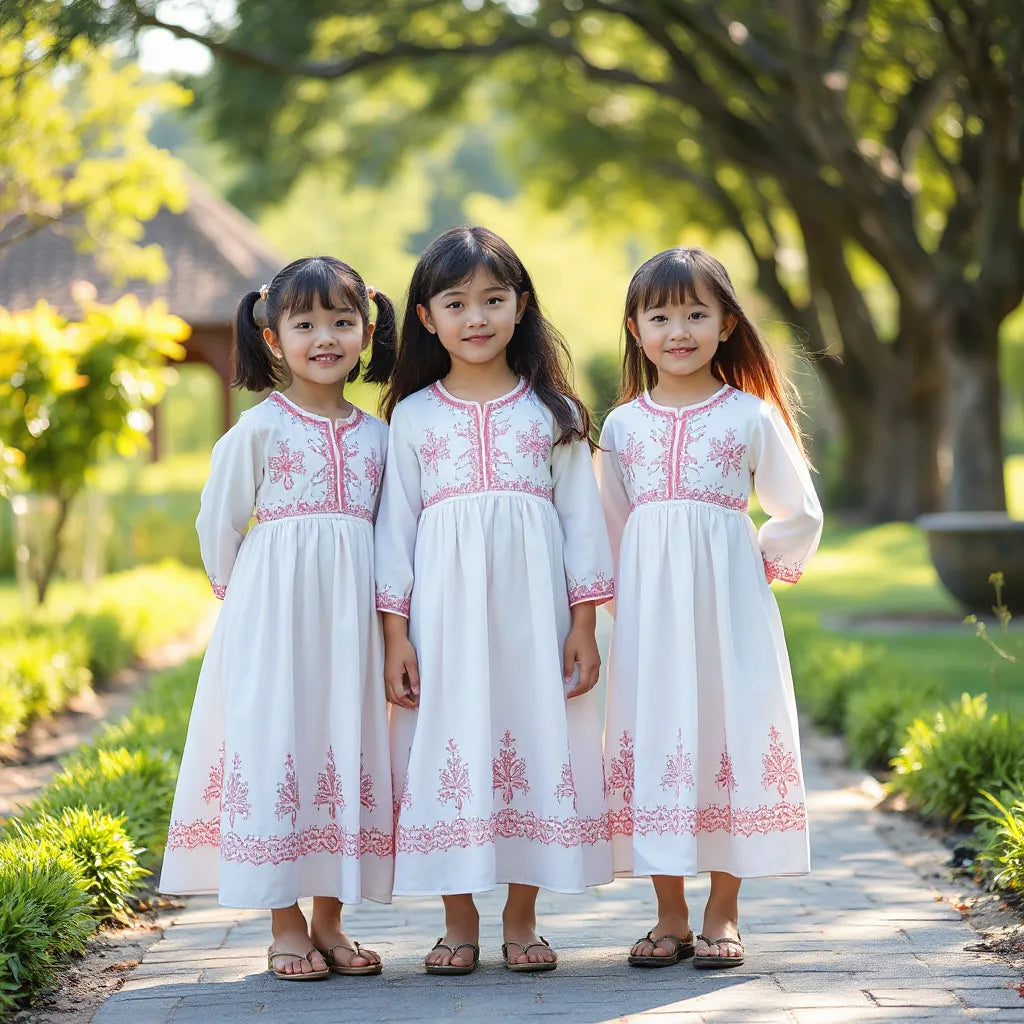
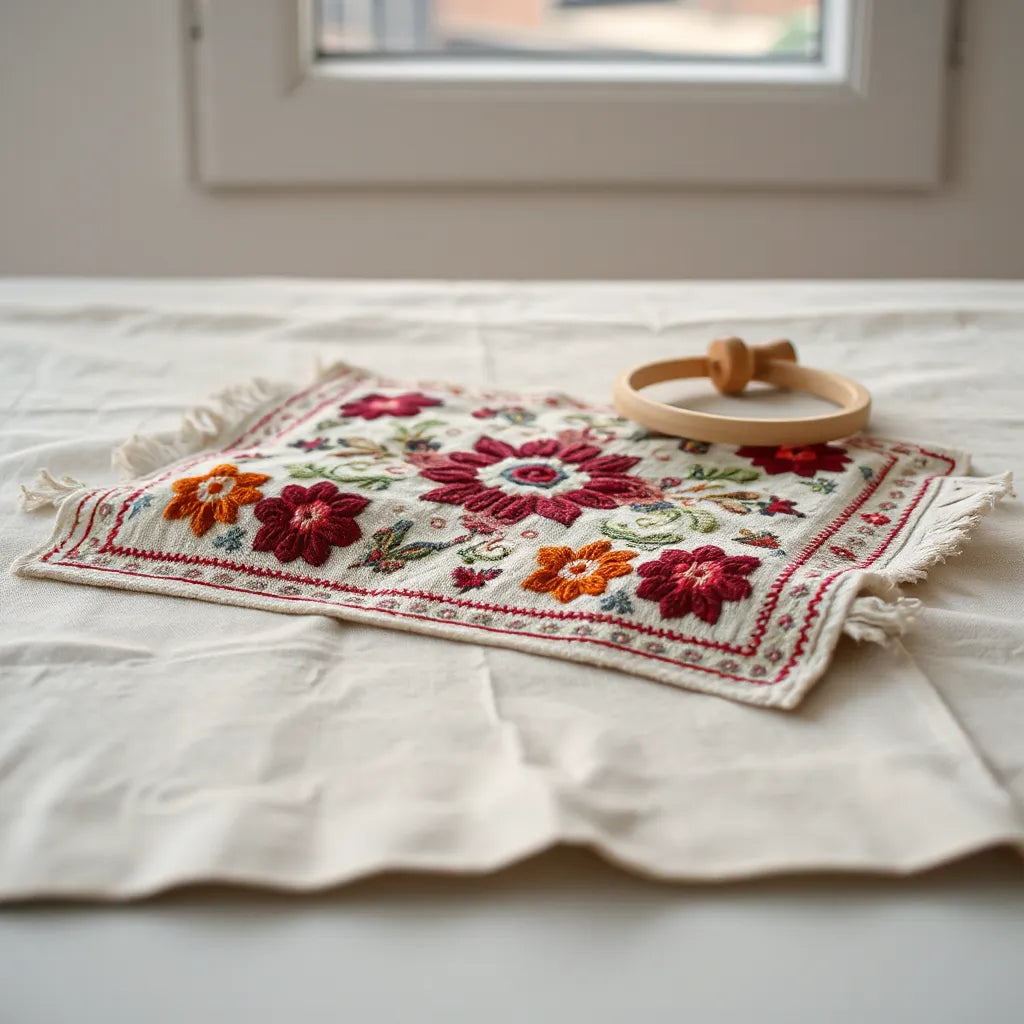
For a deeper understanding of artisan textiles and how embroidery informs finish quality, you can also review the store’s artisan approach through modern embroidered dresswork. The same attention to detail often appears across categories through careful finishing and design discipline.

Close-up of fabric grid, neat hem, aligned pattern
Select the Right Size and Fit
Fit affects both comfort and presentation. A scarf that is too small may not wrap securely. A scarf that is too large can become difficult to manage, especially in everyday settings. Your ideal size depends on the wrapping style you prefer and whether you want more coverage at the neck.
When possible, compare typical wrap coverage against your usual head and shoulder proportions. If your goal is a balanced look that does not slip, choose a size that allows controlled folding and stable layering. Many people also prefer an authentic scarf that provides enough surface area for a clean fold line at the front, since this helps maintain a consistent silhouette.
To further improve comfort under layered wear, some customers pair traditional scarves with modest inner coverage. For modest wear foundations, consider browsing a cotton inner hijab that can help reduce friction and improve hold.
Style It for Everyday Wear
Styling should reinforce the scarf’s natural strengths: stable drape, clear pattern readability, and practical coverage. One reliable approach is to treat the scarf as a framing piece. You can position the pattern to sit evenly at the forehead line and let the folds fall naturally at the sides.
For casual outfits, use neutral outer layers to let the kuffiyeh pattern stand out. For formal modest wear, coordinate the scarf with the color palette of your outfit. It is especially effective when you match one or two tones from the scarf to a detail in your clothing, such as stitching, embroidery, or the dominant fabric color.
If you are building a coordinated wardrobe, consider how other modest accessories complement the kuffiyeh style. A simple way to refine the look is to maintain consistent color temperature across layers. Warm tones blend well with earthy fabrics, while cooler tones pair cleanly with darker base colors.
Some shoppers also want a low-friction routine for putting on and removing head coverings. If you want an additional option for the foundation layer, you may consider a bonnet style such as a closed bonnet to improve comfort and keep your wrap arrangement consistent.

Head-and-neck wrap silhouette with balanced folds
Care and Storage for Longevity
Proper care helps preserve an Authentic Kuffiyeh Scarf’s pattern clarity and fabric feel. Begin with gentle handling. If the scarf is worn frequently, consider routine spot cleaning where appropriate. For full cleaning, follow the product care instructions provided at the time of purchase, since fiber blend and construction can affect washing recommendations.
When washing is required, use mild detergent and a gentle cycle when applicable. Avoid aggressive scrubbing on the patterned surface, because friction can blur the design. Dry the scarf carefully. Excess heat can weaken fibers and dull the visual sharpness of the pattern over time.
Storage matters as well. Fold the scarf along its natural fold lines to reduce stress on the fabric grid. Store it in a breathable bag or a drawer with minimal humidity. If you live in a high-humidity environment, prioritize airflow to prevent musty odors. A consistent care routine can extend the scarf’s wearable lifespan.
For seasonal rotation, you can keep the scarf accessible but protected from direct sunlight. Sun exposure can fade patterns gradually, even with high-quality textiles. A stable storage routine supports long-term color fidelity and a more premium feel every time you wear it.
FAQ Section
How can I tell whether a kuffiyeh scarf is genuinely authentic?
Look beyond the pattern. Authenticity is reflected in material quality, even edge finishing, consistent pattern alignment, and a fabric that drapes cleanly. If the scarf feels well-constructed, maintains crisp pattern definition, and provides comfortable, stable wear, it is likely to be authentically made.
What is the best way to prevent slipping during wear?
Choose a size that allows controlled folding and a balanced wrap. Pair the scarf with a comfortable inner base when needed, such as a cotton undercap or inner layer, to create friction-free stability. Secure positioning at the forehead line and a neat neck fold often reduces shifting.
How should I wash and dry an Authentic Kuffiyeh Scarf to avoid damage?
Use mild detergent and follow the care instructions provided for the specific scarf. Wash on a gentle setting when recommended, avoid harsh scrubbing on the patterned surface, and dry with moderate heat or air-drying if permitted. Proper drying helps protect fabric strength and pattern clarity.
Summary & Final Thoughts
An Authentic Kuffiyeh Scarf can elevate both comfort and cultural connection when selected with care. By focusing on material quality, construction details, correct size and fit, and a consistent care routine, you protect the scarf’s pattern clarity and long-term usability. When you choose a well-made traditional scarf, you gain a dependable wardrobe piece that remains meaningful season after season.
If you are refining your modest layering system, consider how foundation coverage and outer wrapping work together. For additional inspiration on retirement keepsakes and thoughtful gifting, you may explore Retirement Gift Swag (TM). Thank you for choosing quality and craftsmanship as a lasting value.
About the Author Section
Author: Sulieman Alhazma
Sulieman Alhazma is a fashion and textile specialist with expertise in modest wear styling, traditional craftsmanship, and quality selection for artisan-made accessories. His work focuses on practical guidance that helps customers choose pieces that look refined and wear comfortably over time. He values cultural preservation through careful shopping and respectful presentation. For questions, readers are encouraged to seek product care guidance and sizing details before purchasing.
Disclaimer: This article is for general informational purposes only. It does not provide medical, legal, or financial advice. Product availability, material composition, and care instructions can vary; always review the specific product details and care guidance provided at purchase.
The content in this blog post is intended for general information purposes only. It should not be considered as professional, medical, or legal advice. For specific guidance related to your situation, please consult a qualified professional. The store does not assume responsibility for any decisions made based on this information.