

Updated on: 2026-07-18
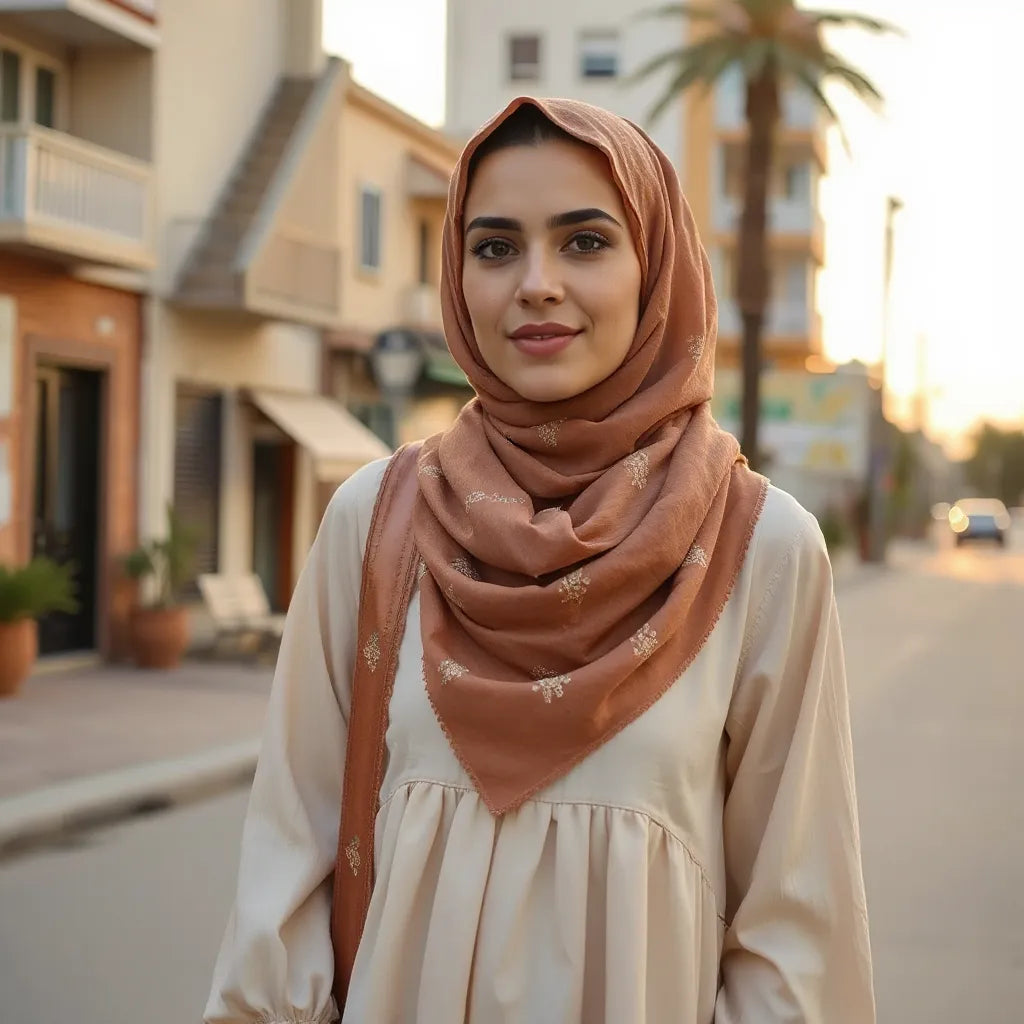
Embroidered shawls add refined texture to modest outfits while honoring artisan techniques.
This guide explains how to choose, care for, and style embroidered shawls for daily wear and special occasions.
You will learn practical methods for storing, cleaning, and protecting delicate threadwork.
It also covers pairing strategies that balance color, pattern, and comfort.
1. Choosing the right embroidered shawls
2. Material and construction basics
3. Essential care tips for longevity
4. Detailed step-by-step process to maintain embroidered shawls
5. Styling ideas for an elegant look
6. Visual guide: color balance and finishing
7. Occasion-ready styling and pairings
8. Visual guide: wear, store, and protect threadwork
9. Summary & takeaway
10. Q&A section
Choosing the right embroidered shawls
Embroidered shawls are not one-size-fits-all. The best choice depends on embroidery density, fabric drape, climate comfort, and how the shawl will function within your outfit. Start by identifying the primary purpose: warmth, visual emphasis, or practical coverage with refined detail.
Consider the scale of the design. Smaller motifs often blend into everyday dressing and pair well with structured clothing. Larger motifs create a stronger focal point, which is ideal when you want the shawl to act as the centerpiece of your look. Also evaluate thread color depth. Multi-tonal embroidery can look rich in daylight, while monochrome or near-monochrome designs create a cleaner line that suits minimalist palettes.
Finally, assess comfort at the skin. Even when embroidery is beautiful, the placement matters. If the embroidered area is placed near the shoulders, it can create a gentle texture against the neck. If you prefer a smoother feel, look for designs that concentrate decoration toward the ends or border.
Material and construction basics
The foundation fabric determines how embroidered shawls behave. Lightweight bases drape easily and work well for layering. Medium-weight bases provide structure and help keep the shape of the wrapped silhouette. Heavier textiles can feel more substantial, especially in cooler seasons.
Construction also influences durability. Pay attention to border finishing, seam stability, and how the edges are reinforced. A well-finished edge reduces stress on threads during wear and washing. You should also check whether the embroidery is secured with consistent stitching rather than loosely attached strands.
When shopping, it is practical to think in terms of maintenance. If you prefer low-effort care, prioritize stable stitchwork and fabric that tolerates gentle handling. If you value visual impact above all, you may accept a more careful routine, provided you clean and store the shawl correctly.

Color swatches and fabric drape patterns for balance
Essential care tips for longevity
- Handle the shawl by the fabric body, not the embroidered sections, to reduce stress on threadwork.
- Store embroidered shawls flat or gently folded with acid-free tissue to prevent snagging.
- Keep the shawl away from sharp jewelry edges and rough bags that can catch fine threads.
- Brush off loose dust with a soft, dry cloth before washing to reduce the chance of thread lifting.
- Air the shawl after wear to refresh fibers and limit odor buildup before any cleaning.
- Use mild detergents and avoid strong agitation when you clean to protect the embroidery surface.
Detailed step-by-step process to maintain embroidered shawls
Maintaining embroidered shawls is a repeatable routine. The goal is to preserve both the base fabric and the embroidery thread without altering the original shape. Follow this method as a reliable cycle.
1. Inspect and prepare
Before cleaning, inspect for loose threads, small snags, or areas where embroidery looks raised. If you find a minor loose stitch, you can address it early with careful repair so the issue does not expand during cleaning.
2. Air out and pre-clean
If the shawl is only lightly used, air it in a shaded, ventilated area. If there is surface dust, remove it with a soft cloth. Pre-cleaning reduces the need for repeated rinsing.
3. Clean gently
For most embroidered shawls, hand cleaning is the safest approach. Use lukewarm water and a mild detergent formulated for delicate textiles. Submerge gently, then swirl lightly without scrubbing the embroidery. Focus on the base fabric and avoid direct rubbing over embroidered areas.
4. Rinse thoroughly with minimal pressure
Rinse until the water runs clear. Hold the embroidered areas supported by your hands. Avoid wringing because it can distort the embroidery shape and stress the thread tension.
5. Dry correctly
Lay the shawl flat on a clean towel and roll it to remove excess water. Unroll and reshape gently. Dry away from direct sun to help prevent color shift and thread fading.
6. Refresh shape without heat damage
If the shawl needs smoothing, use low heat and a protective layer such as a clean pressing cloth. Press lightly rather than applying heavy pressure. Let it cool fully before storing.
7. Store with protection
Store embroidered shawls folded with tissue paper that helps reduce friction. Avoid tightly packed storage that can cause creasing and thread abrasion over time.
For modest layering ideas that complement artisan textures, you can also review Knitted Womens Outfits Cozy Looks for Everyday Style. The same principles of balance and comfort apply when selecting a shawl layering strategy.
Styling ideas for an elegant look
Embroidered shawls add dimension. The simplest way to style them is to treat the embroidery as a color and texture anchor. When the shawl carries strong visual detail, the rest of the outfit should stay visually calm. When the embroidery is subtle, you can pair it with richer textures such as tailored knits or softly structured outer layers.
Start with neckline and wrap placement. If the shawl is worn at the shoulders, align the border so it frames the collar line. If the shawl is used as a head and neck layer, choose placement that avoids pressing embroidery into the front hairline areas, which reduces wear friction.
Color pairing is easier with a disciplined approach. Choose one repeated color from the embroidery palette and match it to a garment element. For example, a shawl with muted green threads can be paired with a green accent tone in clothing. If the embroidery includes gold or warm neutrals, balance with warm-toned fabrics rather than cool gray.
Texture pairing matters as well. Embroidery often looks best against smooth or finely woven base fabrics. If your outfit includes large knitted loops, reduce competing textures by selecting a shawl with a steadier drape.

Folded fabric, tissue barrier, and airflow storage cues
Occasion-ready styling and pairings
Embroidered shawls can move from daily wear to formal settings with small adjustments. For gatherings, use the shawl to refine proportions. Keep the silhouette clean and let the embroidery create movement as you walk.
For evening styling, a darker base shawl with high-contrast embroidery can frame the face effectively. Pair it with solid-toned garments to ensure the embroidery remains readable. For daytime settings, select embroidery that harmonizes with natural light. Soft contrast often feels more comfortable for long periods.
If you also wear hijabs or head coverings, coordinating textures can improve overall polish. You can explore modest fabric pairings on the Palestinian Elegance site, such as a refined option like Premium Soft Chiffon Hijab to maintain a smooth base that lets embroidery stand out without crowding the visual field.
When pairing embroidered shawls with structured clothing, avoid over-layering. Choose one element to carry decoration: either the shawl embroidery or the clothing embellishment. If both carry strong detail, select one with a restrained palette to prevent visual competition.
How to coordinate with common modest layers
To coordinate embroidered shawls with other modest pieces, follow three rules. First, match undertones, such as warm beige with warm embroidery tones. Second, choose a base that is smooth enough to prevent embroidery friction during movement. Third, align the wrap so edges fall naturally, reducing the need to constantly adjust the shawl.
Using a smooth foundation also helps keep the shawl from shifting. If the base fabric is slippery, anchor the shawl at the shoulders with secure, comfortable pinning methods that avoid direct contact with embroidery thread.
Summary & takeaway
Embroidered shawls elevate modest dressing through artistry, texture, and purposeful detail. Select a shawl based on embroidery scale, fabric drape, edge finishing, and the comfort of placement. Care longevity depends on gentle cleaning, minimal wringing, correct drying, and storage that prevents snagging.
When styling, treat embroidery as the focal element and balance it with calm colors and compatible textures. With a consistent routine, embroidered shawls remain vibrant, wearable, and visually refined across seasons.
Q&A Section
How often should embroidered shawls be cleaned?
Clean embroidered shawls when the base fabric shows visible soil or after extended wear that creates odor buildup. For routine freshness, air the shawl and remove surface dust first. Frequent washing can strain delicate threads, so a measured cleaning schedule is typically the safest approach.
What is the safest way to remove dust and lint?
Use a soft, dry cloth or a gentle brush with light pressure. Work gradually and avoid rubbing directly over embroidery. Pre-cleaning protects thread tension and helps prevent dirt from settling deeper into the fabric fibers during washing.
Can embroidered shawls be machine washed?
Many embroidered shawls are better cared for by hand washing or professional gentle cleaning. Machine agitation can distort the embroidered surface, loosen threads, and affect edge finishing. If you must use a machine, select the most delicate cycle, use a protective mesh bag, and avoid spin cycles, but hand care remains the more controlled option.
How do I prevent snagging and fraying?
Store embroidered shawls with tissue barriers and avoid tight folding that creates friction. During wear, keep away from sharp jewelry edges and rough bag straps. If you notice a loose thread early, repair it promptly to prevent spread during normal use.
What colors pair best with embroidered shawls?
Choose clothing colors that echo one tone in the embroidery palette, such as a repeated neutral or a muted accent shade. Solid garments usually create the cleanest visual focus. If the embroidery uses multiple colors, select a base garment that matches the shawl’s dominant undertone rather than every shade.
About the Author
Sulieman Alhazma is an editorial and merchandising specialist with expertise in modest fashion presentation, textiles, and heritage-inspired craftsmanship. Their work focuses on guiding customers toward durable choices and thoughtful styling that respects artisan methods. In writing this guide, the aim is to help you enjoy embroidered shawls with confidence and clarity. Thank you for reading.
Disclaimer: This article provides general guidance on care and styling. Always follow the specific care instructions provided with your garment, and consider professional cleaning for highly delicate or heavily embellished embroidered pieces.
The content in this blog post is intended for general information purposes only. It should not be considered as professional, medical, or legal advice. For specific guidance related to your situation, please consult a qualified professional. The store does not assume responsibility for any decisions made based on this information.