

Updated on: 2026-07-12
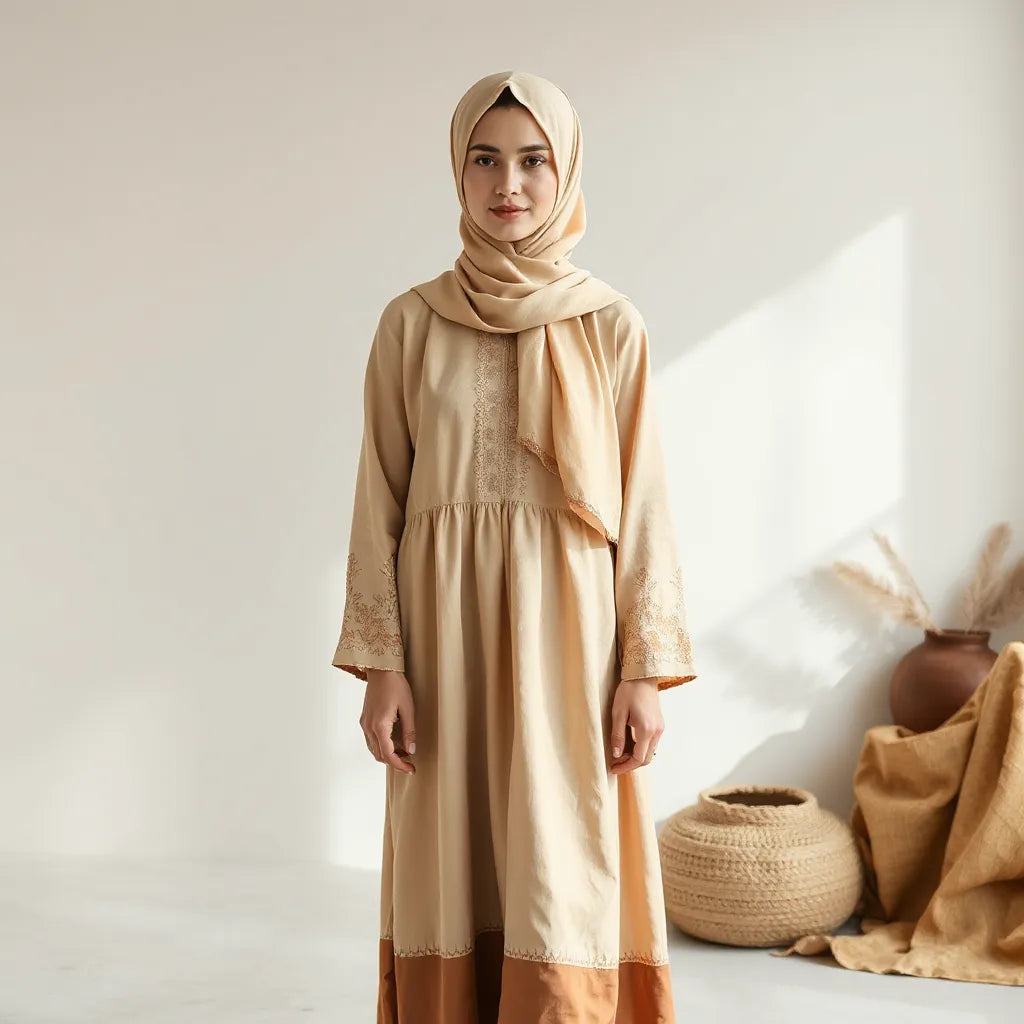
Stylish hijabs are about more than appearance. They help you express your personal style while maintaining modest coverage. The right fabric, fit, and styling technique can improve comfort, stability, and confidence throughout the day. This guide explains how to choose materials, coordinate colors, and build a practical wardrobe that works for daily life and special occasions.
1. Why Stylish Hijabs Are a Wardrobe Advantage
5. How to Style Stylish Hijabs for Different Occasions
6. Fit, Comfort, and Coverage: What Actually Matters
7. Color and Pattern Coordination Tips
Why Stylish Hijabs Are a Wardrobe Advantage
Choosing stylish hijabs can transform how you feel in your daily outfits. When your head covering complements your clothing, the entire look feels deliberate. However, a strong style also depends on function: fabric behavior, secure placement, and ease of movement. The best hijab styling balances three priorities. First, it supports comfortable wear for extended periods. Second, it maintains a clean silhouette and dependable drape. Third, it matches your style goals, whether you prefer a smooth finish or a flowing texture.
Many people focus only on appearance, yet practical details often determine whether a hijab performs well. A material that breathes can reduce discomfort. A cut and drape that suits your face shape can improve proportion. Construction choices, such as inner layers and edges that lie flat, can reduce slipping. When those factors align, your hijab does not only look stylish. It also feels reliable.

Silhouette sketch showing drape, stability, and comfort
Did You Know?
- Fabric weight influences how a hijab falls: lighter options often create softer movement, while structured fabrics keep edges crisp.
- Color contrast can change perceived facial framing. Warm tones and balanced contrasts often create a harmonious effect.
- Stability often comes from layering strategy. An inner base layer can reduce shifting and keep the outer fabric aligned.
- Care habits matter for long-term style. Proper storage and gentle washing help maintain color depth and drape.
Comparison: Pros & Cons
Different hijab fabrics and constructions offer distinct benefits. Below is a practical way to compare your options before you purchase.
-
Chiffon-style outer layers
- Pros: Lightweight appearance, elegant fall, easy layering.
- Cons: May require dependable inner support to reduce slip.
-
Cotton-based layers
- Pros: Breathable comfort, versatile styling, strong day-to-day practicality.
- Cons: Some cotton blends may require ironing or steam to achieve a polished finish.
-
Lycra or stretch-based constructions
- Pros: Helps maintain shape, supports a snug fit, reduces frequent readjustment.
- Cons: Fit preference varies; overly tight styling can cause discomfort.
-
Two-piece or bonnet-supported setups
- Pros: Streamlined placement, improved coverage stability, easier styling consistency.
- Cons: Requires selecting compatible sizes and coordinating layers.
Buyer’s Checklist
Use this checklist to evaluate a hijab purchase like an experienced wardrobe planner. These points help you choose fabrics and constructions that align with your lifestyle.
- Fabric behavior: Consider how the material drapes when worn, and whether it stays aligned during movement.
- Breathability: Choose options that feel comfortable against your skin, especially in warm environments.
- Coverage stability: Check how the piece sits at the forehead, temples, and neckline. Secure placement reduces constant readjustment.
- Edge finish: Look for edges that lie flat or fold neatly to prevent bulk.
- Layer compatibility: If you prefer an inner base, ensure the outer layer coordinates well with your inner choice.
- Color versatility: Select at least one neutral and one accent shade to simplify outfit coordination.
- Care requirements: Confirm washing instructions and how the fabric responds to drying and storage.
- Style goal: Decide whether you want a smooth, refined look or more volume and movement.
How to Style Stylish Hijabs for Different Occasions
Stylish hijabs can serve multiple roles, from everyday errands to refined gatherings. The key is to adapt the styling technique to the fabric and the dress code. For daily wear, prioritize quick placement and reliable coverage. For events, focus on finish quality: clean lines, balanced color harmony, and intentional texture.
Everyday polish
For routine settings, a simplified approach performs best. Choose a fabric that drapes without excessive shifting. Use a consistent base layer so the outer wrap maintains the same alignment day after day. If you prefer a smooth look, aim for minimal folds at the sides. Keep the neckline tidy, and let the front area frame your face with gentle balance.
Work-ready refinement
Work styling often requires structure. Select materials that hold their shape and maintain a neat silhouette. Consider a styling method that supports even coverage across the front and sides. If your outfit includes tailored details, match that formality with a more controlled hijab drape.
Occasion-level elegance
For gatherings, you can elevate your look with texture and refined color choices. Lighter, flowing fabrics often create a graceful effect, especially when the drape is centered and secured. Pair your hijab with coordinated tones from your outfit. If your clothing includes embroidery or decorative accents, select a hijab color that complements rather than competes for attention.
For those who want a dependable, structured starting point, an inner foundation can simplify styling. One practical option is an inner layer designed to support coverage and help the outer fabric sit smoothly. You can explore a supportive inner option here: cotton under-scarf bonnet.

Color palette swatches with layered drape shapes
Fit, Comfort, and Coverage: What Actually Matters
The most important element of any stylish hijab is fit. Even the most beautiful fabric will not perform well if it shifts or feels uncomfortable. Begin with the base layer concept. Many people benefit from using a supportive foundation that improves stability around the forehead, temples, and neckline. This approach reduces the need for repeated adjustments, especially when you move throughout the day.
Next, evaluate comfort at key contact points. Fabric should not pull at the hairline or cause pressure when you turn your head. A secure placement does not need to feel tight. If you notice tension, adjust your layering strategy rather than forcing the outer fabric into position.
Drape quality is another factor. When the fabric falls evenly, your overall look appears more polished. To achieve that, make sure your folds are intentional and your edges are smoothed during styling. If you prefer a sleek finish, choose techniques that reduce excess bulk at the sides. If you prefer a softer silhouette, allow controlled volume while keeping the neckline clean.
If you like a more tailored look with less routine readjustment, you may prefer stretch-supported designs. For example, a style with stretch can help maintain shape and simplify placement. You can view a stretch-supported option here: Lycra Alamera hijab.
Color and Pattern Coordination Tips
Color choices determine whether a hijab enhances an outfit or distracts from it. Start by considering the tone of your clothing. Neutrals such as cream, olive, and charcoal tend to work across many wardrobes. Then add at least one accent shade that reflects your preferred undertones.
If your outfit includes embroidery or textured fabric, select a hijab color that either matches a secondary tone or stays neutral. This method prevents visual overload. If your outfit is plain, you can use a more expressive hijab color to create depth. Patterns can also help define the silhouette. However, pattern scale matters. Smaller motifs often blend seamlessly into everyday dressing, while bolder patterns create a statement that suits special outfits.
When coordinating patterns, align the overall visual energy. For example, if your clothing has ornate detailing, pair it with a hijab that offers either subtle pattern continuity or a calm, solid base. The goal is to maintain a balanced frame around the face.
Seasonal dressing can be simplified by selecting fabrics that suit temperature changes and choosing colors that match your environment. Lighter shades often feel fresher, while deeper tones create a refined look. Regardless of season, the best color strategy is one that repeats across multiple outfits, so you can style quickly.
Final Thoughts & Advice
Stylish hijabs are not a single purchase decision; they are a repeatable wardrobe system. Begin with the foundation: fabric behavior, stable fit, and a drape that aligns with your styling preferences. Then refine your results through color coordination and consistent care. When you choose pieces that work together, you gain both comfort and confidence, with less effort each day.
If you want a simpler purchase path, start with one neutral hijab and one accent option. Use your next selection to address a specific need, such as improved stability, lighter feel, or more structured coverage. This approach helps you build a practical collection that still supports personal expression.
For a store perspective that prioritizes modest fashion quality and artisan heritage, Palestinian Elegance offers curated modest wear and fabric options designed for modern styling. If you would like to explore the broader range of modest fashion choices, you can also visit: Hijab Al Amira cotton.
Q&A Section
What is the best fabric for stylish hijabs in warm weather?
In warm weather, prioritize breathable materials that allow air circulation and reduce friction. Lightweight chiffon-style outer layers can create an elegant drape, while cotton-based options provide consistent comfort. Many wearers benefit from a supportive inner foundation so the outer fabric stays aligned without needing frequent readjustments.
How can I stop my hijab from slipping throughout the day?
Slip usually results from an unstable base layer or an outer fabric that does not grip well. Use a supportive inner layer or bonnet-style foundation to stabilize placement around the forehead and neckline. Then secure the outer drape with a method that keeps tension balanced rather than tight. Consistent smoothing of folds also reduces shifting.
How do I choose colors that match most of my outfits?
Select a neutral hijab shade that complements your most-worn clothing colors, such as cream, olive, or charcoal. Then add one accent shade that matches a frequent clothing tone, including warmer or cooler undertones. This mix increases outfit repeatability while still supporting distinctive style.
Do I need special styling tools?
Most people can achieve polished results with a simple routine: a secure inner foundation, gentle smoothing, and appropriate fasteners if needed. The most effective approach is to choose a hijab construction that reduces complicated steps. When the fit is correct, the need for additional tools decreases.
About the Author
Sulieman Alhazma is a fashion and modest wear specialist focused on practical styling, fabric selection, and wardrobe planning. With expertise in coordinated modest dressing, he helps customers build looks that are both refined and easy to repeat. His guidance emphasizes comfort, coverage stability, and intentional color harmony. He welcomes thoughtful questions and encourages careful, confident selection.
Disclaimer: This article provides general fashion guidance only. Fabric performance, fit preferences, and comfort can vary by individual and by use conditions. Always follow care instructions provided by the manufacturer and adjust styling methods to suit your personal comfort.
The content in this blog post is intended for general information purposes only. It should not be considered as professional, medical, or legal advice. For specific guidance related to your situation, please consult a qualified professional. The store does not assume responsibility for any decisions made based on this information.