
Updated on: February 18, 2026
Cultural heritage wear represents clothing that preserves and celebrates the traditions, values, and artistic expressions of specific communities and regions. These garments serve as tangible connections to ancestral practices and help maintain cultural identity across generations. Understanding the significance of traditional clothing allows consumers to make informed choices that support artisans and preserve important cultural narratives. This comprehensive guide explores the importance, styling options, and impact of wearing heritage-inspired garments in contemporary fashion.
Table of Contents
- The Importance of Cultural Heritage Wear
- How to Style Heritage-Inspired Garments
- Supporting Artisans and Cultural Preservation
- Understanding Quality and Authenticity
- Common Questions Answered
- Summary and Next Steps
The Importance of Cultural Heritage Wear
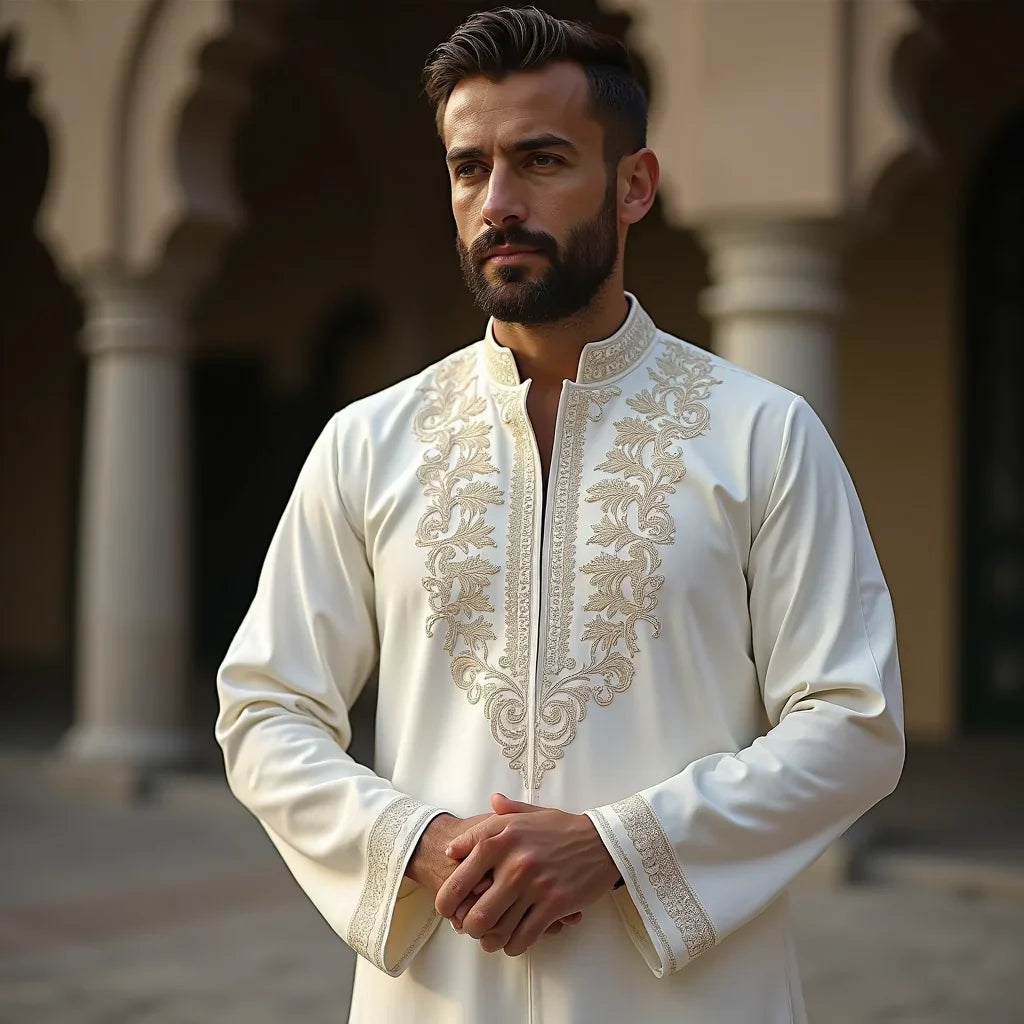
Cultural heritage wear extends far beyond simple fashion choices. These garments embody centuries of craftsmanship, artistic innovation, and cultural wisdom. When individuals wear traditional clothing or heritage-inspired pieces, they participate in a form of cultural storytelling that honors their ancestors and maintains community bonds. Heritage garments often feature distinctive patterns, embroidery techniques, and construction methods that have been refined over generations, making each piece a work of art with historical significance.
The value of preserving these traditions cannot be overstated. In our increasingly globalized world, cultural heritage wear serves as an anchor point for identity and belonging. Families pass down knowledge of traditional garment production through apprenticeships and oral traditions. Young artisans learn techniques that have remained largely unchanged for decades or centuries, ensuring that authentic methods survive modernization pressures. This transmission of knowledge keeps cultural practices alive and vibrant.
Wearing culturally significant clothing also demonstrates respect and appreciation for different communities. When done thoughtfully, embracing heritage-inspired fashion celebrates diversity and promotes cross-cultural understanding. It challenges the homogenizing effects of mass production and encourages consumers to think more critically about what they wear and why those choices matter.

Intricate hand-embroidery patterns showcasing traditional geometric and floral designs on fabric.
How to Style Heritage-Inspired Garments
Understanding Your Heritage Pieces
Begin by learning about the specific origin and cultural significance of any heritage-inspired garment you own or wish to purchase. Research the region it comes from, the occasions for which it is traditionally worn, and any protocols regarding its use. This foundational knowledge ensures that you wear these pieces respectfully and appropriately. Many heritage garments carry ceremonial or formal significance, while others are designed for everyday wear. Understanding these distinctions helps you integrate them meaningfully into your wardrobe.
Mixing Heritage and Contemporary Styles
Modern styling allows you to honor tradition while expressing contemporary aesthetics. Pairing a traditional hijab with modern tailored pieces creates an elegant, balanced look that respects heritage while embracing current fashion sensibilities. Consider heritage-inspired chiffon pieces that blend classical patterns with contemporary cuts. Layer heritage items with neutral, modern basics to allow the traditional garment to serve as a statement piece while maintaining overall coherence in your outfit.
Occasion-Based Styling Approaches
Heritage wear suitable for casual daily settings differs from pieces appropriate for formal celebrations or religious observances. For everyday styling, opt for simpler heritage pieces in versatile colors that coordinate easily with your existing wardrobe. For special occasions, embrace more elaborate designs with intricate embroidery or decorative embellishments. Consider premium chiffon hijabs for formal events or cotton inner hijabs for comfortable daily wear that maintains cultural connection.
Supporting Artisans and Cultural Preservation
When you purchase authentic cultural heritage wear, your spending directly supports the artisans who maintain these traditional crafts. Many communities depend on heritage garment production as a primary economic activity. Fair trade practices and direct purchasing from community producers ensure that artisans receive appropriate compensation for their skilled labor. This economic support encourages younger generations to continue learning traditional techniques, preventing the loss of irreplaceable cultural knowledge.
Authentic cultural heritage wear often involves labor-intensive methods that cannot be mechanized. Hand embroidery, traditional dyeing processes, and specialized weaving techniques require years of training to master. When you invest in these pieces, you acknowledge and compensate the skill, patience, and creativity involved. Supporting ethical production also promotes sustainable practices, as many traditional methods rely on natural materials and environmentally conscious techniques developed long before modern sustainability movements emerged.
Skilled artisans working with traditional looms and natural dyes in a heritage textile workshop.
Several platforms and retailers now prioritize direct relationships with heritage garment makers. By choosing to shop from organizations that explicitly support artisan communities, you contribute to economic development while ensuring authenticity. These retailers often provide detailed information about the makers, their locations, and their specific techniques, allowing you to understand exactly what you are purchasing and supporting.
Understanding Quality and Authenticity
Authentic cultural heritage wear demonstrates specific quality markers that distinguish genuine pieces from mass-produced imitations. Examine the construction carefully. Hand-stitched seams may show minor irregularities that indicate human craftsmanship rather than machine perfection. Natural fiber content such as cotton, silk, linen, or wool reflects traditional material choices. Authentic pieces often feature natural dyes that may show slight color variation, a characteristic of traditional dyeing processes.
Embroidery and decorative elements in genuine heritage wear follow specific regional patterns and techniques. Familiarize yourself with the distinctive styles of different cultures. Some regions favor geometric patterns while others emphasize floral motifs. Certain techniques involve beading, while others use thread embroidery exclusively. Recognizing these distinctions helps you identify authentic pieces and appreciate the regional artistry involved. Quality heritage garments also develop a patina over time as they are worn and cared for, enhancing their character and authenticity.
Consider exploring collections like cotton heritage hijabs that prioritize traditional construction methods and authentic materials. Understanding these quality indicators helps you build a wardrobe of pieces you can wear with confidence and pride, knowing you have made informed, ethical choices.
Common Questions Answered
Is it appropriate for me to wear cultural heritage clothing from cultures other than my own?
Yes, when approached respectfully. Wearing clothing from other cultures demonstrates appreciation and promotes cross-cultural understanding. However, avoid treating sacred or ceremonially significant garments as costumes. Research the cultural context, wear the items appropriately, and be prepared to explain your interest respectfully if questioned. The key distinction lies between respectful appreciation and appropriation. Seeking to understand and honor the tradition behind the clothing represents genuine cultural appreciation.
How should I care for heritage garments to ensure their longevity?
Traditional garments often require gentle care that respects their construction and materials. Hand wash delicate pieces in cool water using mild detergent specifically formulated for fine fabrics. Air dry in shade rather than using machine drying, which can damage traditional fibers and embroidery. For pieces with embellishments, consider professional cleaning to avoid damaging intricate needlework. Store heritage items in breathable cloth bags rather than plastic to allow air circulation and prevent moisture accumulation. Proper care extends the life of these pieces and allows you to pass them to future generations.
Where can I find authentic cultural heritage wear?
Seek retailers and platforms that establish direct relationships with artisan communities and provide detailed information about production methods and origins. Organizations like KIAHMILLA connect consumers with heritage makers. Look for certifications, detailed product descriptions, and transparent sourcing practices. Many regional cultural organizations and community centers also provide resources for finding authentic pieces. When shopping, prioritize transparency and ask questions about the garment's origin, maker, and specific cultural significance.
Summary and Next Steps
Cultural heritage wear represents far more than fashion—it embodies cultural identity, artisanal skill, and historical continuity. By choosing to wear heritage-inspired garments thoughtfully, you participate in preserving important traditions while supporting artisan communities economically. Understanding the cultural significance of these pieces, learning appropriate styling approaches, and prioritizing authentic sources ensures that your choices honor the communities and histories represented in each garment.
Your next steps should include researching the specific cultural traditions that resonate with you personally. Explore resources about heritage garment production in communities that interest you. When you are ready to add pieces to your wardrobe, shop from retailers committed to ethical sourcing and artisan support. Start with one carefully chosen piece that you can wear frequently and that connects meaningfully to your interests or heritage. As you build your collection, you will develop deeper knowledge and appreciation for the artistry and cultural significance behind these remarkable garments. Consider exploring options like botanical heritage chiffon collections that celebrate traditional artistic traditions while supporting skilled makers.
About the Author
Sulieman Alhazma is a cultural heritage specialist with extensive experience in traditional garment production and artisan community support. With a background spanning over fifteen years in heritage preservation and ethical fashion advocacy, Sulieman is passionate about connecting consumers with authentic cultural narratives and supporting the artisans who maintain these vital traditions. Through research, writing, and community engagement, Sulieman works to promote understanding and appreciation for cultural heritage wear in contemporary contexts. His commitment to authenticity and ethical practices guides all his work in this meaningful field.