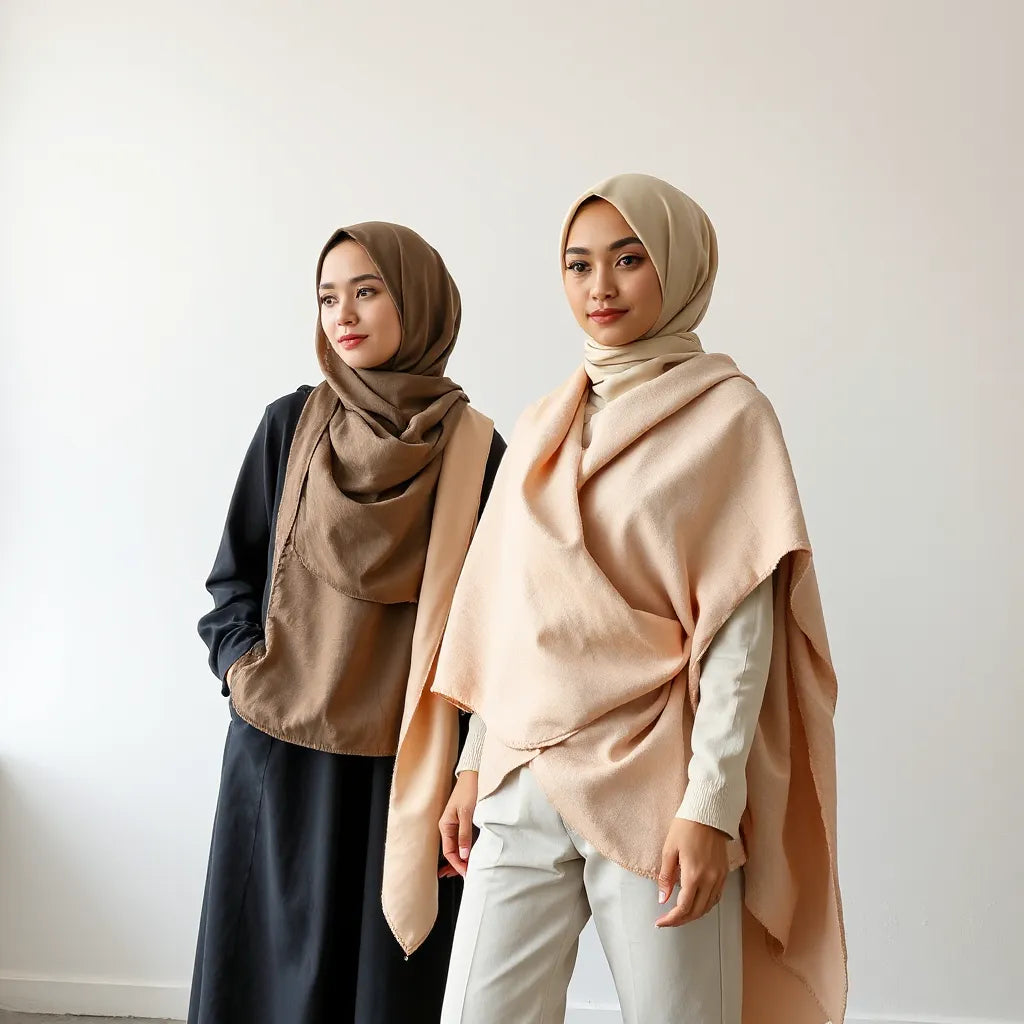


Updated on: 2026-07-12
Choosing cultural attire for women is about more than appearance. It supports identity, comfort, and respectful presentation. This guide explains how to select fabrics, sizes, and styling choices that work for daily life and special occasions. You will also learn practical care steps and ways to build outfits that feel confident and timeless.
Introduction
Cultural attire for women carries meaning. It reflects heritage, craftsmanship, and the values of the communities that created each garment tradition. For many women, modest dressing is not a constraint; it is a deliberate way to express personal style with dignity. The best outfits also perform well in real life, meaning they fit comfortably, move naturally, and keep their look through repeated wear.
This article offers a structured approach to selecting and styling cultural garments. You will learn how to choose pieces that flatter your proportions, coordinate colors, and balance tradition with modern practicality. Whether you are building a wardrobe for the first time or refining your existing collection, the steps below help you make decisions with clarity and confidence.
Essential Tips
- Start with comfort: choose fabrics that suit your climate and daily schedule.
- Plan for function: prioritize secure closures, breathable linings, and reliable coverage.
- Match proportions: balance volume in the garment with a comfortable drape at the neckline and sleeves.
- Use one statement element at a time: select either texture, embroidery, or bold color to anchor the outfit.
- Coordinate accessories thoughtfully: choose bags, footwear, and hair coverings that complement the garment tone.
- Respect the garment’s structure: many traditional silhouettes rely on specific shaping and drape for a clean finish.
Detailed Step-by-Step Process
Use this process to assemble an outfit that looks intentional, feels comfortable, and preserves the cultural meaning behind the design.
1) Identify the setting and coverage needs
Begin by defining where you will wear the outfit. A workplace look usually needs a balanced silhouette and low-friction fabrics. A ceremony or celebration may allow richer texture, more visible detail, and a slightly elevated drape. Coverage needs vary by personal comfort, and by community and dress codes. Choose the level that you can wear confidently without adjusting throughout the day.
2) Choose a foundation layer
Many women find that a well-fitted inner layer improves overall comfort. It reduces shifting, supports the outer drape, and helps the final look stay neat. If you wear head coverings, a stable base can help maintain shape, especially in warm weather or during movement.
For example, you can explore inner options such as an underlayer or inner head covering designed to support an outer style. Consider these pages for guidance on layering approaches: underlayer bonnet in cotton and cotton inner hijab.

Layering concept: neutral base, crisp drape lines
3) Select the main garment silhouette
The silhouette shapes how the garment feels and how it photographs. Look for construction that supports movement: sleeves that allow arm motion, fabric that falls smoothly without clinging, and finishes that do not pull at the shoulders. If you prefer a structured outline, choose a garment with a defined waist or a fitted top. If you prefer softness, select styles with gentle flow and consistent seam placement.
4) Build a coordinated outfit palette
Before adding accessories, choose a color direction. One safe method is to select a primary color and one supporting tone. The supporting tone can appear in embroidery, accents, or a complementary accessory. This approach keeps the final look cohesive and reduces decision fatigue. For traditional embroidery or motifs, allow the design to lead, and keep the rest of the outfit simple.
5) Style head coverings with intention
For women who wear head coverings, cultural attire for women often depends on the quality of the drape. Consider how the fabric wraps around the face and neck area. A secure fit around the head helps the covering remain in place. At the same time, the fabric should not feel overly tight, especially in warm indoor settings or during long days.
If you want to combine practicality with elegance, you can browse head covering styles through these relevant links: soft chiffon hijab and flowing chiffon hijab.
6) Add artisan detail without overloading the look
Embroidery, textured weaves, and handcrafted finishes can be visually striking. To keep your outfit refined, limit busy design elements to one main area. For example, if the garment includes prominent needlework, choose accessories in simpler colors and smooth materials. This creates a balanced visual line and allows the craftsmanship to remain the focal point.
Style Framework by Occasion
Different contexts call for different styling choices. Use this framework to tailor your cultural attire for women while maintaining consistency with your personal style.
Everyday routines
For daily errands, school, and regular workdays, prioritize breathability and ease. Choose fabrics that resist wrinkling lightly and allow comfortable movement. Keep the color palette neutral-to-medium so you can re-wear components easily across outfits. If you wear a head covering, opt for styles that sit smoothly without creating bulky folds.
Work and professional environments
A professional look benefits from clean lines and stable structure. Select garments with tidy necklines, consistent drape, and secure finishing at the shoulders and sleeves. You can elevate the overall impression with subtle detail, such as refined embroidery placement or a controlled color contrast between layers.
Celebrations and ceremonial wear
For weddings, family gatherings, and special events, you can bring more depth through fabric richness and visual detail. Choose an outfit that feels celebratory while still comfortable enough to wear for extended periods. Many women prefer a slightly more generous silhouette for celebrations, combined with thoughtful hair covering styling that frames the face without constant adjustment.

Occasion styling: jewel tones, balanced drape, tidy edges
Fabric and Fit Considerations
The right fabric can transform cultural attire for women from “something you wear” into “something you enjoy wearing.” Fit also affects how the garment sits and how confidently you move.
Prioritize breathability and movement
Look for materials that breathe and allow your body to move without restriction. If you live in a warm climate, consider lightweight layers that hold their shape without feeling heavy. For cooler weather, choose fabrics that provide warmth while maintaining a smooth drape. The goal is a garment that feels stable on the body while remaining comfortable in motion.
Check how seams and closures affect comfort
Seams should not dig into the skin, and closures should not shift easily. When selecting head covering styles, evaluate how the base layer supports the outer drape. A stable understructure reduces slipping and keeps the garment looking polished.
Balance structure with softness
Many traditional garments achieve beauty through a balance of structure and fluidity. A garment can be structured at the top while still flowing at the hem. When you coordinate your outfit, consider how each layer contributes to the overall silhouette. A consistent drape line from shoulder to hem often looks more intentional in photographs and in real life.
Color and Pattern Guidance
Color and pattern choices shape how cultural attire for women reads visually. The right combination can flatter your complexion, complement your lifestyle, and highlight craftsmanship.
Choose a color hierarchy
Start with a dominant color, then decide where the second color appears. This second tone can show up in embroidery threads, a scarf accent, or a complementary accessory. A predictable hierarchy prevents the outfit from feeling visually crowded.
Coordinate embroidery and motifs
If your garment includes needlework or decorative motifs, treat those details as a design language. Avoid adding too many additional patterns in other parts of the outfit. Instead, choose solid tones for accessories or neutral colors for outer layers. This approach makes the artisan work look deliberate rather than accidental.
Use texture as a quiet accent
When you want variety without bold prints, texture provides a sophisticated route. A garment with subtle surface detail pairs well with smooth accessories. Texture can also add depth to monochrome outfits, making them appear richer while keeping the styling controlled.
Care and Storage for Longevity
Investing in cultural garments also means learning how to preserve them. Proper care helps embroidery remain crisp and fabrics stay soft and presentable.
Wash and dry with the fabric in mind
Follow care instructions on each garment label. In general, delicate pieces benefit from gentle washing methods and careful drying. Avoid harsh detergents and excessive heat, as these can weaken fibers and dull color.
Protect embroidery and decorative details
For garments featuring needlework, treat them as the focal point. Hand washing or gentle cycles often reduce friction. When drying, lay items flat if recommended, and keep embroidered areas supported so they do not stretch.
Store garments to maintain shape
Store folded items in breathable garment bags when possible. Avoid compressing embroidered pieces. For head coverings, keep them in a way that preserves their drape. If you frequently style a particular wrap shape, you can refold it consistently to maintain structure.
Refresh between wears
Even with proper storage, clothing benefits from light maintenance. Use steaming or gentle airing to remove minor wrinkles or odors. This reduces the need for repeated washing and helps fabrics last longer.
Summary & Takeaway
Cultural attire for women is a powerful blend of heritage, comfort, and personal expression. Choose garments based on setting, fit, and fabric performance. Build outfits with a clear palette, style head coverings with stable drape, and let artisan detail remain the visual focus. With mindful care and storage, your pieces can stay elegant through repeated wear.
If you want to explore modest wear and artisan craftsmanship, you can begin with foundation layering and complementary head covering options from Palestinian Elegance. Visit the store for curated selections that support thoughtful outfit building: Palestinian Elegance collection.
Q&A Section
How do I choose the right cultural attire for women when I am new to it?
Start with one reliable silhouette and one dependable head covering approach. Choose fabrics that feel comfortable in your usual climate. Then build around that foundation using complementary colors and simple accessories. A practical wardrobe grows faster when you select pieces that you can wear multiple times without feeling complicated to style.
What fabric types are best for comfort and everyday wear?
Comfort depends on your environment and your preference for drape. Lightweight, breathable fabrics are often suitable for warm weather, while slightly heavier fabrics support a warmer feel in cooler seasons. For head coverings, fabrics that hold shape and allow smooth wrapping tend to reduce shifting and repeated readjustment.
How can I style a traditional look for both formal and casual settings?
Use the same core pieces, but adjust the finishing details. For casual settings, pair a traditional garment silhouette with simpler accessories and a restrained color palette. For formal events, increase visual richness through enhanced drape, coordinated tones, and carefully balanced artisan detailing. This method keeps the styling coherent across occasions.
What is the best way to maintain embroidery and decorative garments?
Treat embroidery as a delicate focal area. Use gentle washing methods when permitted, avoid harsh chemicals, and dry with care to prevent fiber stress. Store embroidered items in a way that protects their shape and reduces friction with other garments.
Should I prioritize head covering fit or fabric quality first?
Both matter, but comfort depends heavily on fit. A stable base layer helps the covering stay in place, which reduces repeated adjustments. After fit is addressed, fabric quality supports drape, softness, and a polished appearance across long wear periods.
About the Author
Sulieman Alhazma
Sulieman Alhazma is a fashion and cultural heritage specialist focused on modest wear styling and the practical details that make traditional garments wearable every day. With expertise in artisan craftsmanship and thoughtful wardrobe building, Sulieman emphasizes respect for heritage while supporting comfort, fit, and confident presentation. Their approach highlights how women can express identity through quality materials and intentional styling. Thank you for reading, and may your wardrobe choices feel both meaningful and effortless.
Disclaimer: This article provides general styling and care guidance for cultural garments. Always follow the care instructions on individual product labels and consider personal comfort and local dress expectations when styling cultural attire.
The content in this blog post is intended for general information purposes only. It should not be considered as professional, medical, or legal advice. For specific guidance related to your situation, please consult a qualified professional. The store does not assume responsibility for any decisions made based on this information.