

Updated on: 2026-06-05
Choosing cultural heritage gifts is a meaningful way to honor identity, memory, and craft traditions. The best options do more than look beautiful; they carry a story and reflect careful workmanship. You can also support artisans and preserve skills that are passed down through generations. With the right approach, your gift becomes a lasting keepsake for the recipient and the community.
Pros & Cons of Main Topic | Step-by-Step Practical Guide | How to Choose Cultural Heritage Gifts | Presentation Choices That Feel Personal | Care and Lasting Value | Wrap-Up | Q&A Section | About the Author
Finding a gift that feels personal can be challenging. Many people want something beautiful, but they also want the gift to carry meaning. cultural heritage gifts offer a powerful solution. They connect the recipient to history, family stories, and artisan knowledge. They also help keep traditional skills alive through demand for quality craft and thoughtful design.
This guide helps you select heritage-forward gifts that are suitable for many occasions. You will learn how to evaluate craftsmanship, symbolism, and practicality. You will also gain simple presentation and care strategies so the gift remains valuable over time. Whether you are shopping for a wedding, a holiday, or a “just because” moment, the goal is the same: create a meaningful experience the recipient will remember.
Pros & Cons of Main Topic
- Pros: Gifts can communicate respect for identity and tradition without being generic.
- Pros: Many heritage items are designed with skilled handwork, which can increase perceived value and longevity.
- Pros: You can select pieces that the recipient can wear or display, making the gift more practical than purely decorative items.
- Pros: Thoughtful purchasing supports artisans and preserves craft methods.
- Cons: Some heritage pieces require careful handling, especially embroidered or delicate textiles.
- Cons: If quality is not evaluated, the gift can feel inconsistent with the level of meaning intended.
- Cons: Cultural symbolism can be misunderstood, so it helps to choose items respectfully and consider the recipient’s comfort.
Step-by-Step Practical Guide
How to Choose Cultural Heritage Gifts
Start with intention. A heritage gift should reflect the recipient’s interests, daily needs, and cultural connection. Begin by choosing the gift category that fits how the recipient lives: wearable, display-ready, or keepsake-like.
1) Match the gift to the occasion and lifestyle
For celebrations such as weddings or engagements, consider items that feel ceremonial and refined. For everyday gifting, choose pieces that blend heritage design with comfort and durability. For home displays, focus on color harmony, texture, and visual storytelling. This step ensures the gift will be used, not left aside.
2) Evaluate workmanship and materials
Look for signs of careful construction. Hand-embroidery, structured stitching, and even finishing are practical indicators of quality. When a piece includes detailed embroidery, check that motifs appear crisp and consistent. For fabric, choose options that align with the recipient’s climate and preferences. Quality does not require excess ornamentation; it requires consistency, strong finishing, and respectful design.
3) Choose symbolism you can explain
Heritage design often includes motifs that relate to place, memory, and regional craft traditions. If you can describe what the motif represents in plain language, the gift gains emotional clarity. The recipient can connect with the story, and your message becomes part of the value.
4) Prioritize fit and comfort for wearable gifts
For modest wear, focus on comfort, breathability, and ease of use. Consider how the recipient prefers to dress, such as whether they want coverage for daily movement or a more polished look for events. If you want a gift that supports routine, select styles that are straightforward to wear and maintain.
When you want a heritage-connected gift that is both practical and elegant, modest wear and artisan textiles can be ideal. For example, a refined chiffon option can provide a soft drape, while cotton pieces often support breathable everyday use. If you are selecting for someone who values distinct heritage embroidery, choose items with clear craft identity and balanced styling.

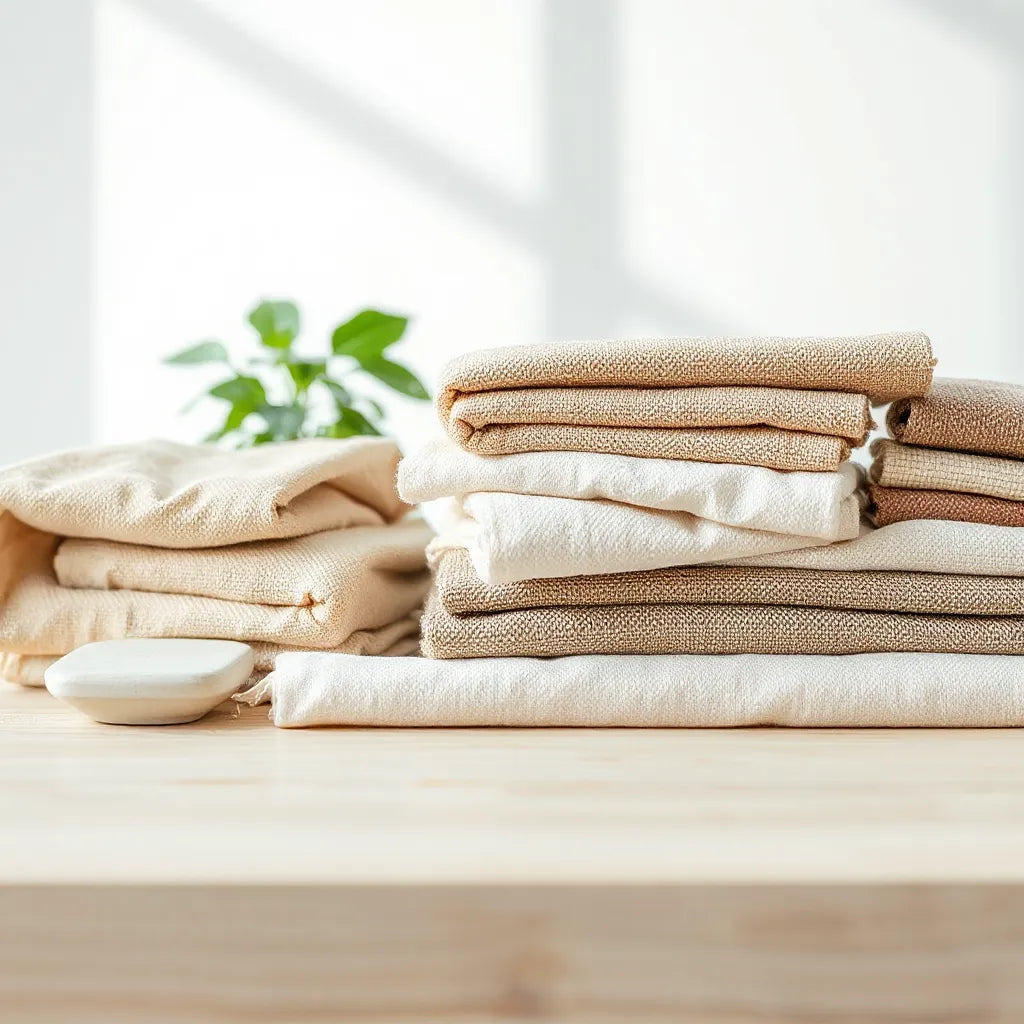
Embroidered motifs, fabric texture, and symbolic color palette
If you want to build a complete gifting approach, consider pairing a heritage-forward outer piece with a matching accessory layer. This creates a cohesive look and reduces uncertainty for the recipient. You can also select complementary items that support comfort, such as underlayers designed to help with smoothness and ease of wear. Explore options that align with modest styling, craft identity, and daily functionality.
- Premium chiffon hijab options
- Cotton inner hijab support
- Heritage-inspired chiffon colorways
- Botanical heritage chiffon styling
Presentation Choices That Feel Personal
Presentation influences how recipients interpret the gift. Heritage gifts become even more meaningful when you add context. The goal is not to overcomplicate the process. It is to create a clear story the recipient can feel.
1) Write a short note that connects the gift to memory
A well-written note can transform a product into a keepsake. Keep it specific. Mention why you chose the gift, what you hope it represents, and how the recipient can use it. A short message also helps you communicate cultural respect without assuming knowledge.
2) Include care guidance in plain language
Many people want to keep gifts in good condition, but they do not know how. Provide a simple reminder about handling embroidered or delicate textiles. When you include basic care steps, you reduce the risk of frustration and improve long-term satisfaction.
3) Pair accessories thoughtfully
If the gift involves head or modest wear layering, consider accessories that simplify the experience. For example, an underscarf or inner layer can improve comfort and reduce slippage. Choose a style that matches the garment’s aesthetic so the final look appears intentional.

Gift note, ribbon texture, and care symbols layout
Care and Lasting Value
Heritage gifts should remain beautiful over time. A simple care routine protects embroidery, preserves color, and supports fabric strength. This step also communicates respect for the craftsmanship behind the gift.
1) Handle embroidery with care
Embroidered details benefit from gentle care. Avoid rough rubbing and harsh stretching. If the piece is delicate, store it with care to reduce friction. When you clean it, use methods that match the fabric type and the construction quality.
2) Choose storage that prevents creasing
Creases can be more than cosmetic when embroidery is involved. Store wearable heritage items in a clean, dry space. If possible, fold with care or use gentle garment storage that limits pressure points.
3) Keep maintenance consistent
Consistency matters. When you follow the recommended care approach, the gift maintains its visual integrity. This supports better long-term satisfaction and reduces wear from repeated mishandling.
When you select high-quality craft, you can expect the gift to hold its character. In heritage design, the details are the message. Protecting those details protects the meaning behind the gift.
Wrap-Up
cultural heritage gifts bring more than aesthetic appeal. They offer connection, respect, and lasting value through meaningful craft. To choose well, match the gift to the recipient’s lifestyle, evaluate workmanship and materials, and select symbolism that you can explain clearly. Enhance the emotional impact with a thoughtful note and simple care guidance. Finally, care for the item properly so the recipient can enjoy it for years.
If you want to shop with confidence, select pieces that reflect clear artisan identity and careful finishing. Consider building your gift set with complementary modest wear layers that support comfort. For a curated start, review heritage-inspired options such as chiffon pieces, inner layers, and accessory basics from Palestinian Elegance to support an intentional, respectful gifting experience.
Q&A Section
What makes a gift qualify as a cultural heritage gift?
A cultural heritage gift typically reflects recognizable craft traditions, design motifs tied to cultural history, and quality workmanship that supports longevity. It can be wearable, display-ready, or a keepsake, but it should carry a coherent story that respects the origin of the design.
Are heritage gifts suitable for both young and adult recipients?
Yes. Many heritage gifts are practical for daily life, especially when the design supports comfort and ease. For younger recipients, focus on wearable simplicity and durable materials. For adults, you can lean into more decorative detail, provided the piece remains manageable to wear and maintain.
How can I avoid misunderstandings when choosing heritage-themed designs?
Choose items with clear craft identity and design context. Avoid assuming that every recipient will interpret symbolism the same way. When you write your gift note, use respectful, general language that focuses on meaning, craft, and appreciation rather than making claims that require specialized knowledge.
What type of heritage gift is most likely to be used regularly?
Wearable modest wear and supportive textile accessories often have high daily utility because they fit into routine. Practical layering items and comfortable, well-finished textiles tend to be used more frequently, which increases the gift’s real-world value.
About the Author
Sulieman Alhazma
Sulieman Alhazma is a heritage-focused fashion and artisan craft specialist with expertise in modest wear design, hand-embroidery appreciation, and cultural storytelling through textiles. He emphasizes quality standards, thoughtful gifting, and responsible support for skilled makers. His personal note: a gift should feel like a bridge between memory and everyday life, not a temporary purchase.
Disclaimer: This article provides general guidance for selecting meaningful gifts. Product availability, care instructions, and fit details may vary. For best results, review the specific product information provided by the retailer and follow care guidance for each item.
The content in this blog post is intended for general information purposes only. It should not be considered as professional, medical, or legal advice. For specific guidance related to your situation, please consult a qualified professional. The store does not assume responsibility for any decisions made based on this information.