

Updated on: 2026-06-14
Customizable ethnic jewelry blends heritage motifs with personal meaning. It supports artisan craftsmanship while giving you control over materials, colors, and symbols. A well-chosen piece can harmonize with modest fashion and everyday outfits. This guide explains how to plan a customization, select quality markers, and care for your jewelry so it remains timeless.
1. Practical Guide: How to Choose Customizable Ethnic Jewelry
1. Practical Guide: How to Choose Customizable Ethnic Jewelry
Customizable ethnic jewelry is designed for people who want both cultural resonance and personal preference. The best approach is to treat the decision like styling and sourcing: you begin with meaning, then you match design choices to your lifestyle. When the details are aligned, the jewelry becomes more than an accessory. It becomes a signature element that feels intentional.
To make the selection process simple, plan in a sequence. First, define the symbol or theme you want. Second, choose materials that fit how you wear jewelry. Third, confirm construction quality and finishing. Finally, decide on sizing and comfort for long-term use.
Define your inspiration and the message you want to wear
Start with a clear purpose. Some people customize for family heritage. Others choose motifs that reflect gratitude, resilience, or celebration. A helpful method is to write three priorities: the cultural motif, the emotional meaning, and the occasion. For everyday wear, prioritize motifs that read well at a glance. For events, consider elements that create depth through texture and contrast.
If you are coordinating with modest fashion, consider how the jewelry will appear against fabric. Lightweight tops and scarves often pair well with delicate shapes and smooth edges. Heavier outer layers may benefit from bolder outlines that remain visible.
Select the right materials for comfort and longevity
Material choice affects appearance and wearability. When you customize, focus on how the jewelry will feel during daily movement. A comfortable clasp or secure connection reduces the need to adjust the piece. For rings, consider band width and interior finish. For earrings, consider weight distribution and how the posts sit behind the ear.
Also evaluate color stability. If the design includes dyed stones or enamel-like details, confirm that the finish is made to withstand normal wear. For necklaces and pendants, ensure the chain or cord is compatible with your preferred styling method.
Choose colors and metals that coordinate with your wardrobe
Color cohesion is a practical advantage. Many people customize ethnic jewelry using a palette that already exists in their wardrobe. Warm tones pair naturally with earthy shades such as olive, sand, and deep teal. Cool tones can harmonize with slate, charcoal, and clean neutrals. If you often wear patterned textiles, choose jewelry that complements rather than competes with the print.
When you want the jewelry to be the focal point, select one dominant color and keep secondary tones muted. When you want a cohesive set, match the secondary color to accents already present in your outfit. This approach produces a curated, rather than accidental, look.

Symbol shapes, color palette swatches, clean layout grid
Confirm craftsmanship and finishing details
Customization is only valuable when the execution is reliable. Examine the finish quality. Smooth edges and consistent detailing reduce snagging and improve comfort. Look for even pattern alignment, consistent stone or bead placement, and secure attachment points. For pendants and charms, ensure the back is finished to prevent friction against clothing or skin.
If the piece includes engraved elements or hand-stitched decorative textures, ask how durability is achieved. The most dependable pieces use components that remain stable under everyday handling.
When you are building a set, consider whether each item shares a common design language. Matching metal tones, compatible sizes, and coordinated motif spacing create a unified appearance across earrings, bracelets, and necklaces.
Plan sizing before you finalize your order
Sizing mistakes are common when customization is rushed. Measure with intention. For rings, confirm finger circumference and consider how seasonal swelling may affect fit. For bracelets, ensure there is enough room for movement. For necklaces, decide on the intended length based on how you style your neckline.
If the jewelry will be layered, choose lengths that create spacing rather than crowding. Layering should look deliberate, with each piece visible in turn. For earrings, consider how the length interacts with your hair or head coverings.
Practical advice: if you wear earrings often, select a comfortable style that does not require frequent removal. If a piece is meant for special events, you can prioritize visual impact. If it is meant for regular wear, prioritize comfort first.
Coordinate with modest wear styling for a cohesive look
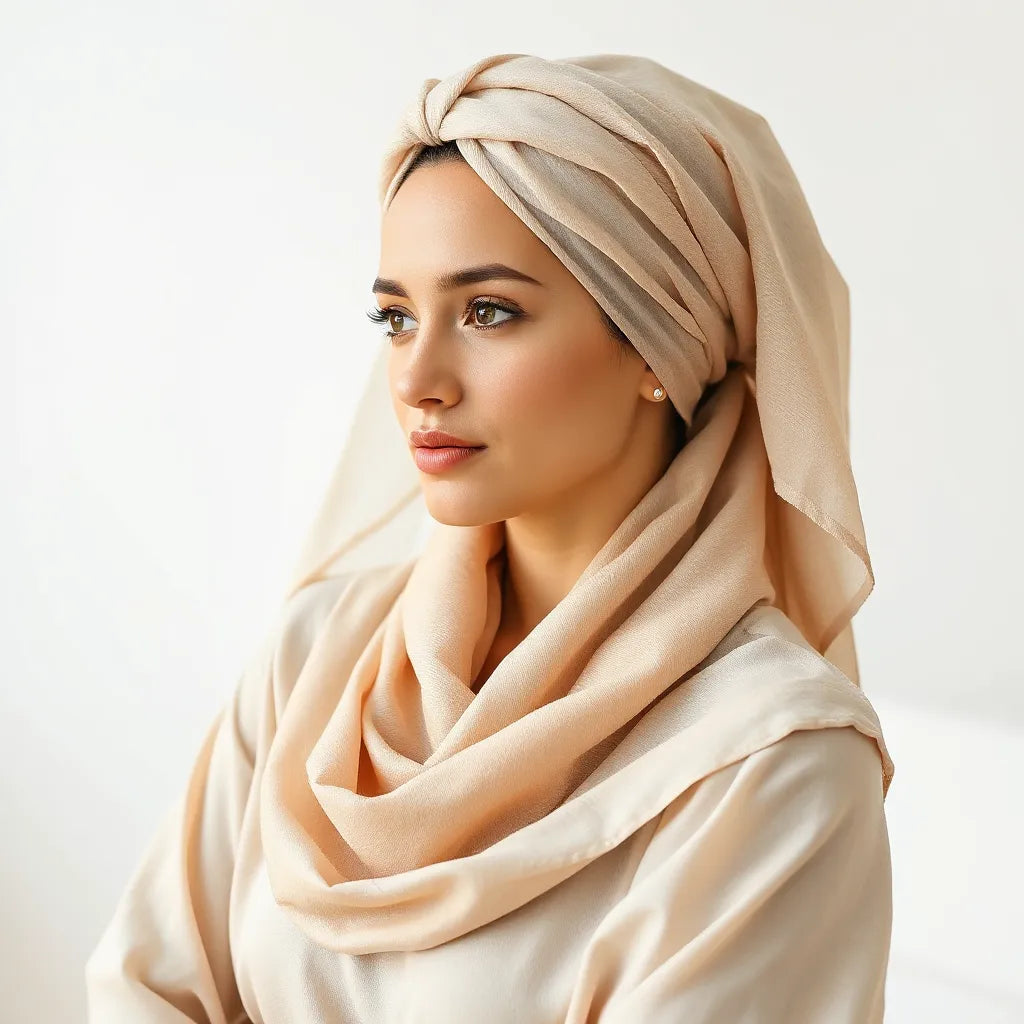
Ethnic jewelry pairs exceptionally well with modest fashion because both disciplines value intentional design. Scarves, wraps, and layered garments create neutral or patterned backgrounds that highlight the jewelry’s motifs. If you wear head coverings, the jewelry can balance the overall silhouette without feeling overly heavy.
To explore coordinated modest wear accessories, consider browsing artisan-made head covering styles such as a cotton under layer or chiffon finishing options. For example, you may find guidance for matching textures and tones through items on Palestinian Elegance.
- Soft chiffon hijab options
- Flow-ready chiffon selections
- Cotton inner hijab layering
- Underscarf and comfort support
2. Key Advantages of Customizable Ethnic Jewelry
Choosing a piece that you can personalize offers more than aesthetic flexibility. Customizable ethnic jewelry supports purposeful purchasing, strengthens cultural representation, and often reflects higher attention to detail. The result is a jewelry item that feels both personal and culturally grounded.
Personal meaning through symbol-led design
When you select motifs deliberately, the jewelry can act as a daily reminder. People commonly customize for milestones, family bonds, travel memories, or personal values. A symbol that feels relevant is more likely to become a favorite, worn repeatedly rather than stored.
Better wardrobe harmony and styling control
Customization improves fit with your existing wardrobe. You can select metals, stones, and colors that align with your favorite garments. This makes the jewelry feel integrated instead of added as an afterthought.
Consistent quality expectations
Most customization processes include clarity around components and finishing. That visibility helps you evaluate construction more effectively than with generic designs. When the jeweler or artisan shares details about materials and assembly, you can make a confident decision that suits long-term wear.
Connection to artisan craftsmanship
Well-designed customizable pieces often reflect artisan expertise. Motif interpretation, finishing techniques, and component selection are typically handled with care. This connection contributes to cultural preservation and supports skilled makers.

Handcrafted texture cues, layered jewelry silhouettes, tidy display
Practical versatility across occasions
Ethnic-inspired motifs can be styled differently. A pendant can feel casual with a simple neckline. The same piece can feel formal when paired with a structured outfit. A set with complementary colors also works across seasons, provided you select materials that remain stable.
If you want a versatile approach, customize one statement element and keep supporting elements restrained. For example, choose a prominent charm as the center piece and build the rest with subtle matching details.
Thoughtful gifting with personalization
Customizable jewelry is also a strong gifting option. Personalization turns a gift into a message. It can be tailored to a favorite color, a shared symbol, or an anniversary theme. When done well, the receiver feels the care behind the choice.
3. Summary & Next Steps
Customizable ethnic jewelry offers a rare combination of personal meaning and heritage expression. By defining your symbol-led inspiration, choosing comfortable materials, confirming craftsmanship, and planning sizing, you can select a piece that will remain wearable and visually coherent for years. The goal is not only to personalize the look, but also to align the jewelry with your everyday style and values.
Next steps: decide on your motif and color palette, review construction and finishing expectations, and plan how you will wear the piece with your head coverings and modest outfits. If you want to build a cohesive wardrobe system, explore compatible textures and layers on Palestinian Elegance.
- Open bonnet layering ideas
- Closed bonnet comfort options
- Chiffon styling foundations
- Pattern-matching collection inspiration
4. Q&A Section
How do I choose a motif that feels culturally respectful?
Select motifs with clear meaning and a solid understanding of why they matter to you. If you are customizing for personal heritage, confirm the motif context and choose a design that aligns with your intended message. When in doubt, choose simpler forms and focus on symbolism you can confidently explain.
What factors matter most for comfort in earrings and necklaces?
For earrings, weight distribution and secure fit are key. For necklaces, pendant balance and chain or cord stability determine how the piece moves with you. Also check for smooth finishing on edges and backs, especially if the jewelry will rest against fabric or skin for extended periods.
Can customizable ethnic jewelry be styled with everyday modest outfits?
Yes. Ethnic motifs can be scaled through size, color, and finish. For daily wear, choose understated charms or smaller earrings and select materials that pair well with your most worn garments. The strongest results come from coordinating a shared color palette and avoiding visual overload.
How should I care for a customized piece over time?
Store jewelry separately to prevent scratches and tangling. Clean with gentle methods appropriate for the materials, and avoid harsh chemicals that can affect finishes. Remove jewelry before activities that involve strong friction, heavy moisture exposure, or frequent impacts, then dry thoroughly before storing.
Is customization always the best option for gifting?
Customization is ideal when you have enough information about the recipient’s preferences, such as colors, preferred metals, and meaningful symbols. If you are uncertain, choose a semi-custom approach: select a base design and keep the personalization limited to a theme or color that you know they enjoy.
5. About the Author
Sulieman Alhazma is an editorial and merchandising professional with expertise in heritage-inspired accessories and modest fashion presentation. With a focus on clarity, quality, and cultural respect, he guides customers toward products that feel purposeful rather than generic. His work supports artisan-led craftsmanship and thoughtful styling decisions. He welcomes readers to apply a practical mindset when selecting customizable pieces.
Disclaimer: This article provides general guidance on selecting and caring for jewelry. Product availability, materials, and construction methods vary by maker. Please verify specifications and care instructions before purchase.
The content in this blog post is intended for general information purposes only. It should not be considered as professional, medical, or legal advice. For specific guidance related to your situation, please consult a qualified professional. The store does not assume responsibility for any decisions made based on this information.