

Updated on: April 1, 2026
A durable fabric scarf represents a timeless accessory that combines practicality with elegance for any wardrobe. Whether you seek protection from the elements or a stylish layering piece, these versatile wraps offer exceptional longevity and aesthetic appeal. Understanding how to select and care for quality scarves ensures your investment remains beautiful for years to come. This guide explores the essential characteristics of durable scarves and provides actionable recommendations for choosing the perfect piece.
Table of Contents
- Product Spotlight
- How to Choose a Durable Fabric Scarf
- Personal Experience
- Summary and Recommendations
- Questions and Answers
Product Spotlight: Colorful Kuffiyehs
The Colorful Kuffiyehs exemplify exceptional craftsmanship and cultural significance. This heritage piece merges traditional design with modern sensibilities, offering a scarf that transcends seasonal trends. Crafted from premium materials, this accessory provides reliable warmth while making a distinctive style statement.
Colorful Kuffiyehs: Cultural Heritage and Versatile Style

View the Colorful Kuffiyehs Collection
This scarf demonstrates why investing in quality matters. The construction withstands regular wear and washing cycles without losing shape or color vibrancy. The material breathes well, making it suitable for various climates and occasions. Whether worn casually or formally, this piece elevates any ensemble with authentic cultural heritage and refined elegance.
How to Choose a Durable Fabric Scarf
Step One: Assess Material Composition
The foundation of any long-lasting scarf lies in its fiber content. Natural fibers such as cotton, wool, silk, and linen offer superior durability compared to synthetic alternatives. Cotton provides breathability and easy maintenance, making it ideal for everyday wear. Wool delivers exceptional insulation and resilience, perfect for colder climates. Silk offers luxurious softness with impressive longevity when properly cared for. Blended fabrics combining natural fibers often provide optimal balance between durability, comfort, and practicality.

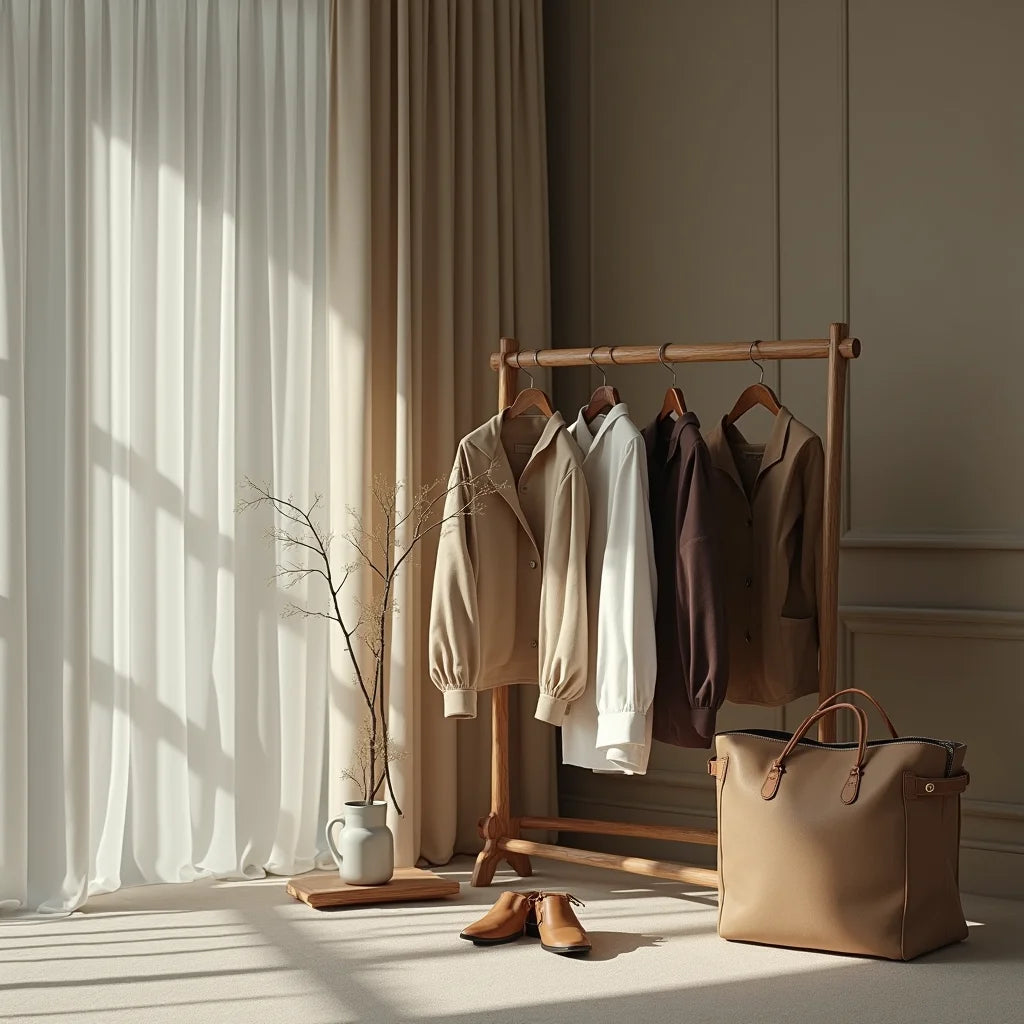
Texture comparison showing natural fiber weaves with tight, uniform construction patterns.
Step Two: Examine Weave Quality and Density
Run your fingers across the fabric to evaluate weave tightness. High-quality scarves feature densely woven fibers that resist fraying, pilling, and stretching. Tight weaves prevent unraveling at edges and maintain structural integrity through extended use. Look for consistent patterns throughout the entire piece, indicating skilled manufacturing. A durable fabric scarf should feel substantial without excessive weight, balancing density with wearability.
Step Three: Evaluate Edge Finishing
Examine how the scarf edges are finished. Superior construction includes rolled hems, sewn borders, or secure binding that prevents unraveling. Poor edge finishing suggests the item will deteriorate quickly with regular use. Run the edge between your fingers and verify it feels smooth and secure. Professionally finished edges indicate a manufacturer committed to lasting quality.
Step Four: Check Colorfastness
Ask sellers about dyeing methods and colorfastness ratings. High-quality pieces undergo rigorous testing to ensure colors remain vibrant after washing and sun exposure. Request information about whether dyes are natural or synthetic, as this affects both longevity and environmental impact. Reputable manufacturers provide care instructions that help maintain color vibrancy indefinitely.
Step Five: Consider Weight and Drape
Handle the scarf and observe how it falls naturally. Appropriate weight ensures the fabric drapes elegantly without appearing limp or overly stiff. Lighter scarves suit warmer climates and delicate styling, while heavier options provide warmth and structure for colder seasons. Test the drape by holding it at various angles to confirm it maintains shape throughout the day.

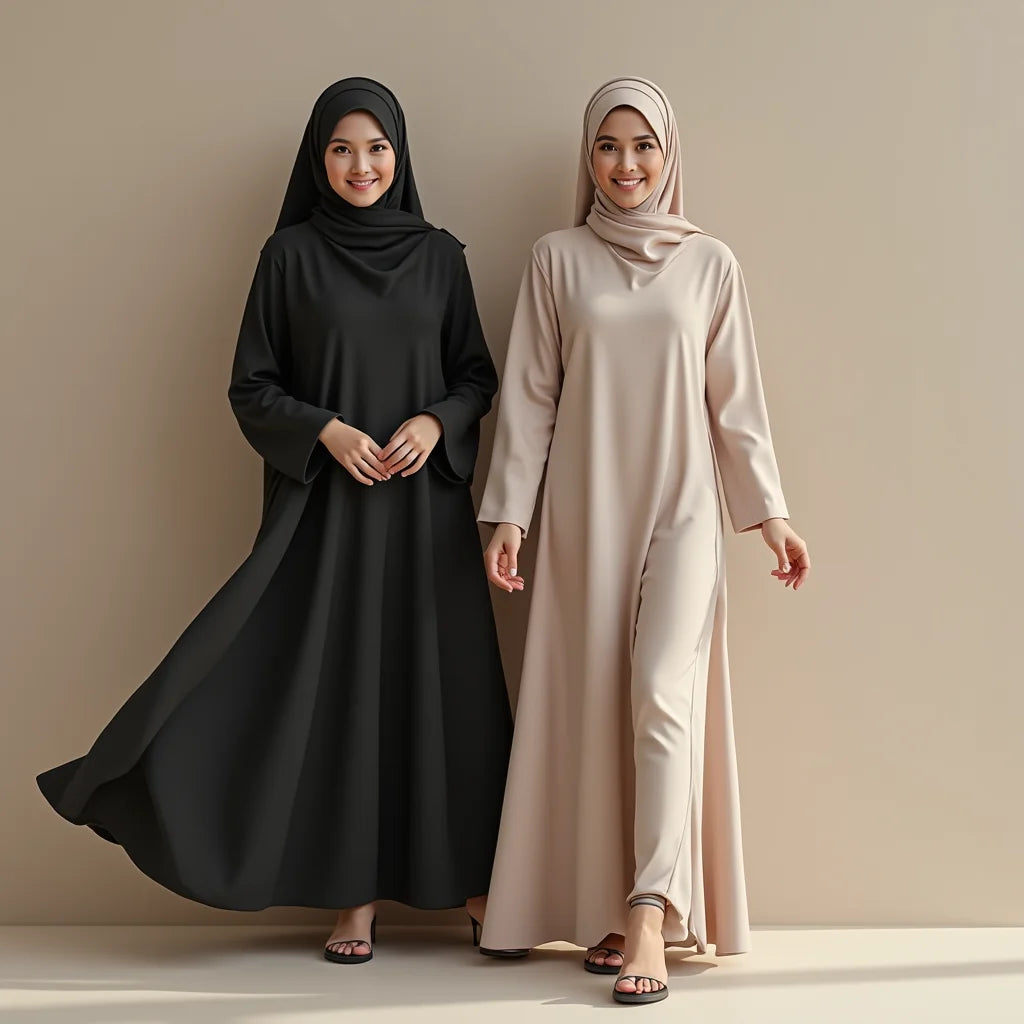
Graceful fabric drape demonstrating fluid movement and structured elegance in garment design.
Personal Experience
Several years ago, I purchased an inexpensive polyester scarf at a department store without considering quality factors. Within two months, the synthetic material became matted and discolored. The poorly finished edges began fraying, and the chemical smell never completely disappeared. This disappointing experience taught me valuable lessons about material selection and manufacturing standards.
Subsequently, I invested in a cotton-blend scarf from a specialty retailer that emphasized craftsmanship and material quality. This piece has survived countless washes, regular daily wear, and extended storage without noticeable degradation. The fabric maintains its original softness, colors remain vivid, and the edges remain perfectly intact. This stark contrast between my two purchases demonstrated unmistakably that durable fabric scarves deliver genuine long-term value despite higher initial costs.
The superior scarf has become a versatile wardrobe staple I reach for constantly. Its reliability and lasting beauty justify the investment entirely. I now share this knowledge with friends and family, encouraging them to prioritize quality construction and natural materials when selecting scarves they intend to wear frequently.
Understanding Fabric Care for Longevity
Proper maintenance significantly extends scarf lifespan. Always follow manufacturer care labels to prevent damage from inappropriate washing methods or temperatures. Hand washing in gentle detergent preserves fabric integrity better than machine washing for delicate materials. Air drying away from direct sunlight prevents color fading and maintains fiber elasticity. Proper storage in breathable cotton bags protects scarves from dust, pests, and moisture during off-season periods.
For wool scarves, periodic airing outdoors naturally refreshes fibers and removes odors without laundering. Silk pieces benefit from occasional steaming to restore drape and remove wrinkles gently. Cotton and linen scarves tolerate more frequent washing but appreciate gentle cycles and mild temperatures. Understanding your specific scarf's material requirements ensures it remains beautiful and functional for years of continued enjoyment.
Versatile Styling Applications
Quality scarves offer remarkable styling flexibility across diverse occasions and seasons. Wear them wrapped around the shoulders as elegant evening accessories, styled as headcovers for cultural or religious purposes, or draped casually around the neck for informal warmth. Fashion enthusiasts tie them as hair accessories, use them as hip belts over dresses, or incorporate them into layered outfits for added depth and visual interest.
Consider exploring premium soft chiffon options for elegant draping capabilities, or select cotton variations for everyday durability and ease of care. Each material type offers distinct advantages for particular styling applications and seasonal requirements.
Investment Value and Sustainability
Purchasing durable fabric scarves represents an environmentally conscious choice compared to buying multiple lower-quality alternatives that end up discarded. A single well-made scarf that lasts five or ten years creates substantially less textile waste than replacing inferior pieces annually. This sustainability aspect appeals increasingly to conscious consumers seeking responsible shopping practices.
Quality scarves also provide better financial value over extended periods. While premium pieces cost more initially, the per-wear cost decreases dramatically when garments endure frequent use for years. Budget-conscious shoppers actually save money by investing in lasting quality rather than repeatedly replacing worn items. This economic reality, combined with environmental benefits, makes durable fabric scarves a genuinely smart purchase decision.
Summary and Recommendations
Selecting a durable fabric scarf requires careful attention to material composition, weave quality, edge finishing, and manufacturing standards. Natural fibers including cotton, wool, and silk offer superior longevity compared to synthetic alternatives. High-quality weaves resist pilling and fraying while maintaining structural integrity through years of regular use. Proper care including gentle washing, appropriate drying methods, and secure storage ensures scarves remain beautiful indefinitely.
I recommend prioritizing quality over quantity when building your scarf collection. One exceptional piece worn regularly provides greater value than several mediocre alternatives gathering dust in drawers. Invest in materials that suit your climate and lifestyle, and select colors and patterns reflecting your personal style preferences. Whether selecting soft flow chiffon designs or practical cotton styles, prioritize durability and construction quality above all other factors.
Questions and Answers
What materials offer the best durability for everyday scarves?
Natural fibers provide optimal durability for regular wear. High-quality cotton withstands frequent washing and maintains softness indefinitely. Wool offers exceptional resilience and insulation properties suitable for colder climates. Silk, while delicate, lasts remarkably long when handled properly. Blended fabrics combining these natural fibers often provide ideal balance between durability, comfort, and ease of care. Avoid synthetic polyester and acrylic materials, which pill easily and deteriorate quickly with regular use.
How often should I wash a durable fabric scarf?
Washing frequency depends on how often you wear the scarf and environmental factors affecting cleanliness. Daily-wear scarves benefit from gentle hand washing every two to four weeks, depending on visible soiling or odor. Less frequently worn pieces may require washing only several times yearly. Always follow manufacturer care instructions, as different materials tolerate different water temperatures and washing methods. Proper care routines extend scarf lifespan significantly while maintaining appearance and hygiene.
Can I machine wash quality scarves safely?
Many durable fabric scarves tolerate gentle machine cycles, though hand washing remains gentler on delicate fibers. Check care labels before machine washing, as some materials require hand washing exclusively. Use cold water, delicate cycles, and mild detergent if machine washing. Place scarves inside mesh laundry bags to protect them from agitation damage. Air dry completely away from direct heat and sunlight. When uncertain about machine washing, hand washing guarantees the safest approach for preserving scarves indefinitely.
What distinguishes high-quality scarves from inexpensive alternatives?
Superior scarves feature tightly woven natural fibers resistant to pilling, fraying, and color fading. Manufacturing processes emphasize quality at every stage, resulting in secure edge finishing and consistent construction throughout. Premium materials cost more initially but endure years of regular wear without degradation. Inexpensive alternatives utilize synthetic fibers prone to matting, loose weaves allowing unraveling, and poor color retention. While low-cost options seem budget-friendly initially, they require frequent replacement, ultimately costing more and creating greater environmental impact.
How should I store scarves during off-seasons?
Store scarves in breathable cotton bags or acid-free tissue paper to prevent dust accumulation while allowing air circulation. Avoid plastic containers that trap moisture and encourage mildew development. Keep scarves in cool, dry locations away from direct sunlight, which fades colors over time. Do not use cedar blocks or mothballs with natural fiber scarves, as these substances can damage delicate fibers and leave lasting odors. Proper storage protects scarves during extended periods without use, ensuring they remain pristine when needed again.
Where can I find authentically made durable scarves?
Specialty retailers focusing on heritage textiles and cultural garments offer high-quality scarves with genuine craftsmanship. Reputable online stores provide detailed material descriptions and manufacturing information. Many artisanal producers create scarves using traditional methods and premium materials. Visit Richardsshops559 for additional scarf options and styling inspiration. Always request information about fiber content, production methods, and care requirements before purchasing.
Why do durable fabric scarves cost more initially?
Premium pricing reflects superior materials, skilled labor, and rigorous quality control throughout manufacturing processes. High-quality natural fibers cost significantly more than synthetic alternatives. Careful construction techniques require experienced craftspeople and more production time than mass manufacturing methods. Ethical production practices ensuring fair wages and safe working conditions increase costs appropriately. While expensive initially, durable scarves provide exceptional value through years of reliable wear, making them genuinely economical long-term investments.
How can I tell if a scarf will fade quickly?
Request information about dyeing methods from sellers. Natural dyes typically offer superior colorfastness compared to synthetic alternatives. Ask about color testing standards and any guarantees regarding color retention. Examine seams and hems for color inconsistency suggesting uneven dyeing. Quality manufacturers provide detailed care information specifying color maintenance requirements. When possible, review customer feedback regarding color retention after washing and extended wear. Choosing scarves with proven colorfastness prevents disappointing discoloration over time.
Are silk scarves durable enough for everyday wear?
Silk offers remarkable durability when handled appropriately, despite its delicate appearance. High-quality silk withstands regular wear and can last decades with proper care. Avoid exposing silk to excessive friction, sharp objects, or harsh chemicals that damage fibers. Hand washing in cool water with gentle detergent preserves silk integrity effectively. Store silk scarves carefully to prevent crushing or wrinkling. While silk requires more attentive care than cotton or wool, the resulting elegance and exceptional longevity justify the additional effort.
Can I wear durable scarves in different seasons?
Absolutely. Material weight determines seasonal appropriateness. Lightweight cotton and silk scarves work well in warm seasons, providing sun and wind protection without excessive heat. Medium-weight blends suit transitional seasons. Heavy wool options deliver necessary insulation during cold months. Many quality scarves offer versatility across multiple seasons through varied styling techniques. Thin silk wraps worn loosely over shoulders provide summer comfort, while the same scarf layered and wrapped densely delivers winter warmth. Strategic collection building ensures year-round scarf availability.
About the Author
Sulieman Alhazma brings extensive expertise in textile quality, sustainable fashion, and cultural heritage garments to this discussion. With deep knowledge of fabric construction, fiber properties, and ethical manufacturing practices, the author provides reliable guidance for conscious consumers. Through personal experience and dedicated research, Sulieman has developed comprehensive understanding of durable fabric scarves and their significant role in versatile wardrobes. I invite you to apply these insights toward selecting scarves that bring lasting beauty and dependable quality to your daily life.