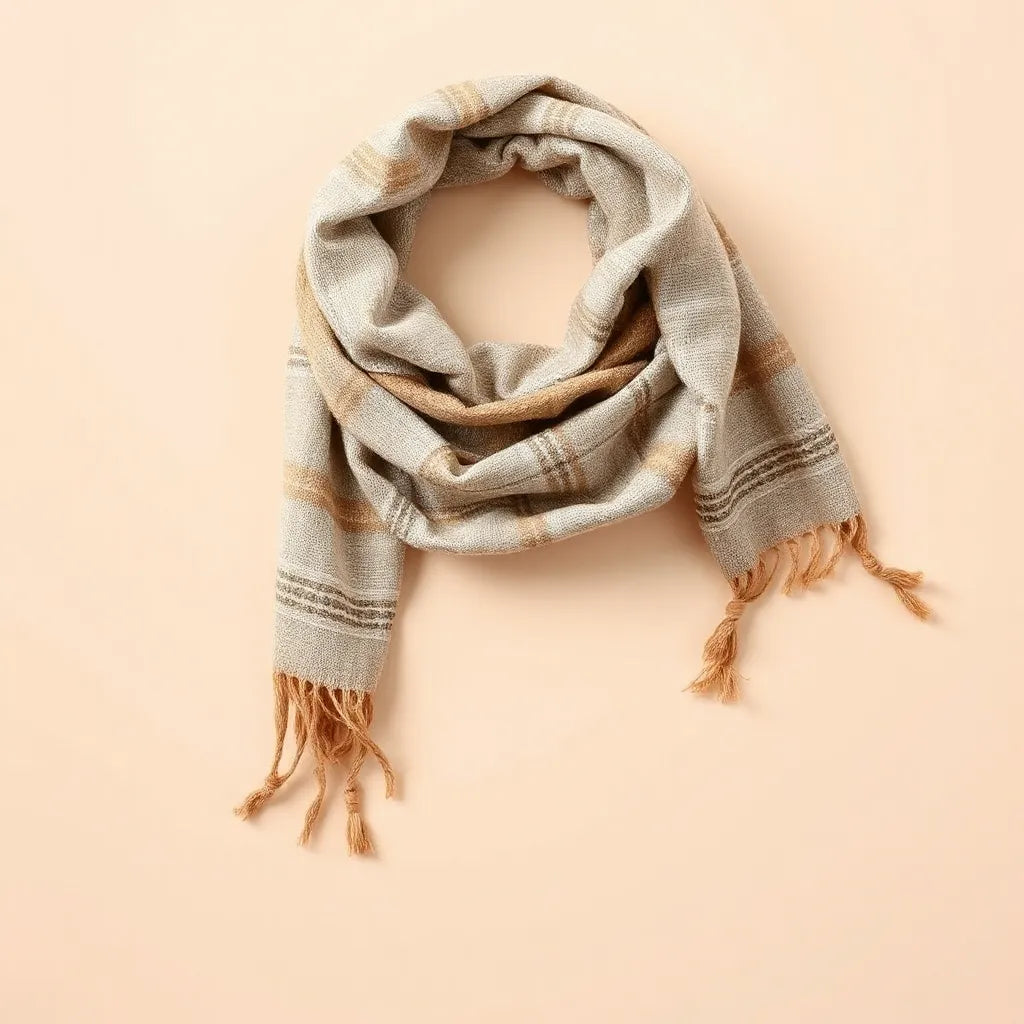


Updated on: 2026-07-06
Elegant accessories for casual wear transform everyday outfits into polished looks without sacrificing comfort. The right pieces balance color, texture, and proportion, so your style feels intentional in day-to-day settings. By choosing accessories that suit the fabric weight and neckline of your outfit, you can create a cohesive appearance. Use simple styling rules to layer tastefully and avoid visual overload. With a few reliable habits, casual dressing can look refined every time.
- How to Style Elegant Accessories for Casual Wear
- Choose the Right Materials and Texture Balance
- Use Color, Contrast, and Proportion Thoughtfully
- Layering and Fit: Make It Look Effortless
- Care and Maintenance for Long-Lasting Accessories
- Build a Small “Capsule” Set of Accessories
- FAQ
- About the Author
How to Style Elegant Accessories for Casual Wear
Elegant accessories for casual wear are most effective when they support your outfit, not compete with it. The goal is a clean, confident look that feels natural. Start with the context of your day: errands, visits, and casual appointments each call for different levels of shine, structure, and color intensity.
To get results quickly, use a simple routine: select one “hero” accessory, keep the rest subtle, and ensure your accessory placement follows the lines of your outfit. For example, when the clothing has a structured neckline, a softly draped accessory usually looks more harmonious. If the outfit is simple and fluid, you can choose a more defined accessory element, such as crisp edges or detailed stitching.
Step 1: Identify the outfit focus
Look at your casual outfit and decide what it already highlights: color, pattern, embroidery, or silhouette. If your base garment includes decorative details, choose accessories with refined texture rather than additional busy patterns.
Step 2: Pick one focal point
Select a single point that draws the eye. Common choices include a scarf detail near the face, a tie-bandana knot at the shoulder, or a statement motif on the accessory. Keep everything else close to neutral or toned-down tones to maintain balance.
Step 3: Match accessory weight to outfit fabric
Light fabrics pair well with airy accessories, while heavier knits pair well with accessories that hold shape. This is a styling detail that often separates “put together” from “random.”
Step 4: Use finishing details
Finishing matters. Tidy folds, smooth edges, and well-placed pins or ties create a polished outcome. Even the most elegant accessories can look ordinary when they are loosely arranged.

Balanced color blocks and clean scarf drape
Step 5: Keep proportions consistent
Proportion controls elegance. If your accessory is visually large, choose smaller accents elsewhere. If your outfit is already bold, opt for a calmer accessory palette. A consistent proportion creates a uniform, intentional look.
When you shop for modest fashion accessories, consider how each piece performs in everyday settings. You can also explore artisan-inspired options that bring structure and heritage detail into casual wardrobes, such as KS COLLECTION.
Choose the Right Materials and Texture Balance
Texture is one of the fastest ways to elevate casual styling. Elegant accessories for casual wear should contribute a refined surface quality, whether through matte fabric, delicate sheen, or visible craftsmanship. The best choices match the “hand feel” of your outfit fabrics, so the look stays unified.
For daily wear, prioritize materials that drape naturally and hold their shape. Chiffon-like fabrics can create a soft movement, while cotton-based accessories often feel breathable and structured. If your casual outfit includes knit layers, a smooth accessory surface can create contrast without adding visual noise.
How to read texture compatibility
- Matte base garments pair well with accessories that have subtle dimension.
- Shiny or smooth outfits can be balanced with accessories that have gentle translucency or fine patterning.
- Heavy fabrics benefit from accessories that drape rather than cling.
In modest wear styling, scarves and head coverings often serve as the main design element. When the fabric selection is correct, even minimal outfits appear intentional. For example, lighter scarves can frame the face with softness, while structured inner layers improve comfort and stability.
Here is an example product you can incorporate into a casual-to-polished routine:

Colorful Kuffiyehs: Cultural Heritage and Versatile Style
To keep the look elegant, pair a colorful accessory with simpler base garments. Let the accessory carry the narrative, and keep the outfit colors neutral or closely related. The tassels or decorative edges can also be positioned to avoid tangling and reduce day-long adjustment.
Use Color, Contrast, and Proportion Thoughtfully
Color selection should be disciplined, not complicated. Elegant accessories for casual wear work best when the palette has a clear plan. One approach is to choose a base tone from your outfit, then add an accessory color that either complements or contrasts. Complementary colors create calm refinement. Contrasting tones create energy and focus.
Contrast is especially helpful for casual outfits that feel flat. If your clothing is monochrome, an accessory with depth, embroidery, or patterned fabric can add dimension without needing additional jewelry or extra layers. However, contrast must be measured. Over-contrasting accessories can overwhelm a casual look.
Practical color rules for daily styling
- Choose one dominant color that matches or echoes your outfit.
- Allow one secondary accent that appears in small areas.
- Avoid using multiple high-contrast elements at once unless the outfit is already minimal.
- Keep background neutral tones when the accessory includes intricate detail.
Proportion matters as much as color. If your casual outfit has a high neckline or a structured collar, a medium-size accessory detail near the shoulder or upper torso tends to balance the look. If your outfit is more fluid, a slightly fuller accessory can create structure without stiffness.
If you want an easy upgrade path, consider accessories designed for stable placement. For inner support and smooth finishes, you can pair outer pieces with a well-fitting base. Options like a cotton under layer help keep the look tidy throughout the day.
Layering and Fit: Make It Look Effortless
Elegance is not only about what you wear. It is also about how it sits. Layering and fit determine whether your casual outfit looks refined or unfinished. A consistent approach to placement creates a stable silhouette and reduces the need for constant adjustments.
Start with fit at the base. A comfortable inner layer improves smoothness and helps prevent shifting. Next, choose the outer accessory placement that frames your face and follows the flow of your clothing.
Layering strategies that work in real life
- Use inner support to create a stable foundation.
- Position decorative edges so they align with the outfit’s natural lines.
- Secure strategically rather than aggressively, so the accessory remains breathable and natural.
- When using multiple accessory elements, keep one element visually dominant.
For head and neck styling, inner layers and outer pieces should work together. If you prefer lightweight, breathable options, you can browse a range of structured yet comfortable accessories. For example, a closed bonnet style can provide stable coverage and help maintain a clean line under layered pieces.
Placement guidance for a polished casual look
Consider how the accessory relates to your face and collar area. Aim for a frame effect near the face, while keeping the rest of the accessory smooth. Avoid uneven bulk or random folds. When the drape is even, the overall look reads as intentional, even if the outfit is simple.

Three-step layering silhouette with smooth edges
Care and Maintenance for Long-Lasting Accessories
Accessories remain elegant when they stay in excellent condition. Maintenance is not optional if you want consistent drape, stable color, and neat finishing. The right care routine preserves texture, protects embroidery, and supports long-term comfort.
Begin with fabric-safe cleaning. Separate accessories by material type, then use gentle handling. Store pieces in a way that protects edges and prevents creasing in visible areas. If you use scarves frequently, consider folding techniques that preserve shape and reduce wrinkling.
Reliable care habits
- Follow fabric-specific care instructions.
- Air-dry flat when possible to protect drape and edges.
- Use gentle detergents designed for delicate textiles.
- Store away from direct sun to reduce fading.
For accessories with decorative stitching, treat them with extra caution. Brushing or aggressive rubbing can disturb threadwork and reduce visual crispness. When you maintain the craftsmanship, you preserve the refined look that makes an accessory feel special.
Build a Small “Capsule” Set of Accessories
A capsule approach prevents decision fatigue and ensures you always have elegant accessories ready for casual outfits. Instead of owning many pieces that you rarely wear, select a small set that covers multiple outfit needs: everyday neutrals, color accents, and one heritage-inspired statement.
Consider building around these categories: an inner support piece for stability, one or two outer accessories for daily draping, and a patterned or heritage accessory that elevates the simplest outfit. With this structure, you can mix and match without overthinking.
Capsule checklist for casual elegance
- One neutral accessory that complements most outfits.
- One accessory with gentle texture or subtle patterning.
- One heritage-inspired or culturally detailed piece for special casual days.
- One inner support option for smooth, secure wear.
When you choose pieces aligned with your everyday lifestyle, the styling process becomes faster and more consistent. You will also notice how often “simple” outfits become more polished once the accessory set is properly planned.
Where artisan quality fits casual dressing
Casual dressing can still reflect craftsmanship. Accessories with detailed finishing and cultural heritage often look elegant even with minimal outfit styling. They communicate care through texture and detail. This is particularly valuable for everyday wear, where you need reliable beauty without complicated coordination.
For modest wardrobes, artisan-made elements can provide both visual interest and practical structure. If you want to explore heritage-forward designs, you can review options such as a tie bandana style that supports versatile casual styling through adjustable placement.
FAQ
What counts as elegant accessories for casual wear?
Elegant accessories for casual wear are pieces that add refined detail through drape, texture, and color coordination. They should complement your outfit rather than overwhelm it. Clean finishing, stable placement, and fabric compatibility are common markers of an elegant result.
How many accessories should I wear with a casual outfit?
In most cases, one focal accessory is enough. You may add a second element only if it is subtle and does not compete for attention. For a polished look, keep accessories consistent in color temperature and avoid stacking multiple high-contrast details.
Do I need an inner layer for better accessory styling?
An inner layer can improve comfort and stability, especially for head and scarf styling. It helps maintain a clean line, reduces shifting, and supports smoother draping. When the foundation fits well, the outer accessory appears more intentional throughout the day.
Closing Thoughts
Elegant accessories for casual wear help you look composed without sacrificing comfort. When you match texture and fabric weight, control color contrast, and maintain a stable fit, the final look becomes consistently polished. Start with one focused accessory, then build a small capsule set that covers daily needs. With these practical habits, casual outfits will feel more refined and ready for any day.
About the Author
Sulieman Alhazma is a fashion-focused content contributor with expertise in modest wear styling and accessory coordination. Their work emphasizes craftsmanship, fabric behavior, and heritage-informed design choices that support everyday confidence. With a disciplined approach to guidance, Sulieman helps readers translate elegant styling principles into practical routines. Thank you for reading and for taking the next step toward a more refined casual wardrobe.
Disclaimer: This article is for general informational purposes only and does not constitute professional fashion, fabric, or care advice. Always review product-specific care instructions and consider personal comfort and fit when styling accessories.
The content in this blog post is intended for general information purposes only. It should not be considered as professional, medical, or legal advice. For specific guidance related to your situation, please consult a qualified professional. The store does not assume responsibility for any decisions made based on this information.