

Updated on: 2026-05-15
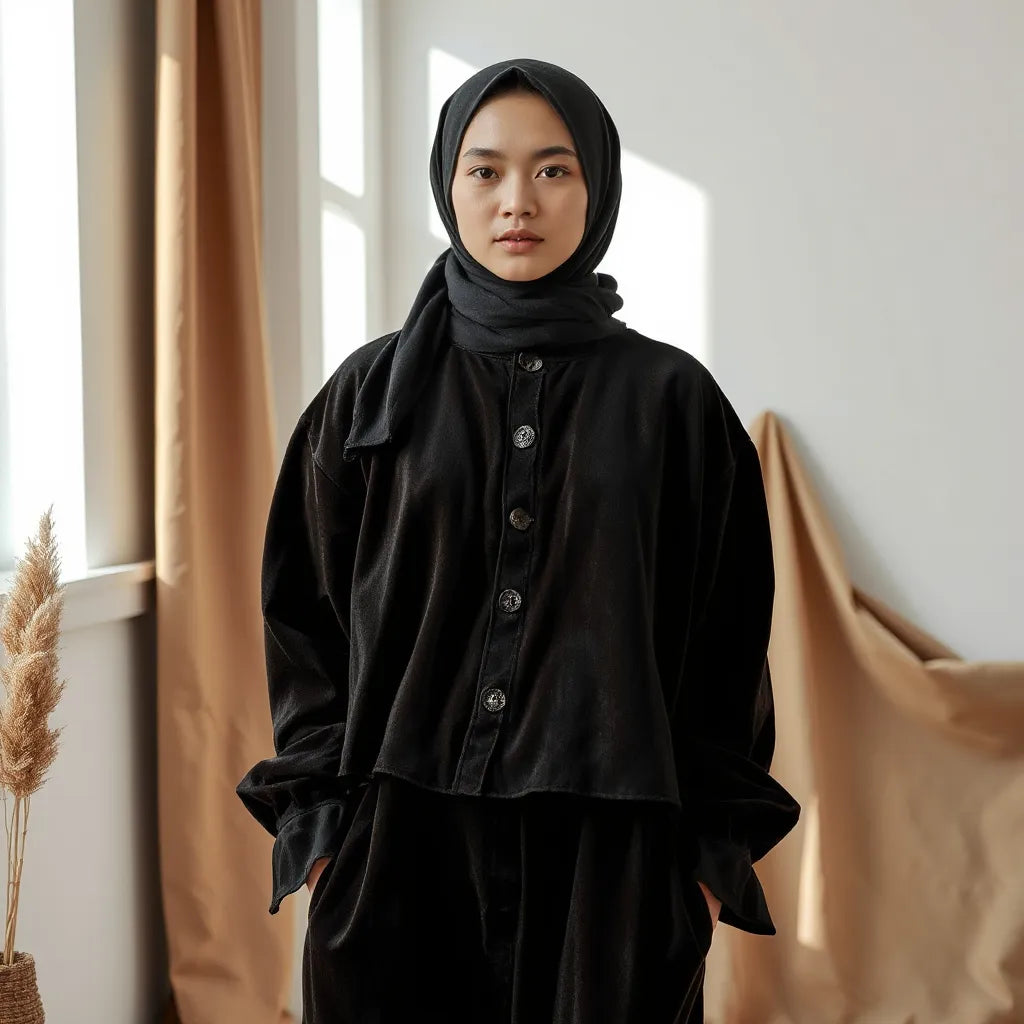
Choosing an Embroidered Thobe with Satin Belt is about more than appearance. It creates a polished silhouette and elevates everyday wear with refined craftsmanship. The embroidered detailing offers visual depth, while the satin belt adds structure and a balanced shape. With the right fit and care routine, this style can remain a dependable wardrobe staple for many occasions.
If you want a formal yet wearable look, an Embroidered Thobe with Satin Belt can solve a common styling problem: how to balance tradition, comfort, and a refined finish. Many shoppers admire embroidered clothing but are unsure how to select the right proportions, colors, and belt placement. This guide addresses those decision points with practical advice you can use before you buy.
Myths vs. Facts
Myth: Embroidery always looks stiff and uncomfortable.
Fact: Quality embroidery is designed for garment movement. The overall drape depends on the base fabric and construction, not the concept of ornamentation.Myth: A satin belt will always look too shiny for daily wear.
Fact: Satin can be styled with subtle color coordination and modest accessory choices. The goal is harmony, not excessive contrast.Myth: Belt placement is only aesthetic.
Fact: Correct belt placement supports proportions. It can visually refine the waist line and improve how the garment sits across the torso.Myth: Embroidered garments are difficult to care for.
Fact: Care is manageable when you protect embroidery from friction, avoid harsh detergents, and follow garment-specific washing guidance.
Step-by-Step Guide
Use the following steps to choose and style an embroidered thobe style with a satin belt in a way that looks intentional and feels comfortable. This approach works for formal gatherings, family celebrations, and polished everyday events.
Start with the purpose of wear. Decide whether the thobe is for a formal celebration, a family event, or a special day at work. Purpose guides color intensity and how strongly you want the embroidery to stand out.
Evaluate the base fabric for comfort and movement. Look for a fabric that supports airflow and drape. When the base cloth has good hand-feel and structure, the embroidery sits more smoothly and the garment looks more refined.
Assess embroidery scale and density. Larger motifs can create a bold focal point. Smaller repeating motifs often create a softer, balanced look. Choose the scale that fits your personal style and the occasion.
Plan color harmony around the satin belt. The belt should complement the main embroidered tones. If the embroidery includes multiple shades, choose a belt tone that bridges the most prominent color or provides a clean visual anchor.
Confirm proportions and sizing. The satin belt should sit where you want the visual emphasis to be. If the belt sits too high or too low, the silhouette can feel unbalanced even when the garment is well made.
Check seam finishing and reinforcement points. High-quality construction often shows attention at stress areas such as the belt loops, side seams, and neckline finish. These details influence longevity and comfort.
Style the look with modest, coordinated accessories. Choose accessories that do not compete with the embroidery. Neutral tones and clean textures help the thobe remain the center of the outfit.
Use a care plan that protects the embroidery. Turn the garment inside out for cleaning when recommended, store it with care, and avoid friction that can dull satin or distort threadwork.

Balanced silhouette cues: waist focus, embroidered motif grid
How to Style for Different Occasions
Styling should match the formality of the setting. A well-fitted embroidered garment with a satin belt can read as both elegant and structured. The key is to adjust the supporting elements without diluting the craftsmanship.
Formal celebrations
For formal gatherings, prioritize clarity in color matching. Let the embroidery be visible by keeping the rest of the outfit clean and streamlined. A belt tone that echoes one of the dominant embroidered shades can create a cohesive effect.
Family events and daytime ceremonies
For daytime events, consider softer coordination. You can keep the look refined by choosing accessories with minimal texture contrast. This allows the satin belt to provide structure without appearing overly bright.
Polished everyday moments
If you want an everyday wearable version, focus on fit and comfort first. The embroidered detailing should be an elegant highlight rather than an overpowering focal point. When the belt is positioned correctly, the garment maintains a neat line even during movement.
Choosing the Right Satin Belt Effect
The satin belt can change the entire visual structure of the garment. Satin reflects light differently than matte textiles, so it can create a controlled highlight. When you choose the belt shade thoughtfully, the belt becomes a design element that frames the embroidery rather than competing with it.
Consider belt tone selection in two ways. First, match the belt to the most readable embroidery color so the eye moves smoothly across the outfit. Second, if the embroidery includes multiple tones, choose a belt that visually unifies them. In both cases, the goal is coherence and a clear silhouette.
Frequently Asked Questions
How do I know the belt position will flatter my silhouette?
Choose a fit where the belt sits around your natural waist or the position you want to emphasize. If you can, compare the look when standing and moving slightly. The best placement supports the drape and keeps the embroidery looking centered.
Is the embroidery likely to fade quickly?
Embroidered threadwork can last for years when protected from heavy friction and harsh cleaning agents. Gentle cleaning, careful storage, and following product care guidance help maintain color and texture.
What should I wear with it for a complete modest look?
Choose coordinated modest layers and accessories that remain visually calm. A clean neckline finish, neutral outerwear if needed, and well-matched footwear help the thobe remain the focal point.

Light coordination concept: belt highlight with embroidery harmony
Summary & Key Takeaways
An Embroidered Thobe with Satin Belt style works best when the design elements feel intentional. Focus on base fabric comfort, embroidery scale, and color harmony with the satin belt. Confirm sizing and belt placement to preserve a balanced silhouette, and maintain the embroidery with a protective care routine. If you want to explore complementary modest wear styles and coordinated textile craftsmanship, consider browsing collections and artisan pieces on Palestinian Elegance.
Q&A Section
What is the most reliable way to match the satin belt to embroidery?
Use a bridge strategy: identify the most dominant embroidery tone, then choose a belt shade that matches or closely complements it. If the embroidery uses several tones, select a belt color that appears across multiple motifs so the outfit looks unified.
Can I wear this style more than once without losing its polished look?
Yes, if you protect the garment between wears. Store it flat or on a suitable hanger with care, avoid rubbing satin against rough surfaces, and follow recommended cleaning instructions. Regular maintenance helps preserve both the embroidered detail and the belt finish.
What should I prioritize if I feel unsure about sizing?
Prioritize comfort at the shoulders and the overall drape of the torso. Then confirm that the belt sits in the intended emphasis area. When the base garment fits well, the satin belt reads as a designed detail rather than a correction.
Related Reading: Coordinated Modest Wear Foundations
If your outfit planning includes coordinated modest layers, you may find helpful options within the wider modestwear range. For example, you can explore inner layers and hijab styles that pair well with formal outfits on cotton inner hijab and cotton underscarf for a smooth, tidy foundation.
For additional artisan-focused apparel inspiration, you can also browse craftsmanship related to embroidered textile production, available through modern embroidery-loom dress.
About the Author Section
Sulieman Alhazma is a fashion and textile specialist with a focus on heritage craftsmanship, thoughtful modest styling, and durable garment selection. With extensive experience evaluating fabric behavior, stitching quality, and finishing details, Sulieman helps customers choose pieces that look refined and feel wearable. The guidance in this article reflects practical shopping priorities built for real-life styling. For curated inspiration and dependable artisan craftsmanship, Sulieman encourages customers to explore with confidence.
The content in this blog post is intended for general information purposes only. It should not be considered as professional, medical, or legal advice. For specific guidance related to your situation, please consult a qualified professional. The store does not assume responsibility for any decisions made based on this information.