

Updated on: March 15, 2026
Traditional Palestinian wear represents centuries of cultural heritage, craftsmanship, and identity expressed through distinctive garments. These garments blend historical significance with practical design, featuring embroidered details and regional variations that reflect the rich history of Palestinian communities. Understanding the components, styles, and cultural importance of these clothing pieces offers insight into a vibrant tradition that continues to thrive today. This guide explores the essential elements, regional differences, and modern appreciation of authentic Palestinian garments.
Table of Contents
- Myths versus Facts About Traditional Palestinian Garments
- Key Components and Styles of Palestinian Clothing
- Step-by-Step Guide to Understanding and Wearing Traditional Palestinian Attire
- Frequently Asked Questions
- Questions and Answers
- Summary and Key Takeaways
Myths versus Facts About Traditional Palestinian Garments
Many misconceptions surround traditional Palestinian wear, often stemming from limited exposure or oversimplified representations. Addressing these myths helps foster accurate understanding and deeper appreciation for this cultural heritage.
Myth One: Traditional Palestinian Wear Is Only for Religious Occasions
Fact: While traditional Palestinian clothing is worn during religious celebrations and family gatherings, it also serves everyday purposes in many Palestinian communities. Different garment styles exist for formal occasions, casual wear, and seasonal variations. The versatility of these pieces demonstrates their integration into daily life, not merely ceremonial use.
Myth Two: All Palestinian Garments Follow the Same Design Pattern
Fact: Regional variations significantly differentiate Palestinian clothing across villages and cities. The embroidery patterns, color preferences, and cut of garments vary by geographical location. Urban styles differ from rural traditions, and family lineages often maintain distinct approaches to embroidery and construction. This diversity reflects the unique identity of different Palestinian regions.
Myth Three: Traditional Palestinian Wear Cannot Be Modern or Contemporary
Fact: Contemporary designers continuously reinterpret traditional Palestinian garments, blending heritage elements with modern silhouettes and materials. Young Palestinians increasingly wear modernized versions that honor tradition while reflecting current fashion sensibilities. This evolution demonstrates how cultural clothing adapts while maintaining its essential character and significance.

Embroidered cross-stitch patterns on heritage fabric with traditional color palette details
Key Components and Styles of Palestinian Clothing
Traditional Palestinian wear comprises several distinct garments, each with specific cultural and practical significance. Understanding these components provides foundation for appreciating the complete tradition.
The Thobe and Abaya
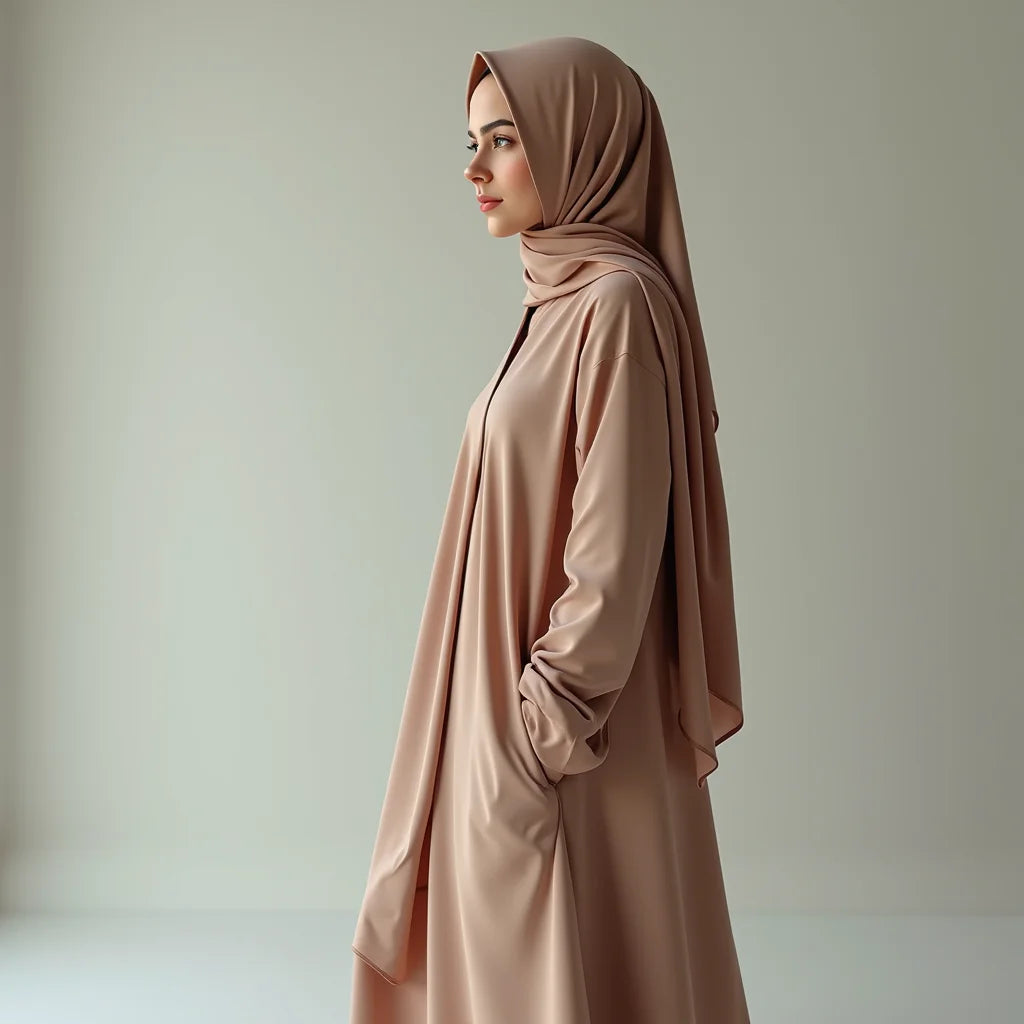
The thobe represents the most recognizable element of traditional Palestinian women's wear. This long, flowing garment typically extends from shoulders to ankles, featuring intricate embroidery across the chest, shoulders, and sleeves. The abaya and thobe styles showcase regional variations in embroidery density and pattern complexity. Colors range from deep blacks and deep blues to vibrant reds and greens, with some families preferring neutral earth tones. The garment's construction typically includes a straight silhouette that allows for comfortable movement while maintaining elegant proportions.
Head Coverings and Scarves
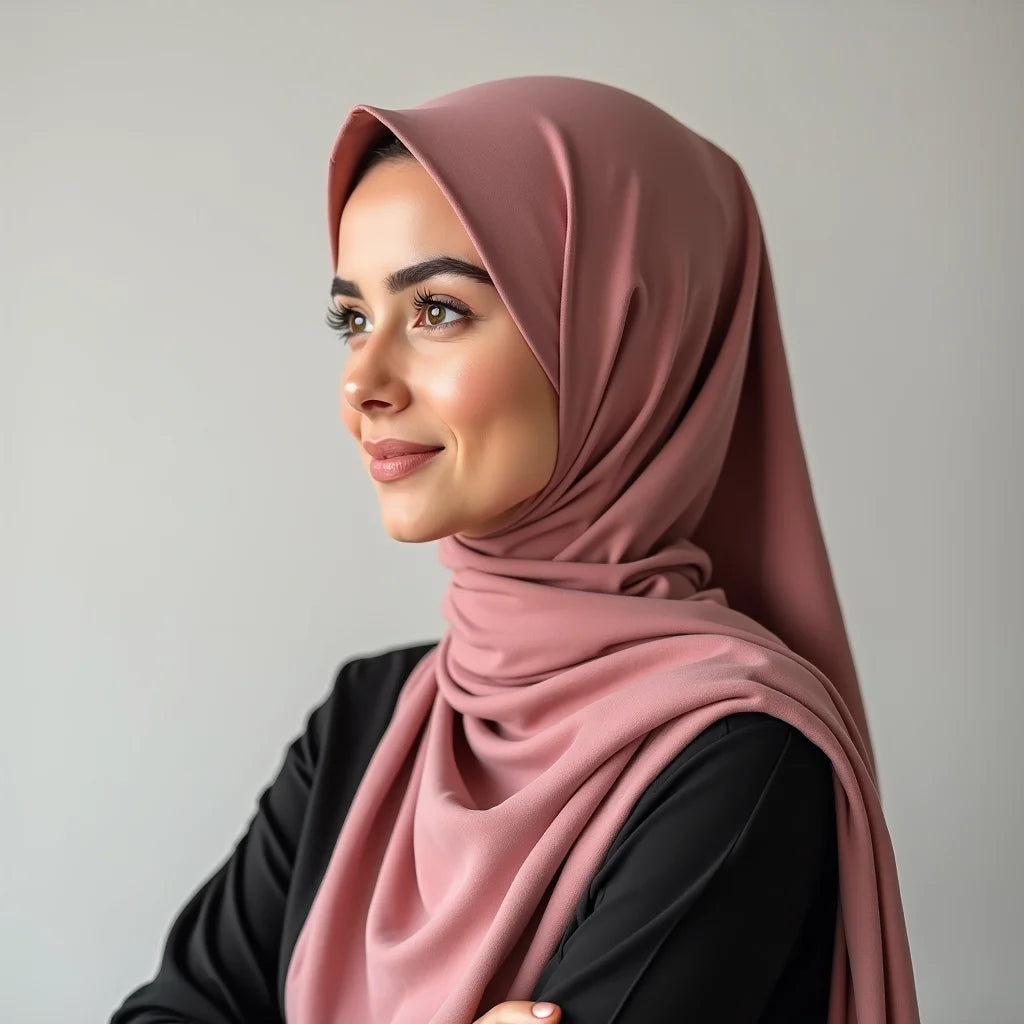
Head coverings form an essential component of traditional Palestinian dress. The hijab styles vary significantly, with options including the Amira design and various regional bonnets. Lycra and cotton varieties offer different comfort levels and styling possibilities. Some Palestinian women wear premium chiffon scarves that drape elegantly while providing modest coverage. The selection of head covering often reflects personal preference, climate considerations, and regional traditions.
Embroidery and Decorative Elements
Embroidery serves as the defining characteristic of traditional Palestinian garments. Hand-stitched patterns tell stories of family heritage, village origins, and personal identity. Cross-stitch represents the most common technique, though other methods including backstitch and French knots appear in elaborate designs. Colors of thread—often brilliant reds, deep blues, and golden yellows—create striking visual contrasts against the fabric base. Patterns frequently feature geometric shapes, botanical motifs, and traditional symbols passed down through generations. The density and complexity of embroidery often indicate the garment's significance and the wearer's social status within the community.
Step-by-Step Guide to Understanding and Wearing Traditional Palestinian Attire
For those interested in wearing or appreciating traditional Palestinian garments, following these steps helps ensure authentic and respectful engagement with this cultural heritage.
Step One: Learn the Historical Context
Begin by researching the historical development of traditional Palestinian clothing. Understanding how these garments evolved in response to climate, geography, and cultural exchange provides meaningful context. Explore how different regions developed distinct styles and what specific patterns represent. This knowledge deepens respect for the tradition and informs authentic appreciation.
Step Two: Identify Your Regional Style Preference
Palestinian communities across different regions maintain unique embroidery traditions and design preferences. Some families favor heavily embroidered pieces with dense pattern coverage, while others prefer more restrained designs. Investigate whether your family heritage or personal connection aligns with specific regional styles. This identification helps guide selections toward garments that reflect authentic traditions.
Step Three: Source Authentic, Quality Pieces
Seek garments from reputable artisans and merchants who maintain traditional construction methods. Look for genuine hand-embroidery rather than machine-stitched imitations. Quality traditional Palestinian wear features durable natural fabrics and carefully executed stitching. Consider supporting Palestinian craftspeople and businesses that preserve these traditions authentically.
Step Four: Understand Appropriate Occasions for Wear
Different garments serve different purposes within Palestinian culture. Formal thobes with elaborate embroidery suit special celebrations and family gatherings. Simpler versions work for everyday wear or less formal occasions. Some pieces function primarily for ceremonial use, such as wedding celebrations. Understanding these distinctions helps guide appropriate selection for specific events.
Step Five: Care for and Preserve Your Garments
Traditional Palestinian wear requires thoughtful maintenance to preserve both fabric and embroidery. Hand-wash delicate pieces using mild detergents and cool water. Avoid harsh chemicals that might damage threads or alter fabric colors. Store garments in clean, dry spaces protected from direct sunlight to prevent fading. Proper care ensures these pieces last for years and can be passed to future generations.

Layers of traditional garments arranged showing different regional embroidery styles and techniques
Frequently Asked Questions
What Materials Are Traditionally Used in Palestinian Garments?
Traditional Palestinian clothing typically features natural fabrics including cotton, linen, and silk. Cotton remains the most common choice for everyday wear due to its breathability and durability in warm climates. Silk and fine cotton varieties appear in formal or celebratory pieces. Modern interpretations sometimes incorporate synthetic blends that offer easier care while maintaining traditional aesthetics. The choice of material reflects both practical considerations and quality standards valued within Palestinian culture.
Can Men Wear Traditional Palestinian Clothing as Well?
Yes, traditional Palestinian wear exists for both men and women. Men's traditional garments include the thobe, a long robe typically in white or neutral colors, often worn with a headdress such as the keffiyeh and agal. While women's pieces feature prominent embroidery, men's traditional wear emphasizes simpler designs and elegant draping. Both represent important elements of Palestinian cultural identity and heritage.
How Do I Know If a Garment Is Authentically Made with Traditional Methods?
Authentic traditional Palestinian wear displays hand-stitched embroidery with variations in stitch length and spacing that reflect human craftsmanship. Machine-made imitations show perfectly uniform stitching and often lack the depth and complexity of genuine pieces. Examine the reverse side of embroidery—authentic work shows careful thread management and secure knots. Authentic pieces typically cost more due to labor-intensive production methods. Purchasing from established Palestinian artisans or verified merchants helps ensure authenticity.
Questions and Answers
Where Can I Purchase Authentic Traditional Palestinian Garments?
Authentic traditional Palestinian wear can be sourced through cultural organizations, Palestinian-owned businesses, and established online retailers specializing in heritage clothing. Direct purchase from Palestinian artisans supports craftspeople while ensuring authenticity. Online platforms featuring Palestinian merchants often provide detailed product information and customer reviews. When shopping, prioritize vendors who transparently describe their production methods and sources.
What Is the Significance of Embroidery Patterns in Traditional Palestinian Dress?
Embroidery patterns in traditional Palestinian garments carry deep cultural and personal significance. Specific patterns often indicate the wearer's village of origin, family lineage, and sometimes marital status. Designs may reference local geography, important historical events, or spiritual symbols meaningful within Palestinian culture. The choice of colors and complexity of patterns reflects the occasion's importance and the wearer's identity within the community. Learning these patterns provides insight into Palestinian cultural identity and heritage.
How Has Traditional Palestinian Wear Evolved in Modern Times?
Contemporary Palestinian fashion increasingly blends traditional elements with modern design principles. Younger generations wear updated versions featuring shorter lengths, adjusted silhouettes, and contemporary color palettes while maintaining authentic embroidery traditions. Designers create fusion pieces that honor heritage while meeting modern lifestyle needs. This evolution demonstrates cultural continuity—the tradition adapts to new contexts while preserving its essential character and significance. Modern wearers continue expressing cultural identity through these evolving forms of traditional Palestinian clothing.
Summary and Key Takeaways
Traditional Palestinian wear represents far more than clothing—it embodies centuries of cultural heritage, artistic expression, and community identity. From intricately embroidered thobes to carefully selected head coverings, these garments tell stories of family origins, regional traditions, and personal values. Understanding the historical context, regional variations, and proper care of these pieces deepens appreciation for Palestinian cultural heritage.
The key insights from this exploration include recognizing the diversity within Palestinian clothing traditions, understanding that these garments serve both ceremonial and everyday purposes, and appreciating the skilled craftsmanship required for authentic pieces. Whether you wear traditional Palestinian garments to honor your heritage, celebrate cultural occasions, or support Palestinian artisans, engaging respectfully with this tradition contributes to cultural preservation and appreciation.
For those seeking to explore or acquire authentic traditional Palestinian wear, sourcing from reputable vendors and learning about regional styles ensures meaningful engagement with this vibrant cultural heritage. By supporting authentic craftsmanship and maintaining these garments with care, we help preserve Palestinian cultural traditions for future generations.
About the Author
Sulieman Alhazma is a cultural heritage specialist with extensive expertise in traditional Palestinian clothing, embroidery techniques, and regional variations. With over a decade of experience documenting and preserving Palestinian cultural practices, Sulieman brings authentic knowledge and passion to sharing this heritage with broader audiences. His work focuses on educating communities about the historical significance and contemporary relevance of Palestinian traditions. Through dedicated research and community engagement, Sulieman continues promoting cultural appreciation and supporting artisans who maintain these invaluable traditions.