

Updated on: 2026-07-12
A full coverage hijab supports a modest silhouette while keeping your look polished and intentional. The right fabric, fit, and layering method affect comfort from morning routines through social events. When you plan for face framing, neckline coverage, and secure placement, you reduce adjustments throughout the day. This guide explains how to choose a full coverage hijab that matches your lifestyle, climate, and styling preferences.
1. Benefits & Reasons
2. How to Choose a Full Coverage Hijab
3. Fit, Layering, and Styling for Long-Lasting Coverage
4. Fabric Options and What They Mean for Your Day
5. Care and Maintenance for Durable Wear
6. A Practical Product Example to Consider
7. FAQ
8. Final Thoughts & Recommendations
Benefits & Reasons
A full coverage hijab is designed to cover the head and extend coverage to the neckline and upper clothing area. This structure helps you present a complete, modest look without needing constant readjustment. Many wearers choose it because it simplifies styling decisions: your coverage needs are addressed in the hijab design rather than being managed through multiple separate steps.
Comfort is another practical advantage. When the fabric drapes well and the construction supports secure placement, you can move with confidence. A well-fitted hijab also reduces the need to smooth or retuck fabric during the day, which preserves the intended shape and finish.
For events and everyday outfits alike, full coverage hijab styles often deliver a refined profile. The coverage line can frame the face softly and create a clean transition from scarf to clothing. This is especially helpful when you want the overall look to appear intentional, balanced, and neat.

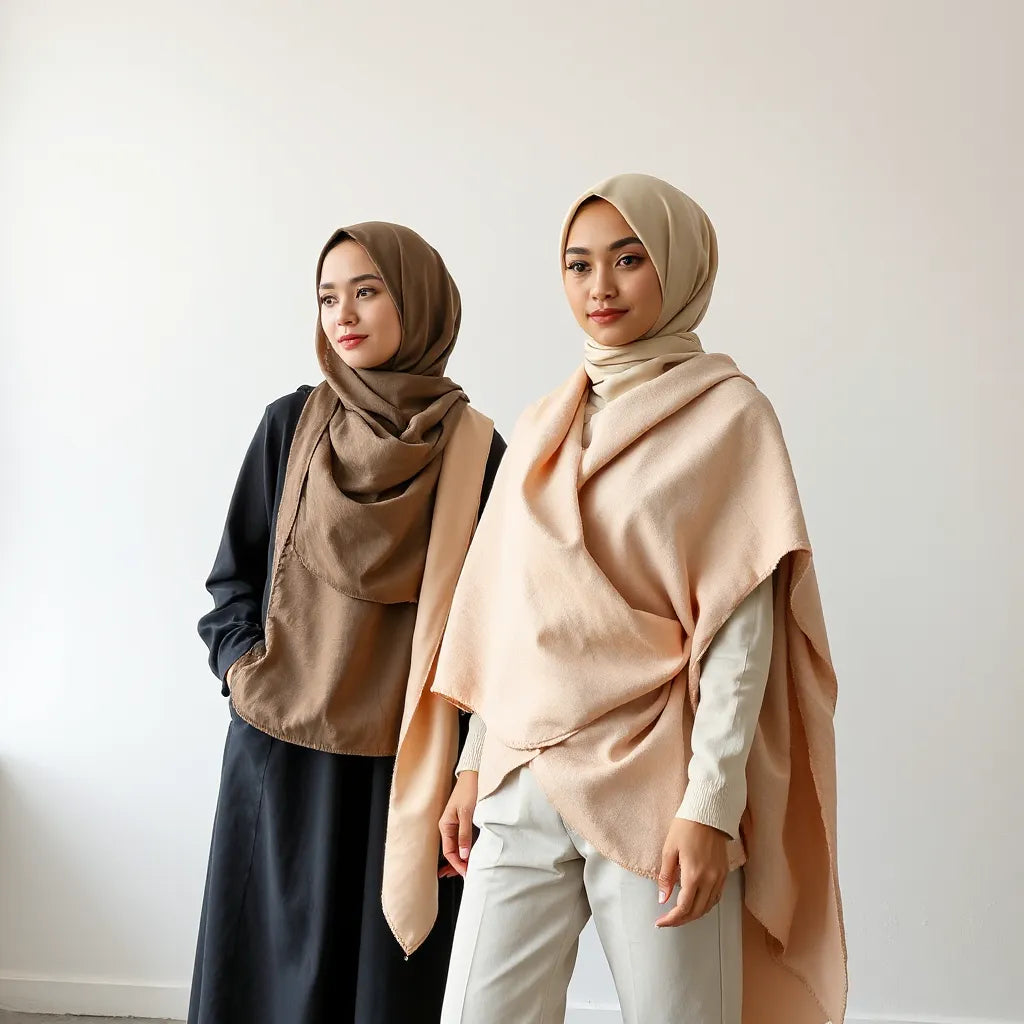
Layered drape lines and secure coverage silhouette
How to Choose a Full Coverage Hijab
The most effective choice begins with your coverage priorities. Consider whether you need extra neckline coverage, stronger face framing, or enhanced stability around the sides. Some styles provide a broader front panel, while others focus on a smooth neckline fall. If you often wear high collars or modest tops, you may prefer a hijab that layers cleanly under the neckline without bulky overlap.
Next, evaluate fit at three points: the crown, the sides, and the neckline. A full coverage hijab should sit comfortably at the crown without excessive tightness. The sides should remain flat without shifting into gaps. At the neckline, the fabric should align naturally with your clothing so the coverage line looks continuous.
Finally, match the hijab to your typical setting. Indoor environments may favor lighter fabrics, while outdoor settings can benefit from better coverage and shape retention. Climate and activity level influence how quickly you want fabric to settle and how much airflow you need.
Fit, Layering, and Styling for Long-Lasting Coverage
For reliable coverage, start with a proper underlayer. Many wearers use an inner underscarf or a bonnet to create a stable base. The base helps the outer hijab maintain its shape, especially if you choose a flow-friendly fabric. When the underlayer fits smoothly, it reduces slipping and improves the consistency of the drape.
Layering strategy should also account for your neckline. If your outfit has a higher neckline, you may need a hijab that drapes close to the collar line. If your outfit is open at the front, a fuller neckline fall can provide extra coverage. The goal is to create a seamless transition from head coverage to the area around the chest.
When styling, pay attention to the direction of the fold and the placement near the face. Gentle face framing is not only about aesthetics; it also prevents fabric from pulling across the cheeks. Use secure pins or magnets where appropriate, focusing on stability rather than heavy fastening. Excess pinning can create uneven lumps that stand out under clothing.
If you prefer a structured look, choose a style that naturally forms a clean shape when worn. If you prefer a softer appearance, select fabric that drapes with light movement. Both approaches can be consistent with full coverage when the construction supports steady placement.

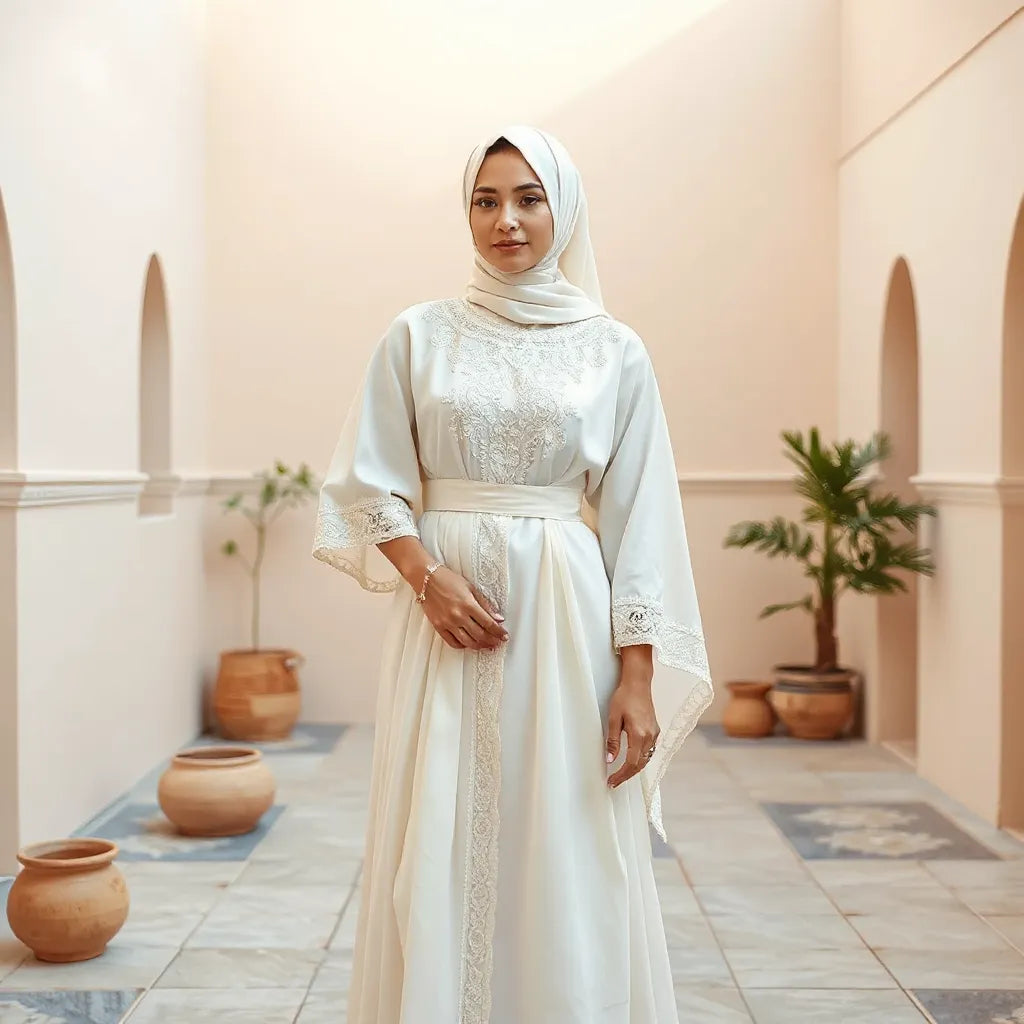
Neckline seam alignment with gentle fabric drape
Fabric Options and What They Mean for Your Day
Fabric choice affects coverage, comfort, and visual finish. Below are common fabric characteristics, explained in practical terms.
Chiffon and lightweight flow
Light chiffon can create an elegant drape with a delicate finish. It often settles quickly and feels comfortable when you need breathable styling. For full coverage hijab looks with a refined appearance, chiffon can work well when paired with a stable underlayer. The underlayer helps the chiffon maintain coverage without appearing too transparent or uneven.
Lycra and stretch support
Stretch fabrics can help a hijab fit securely around the head and sides. This can be useful if you prefer less pinning. Lycra-based styles may also be beneficial during active routines because they stay in place with gentle tension. The tradeoff is that stretch materials may show more movement lines, so smoothing and placement matters.
Cotton for everyday softness
Cotton is valued for its comfort and ease of care. It often provides consistent coverage and a soft feel against the skin. Cotton can be a strong option for daily wear because it adapts to many climates and can be washed and reused with confidence, provided you follow gentle care steps.
Chiffon with structured styles
Some designs combine chiffon aesthetics with more defined coverage panels. This approach supports the full coverage goal while offering a graceful look. If you want a hijab that stays neat visually, consider styles with clear shaping at the neckline and sides.
For a complete modest look, remember that fabric is only one part of the system. A full coverage hijab performs best when the inner base and outer drape work together.
Care and Maintenance for Durable Wear
To protect your investment and preserve coverage quality, focus on consistent maintenance. Always check the care guidance on your selected hijab. In general, gentle washing reduces wear on edges and seams.
When washing, handle the hijab carefully to avoid pulling delicate areas. Air drying helps maintain drape and reduces heat stress. If your hijab allows ironing, use a low heat setting and place a cloth barrier if needed.
Storing matters as well. Avoid compressing the hijab for long periods because it can create permanent folds. Fold or hang it in a way that supports the original drape and neckline shape. For styles with layered panels, store them so the fabric panels remain aligned.
Finally, keep your underlayers in good condition. If your bonnet or underscarf becomes stretched or loses shape, the outer hijab may shift more easily. A stable base supports the long-term performance of full coverage styles.
A Practical Product Example to Consider
If you want a graceful look with a modest drape, consider a chiffon option designed for elegant coverage. Below is a product example that aligns with that styling intention.
High Quality Chiffon Hjiab: Gives Your Outfit A Graceful Touch

To complete the look with consistent stability, pair a chiffon drape with a supportive base. You can also browse complementary options such as a two-piece system that improves fit under layered outfits. For inner support, some wearers choose an underscarf bonnet or cotton inner hijab depending on their comfort preferences.
- Cotton inner hijab for added stability
- Underscarf bonnet for secure coverage
- Soft chiffon hijab options
If your styling preference includes a more defined neckline fall, explore different bonnet constructions and layering methods. Styles that incorporate structured coverage can reduce fabric shifting and support a clean outline for full coverage hijab styling.
FAQ
What makes a hijab qualify as full coverage?
A full coverage hijab is designed to cover the head and extend coverage down toward the neckline and upper chest area. The construction typically supports a continuous coverage line around the face frame and sides, often using shaped panels or drape design that helps the fabric stay in place.
How do I stop a hijab from slipping during the day?
Slip prevention usually depends on a stable base and careful placement. Use an inner layer such as a bonnet or underscarf to create a secure foundation, then fasten the outer hijab where it contacts the underlayer. Ensuring proper crown fit and aligning the neckline panel can significantly reduce shifting.
Which fabric is best for maintaining an elegant drape while staying comfortable?
Many wearers find chiffon offers a graceful, light drape. Comfort improves when chiffon is layered over a supportive underlayer that helps control movement. For daily durability and easy care, cotton and cotton blends can also provide steady coverage with a soft feel.
Final Thoughts & Recommendations
Choosing the right full coverage hijab is not only about appearance. Coverage should feel secure, remain neat as you move, and suit your daily environment. Prioritize fit at the crown, consistent neckline alignment, and a reliable underlayer. With these factors in place, your hijab can deliver a polished modest look with less adjustment.
If you are building a wardrobe for everyday reliability, consider testing one fabric type first, then refine your layering approach. You can also explore complementary inner options to improve stability and drape control. For an elevated chiffon look and clean styling intention, you may start with a chiffon selection and pair it with a supportive inner foundation.
If you would like, you can review the full range of modest wear and related hijab accessories on Palestinian Elegance at Palestinian Elegance to find a combination that matches your comfort and coverage needs.
About the Author
Sulieman Alhazma is a fashion and modest wear specialist focused on practical styling, fabric performance, and thoughtful garment layering. With expertise in creating wearable, high-quality modest wardrobes, Sulieman evaluates how construction, comfort, and coverage work together in real daily routines. Their approach emphasizes clarity, durability, and respectful presentation. Thank you for reading and for supporting intentional modest fashion choices.
Disclaimer: This article provides general styling and care guidance. Fabric behavior can vary by weave, weight, and personal fit preferences. Always follow the care instructions provided for the specific hijab you purchase.
The content in this blog post is intended for general information purposes only. It should not be considered as professional, medical, or legal advice. For specific guidance related to your situation, please consult a qualified professional. The store does not assume responsibility for any decisions made based on this information.