

Updated on: 2026-07-09
Palestinian heritage clothing connects daily style with lived memory, crafted patterns, and community identity. It reflects a design language shaped by Tatreez hand-embroidery traditions, thoughtful modest silhouettes, and textile choices meant to last. Wearing these pieces can help you honor cultural roots while expressing your personal taste. This guide explains key benefits, buying considerations, and practical care steps so you can choose with confidence.
Introduction
Palestinian heritage clothing is more than a visual tradition. It is a quiet form of storytelling, where embroidery patterns, fabric structure, and garment construction carry meaning across generations. Many designs are rooted in regional aesthetics, family practices, and the slow craft of hand finishing. When you choose this style, you are selecting clothing that honors craftsmanship rather than disposable trends.
At its best, Palestinian heritage clothing balances cultural continuity with wearable comfort. Modest silhouettes, careful drape, and breathable fabrics support everyday movement. At the same time, decorative details such as Tatreez-inspired motifs add depth without sacrificing elegance. This article outlines why these pieces matter, how to choose them responsibly, and how to maintain them for long-term use.
Benefits & Reasons
Choosing Palestinian heritage clothing can bring value that goes beyond appearance. The first benefit is craft quality. Many garments and accessories are finished with attention to stitching, edge work, and overall balance. When decoration is hand-led or carefully placed, it often looks intentional from any angle.
A second benefit is cultural continuity. Heritage garments use established motif logic and familiar silhouettes. When you wear them, you keep design knowledge visible in modern contexts. This visibility helps people recognize tradition as living art rather than a static memory.
A third benefit is versatility within modest fashion. Heritage styles can be adapted for different settings. You can select lighter textiles for daily wear or choose more structured fabrics for formal occasions. Accessories can be coordinated to refine your look while keeping coverage consistent.
A fourth benefit is responsible consumption. Thoughtful choices tend to reduce the urge to replace clothing quickly. When garments are made with durability and finishing in mind, they support repeated use. Over time, that reduces waste and helps you build a cohesive wardrobe.

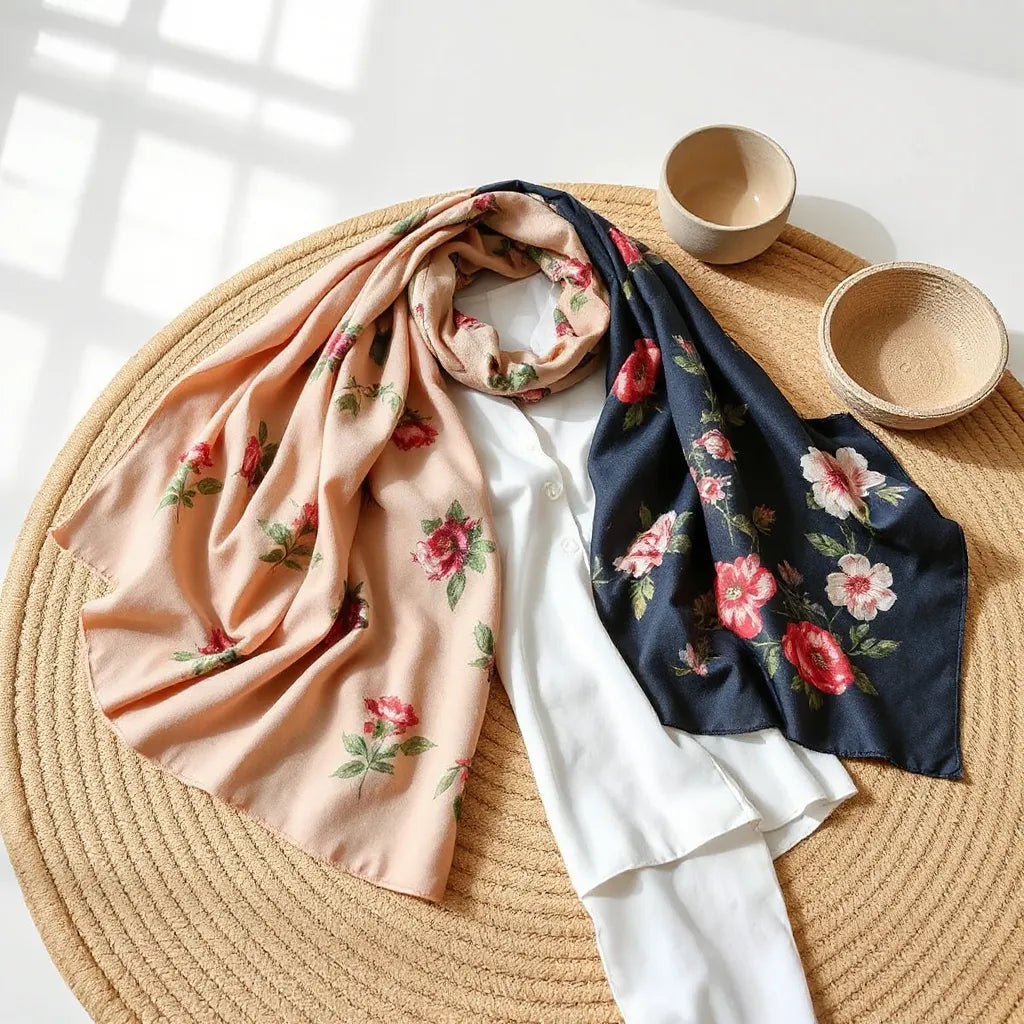
Patterned motifs on fabric, stitched lines, warm light
How to Choose Palestinian Heritage Clothing
Start with purpose and silhouette
Before you compare designs, clarify your primary use. Do you want everyday comfort, a formal statement, or an elevated modest outfit? Heritage clothing often offers silhouettes that naturally support coverage and ease. Choose a shape that aligns with your routine, especially if you will wear the piece frequently.
Look for construction cues such as clean seams, well-finished hems, and consistent drape. These details indicate whether the garment will hold its form after repeated wear.
Prioritize textile and breathability
Textile quality directly affects comfort. Softer blends and natural fibers often feel more breathable across seasons. If you plan to layer, consider how the fabric behaves under a hijab or scarf. A garment that feels smooth against the skin is usually more comfortable to wear for long periods.
For accessories and headwear, choose materials that sit neatly and do not shift excessively. Well-designed headscarves support practical coverage while keeping a refined silhouette.
Look for authentic embroidery details
Many Palestinian heritage clothing styles highlight Tatreez patterns or Tatreez-inspired embroidery. When embroidery is well executed, motifs appear crisp and balanced, and the piece remains stable rather than puckering. Avoid designs where decoration looks overly flat or misaligned, because that can signal low finishing quality.
Use your judgment on motif placement. Traditional design often respects spacing and symmetry. When patterns are thoughtfully located, the garment feels curated rather than decorated at random.
Use modest layering strategically
Layering should enhance comfort, not create bulk. Select inner pieces that smooth the silhouette under outer layers. A coordinated inner layer can improve how a garment hangs and how a hijab or scarf falls.
If you are building a head-to-toe look, you can pair heritage garments with supportive accessories such as cotton inner options or chiffon styles. For a practical example, you can explore a cotton inner hijab option here: cotton inner hijab. For a lighter overlay with movement, consider: soft chiffon hijab.
Care and Longevity for Embroidered and Woven Pieces
Heritage clothing often includes decorative threads, structured seams, and delicate fabrics. Proper care protects both appearance and construction. With small adjustments, you can extend garment life and keep embroidery crisp over time.
Wash with care and follow fabric guidance
For embroidered items, gentle washing is usually the safest choice. If the garment includes beads or dense stitching, take extra care to minimize snagging. When in doubt, wash separately or with similar colors to prevent color transfer.
Use mild detergents and avoid harsh cycles. Excess agitation can strain embroidery and cause threads to fray. After washing, reshape the garment while it is damp, then allow it to dry naturally away from intense heat.
Protect embroidery during storage
Storage affects longevity. Keep embroidered pieces flat or carefully folded with protective layers. If your wardrobe is humid, use breathable storage rather than airtight compression. This helps reduce fabric stress and helps preserve motif integrity.
For headwear and scarves, store them so the fabric is not permanently creased. Creases can become difficult to relax and may weaken fold lines in fragile textiles.
Mind ironing and steaming practices
Ironing should match the fabric type. Use a low setting and test on a small, hidden area. If you choose to steam, keep distance to avoid heat concentration on embroidery. A careful approach maintains shine and shape without damaging decorative threads.

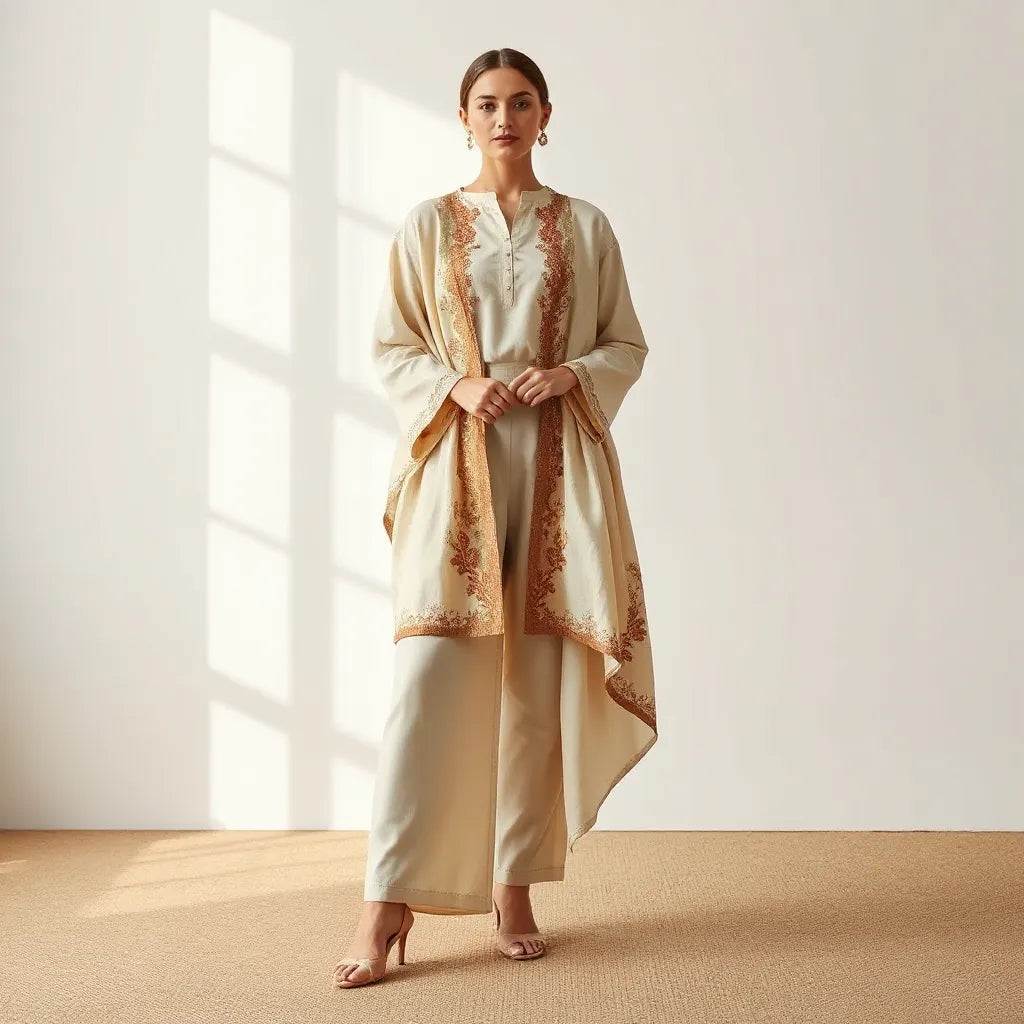
Care tools: gentle wash symbol, folded fabric, soft steam
Styling Ideas for Everyday Wear
Styling heritage clothing can be simple when you aim for balance. Let one element lead, then support it with complementary pieces. This approach keeps your outfit cohesive and reduces visual overload.
Create a calm base with textured or solid fabrics
Choose a base layer that allows embroidery or motif work to stand out. Solid tones and subtle textures help the decorative elements appear more intentional. If your outer layer includes embroidery, keep inner layers smooth and minimal.
Coordinate headwear and accessories for proportion
Headwear influences the entire frame of your look. A well-chosen scarf or bonnet supports coverage while shaping your silhouette. For a clean, modern approach, consider matching fabric weight across layers. If your outer garment is light, choose lighter headwear with soft drape. If your garment is structured, a similarly weighty scarf can improve balance.
For options that align with modest layering, you may explore a bonnet designed for secure wear here: closed bonnet. If you prefer an open style that still supports coverage, you can review: open bonnet.
Use color to highlight motifs without competing
Heritage motifs often include multiple colors or thread shades. To style effectively, select one main tone from the embroidery and repeat it in a supporting accessory. This creates harmony and prevents clashing. You can also use neutral colors as grounding elements so the embroidery remains the focal point.
Design your wardrobe around repeatable combinations
One of the strongest reasons people adopt heritage clothing is its repeat value. You can build multiple outfits from a few core pieces. Choose items that mix well with each other and that suit different occasions. Over time, this method becomes a practical path to a meaningful wardrobe.
Cultural Significance Without Misuse
Heritage clothing should be respected as cultural expression. That means understanding what you wear and how you present it. While you can enjoy the aesthetics, it is also wise to treat the craft with care and accuracy.
Buy from makers who value craft
When possible, purchase from businesses that support artisan work and transparent garment finishing. Quality signals respect for labor. It also improves your own experience because well-made items are easier to style and easier to maintain.
Wear with intention
Intentional wear is different from performance. Choose pieces because they reflect your taste and values. If you share your outfit, consider providing truthful context about craftsmanship and design inspiration. This supports cultural recognition and reduces misunderstandings.
Avoid stereotypes and oversimplified labeling
Some patterns and silhouettes are unique to specific regions and traditions. If you describe them with broad, inaccurate labels, you can unintentionally flatten their meaning. Instead, describe observable details such as embroidery, motif style, silhouette, and fabric behavior.
FAQ
What makes Palestinian heritage clothing distinct from general modest fashion?
The distinct factor is how the design language connects to cultural craft. Many pieces feature Tatreez-inspired motifs, regionally recognizable silhouettes, and finishing choices that reflect careful hand work. The result is clothing that looks curated because the decorative logic and garment construction are aligned.
How do I choose the right fabric for comfort and longevity?
Choose fabrics based on season, layering, and how the textile feels on skin. For long-term wear, look for breathable options and fabrics that maintain shape after washing. If a garment includes embroidery, select care-friendly materials that handle gentle washing without strain on the decorative threads.
Can I wear Palestinian heritage clothing for everyday activities?
Yes. Many heritage styles are designed for regular life, which makes them suitable for daily routines. Select lighter-weight pieces for frequent movement and coordinate headwear and layers to support comfort. With thoughtful styling, heritage clothing can remain practical without losing its identity.
Final Thoughts & Recommendations
Palestinian heritage clothing offers a meaningful intersection of craftsmanship, modest elegance, and cultural continuity. When you choose pieces with durable construction, breathable textiles, and well-crafted embroidery, you gain more than a look. You gain a wardrobe that supports long-term use and expresses respect for artisan work.
To begin building your collection, focus on silhouette first, then refine your choices with fabric comfort and embroidery quality. If you want to explore coordinated modest accessories, visit Palestinian Elegance and select styles that fit your routine and aesthetic. Thoughtful selection today creates reliable outfits tomorrow.
Disclaimer: This article provides general guidance on style and garment care. Results depend on fabric composition, embroidery density, and individual washing practices. Always follow the specific care instructions provided for each item.
About the Author
Sulieman Alhazma is a specialist in cultural fashion curation, modest wardrobe planning, and textile-focused design guidance. His work emphasizes artisan craft quality, heritage-inspired aesthetics, and practical buying decisions that support long-term wear. He welcomes thoughtful questions and encourages shoppers to select pieces that reflect both comfort and cultural appreciation. Thank you for reading.
The content in this blog post is intended for general information purposes only. It should not be considered as professional, medical, or legal advice. For specific guidance related to your situation, please consult a qualified professional. The store does not assume responsibility for any decisions made based on this information.