

Updated on: 2026-05-01
Pros & Cons of a Handcrafted Palestinian Scarf
A handcrafted Palestinian scarf is more than an accessory. It is a wearable expression of Palestinian heritage, shaped by patient craftsmanship and careful attention to detail. Choosing one well can improve your daily styling while supporting artisan methods that reward skill and time.
Pros
- Authentic craft and texture: Handmade techniques often create a richer surface feel than mass-produced alternatives.
- Distinct visual identity: Traditional motifs and color combinations can add character to modern outfits.
- Thoughtful finishing: Many artisanal pieces are made with edges, hems, and decorative elements that hold up to regular use.
- Heritage value: A scarf can act as a personal reminder of culture, family stories, and place.
- Versatile styling: The same scarf can work for casual looks, formal settings, and travel packing needs.
Cons
- Variation is normal: Handmade items may differ slightly in pattern placement and color depth, which can be a benefit for many buyers.
- Care requires intention: Gentle cleaning and proper storage help preserve decorative details.
- Price reflects labor: Craftsmanship and time-based production can raise the cost compared with machine-made scarves.
- Fit and drape take practice: Some designs look best after learning a preferred tying method.
When you evaluate a scarf, focus on materials, construction, and the clarity of decorative stitching. These factors usually indicate durability and long-term satisfaction.

Layered fabric swatches, pattern blocks, and texture close-ups
Step-by-Step Practical Guide
1) Choose the right style for your day-to-day needs
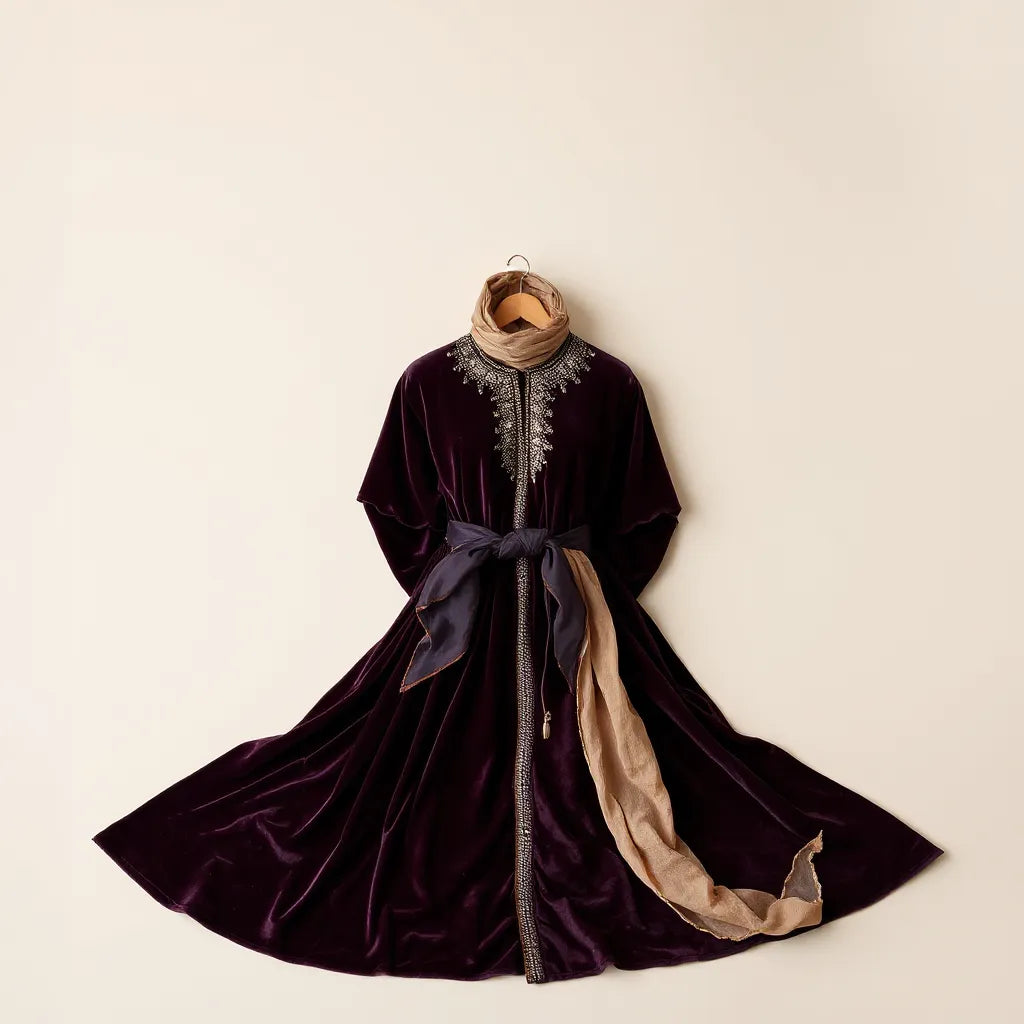
Start with how you intend to wear your scarf. For daily use, you may prefer a size that drapes comfortably over shoulders or frames your outfit without heavy bulk. For events, you may want a design that stands out clearly from a distance. If you already wear modest fashion pieces such as abayas, dresses, or thobes, select colors that complement your wardrobe rather than competing with it.
Also consider how a scarf will behave in different settings. Some styles hold shape better, while others provide a softer flow. If you frequently adjust your outfit, a scarf with reliable finishing can simplify repeated wearing.
2) Evaluate construction and finishing details
A high-quality handcrafted Palestinian scarf typically shows consistent stitching and careful edge finishing. Look for even decorative work and clean seams. If the scarf includes tassels or ornamental elements, check that they are securely attached and balanced across the piece.
Practical checklist:
- Edges: Are hems neatly finished and aligned?
- Motifs: Are decorative elements crisp, not blurry?
- Color: Does the color look stable and layered rather than flat?
- Weight: Does the scarf feel comfortable for your preferred wear length?
3) Match colors to your existing modest wardrobe
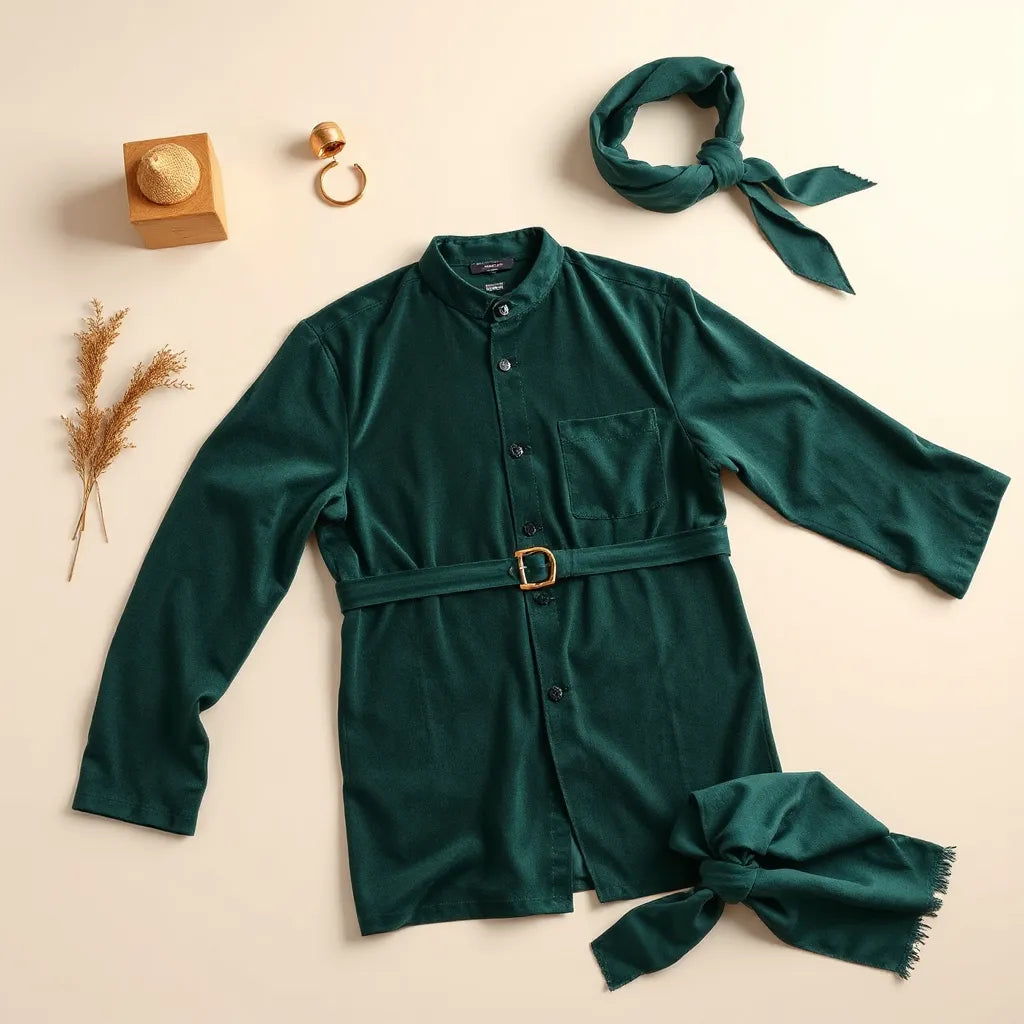
Color harmony is one of the most effective ways to get more wear from your scarf. Choose one anchor color from your outfit—such as navy, olive, black, or cream—and then select a scarf that includes that tone. If the scarf includes warm accents, it can elevate neutral outfits without changing your overall style.
If you want a quick method, use a three-color rule: one dominant color, one supporting color, and one accent. This approach helps you avoid clashing while still keeping the scarf visually expressive.
4) Learn a tying method and practice once at home
Even the most beautiful scarf can feel awkward at first if you have not practiced the tying method. Set aside a short moment at home. Practice with gentle adjustments in front of a mirror. Focus on how the scarf sits at the shoulders and how it frames the face.
For beginners, a simple approach works well. Drape the scarf, adjust the length, and secure it so that the decorative areas remain visible. If you already use a modest layering system, ensure the scarf arrangement does not shift during the day.
5) Care and storage steps that protect decorative work
To preserve decorative details, treat your scarf as a crafted textile rather than a regular accessory. Follow label instructions if provided, and use a gentle approach when washing. For storage, avoid tight compression that can flatten motifs.
- Drying: Air dry when possible to maintain structure.
- Cleaning: Use mild detergent and avoid harsh scrubbing.
- Handling: Minimize rubbing on decorative threads.
- Storage: Fold carefully or store flat to reduce creasing.
Good care habits protect the investment and keep the scarf looking refined over time.
6) Coordinate with complementary modest fashion essentials
For a polished look, pair your handcrafted Palestinian scarf with a base layer that supports comfort and stability. Many shoppers prefer pairing kuffiyehs or scarf styles with cotton underlayers and modest hijab essentials that keep the fit secure.
If you are looking for matching modest wear options, you may find these relevant pieces helpful:
- Cotton under-scarf options
- Soft chiffon layering scarves
- Tie bandana styling ideas
- Two-piece hijab layering
7) Consider a cultural statement piece with adaptable styling
Some scarf designs become favorites because they work across multiple outfits. If you want a scarf that adds a bold yet wearable tone, consider designs with balanced contrast. Such pieces often pair well with solid dresses, plain abayas, and neutral outer layers.
Featured product

Colorful Kuffiyehs: Cultural Heritage and Versatile Style
If you prefer a scarf that can move from day to evening, choose one that offers both visible pattern clarity and comfortable drape. This helps the scarf remain expressive without overwhelming your outfit.

Warm tones palette, drape shapes, and storage fold lines
8) Make the purchase based on craftsmanship signals
Before you commit, review the product information provided by the retailer. A trustworthy listing typically explains materials, styling purpose, and care guidance. Avoid decisions driven only by price. Instead, prioritize craftsmanship signals such as decorative precision, consistent construction, and clear finishing.
If you value cultural preservation and artisan empowerment, support brands that maintain long-term relationships with makers. Palestinian Elegance is a family-owned boutique bridging traditional Palestinian heritage with modern fashion. The store specializes in high-quality Tatreez (hand-embroidery), modest wear, and artisan-made Kuffiyehs. Their mission centers on cultural preservation and empowering local artisans.
For broader shopping inspiration, you may also explore Kg2g.store.
When you choose with intention, you gain a scarf that feels meaningful, looks refined, and supports responsible production practices.
Wrap-Up
A handcrafted Palestinian scarf can elevate everyday outfits while honoring craft traditions and cultural identity. The best selection comes from a clear understanding of your style needs, careful evaluation of finishing quality, and a practical plan for tying, care, and storage.
Act on this checklist: choose a style that matches your routine, confirm construction quality, coordinate colors with your wardrobe, practice your preferred drape at home, and protect decorative details through gentle care. With these steps, your scarf will remain both visually impressive and comfortable for repeated wear.
Q&A Section
How do I style a handcrafted Palestinian scarf for daily wear?
For daily wear, select a drape that stays comfortable across your shoulders and frames your outfit without constant adjustment. Use a simple tying method and focus on making the decorative area visible. Coordinate one of the scarf colors with a dominant tone in your clothing to create a balanced, polished look.
What should I look for to judge quality before buying?
Look for consistent decorative stitching, clean edge finishing, and secure attachment of any ornamental elements. A well-made scarf typically shows crisp motifs, stable color appearance, and seams that look neat rather than uneven. Also review the care guidance so you can maintain the craftsmanship over time.
How should I care for a handcrafted scarf to preserve its design?
Use gentle cleaning methods and mild detergent when washing is needed. Avoid aggressive scrubbing that can disturb decorative threads. Store the scarf flat or folded carefully to reduce creasing and protect the textile surface from unnecessary stress.
About the Author
Sulieman Alhazma
Sulieman Alhazma is an expert in textile-aware styling and heritage-informed fashion curation, with a focus on how handcrafted pieces integrate into modern wardrobes. With extensive experience advising customers on fit, care, and presentation, he brings a practical, respectful approach to artisan products. His goal is to help shoppers select pieces they can wear confidently and cherish over time. He welcomes questions and encourages thoughtful choices that support craftsmanship.
The content in this blog post is intended for general information purposes only. It should not be considered as professional, medical, or legal advice. For specific guidance related to your situation, please consult a qualified professional. The store does not assume responsibility for any decisions made based on this information.