

Updated on: 2026-05-24
Handmade Palestinian Tatreez represents more than decoration. It is a living craft shaped by careful stitches, patient hands, and community knowledge. This guide explains what makes authentic embroidery distinct, how to evaluate craftsmanship, and how to care for embroidered pieces so their detail remains clear over time. You will also find practical buying tips and a set of frequently asked questions to support informed decisions.
1. What Handmade Palestinian Tatreez Represents
2. Product Spotlight: Tatreez as Artisan Wear
3. Did You Know?
4. Pros & Cons Analysis
5. FAQ Section
6. Conclusion & CTA
Handmade Palestinian Tatreez: Heritage You Can See
Handmade Palestinian Tatreez is a form of traditional Palestinian embroidery known for its bold motifs, rhythmic stitchwork, and strong visual storytelling. Each piece is built through repeated hand motions, and the result is texture that feels as meaningful as it looks. When you understand how this craft works, it becomes easier to recognize quality, appreciate design choices, and select items that align with your lifestyle and values.
In practical terms, this craft supports more than aesthetic preference. It preserves cultural memory through technique. It also highlights artisan skill through visible detail, such as clean outlining, balanced spacing, and consistent tension across stitches. For buyers, the benefit is clarity: you can assess the piece by how its motifs are formed and how the surface holds up under close inspection.
Equally important, this style of embroidery fits modern wardrobes when treated thoughtfully. Tatreez can appear on modest wear, accessories, and embroidered textiles, and it can also complement neutral colors through its controlled contrast. For many people, the emotional appeal is paired with everyday use, which is why careful evaluation and care practices matter.
Key Craftsmanship Signals
Not all embroidery is made in the same way. While machine-assisted processes may produce decorative effects, handmade work typically shows subtle irregularities that reflect hand control. Those details are not flaws. They are evidence that the maker shaped the pattern with attention.
When evaluating Handmade Palestinian Tatreez, focus on these elements:
- Motif definition: Look for sharp outlines and readable shapes. The pattern should not blur into the fabric.
- Stitch consistency: Examine whether the stitch size stays steady across the motif. Uneven spacing can indicate hurried assembly.
- Thread quality: Quality thread typically maintains color and sheen without dulling quickly.
- Edge finishing: Pay attention to hems, borders, and transitions where embroidery ends. Clean finishing supports durability.
- Design balance: Motifs should feel centered and proportionate. Symmetry can vary by tradition, but overall balance should remain intentional.
In addition, consider the backdrop fabric. A stable ground helps stitches sit evenly. If the base fabric is thin or unstable, embroidery may distort as it moves.

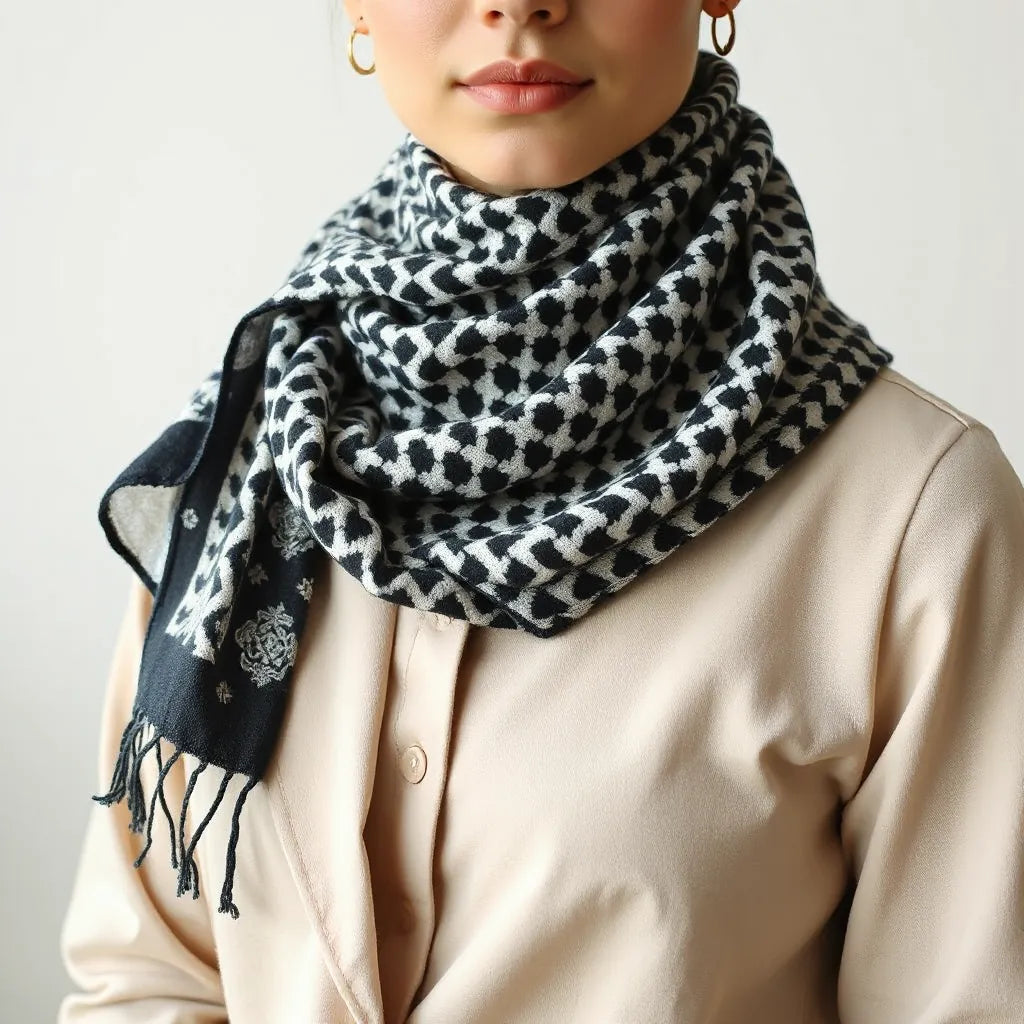
Motif outlines, balanced spacing, textured stitch rhythm
Product Spotlight: Tatreez as Artisan Wear
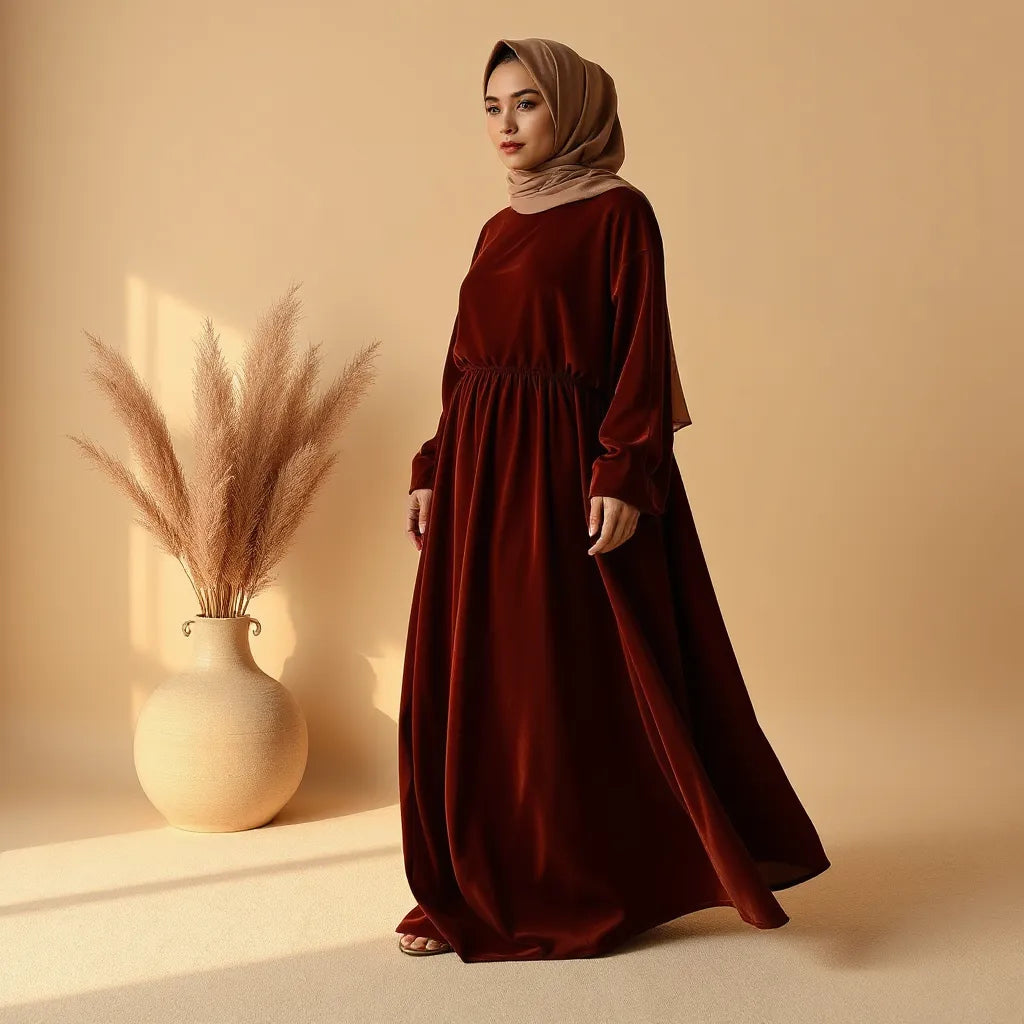
Handmade Palestinian Tatreez often shines most when it is integrated with purposeful clothing design. You may see it on garments where embroidered bands create structure, or on pieces where motifs become focal points without overpowering the silhouette. This is where modest fashion and heritage craft meet in an achievable, wearable way.
To align tatreez embroidery with everyday use, look for garments that support comfort and repeat wear. A well-designed embroidered piece should not feel stiff. It should also allow natural movement while protecting threads from stress. In practical styling, embroidery works well when the rest of the outfit uses calmer textures and colors, which keeps the stitchwork visually grounded.
If your wardrobe already includes modest essentials such as hijabs and inner layers, you can create a coordinated look. Matching tones, rather than exact shade replication, often produces a more balanced result. For example, embroidered details pair well with solid color fabrics and layered neutrals, since the craft becomes the statement.
For related modest wear planning, consider browsing artisan-focused hijab and modest garment options at Palestinian Elegance. The boutique offers products that can complement heritage-inspired styling.
- Chiffon hijab options
- Comfort layers with a bonnet underscarf
- Two-piece hijab coordination
- Embroidered-ready thoub silhouettes
When you connect the embroidered work to the full outfit, you gain a practical advantage: the craft remains protected by the structure of the garment. That structure can reduce friction and stress on the embroidered surface.
Did You Know?
- Motifs may follow traditional naming, but the strongest indicator is how the pattern is constructed through stitch direction and spacing.
- Hand embroidery often shows minute variations that reflect artisan control, not mass production.
- Embroidery longevity improves when the fabric is well-supported and when wearers avoid friction between embroidered surfaces and rough materials.
- Tatreez can function as a visual map, where recurring shapes create rhythm across a border or panel.
- Care choices, such as gentle washing and thoughtful drying, help protect thread color and stitch structure.
Care and Longevity for Embroidered Pieces
Owning Handmade Palestinian Tatreez means committing to gentle preservation. The goal is simple: reduce stress, reduce abrasion, and prevent unnecessary chemical exposure. If you treat the embroidery as a textile with raised texture, you will make better care decisions automatically.
Use the following care principles:
- Washing approach: If the care label allows, choose a gentle wash cycle or hand wash with mild detergent. Avoid harsh chemicals.
- Water temperature: Use cool or lukewarm water to reduce color fade risk.
- Drying method: Air dry on a flat surface when possible. Direct heat can weaken thread over time.
- Ironing: Iron embroidery carefully with low heat and a protective cloth. Do not press directly on raised stitches.
- Storage: Store pieces folded with care or on breathable garment covers. Avoid long-term compression of embroidered areas.
When wearing embroidered garments, consider friction points. Carrying bags over embroidered panels or rubbing against textured outerwear can cause thread lift or fraying. A small adjustment in how you style and transport embroidered items can significantly extend their lifespan.

Gently folded textiles, breathable storage, protected embroidery
Pros & Cons Analysis
| Consideration | Benefits | Trade-offs |
|---|---|---|
| Visual impact | Motifs read clearly and create a distinct, heritage look. | Statement embroidery may require simpler styling for balance. |
| Craft quality | Handwork often shows precise outlining and stable stitchwork. | Quality inspection is necessary to avoid weaker construction. |
| Durability | With gentle care, embroidered threads can remain crisp for years. | Raised texture requires reduced friction and careful drying. |
| Value proposition | The craft supports cultural preservation and artisan skill. | Handmade construction can be priced higher than mass-produced alternatives. |
| Care complexity | Simple guidelines help protect thread and fabric stability. | Owners may need extra time for gentle washing and ironing. |
Styling Ideas for Modern Wardrobes
When you incorporate Tatreez embroidery into a modern wardrobe, the aim is harmony. The craft has its own visual language, so the rest of the outfit benefits from restraint. Neutral palettes and soft textures often allow the motifs to remain the center of attention.
Consider these styling approaches:
- Balance texture: Pair embroidered panels with smoother fabrics to reduce visual competition.
- Use color coordination: Match thread tones to hijab or underscarf shades for a cohesive look.
- Plan for movement: If embroidery sits on areas that flex frequently, choose garments with comfortable drape so stitches are not under constant strain.
- Layer thoughtfully: Use inner layers that prevent rubbing where embroidery contacts other textiles.
For additional modest wear pairing, you may find useful inspiration across related products on the same boutique site, including hijab foundations and modest silhouettes. These items help create complete outfits that protect embroidery while supporting comfort.
H2: FAQ Section
How can I tell whether Tatreez is handmade or machine-made?
Look for consistent motif definition alongside minor variations in stitch placement and texture. Handmade work typically shows controlled irregularities that create a natural rhythm. Machine-made embroidery often appears uniformly identical across repeated areas. Close inspection of outlining, spacing, and edge finishing can also reveal differences in construction quality.
What is the best way to care for a piece featuring Handmade Palestinian Tatreez?
Follow the garment label first. In general, use gentle washing with mild detergent, avoid harsh chemicals, and air dry whenever possible. When ironing, use low heat and a protective cloth over the embroidered section. Store pieces in a breathable cover to reduce friction and prevent compression of raised stitches.
Does Handmade Palestinian Tatreez work well for everyday modest outfits?
Yes. It can integrate smoothly into everyday modest dressing when you choose supportive base fabrics and simple complementary colors. Embroidered details often look best when the rest of the outfit remains understated, allowing motifs to remain crisp and readable. Thoughtful layering can also reduce friction and help embroidered threads stay secure.
Are there common signs of lower craftsmanship in embroidered textiles?
Common signs include blurred motif edges, inconsistent stitch size, weak finishing at borders, and uneven thread tension. If embroidery appears to sink into the fabric or distort quickly after wear, the underlying construction may be unstable. Quality inspection helps you select pieces designed to keep their details clear over time.
Conclusion & CTA
Handmade Palestinian Tatreez offers visible heritage through skillful stitching, expressive motifs, and craftsmanship that rewards careful attention. When you evaluate design clarity, inspect stitchwork, and practice gentle care, you support both the longevity of the embroidery and the cultural meaning behind it. If you are building a wardrobe that values artisan detail, consider pairing embroidered statement pieces with calm, high-comfort modest essentials.
To explore coordinated modestwear options that can complement heritage-inspired embroidery, visit Palestinian Elegance and review suitable fabric foundations. Make your next purchase with confidence by prioritizing craftsmanship, fabric stability, and care compatibility.
About the Author Section
Sulieman Alhazma is a specialist in artisan-made textiles and heritage fashion curation, with expertise focused on embroidery evaluation, modest outfit integration, and product storytelling that respects craft traditions. Their work emphasizes practical buyer guidance, including how to identify quality construction and how to care for embroidered details. Sulieman Alhazma supports cultural preservation through thoughtful sourcing and consumer education. Thank you for reading, and may your next selection reflect both style and meaning.
The content in this blog post is intended for general information purposes only. It should not be considered as professional, medical, or legal advice. For specific guidance related to your situation, please consult a qualified professional. The store does not assume responsibility for any decisions made based on this information.