

Updated on: April 9, 2026
Heritage embroidered abayas represent a timeless fusion of cultural tradition and contemporary elegance. These garments showcase intricate needlework, premium fabrics, and designs that honor generations of craftsmanship. This guide explores the significance, characteristics, and styling approaches for women seeking authentic, beautifully crafted modest wear that celebrates Islamic heritage and artistic expression.
Table of Contents
- Understanding Heritage Embroidered Abayas
- Benefits and Reasons to Invest
- Craftsmanship and Design Details
- Styling and Coordination
- Frequently Asked Questions
- Final Thoughts and Recommendations
- About the Author
Understanding Heritage Embroidered Abayas
Traditional embroidered abayas represent more than fashion statements; they embody cultural narratives and artistic heritage. These garments draw inspiration from centuries of Islamic dress traditions, blending timeless elegance with contemporary sensibilities. The embroidery patterns often reflect regional influences, family histories, and personal expressions of faith and identity.
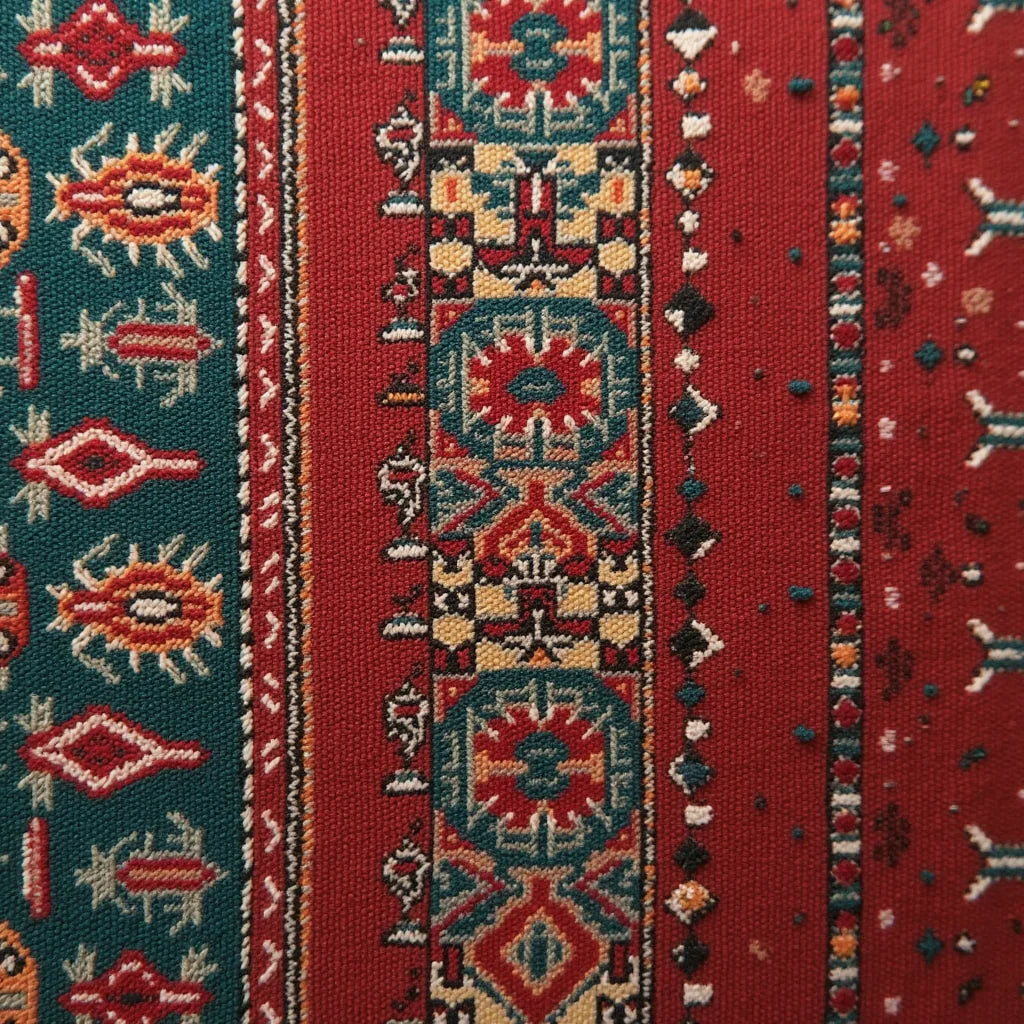
Heritage embroidered designs feature meticulous handiwork that transforms simple fabrics into wearable art. Master artisans dedicate countless hours perfecting each stitch, ensuring that every garment tells a unique story. The embellishments range from delicate geometric patterns to elaborate floral motifs, each carrying symbolic meaning rooted in cultural traditions.
The distinction between mass-produced abayas and heritage pieces lies in authenticity and intention. Heritage embroidered abayas prioritize quality materials, skilled labor, and design integrity. Women who select these garments demonstrate appreciation for craftsmanship while supporting artisans who preserve traditional techniques.

Intricate embroidery threads forming geometric and floral patterns on deep fabric.
Benefits and Reasons to Invest in Heritage Embroidered Abayas
Quality and Longevity: Heritage embroidered pieces utilize premium fabrics such as crepe, chiffon, and fine cotton that withstand regular wear and frequent washing. The superior stitching ensures embellishments remain secure and vibrant for years, making these investments financially sensible long-term choices.
Cultural Significance: Wearing heritage embroidered garments allows women to celebrate their roots and maintain connections to ancestral traditions. These pieces serve as wearable connections to family history and cultural identity, particularly important for diaspora communities seeking to preserve heritage.
Artistic Expression: Each heritage piece represents unique artistic vision. Unlike standardized mass-market items, embroidered abayas showcase individual creativity and personal style through distinctive patterns, color combinations, and embellishment placements. This individuality ensures that women stand out while maintaining modesty principles.
Ethical Sourcing: Purchasing heritage embroidered abayas typically supports skilled artisans and small production workshops rather than exploitative factory systems. This conscious consumption approach aligns with values of fair labor practices and sustainable fashion.
Versatility Across Occasions: Heritage designs transition seamlessly from daily wear to special events. Whether attending family gatherings, religious observances, or formal celebrations, embroidered abayas provide appropriate, sophisticated options that adapt to various contexts and dress codes.
Craftsmanship and Design Details
The creation process for heritage embroidered abayas involves multiple stages requiring specialized knowledge. Skilled artisans begin by selecting high-quality base fabrics, considering drape, weight, and durability. They then plan intricate designs, often drawing inspiration from traditional patterns passed through generations.
Embroidery techniques vary across regions and workshops. Hand embroidery remains the most valued method, preserving authentic techniques and allowing artisans complete creative control. Machine embroidery serves complementary roles, accelerating production timelines while maintaining design integrity. Hybrid approaches combine hand and machine work to maximize efficiency without sacrificing artistic quality.
Common embellishment materials include silk thread, metallic threads, sequins, beads, and pearls. Each material selection impacts the garment's visual appearance, weight distribution, and care requirements. Master artisans understand how different materials interact with specific fabrics, ensuring harmonious final results.

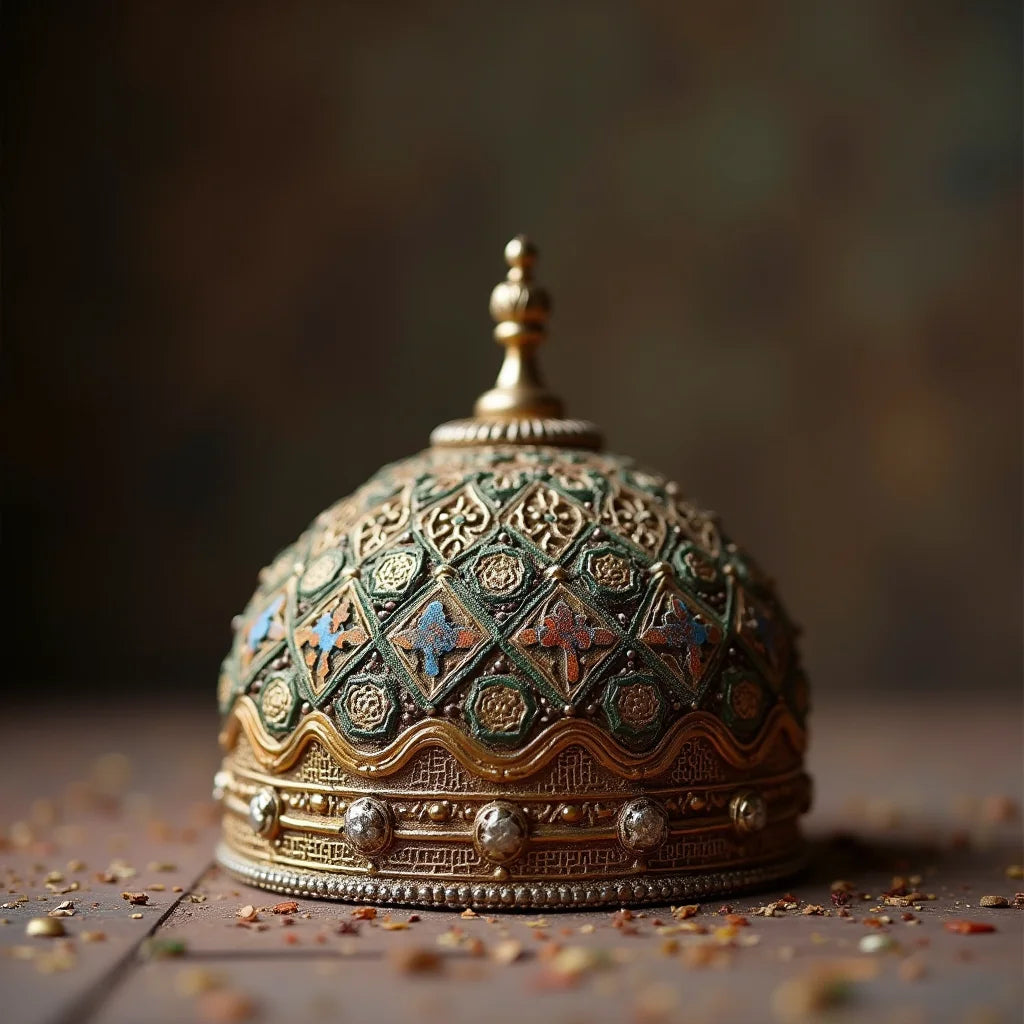
Close-up view of layered embroidery featuring metallic thread details and pearl accents.
Design patterns often incorporate regional motifs specific to heritage backgrounds. Palestinian embroidered abayas feature distinctive cross-stitch patterns and geometric designs rooted in traditional Palestinian needlework. Syrian styles emphasize flowing vine patterns and naturalistic floral arrangements. Turkish influences introduce bolder color contrasts and larger-scale patterns.
Quality indicators for heritage pieces include consistent stitch tension, secure knot placement, even pattern distribution, and superior fabric quality. Examining seams, hems, and attachment points reveals artisan skill levels. Authentic heritage pieces display marks of handwork, slight irregularities that distinguish them from machine-produced standardized items.
Styling and Coordination
Heritage embroidered abayas serve as statement pieces that establish overall outfit aesthetics. Because the garment itself features elaborate visual interest, coordinating pieces should complement rather than compete for attention. Solid-colored headscarves and undergarments allow embroidery to remain the focal point.
Color coordination between abaya base and embroidery requires thoughtful consideration. Classic black abayas with gold or silver embroidery provide timeless elegance suitable for any occasion. Deep jewel tones like emerald, sapphire, and burgundy with complementary metallic accents offer contemporary sophistication while maintaining traditional aesthetics.
Footwear selection should reflect the garment's formality level and occasion context. Embellished flats work well for everyday wear, while heeled shoes enhance the elegance appropriate for celebrations. Neutral shoe colors ensure the abaya remains the visual centerpiece without creating conflicting elements.
Accessory choices should demonstrate restraint and purposefulness. Delicate jewelry prevents over-styling, allowing embroidery to command attention. A single statement bracelet or elegant rings enhance sophistication without clashing with intricate needlework. Some women prefer minimal accessories, allowing the heritage piece to speak independently.
Layering strategies extend heritage abayas' versatility across seasons. Lightweight inner layers suit warm climates, while thermal underlayers provide warmth in cooler regions. Quality inner garments ensure comfort without compromising the silhouette established by the embroidered abaya.
Headscarf coordination completes the overall presentation. Choosing complementary hijab styles in solid colors or subtle patterns ensures visual harmony. Many women prefer headscarves that echo the embroidery's color palette, creating cohesive, intentional appearances.
Frequently Asked Questions
What distinguishes authentic heritage embroidered abayas from contemporary replicas?
Authentic heritage pieces prioritize traditional techniques, quality materials, and artisan involvement. Genuine garments display characteristics of handwork including natural fabric variations, individual stitch patterns, and attention to cultural design elements. Contemporary replicas often utilize mass-production methods, synthetic materials, and standardized patterns lacking cultural authenticity. Examining construction details, fabric quality, and design originality reveals crucial differences between authentic heritage pieces and commercial imitations.
How should I care for embroidered abayas to maintain their quality and appearance?
Hand washing in cool water with mild detergent preserves delicate embellishments and prevents fabric damage. Air drying away from direct sunlight protects colors and prevents shrinkage. Avoid wringing or twisting the garment; instead, gently squeeze excess water. Storage in breathable cotton bags prevents dust accumulation while allowing air circulation. Professional dry cleaning may benefit heavily embellished pieces, though consult providers experienced with traditional garments to ensure proper handling.
Are heritage embroidered abayas suitable for everyday wear or special occasions only?
Heritage embroidered abayas adapt to both everyday and formal contexts depending on design complexity and embellishment density. Simpler designs with modest embroidery work for regular wear, offering durability and timeless elegance. Elaborate pieces with extensive beadwork and metallic detailing suit special occasions, celebrations, and formal events. The versatility of heritage designs allows women to build wardrobes accommodating multiple contexts while maintaining consistent aesthetic values.
Final Thoughts and Recommendations
Heritage embroidered abayas deserve recognition as investments in quality, culture, and artistic expression. These garments transcend seasonal trends, remaining relevant and beautiful across years of wear. Women seeking meaningful modest wear that celebrates heritage while expressing personal style find exceptional value in thoughtfully selected embroidered pieces.
When selecting heritage abayas, prioritize artisan reputation, material quality, and design authenticity. Research producers committed to traditional techniques and fair labor practices. Examine construction details closely, asking questions about embroidery methods, fabric sources, and design inspiration. Building relationships with reliable artisans and trusted retailers ensures access to genuine, beautifully crafted pieces.
Consider exploring our curated selection of traditional and contemporary modest wear. Browse our collection of thoughtfully designed abayas that honor heritage while embracing modern sensibilities. Whether you seek elaborate embroidered showpieces or understated elegant basics, discover options supporting artisan craftsmanship and cultural preservation. Visit Palestinian Elegance today to explore garments celebrating your heritage and personal style.
About the Author
Sulieman Alhazma brings extensive expertise in traditional Islamic dress, cultural heritage preservation, and modest fashion design. With deep knowledge of embroidery techniques, regional design traditions, and contemporary styling approaches, Sulieman helps women understand and appreciate the artistry behind heritage garments. His commitment to authentic representation and cultural respect guides all content creation, ensuring readers receive accurate, meaningful information about traditional dress practices and their significance.