

Updated on: 2026-07-16
Heritage-inspired fashion connects modern dressing with enduring cultural detail. It focuses on craftsmanship, meaningful silhouettes, and materials chosen for comfort and longevity. When styling with intention, you can build outfits that respect tradition while remaining current. With the right color palette, texture balance, and fit strategy, heritage looks become easy to wear every day.
Introduction
Heritage-inspired fashion is more than a visual trend. It is a structured way of dressing that honors cultural memory through pattern, technique, and proportion. Today, many shoppers want garments that feel personal, purposeful, and crafted with care rather than produced on a rushed schedule. The result is a style approach that blends artisan detail with a clean modern finish.
In practice, heritage-inspired fashion draws from traditional motifs, traditional finishing methods, and locally informed design. It also responds to modern needs: breathable fabrics, wearable drape, and adaptable silhouettes. When you understand what to look for and how to style it, you can create outfits that feel refined and appropriate across seasons.
How-To Guide: Build a Heritage-Inspired Wardrobe
Use this process to translate traditional design language into outfits you can wear often. The goal is balance: one or two standout elements, supported by everyday staples.
1) Start with a signature element
Choose one feature you want to lead the outfit. This could be hand-embroidery, an artful textile print, a heritage-inspired neckline, or a headwear style with structured edges. When your outfit has a clear focal point, the rest of the styling becomes simpler.
2) Pick a silhouette that supports movement
Heritage-inspired fashion works best when the silhouette matches your daily rhythm. Look for designs with comfortable width, thoughtful length, and a drape that avoids constant adjustment. If you wear modest styles, prioritize fits that align cleanly at the shoulders and waist.
3) Build around complementary textures
Do not treat all fabrics as equal. Heritage details often look best when paired with solid, well-finished base layers. For example, pair textured embroidery with smooth layers for visual clarity, then add a soft accessory for flow.
4) Choose a restrained palette
Many heritage motifs are more readable when the surrounding colors remain calm. Select two main colors and one accent. Use neutrals as anchors, then add heritage color through embroidery tones, patterned headwear, or a scarf edge.
5) Add an accessory that frames the face
Headwear is not only functional; it is a framing device. A heritage-inspired look often includes structured ties, carefully finished hems, or decorative placement that aligns with your face shape. Aim for alignment at the forehead and balance at the sides.

Symbolic motifs over calm neutrals create visual harmony
6) Confirm everyday comfort before buying
Before you invest, check wearability signals: breathable lining where needed, secure closures, and seams that do not pull when you move. Artisan garments should still support daily life. If you plan to wear a piece often, confirm how it behaves after a full day.
Key Design Signals to Look For
Heritage-inspired fashion is best interpreted through visible design signals. These signals help you identify craftsmanship, authenticity, and intentional finishing.
Embroidered pattern placement: Decorative work that follows a planned route, not random decoration, usually indicates careful design.
Consistent detailing scale: Motifs should feel proportionate. Large changes in size can signal low consistency in execution.
Meaningful geometry: Traditional shapes often repeat with a reason. Even when the pattern is modernized, the structure remains clear.
Clean finishing: Neck edges, cuffs, and hems should look even and stable. Well-finished seams protect the garment over time.
Balanced contrast: Heritage-inspired fashion often uses contrast as a tool. Contrast should guide the eye, not distract from the silhouette.
To shop with confidence, compare a piece’s detail level to the rest of the outfit. If the embroidery is strong, keep base layers simple. If the garment is minimal, allow accessories and texture to carry the heritage tone.
If you are exploring headwear options, you may find it helpful to coordinate the style language across your outfit. For instance, a heritage-leaning bonnet or underlayer can support a polished, structured look. You can explore modest headwear foundations like a cotton inner option through cotton inner hijab and then build outward with a more decorative layer when needed.
Choosing Fabrics and Colors for Modern Wear
Fabric selection is where heritage-inspired fashion becomes practical. Traditional aesthetics can be preserved while improving comfort and durability through modern textile choices and careful lining.
Prioritize breathable, structured layers
Look for fabrics that hold their drape without becoming stiff. Breathable knits and well-finished woven textiles tend to feel stable in daily wear. If a garment is lined, confirm that the lining does not add unnecessary bulk.
Use heritage colors with contemporary restraint
Heritage color stories often include earth tones, deep greens, muted rusts, and warm neutrals. These shades look refined in daylight and pair well with everyday accessories. Use one accent color to signal heritage character, then keep the rest of the palette neutral.
Balance sheen and matte
Matte fabrics allow embroidery and pattern to stand out. If you choose a fabric with visible sheen, keep it limited to one area. This method prevents an outfit from appearing overly reflective.
Coordinate headwear to the garment’s detail map
Headwear does not need to match every thread color. It should harmonize with the garment’s detail map. For example, if your outfit includes embroidery in olive and cream tones, choose headwear with a compatible undertone rather than a precise replica. This approach creates a cohesive look without visual repetition.
For a silk-like drape effect without overcomplication, you can consider a chiffon option such as premium soft chiffon hijab as a foundation layer. It can help you refine the overall movement of a heritage-inspired outfit.

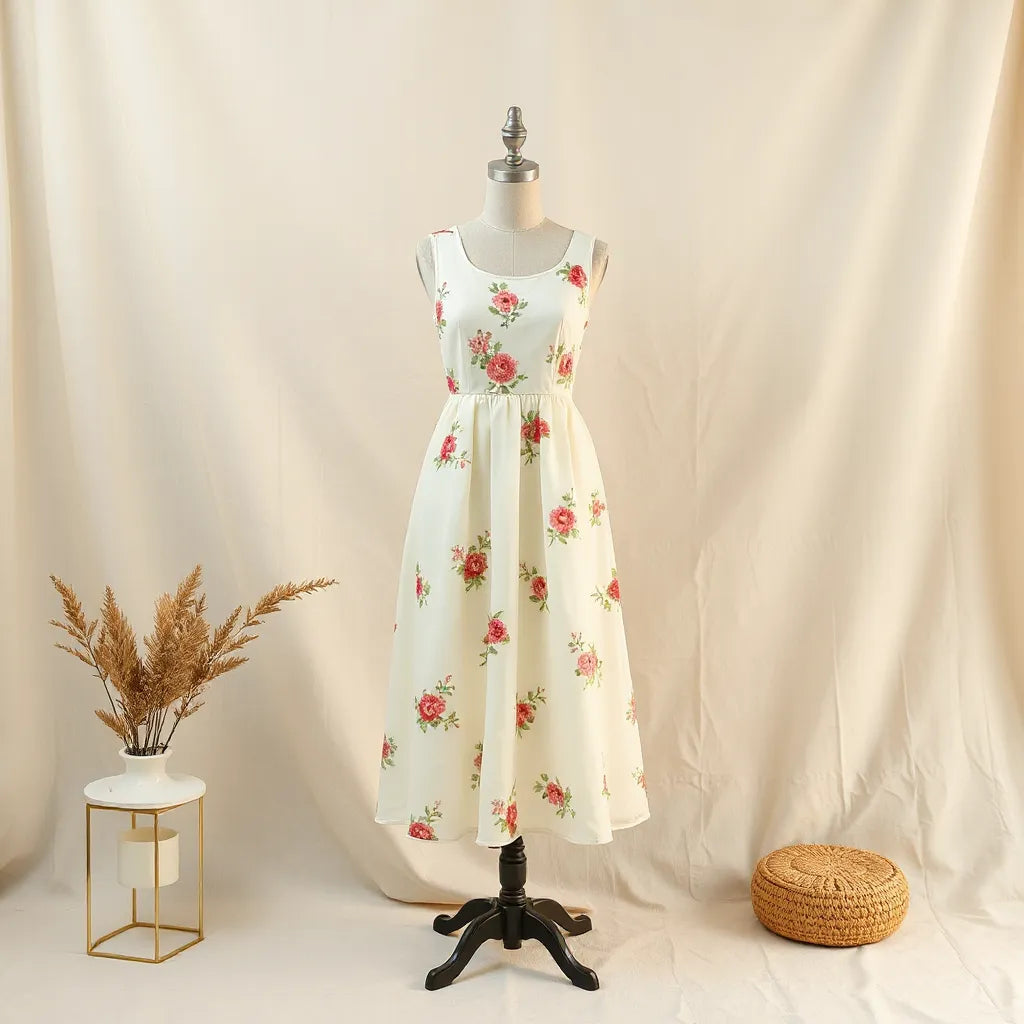
Textured embroidery contrasted with flowing drape creates balance
Styling Ideas by Occasion
Heritage-inspired fashion can be adapted across many settings. The key is to adjust the level of ornamentation and the choice of silhouette for the environment.
Everyday presence: simple lines with one heritage detail
For daily wear, choose a calm base and let one element lead. This might be a garment with subtle decorative edging, a structured headwear finish, or a motif placed at the neckline. Add a neutral outer layer for coverage and comfort. Keep shoes and outer accessories understated so the artisan work remains the focal point.
Work and appointments: refined proportions and secure fit
Work-ready heritage-inspired looks often include balanced volume and clean edges. Opt for designs with dependable structure at the shoulders. If the garment has decorative placement, keep the accessories minimal. Choose headwear that stays in position and frames the face without constant adjustment.
Celebrations and gatherings: increase contrast thoughtfully
For events, you can increase the visibility of artisan detail. Select a piece with heritage-inspired embroidery or carefully designed pattern placement, then simplify the rest. Pair with a compatible solid or lightly textured layer so the celebration look feels intentional rather than overstyled.
Seasonal transitions: layer to maintain silhouette
In cooler months, add a layering piece that supports the drape. In warm months, prioritize breathable materials and lighter liners. Even when the climate changes, the styling rule remains consistent: keep the silhouette stable, then adjust texture and warmth through layering.
Care and Longevity for Artisan Details
Heritage-inspired fashion is defined by craftsmanship, and craftsmanship deserves preservation. Proper care helps embroidery and textile finishes remain clear, stable, and wearable over time.
Wash with care: Use gentle cycles and mild detergents. Avoid aggressive scrubbing around embroidered zones.
Dry correctly: Air dry when possible. Direct high heat can alter drape and dull colors.
Store thoughtfully: Store garments flat or folded with breathable fabric. Avoid pressure on embroidered areas.
Handle with restraint: When steaming or ironing, use a low setting and protect the embroidery with a barrier cloth.
Address wear early: If a seam loosens or threads catch, repair promptly. Early repair prevents bigger damage.
These steps protect the craftsmanship that makes heritage-inspired fashion meaningful. They also keep your wardrobe consistent in appearance, so the style feels reliable rather than fragile.
Common Questions Answered
How can I wear heritage-inspired fashion if I prefer minimal outfits?
You can keep the look minimal by selecting one heritage element only. Choose a garment or accessory with tasteful embroidery, decorative edging, or a refined pattern placement, then pair it with solid base layers. Maintain a restrained color palette and avoid adding multiple competing textures in the same outfit. This method preserves the heritage tone while keeping the overall impression clean.
What isn’t required when styling heritage-inspired outfits?
You do not need exact color matching or full pattern coverage. Heritage-inspired dressing focuses on harmony, not duplication. A complementary undertone between headwear and garment detail is often more flattering than identical thread colors. You also do not need heavy decoration at every layer; repeating the most striking detail too often can reduce the impact.
How do I choose headwear that complements a heritage look?
Start with function and framing. Select headwear that stays secure and aligns neatly at the forehead and sides. Then match the headwear to the detail map of the garment: use compatible tones and coordinate the level of contrast. If the outfit includes strong embroidery, consider a calmer headwear base that supports the drape and keeps attention on the main piece.
Is heritage-inspired fashion only for special occasions?
No. Heritage-inspired fashion can be worn daily through simplified styling. Use everyday silhouettes, choose lighter decorative placement, and keep your base layers comfortable. When the heritage detail is limited to one focal point, the outfit remains appropriate for routine settings while still feeling personal.
Summary & Next Steps
Heritage-inspired fashion offers a clear path to dressing with meaning: select a signature detail, choose silhouettes that support movement, and balance textures with a calm palette. You can elevate everyday outfits through thoughtful coordination of headwear, careful fabric pairing, and a consistent approach to proportion. With proper care, artisan finishes remain stable and visually refined for the long term.
If you want to start building your wardrobe now, begin by selecting one heritage-led element and pairing it with a neutral base. Then refine your look by adjusting texture contrast and confirming everyday comfort. To explore complementary modest layers, you can browse Syrian-style open bonnet and combine it with a suitable underlayer such as a cotton undercap for a polished, structured foundation.
For best results, invest in pieces that match your lifestyle and care habits. Heritage-inspired fashion becomes most powerful when it aligns with how you live.
About the Author Section
Sulieman Alhazma is a fashion and textiles specialist with expertise in heritage craft techniques, modest wear styling, and quality selection for long-term wardrobes. With experience supporting artisan-led design, Sulieman focuses on helping shoppers understand craftsmanship, fit, and fabric behavior. Their approach emphasizes cultural preservation through everyday dressing. Thank you for reading, and may your next outfit feel both refined and meaningful.
Disclaimer: This article provides general styling and care guidance only. Product availability, composition, and care instructions vary by item. Always review the specific care label on each garment and follow manufacturer instructions.
The content in this blog post is intended for general information purposes only. It should not be considered as professional, medical, or legal advice. For specific guidance related to your situation, please consult a qualified professional. The store does not assume responsibility for any decisions made based on this information.