

Updated on: 2026-07-17
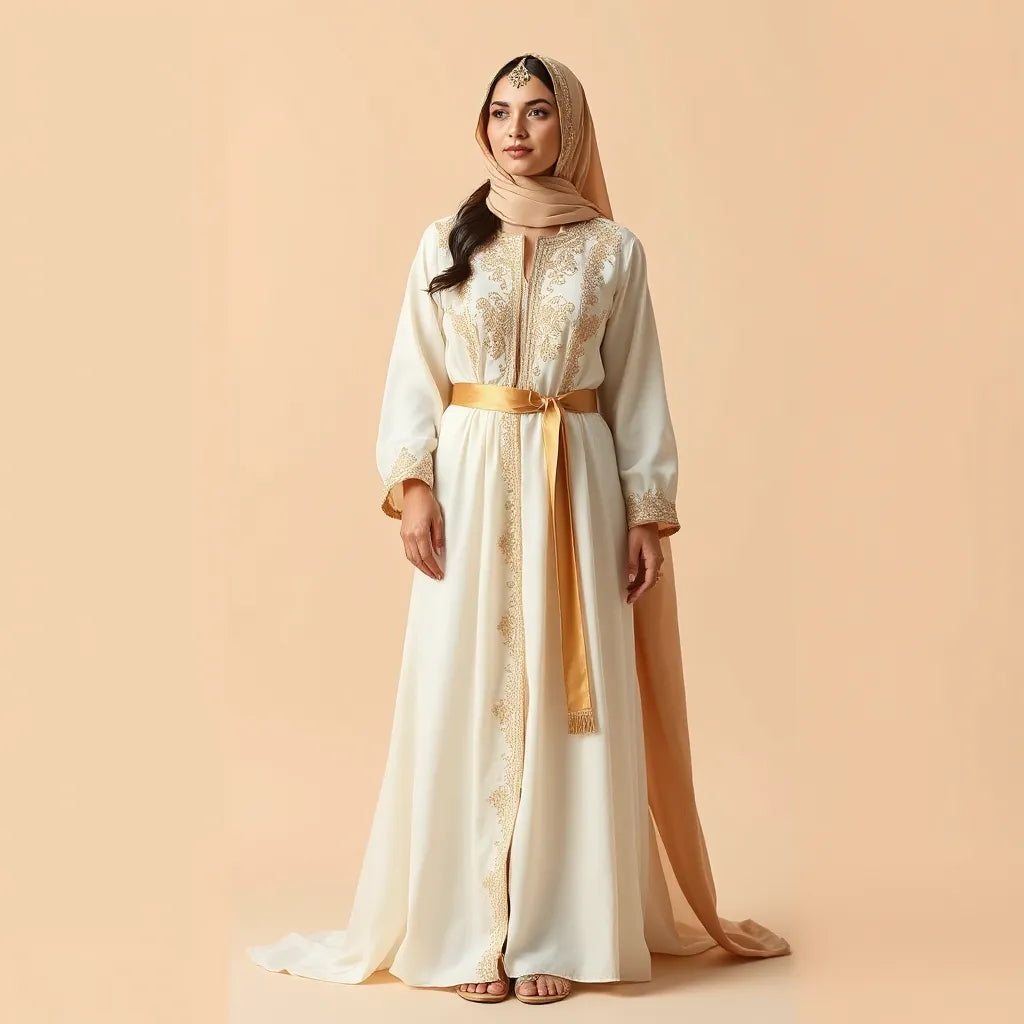
Heritage kaftans combine timeless silhouettes with meaningful craftsmanship. They are designed for daily comfort while honoring cultural detail through careful pattern work and finishing. A well-chosen kaftan supports effortless dressing, elegant drape, and reliable wear across seasons. This guide explains how to evaluate fabric, fit, and design quality so you can select a piece that aligns with your style and values.
Contents
Common Mistakes
Many buyers choose a kaftan by appearance alone. Appearance matters, but construction details often determine how a garment feels after repeated wear. Before purchasing, evaluate how the fabric behaves, how the seams are finished, and whether the garment holds its shape.
Skipping fit evaluation and assuming all kaftans drape the same way. Shoulder width, sleeve length, and overall length change the look dramatically.
Choosing fabric without considering climate. Natural fibers breathe differently from blends, and each responds to movement and washing in its own way.
Overlooking workmanship. Embellishment and finishing should look even and secure, not loose or uneven.
Ignoring color and undertone. A shade can appear elegant under store lighting but look different in daylight.
Buyer’s Checklist
Use this checklist to select heritage kaftans with confidence. The goal is to find a piece that balances beauty, comfort, and long-term durability.
Silhouette: Confirm the intended shape. A structured neckline and balanced proportions improve everyday wear.
Fabric hand-feel: Look for smooth, comfortable texture. Fabric should not feel scratchy at the neckline or cuffs.
Drape: Check how the fabric falls. Quality kaftans move gracefully and do not cling excessively.
Seam quality: Inspect stitching consistency. Neat seams reduce twisting and stretching over time.
Embellishment security: If the design includes embroidery or decorative work, verify it appears attached evenly and firmly.
Colorfastness: Choose shades you can wear often. A well-matched palette reduces the chance of regret.
Care requirements: Ensure the care routine fits your lifestyle. Easy-care fabrics are often more wearable.
Versatility: Confirm you can style it for daily errands and special moments without needing major tailoring.
Heritage Kaftans and Craft Quality
Heritage kaftans are defined by more than a familiar silhouette. Quality is reflected in the way patterns are developed, how seams are constructed, and how decorative work is integrated so it enhances the garment rather than competing with it.
In artisan-made designs, craftsmanship supports comfort. Well-finished edges reduce irritation at the neckline and along the openings. Balanced design lines also help the garment flatter the body without requiring constant adjustments. When a kaftan is constructed with attention to detail, it becomes a reliable wardrobe foundation.
Craft quality also matters visually. Embroidery should appear aligned with the overall design flow. Decorative details should look intentional, with consistent spacing and clean finishing. These elements communicate respect for traditional aesthetics while keeping the piece suitable for contemporary wear.

Close-up details: even stitching, balanced decorative alignment
Fabric and Drape Considerations
Fabric determines comfort, appearance, and longevity. When choosing heritage kaftans, prioritize materials that support a clean drape and feel comfortable against the skin. Even a well-designed kaftan will underperform if the fabric clings, wrinkles excessively, or loses shape after washing.
Consider these practical factors:
Breathability: Natural fabrics typically support airflow. This can be valuable for warm climates and long wear.
Weight: A heavier fabric often drapes smoothly and holds structure. A lighter fabric can feel airy, but it may show wrinkles faster.
Movement: The fabric should move without twisting. Good kaftans allow natural arm motion and do not pull at the shoulders.
Texture comfort: Decorative elements should not create scratchy zones. Comfort is essential for repeat wear.
Wash and wear: Fabrics should respond well to cleaning and maintain color depth. A garment that looks better over time is usually a better investment.
If you are building a coordinated modest wardrobe, pair the kaftan with complementary headwear and inner layers. For example, a soft chiffon head covering can help create a refined look with gentle movement. You can explore options such as premium soft chiffon hijab to match different kaftan tones and textures.
Styling for Modern Wear
Heritage kaftans offer a natural platform for styling. Their design lines make them well-suited for layering, accessorizing, and adapting to changing occasions. To keep the look polished, focus on proportion and coordination rather than overloading details.
Start with one focal point
Many kaftans already include tasteful decorative work at the neckline or along the front. If your kaftan has visible embellishment, choose accessories that remain understated. A clean hairstyle or a simple head covering can help highlight the design.
Coordinate color and undertones
Color pairing often improves the overall impression. Select complementary shades for headwear and underlayers so the ensemble appears intentional. Neutral bases with a rich accent can elevate the outfit without requiring bold contrasts.
Choose headwear that supports the drape
Head coverings influence how the overall silhouette reads. If you want a flowing, elegant frame, chiffon options can blend with the kaftan’s movement. For a smoother, structured feel, consider alternatives with a stable fit and soft finish. You can also explore kaftan-friendly options like garden heritage chiffon for a refined tonal match.
Layer for function
In cooler seasons, layering can improve comfort. Choose lightweight underlayers that do not add bulk. A well-fitting inner piece can support modest coverage while keeping the outer garment elegant.

Outfit styling: coordinated colors, layered fabric textures
Care and Maintenance
Proper care protects the artistry and extends the life of heritage kaftans. Decorative details and embroidery benefit from careful handling because repeated friction and aggressive cleaning can affect appearance over time.
Follow these general guidelines to maintain quality:
Check cleaning instructions: Use the garment care guidance from the product page. Different fabrics require different approaches.
Wash with care: If the design includes embellishment, gentler cleaning helps preserve decorative work.
Dry thoughtfully: Avoid harsh heat that can distort fibers and change color intensity.
Store properly: Use breathable garment storage and avoid tight folding that can crease delicate areas.
Refresh without damage: Light steaming can help remove minor wrinkles without applying direct pressure to embellished areas.
Care is also part of sustainability. When a garment remains attractive through consistent maintenance, it reduces the need for frequent replacements. That is a practical way to make wardrobe decisions that align with long-term value.
If you are building an outfit system, it can help to select inner pieces and headwear that work smoothly together. For example, a comfortable underlayer can reduce friction and protect outer fabric surfaces. Consider reviewing cotton undercap options to support everyday wear.
FAQ Section
What makes a kaftan “heritage” rather than generic? Heritage kaftans are typically defined by traditional design cues and craftsmanship. Many feature meaningful finishing, careful pattern work, and details that reflect cultural aesthetics while remaining wearable in modern wardrobes.
How do I choose the right size if kaftans are meant to be relaxed? Relaxed does not mean shapeless. Check shoulder width, sleeve length, and overall length so the drape supports your comfort and proportions.
Can heritage kaftans be worn daily or only for special occasions? They can be worn daily when fabrics and finishing are selected for comfort and practicality. Choosing versatile colors and manageable care needs supports repeat wear.
Wrap-Up & Final Thoughts
Heritage kaftans bring together tradition, craftsmanship, and refined everyday comfort. When you evaluate construction quality, choose suitable fabric, and style with intention, you gain a wardrobe piece that stays elegant through repeated use. Treat each decision as part of a long-term investment: comfort first, craftsmanship second, and versatility always.
If you are ready to refine your modest wardrobe, start by selecting one kaftan that fits your climate and your preferred silhouette. Then build around it with coordinated headwear and underlayers for a consistent, polished look.
Shop with intention: Explore carefully crafted options at Palestinian Elegance, a family-owned boutique bridging traditional Palestinian heritage with modern fashion. You can discover artisan-made pieces and supporting modestwear staples designed for comfort and cultural preservation.
Q&A Section
How should a heritage kaftan fit across the shoulders?
A high-quality kaftan should sit comfortably on the shoulders without restricting arm movement. The goal is a relaxed, balanced feel where the seam lines align naturally with your torso. If the shoulders pull or feel too tight, the silhouette will not drape as intended.
What fabric qualities matter most for long-term wear?
Prioritize fabric breathability, consistent drape, and stable texture. A garment that maintains color and shape after cleaning is generally easier to wear repeatedly. Comfortable hand-feel matters because everyday wear depends on skin-friendly touch.
How can I keep embellishment looking neat over time?
Handle decorative areas with gentle care during cleaning and storage. Avoid rough scrubbing, excessive heat, and tight folding that creates hard creases. If steaming is part of your routine, keep it light and do not press directly on detailed work.
Which headwear styles pair well with kaftan silhouettes?
Headwear should complement the kaftan’s movement and neckline. Soft, flow-friendly head coverings create a cohesive silhouette, while more structured options can sharpen the overall look. Choose shades that support your kaftan palette so the ensemble reads as intentional.
About the Author
Sulieman Alhazma is a fashion and modestwear writer with expertise in artisan craft, traditional garment presentation, and wardrobe styling. His work focuses on practical selection criteria that help customers choose pieces designed for comfort and cultural appreciation. He values durable construction, respectful design details, and everyday elegance. You can expect clear guidance that supports confident purchasing decisions.
The content in this blog post is intended for general information purposes only. It should not be considered as professional, medical, or legal advice. For specific guidance related to your situation, please consult a qualified professional. The store does not assume responsibility for any decisions made based on this information.