

Updated on: 2026-04-16
Heritage Occasion Wear helps you look polished while honoring cultural details. It supports comfort, proper fit, and timeless styling for weddings, celebrations, and community events. This guide explains how to choose fabrics, colors, and embroidery with confidence. You will also learn a clear process for planning an outfit from first selection to final styling.
Table of Contents
- Introduction
- Essential Tips
- Detailed Step-by-Step Process
- Style Guidance for Different Events
- Fabric and Color Principles
- Care and Preservation
- Summary & Takeaway
- Q&A Section
Introduction
Heritage Occasion Wear brings together refined modest styling and meaningful design. When an outfit reflects tradition with modern ease, you feel comfortable and confident throughout the entire event. You also create a visual story through embroidery, heritage prints, and well-planned proportions. This article offers practical guidance to help you select garments, accessories, and finishing details that suit your ceremony, your personal style, and your comfort needs.
Essential Tips
- Start with the event type and movement level so your outfit supports sitting, standing, and walking.
- Choose one focal point, such as statement embroidery or a rich heritage palette, and keep the rest harmonized.
- Select breathable, structured fabrics to balance elegance with comfort. Test the drape mentally by imagining how it moves as you walk.
- Plan for layering. A modest outfit often needs an understructure for smoothness and a clean silhouette.
- Match undertones in your palette. Warm skin tones often harmonize with earthy reds, golds, and olives, while cool undertones often pair well with deeper jewel tones.
- Prioritize fit at the shoulders, neckline, and waist. Good fit reduces distraction and helps the outfit look intentional.
- Use finishing pieces that coordinate, such as an inner layer, scarf structure, or complementary accessories.
- Document your choices. Keeping notes about fabric feel and color outcome helps you repeat success for future occasions.
Detailed Step-by-Step Process
Follow this sequence to build an outfit for an upcoming celebration without last-minute uncertainty.
Define the occasion and the level of formality. Weddings and major celebrations typically require more refined textures and careful coordination than casual gatherings.
Choose your anchor garment first. Select the piece that sets your style direction, then plan the remaining layers to support it.
Pick a heritage palette with deliberate contrast. Choose one dominant color and one accent color. Contrast should look balanced, not loud.
Plan your modest foundation. Use an underlayer that supports smoothness under embroidery or sheer details. This step protects comfort and reduces shifting.
Coordinate scarf or head covering structure. The scarf should frame the face and maintain an intentional drape. If you prefer structure, choose an inner layer that holds shape without stiffness.
Confirm the silhouette. Evaluate where volume sits: shoulders, sleeves, skirt, and hem. The goal is a smooth line with controlled movement.
Finish with heritage-appropriate accents. Look for embroidery tone, matching thread colors, and ornament placement that complements the overall design.
Prepare for comfort during the event. Consider how your feet feel, whether your seating posture is supported, and whether your layers remain comfortable after hours of wear.
Do a final check before leaving. Inspect neckline alignment, sleeve length, scarf edges, and any visible seams under layered pieces.

Layered outfit planning: palette swatches and drape lines
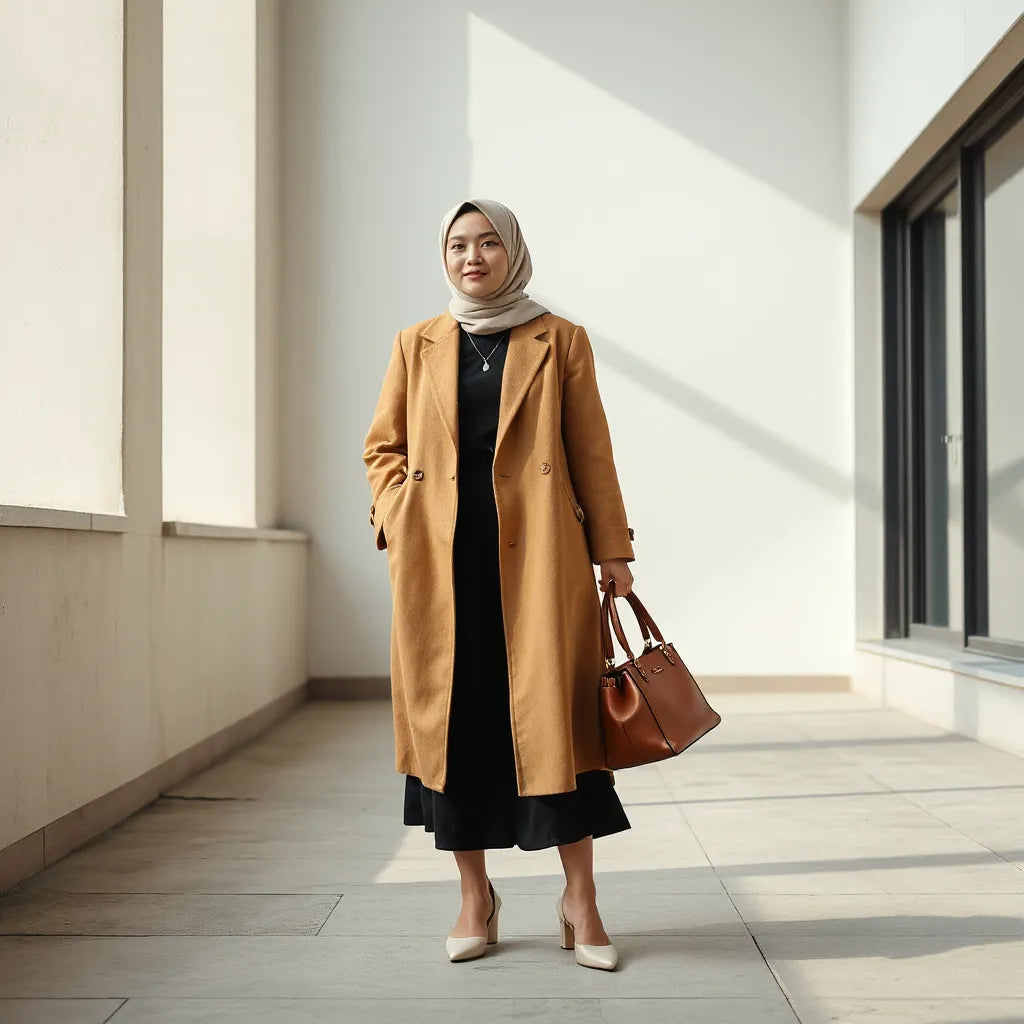
For many customers, the most effective outcome comes from pairing a heritage-inspired outer layer with a dependable understructure. If your event requires additional coverage, consider a cotton or inner support layer that improves smoothness and helps your head covering sit neatly throughout the day. For example, underscarf support can help stabilize fit beneath a more decorative scarf.
Style Guidance for Different Events
Weddings and bridal celebrations
Weddings often call for refined texture and cohesive color storytelling. Choose a heritage-inspired statement that feels elegant under indoor lighting. If your outfit includes embroidery, coordinate the thread tone with your scarf or accessory palette. For a polished finish, prioritize neckline clarity and sleeve alignment.
When planning a bridal look with Heritage Occasion Wear, consider pairing a heritage print concept with a structured head covering. A premium fabric such as chiffon can provide a graceful drape, while a stable inner layer supports shape. If you want a heritage-inspired scarf style, you may explore options like the heritage chiffon collection for color-forward coordination.
Community events and family gatherings
For community events, elegance should remain comfortable and practical. Choose breathable fabrics and a silhouette that supports movement. Instead of stacking many focal details, focus on one primary element: embroidered panels, a heritage motif, or a coordinated scarf tone.
Cultural celebrations and formal dinners
Formal dinners favor intentional proportions and refined finishes. Select garments that hold structure without stiffness and choose accessories that align with the overall design. Pay attention to how lighting highlights embroidery and texture. Well-chosen color contrast enhances the heritage effect without visual noise.
Fabric and Color Principles
Heritage Occasion Wear looks best when the fabric and color decisions support the design intent. Strong heritage details often require fabric that behaves well under natural movement and does not overpower embroidery. The right fabric also helps your outfit remain comfortable in varying environments.
Fabric selection for comfort and drape
Chiffon and soft drape textiles: Suitable for graceful movement and face-framing layers. Pair with an understructure for stability.
Cotton and breathable bases: Helpful for comfort and smooth layering under decorative pieces.
Structured modest layers: Support a clean silhouette. Ensure the structure feels comfortable at the shoulders and waist.
Thread and embroidery behavior: Embroidery can add texture and visual depth. Choose fabrics that complement without fighting the design.
Color coordination that looks intentional
Heritage occasions often draw meaning from color. Use color principles to create a cohesive look:
Dominant and accent balance: Choose one dominant color and one accent that appears in both the main garment and your scarf palette.
Warm and cool harmony: Keep undertones consistent across layers so the look appears clean rather than mixed.
Contrast control: A moderate contrast usually reads elegant. Extreme contrast can look abrupt.

Color harmony diagram: dominant tone, accent thread, drape
If you prefer a smoother, more secure head covering feel, pairing an inner scarf structure with a complementary outer chiffon layer can help maintain a neat finish. You can also consider different scarf styles based on how much structure you want. For instance, some styles emphasize a secure fit and clean edges, which can be important for long events. If your preference is a structured scarf option, you may review tie bandana styling as part of your planning.
Care and Preservation
Investing in Heritage Occasion Wear also means protecting the craftsmanship. Proper care preserves texture, supports long-term wear, and keeps embroidery looking crisp.
General maintenance steps
Follow garment care instructions. Use the recommended washing or dry-clean approach for each fabric type.
Handle embroidery gently. Avoid aggressive scrubbing. If you spot clean, do so carefully and test on a small area.
Store with protection. Use garment bags or tissue layers so embellishments do not rub.
Press carefully. Use appropriate heat settings and steam handling for delicate textiles. Pressing too directly can flatten texture.
Keep accessories together. Store scarves and inner layers so you can reproduce the look easily next time.
Preparing for repeat wear
Many customers want a long wardrobe cycle. The key is to keep the garment in good condition and to plan combinations. When a head covering is stored well and the understructure stays fresh, repeat styling becomes simpler. This approach also supports cultural continuity by allowing beloved pieces to return for future celebrations.
In addition to garment care, thoughtful event preparation matters. If you are coordinating outfits and accessories, confirm what fits comfortably for the event schedule and climate. A well-planned outfit reduces stress and makes room for enjoyment.
For those who enjoy community-driven craftsmanship and lifestyle planning, you may also find value in exploring Rootly for broader inspiration around values-based choices.
Summary & Takeaway
Heritage Occasion Wear succeeds when design intention meets comfort and fit. Choose an anchor garment first, then build your palette with controlled contrast and breathable, supportive fabrics. Plan a modest foundation for smooth layering, coordinate your head covering drape, and finish with heritage-aligned accents. Finally, protect embroidery and delicate textiles with careful storage and gentle handling.
Q&A Section
How do I choose a heritage outfit when I cannot try it on?
Start with your measurements for shoulders, neckline preference, sleeve comfort, and waist fit. Review fabric behavior descriptions and consider whether you want more drape or more structure. If you have a preferred underlayer that improves smoothness, use that reference to guide sizing. When in doubt, prioritize shoulder fit first and then confirm overall length and sleeve alignment.
What is the best way to coordinate a head covering with Heritage Occasion Wear?
Coordinate through tone and undertone, not only through surface color. Select a head covering that echoes one accent color from the main garment. Then ensure structure: a stable underlayer can help the scarf sit neatly and resist shifting. The goal is a clean frame around the face and a silhouette that supports the outfit’s overall proportions.
Should I prioritize embroidery details or overall color first?
Prioritize based on the event and your personal preference. If the embroidery is the central design feature, build a calmer palette around it. If you prefer color expression, choose a heritage palette with intentional contrast and let embroidery remain harmonized rather than competing for attention. In both cases, one focal point usually creates the most refined result.
How can I keep my outfit looking neat throughout a long event?
Use a dependable understructure to reduce shifting and maintain smooth layers. Choose fabrics that remain comfortable when seated or moving. Before leaving, check neckline alignment, scarf edges, and sleeve placement. For delicate textiles, avoid heavy handling during the event and keep storage items ready for quick adjustment.
About the Author Section
Sulieman Alhazma is an experienced fashion and styling professional focused on modest wear, heritage-inspired design, and practical outfit planning. With a strong background in editorial-style coordination and craftsmanship-aware guidance, he helps customers select pieces that balance tradition and everyday comfort. His approach emphasizes fit, drape, and respectful attention to detail. He welcomes thoughtful questions and encourages customers to build looks that feel confident and timeless.
The content in this blog post is intended for general information purposes only. It should not be considered as professional, medical, or legal advice. For specific guidance related to your situation, please consult a qualified professional. The store does not assume responsibility for any decisions made based on this information.