

Updated on: February 26, 2026
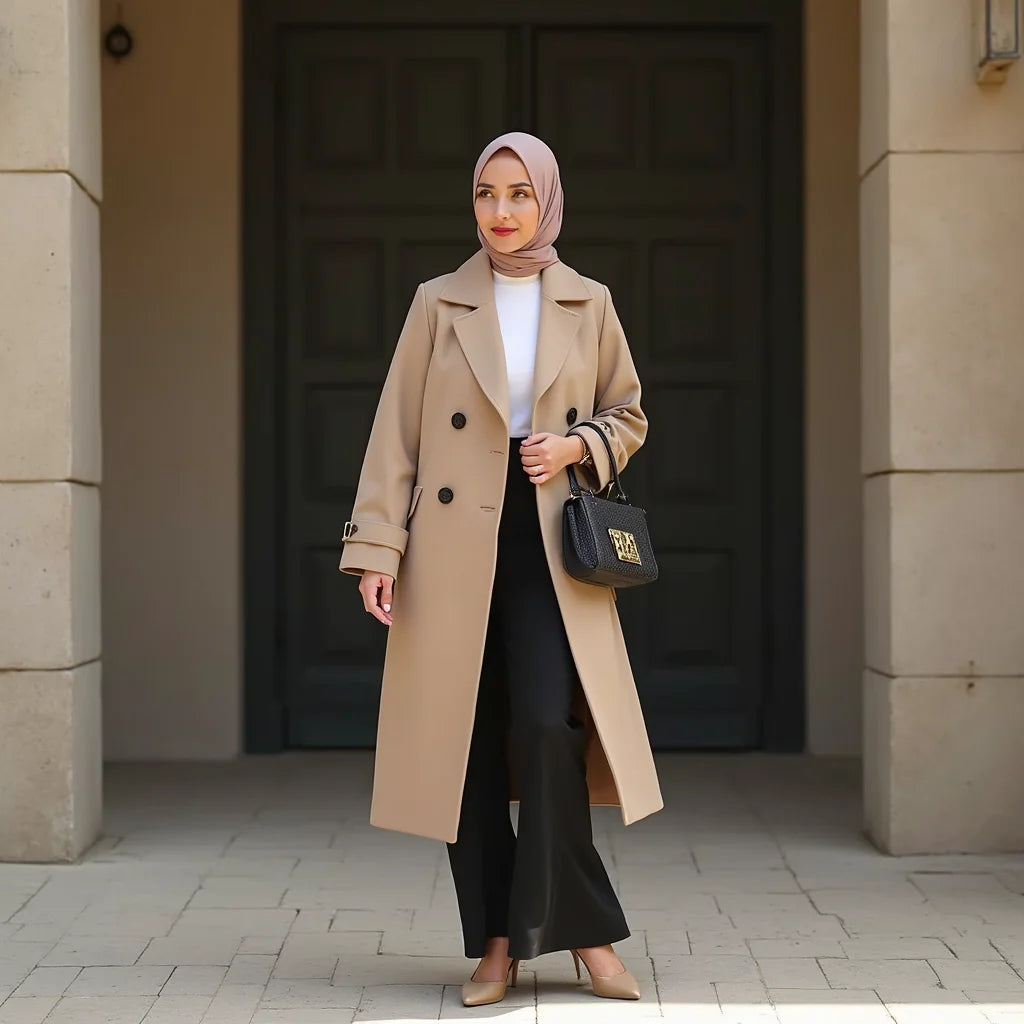
Selecting premium chiffon head coverings requires understanding fabric quality, weave density, color retention, and comfort standards. This comprehensive guide explores essential characteristics that distinguish superior options from standard alternatives, helping you make informed purchasing decisions. Learn how to evaluate material composition, durability, styling versatility, and care requirements to maximize your investment in modest fashion essentials.
Table of Contents
- Essential Tips for Selecting Superior Chiffon Head Coverings
- Detailed Step-by-Step Process for Evaluation
- Understanding Fabric Quality Standards
- Care and Maintenance Guidelines
- Summary and Key Takeaways
- Frequently Asked Questions
- About the Author
Introduction to Premium Chiffon Head Coverings
High-quality chiffon hijabs represent a significant investment in your wardrobe, combining aesthetic appeal with practical functionality. The distinction between ordinary and exceptional options lies in meticulous attention to manufacturing processes, material sourcing, and quality control standards. Understanding these factors empowers consumers to identify genuine value and ensure their selections meet personal expectations for comfort, longevity, and visual presentation.
Chiffon fabric has maintained its prominence in modest fashion for decades, and contemporary production methods continue to enhance both performance and appearance characteristics. Whether you prioritize breathability for warm climates, color vibrancy for special occasions, or everyday versatility, understanding quality markers becomes essential for confident purchasing decisions.
Essential Tips for Selecting Superior Chiffon Head Coverings
- Examine thread count and weave tightness by holding fabric toward light sources to assess transparency levels and structural integrity
- Verify fiber content through product documentation, ensuring genuine chiffon composition rather than synthetic blends with inferior performance characteristics
- Assess color consistency across the entire garment, checking for uneven dyeing patterns or fading signs that indicate quality control issues
- Feel the texture carefully, recognizing that superior options display smooth, uniform surfaces without pilling or irregular fiber distribution
- Evaluate edge finishing techniques, as premium versions feature reinforced hems and secure seams preventing premature fraying
- Research manufacturer reputation and customer feedback regarding durability, color retention after washing, and long-term comfort performance
- Consider seasonal appropriateness, as quality variations exist between lightweight summer options and heavier varieties suited for cooler conditions
- Compare weight specifications, understanding that superior chiffon balances delicate aesthetic appeal with sufficient structural stability
Detailed Step-by-Step Process for Evaluation
Step One: Verify Material Composition
Begin your evaluation by reviewing product labels and certification documentation. Authentic chiffon consists of natural or semi-synthetic fibers including silk, cotton, or regenerated cellulose. Examine percentage breakdowns carefully, as products labeled as chiffon-blend may contain significant quantities of lower-quality synthetics. Request transparency from retailers regarding material sourcing and manufacturing origins, as these factors significantly influence final product characteristics.

Layered fabric textures showing varied weave densities and fiber structures under magnified inspection.
Step Two: Assess Weight and Drape Characteristics
Quality chiffon exhibits specific weight ranges typically measured in grams per square meter. Superior options generally fall between ninety and one hundred fifty grams, providing adequate substance without excessive heaviness. Evaluate drape by observing how fabric moves and settles, recognizing that premium varieties flow gracefully while maintaining shape integrity. Limp, overly stiff, or unpredictable draping patterns suggest inferior fiber quality or inadequate finishing treatments.
Step Three: Evaluate Color Quality and Consistency
Examine color uniformity across the entire length and width of the fabric. Superior chiffon displays consistent pigmentation throughout, with no visible streaking, blotching, or gradual color variations. Request samples when possible, allowing you to observe color under various lighting conditions including natural daylight and artificial illumination. Premium manufacturers employ advanced dyeing techniques ensuring colorfastness through multiple wash cycles, maintaining visual appeal throughout extended ownership periods.
Step Four: Inspect Edge Finishing and Seam Quality
Carefully examine all edges and seams using magnification if necessary. Superior options feature clean, even stitching with no loose threads or irregular patterns. Reinforced hems prevent fraying and extend garment longevity significantly. Check that seam allowances are adequate and thread color matches the primary fabric, indicating professional construction standards. Visible quality control lapses suggest manufacturing processes prioritized speed over precision, potentially affecting overall durability.
Step Five: Test Fabric Resilience
Gently stretch fabric portions in multiple directions, observing recovery characteristics. Premium chiffon returns immediately to original dimensions without residual stretching or deformation. Perform basic washing tests using mild detergent and cool water on small, inconspicuous sections if possible. Quality versions maintain integrity, color, and texture after proper care, while inferior alternatives may show immediate signs of damage, fading, or structural compromise.
Understanding Fabric Quality Standards
The textile industry maintains specific standards for chiffon classification that directly impact consumer purchasing decisions. Understanding these benchmarks enables discerning evaluation of product claims and realistic assessment of value propositions.
Thread count represents a primary quality indicator, measuring the number of threads per square inch. Higher thread counts typically indicate denser, more durable fabrics with superior coverage and reduced transparency. However, thread count alone does not determine overall quality; thread quality, fiber type, and finishing treatments equally influence final product performance.
Fiber composition fundamentally affects fabric characteristics including breathability, durability, and aesthetic appeal. Pure silk chiffon represents the premium option, offering exceptional softness, natural thermoregulation, and refined appearance. Cotton-based chiffon provides affordable alternatives with good breathability and durability. Synthetic options like polyester chiffon offer durability and color retention but may sacrifice breathability and natural feel qualities.
Our Premium Soft Chiffon Hijab exemplifies quality standards that discerning customers appreciate, incorporating superior materials and refined finishing techniques that ensure lasting satisfaction and practical performance.

Fabric swatches displaying color variations, sheen levels, and texture characteristics of different quality grades.
Care and Maintenance Guidelines
Proper maintenance extends the lifespan of quality chiffon investments significantly. Hand washing in cool water using gentle detergents prevents fiber damage and color fading. Avoid bleach, optical brighteners, and fabric softeners that compromise fiber integrity and diminish natural luster. Air dry completely before storage, ensuring no moisture promotes mildew or discoloration.
Store chiffon items in breathable cotton bags rather than plastic containers, allowing air circulation that prevents moisture accumulation. Fold carefully rather than hanging for extended periods, as extended tension stresses fibers unnecessarily. Keep away from direct sunlight during storage, as ultraviolet exposure causes gradual color fading even without wearing.
Iron on low settings if necessary, using pressing rather than vigorous strokes that create permanent creases. Some quality chiffon options resist wrinkling naturally, reducing maintenance requirements. Spot-clean minor stains immediately using appropriate techniques to prevent setting and permanent damage. Consider professional dry cleaning for heavily soiled items or special occasion pieces requiring expert restoration.
Summary and Key Takeaways
Distinguishing high-quality chiffon hijabs requires evaluating multiple interconnected factors including material composition, manufacturing standards, finishing quality, and care requirements. Premium options justify higher initial investment through extended longevity, superior comfort, consistent aesthetic appeal, and practical performance across varied usage conditions.
Prioritize transparency from retailers regarding fiber content, dyeing methods, and manufacturing processes. Examine physical samples whenever possible, assessing weight, drape, color consistency, and seam quality firsthand. Research manufacturer reputation and customer experiences regarding durability and color retention. Understand proper care techniques that maximize lifespan and maintain garment appearance throughout ownership.
Investing time in thoughtful selection ultimately yields superior satisfaction, reducing future replacement costs and ensuring your modest fashion choices reflect personal values regarding quality and longevity. Products like our Soft Flow Chiffon Hijab demonstrate how quality commitment translates into measurable consumer benefits and lasting wardrobe value.
Frequently Asked Questions
What distinguishes genuine chiffon from synthetic imitations?
Genuine chiffon contains natural or semi-synthetic fibers with specific structural characteristics including consistent fiber diameter, natural luster qualities, and predictable drape behavior. Synthetic imitations may appear similar initially but typically display reduced breathability, artificial sheen, and less graceful movement. Testing weight, transparency, and thermal properties reveals differences that pure visual inspection might miss. Premium chiffon feels smoother to touch, regulates temperature effectively, and develops a natural patina with age and wear.
How often should high-quality chiffon hijabs be washed?
Frequency depends on usage intensity, climate conditions, and activity level. Casual everyday use typically requires washing every two to three weeks, while frequent perspiration exposure or outdoor activities may necessitate more frequent cleaning. Spot cleaning between full washes extends intervals and reduces unnecessary wear. Always follow manufacturer care instructions, as specific fabric variations may have unique requirements. Quality construction typically withstands regular proper washing without degradation, whereas inferior options may deteriorate after limited laundering cycles.
Can premium chiffon hijabs justify higher pricing compared to budget alternatives?
Quality chiffon options command higher prices for justifiable reasons including superior fiber sourcing, advanced manufacturing techniques, rigorous quality control, and longer functional lifespan. Budget alternatives may appear initially economical but often require frequent replacement due to fading, pilling, fraying, or structural failure. Premium options typically remain attractive and functional for years, ultimately providing superior value through cost-per-wear calculations. Additionally, superior comfort, breathability, and aesthetic consistency enhance daily satisfaction beyond pure economics, making investments in quality particularly worthwhile for frequently-worn items.
What should I consider when selecting chiffon varieties for different seasons?
Seasonal selection involves balancing weight, transparency, and thermal properties appropriately. Lightweight chiffon between ninety and one hundred twenty grams suits warm climates and summer months, offering maximum breathability. Heavier varieties between one hundred thirty and one hundred fifty grams provide adequate layering capability for cooler conditions while maintaining elegant drape. Consider transparency levels, as lighter weights often require slip garments or underscarf combinations. Evaluate fiber composition as well, since wool-blended options offer insulation superior to pure silk or cotton for winter use.
About the Author
Sulieman Alhazma
Sulieman Alhazma brings extensive expertise in textile quality standards, modest fashion design, and consumer product evaluation spanning more than fifteen years in the industry. His comprehensive understanding of fabric characteristics, manufacturing processes, and international quality benchmarks enables detailed analysis benefiting both retailers and discerning consumers. Through dedicated research and practical experience evaluating thousands of textile products, Sulieman has developed detailed knowledge regarding quality markers, durability predictors, and value assessment techniques. He remains committed to empowering consumers through transparent, practical guidance that elevates purchasing decisions and celebrates quality craftsmanship in modest fashion.