

Updated on: March 24, 2026
Discover how to select and style unique hijab designs that reflect your personal aesthetic and cultural values. This guide explores common mistakes, practical styling tips, and expert insights to help you build a versatile hijab wardrobe. Learn the differences between various styles, materials, and wrapping techniques that can elevate your modest fashion choices.
Table of Contents
- Common Mistakes to Avoid
- Pros and Cons Analysis
- Quick Tips for Selection and Styling
- Wrap-Up and Key Insights
- Questions and Answers
- About the Author
Introduction
The world of hijab fashion has evolved dramatically over recent years, offering countless options for women seeking to express themselves while maintaining modesty. Choosing unique hijab designs can be overwhelming, especially when faced with numerous fabrics, styles, and color combinations. This comprehensive guide addresses the challenges many women face when selecting head coverings that align with their lifestyle, climate, and personal preferences. Whether you are new to wearing hijab or looking to expand your existing collection, understanding the fundamental aspects of selection and styling will empower you to make confident choices. By the end of this article, you will have the knowledge needed to curate a collection that serves both functional and aesthetic purposes.
Common Mistakes to Avoid
Many women make predictable errors when shopping for hijab options that compromise comfort and style. Understanding these pitfalls will help you make smarter purchasing decisions and build a more cohesive wardrobe.
- Choosing the wrong fabric for your climate: Selecting heavy materials during summer months or lightweight fabrics in winter creates discomfort and reduces the longevity of your pieces. Consider seasonal variations and your local weather patterns before purchasing.
- Ignoring your skin tone: Not all colors complement every complexion equally. Purchasing hijabs without considering how specific hues interact with your natural coloring results in a collection that does not flatter you.
- Overlooking quality and durability: Investing in low-quality materials often means frequent replacements and wasted money. Premium fabrics maintain their shape, color, and integrity through regular washing and extended wear.
- Neglecting versatility: Building a collection without considering how pieces coordinate creates a closet full of items that rarely work together. Prioritize neutral bases and complementary colors that mix and match easily.
- Ignoring personal comfort: Style means nothing if you cannot wear your hijab comfortably for extended periods. Always prioritize breathability, weight, and how the fabric sits against your skin.
- Rushing into trends without timeless pieces: While trendy designs are fun, neglecting classic styles means your collection ages quickly. Balance fashion-forward choices with timeless options that remain relevant for years.

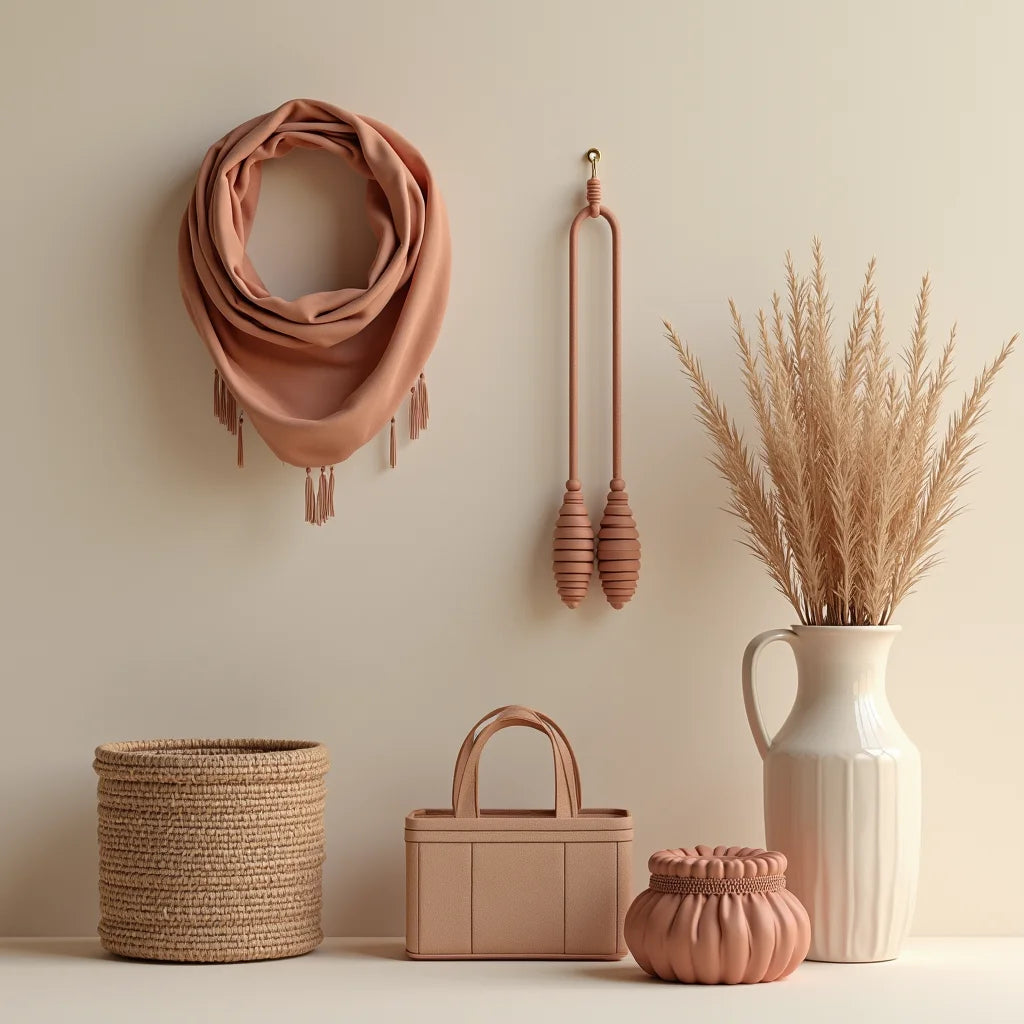
Layered fabrics in neutral tones creating seamless, versatile styling combinations.
Pros and Cons Analysis
Advantages of Investing in Quality Unique Designs
- Enhanced self-expression through diverse color palettes and textures that reflect your personality
- Improved durability when selecting premium materials that withstand frequent washing and daily wear
- Greater styling versatility with thoughtfully curated pieces that coordinate across multiple outfits
- Increased confidence from wearing styles that genuinely complement your appearance and lifestyle
- Long-term value despite higher initial investment due to extended lifespan of quality garments
- Support for artisans and businesses that prioritize ethical production and sustainable practices
Disadvantages and Considerations
- Higher upfront costs compared to mass-produced alternatives available at lower price points
- Limited immediate availability of specific styles or colors if sourcing from specialized retailers
- Potential sizing inconsistencies across different manufacturers and production batches
- Storage and organization challenges when maintaining a substantial collection of diverse pieces
- Time investment required for researching materials, brands, and styling techniques
- Risk of impulse purchases that do not align with existing wardrobe or personal aesthetic
Quick Tips for Selection and Styling
These practical recommendations will streamline your shopping process and help you build a cohesive, functional hijab collection that works for your daily life.
- Establish a color palette: Choose three to four neutral base colors and two to three accent colors that coordinate with your existing wardrobe and skin tone. This foundation ensures most pieces work together effortlessly.
- Test different fabrics: Spend time feeling various materials in person before committing to larger purchases. Cotton, chiffon, and lycra each offer distinct characteristics that affect comfort and draping.
- Research styling methods: Different hijab styles require different techniques. Learn the fundamentals of Syrian styling methods and Turkish wrapping techniques to maximize your styling options.
- Invest in quality undergarments: Foundation pieces like underscarves and bonnets provide essential support and security. Quality bases eliminate the need for constant adjustments throughout the day.
- Consider occasion-specific pieces: Build your collection to include casual daily options, professional styles, and special occasion designs. This versatility ensures you always have appropriate choices.
- Evaluate weight and breathability: Lightweight fabrics prevent overheating during physical activity, while structured materials work better for professional settings. Match your selection to intended use.
- Explore texture variety: Mix smooth, matte finishes with subtle sheen or embroidered details. Texture variation adds visual interest to your overall aesthetic without requiring bold colors.
- Assess care requirements: Understand the maintenance needs of different materials before purchasing. Machine-washable options offer convenience, while delicate fabrics may require hand washing.

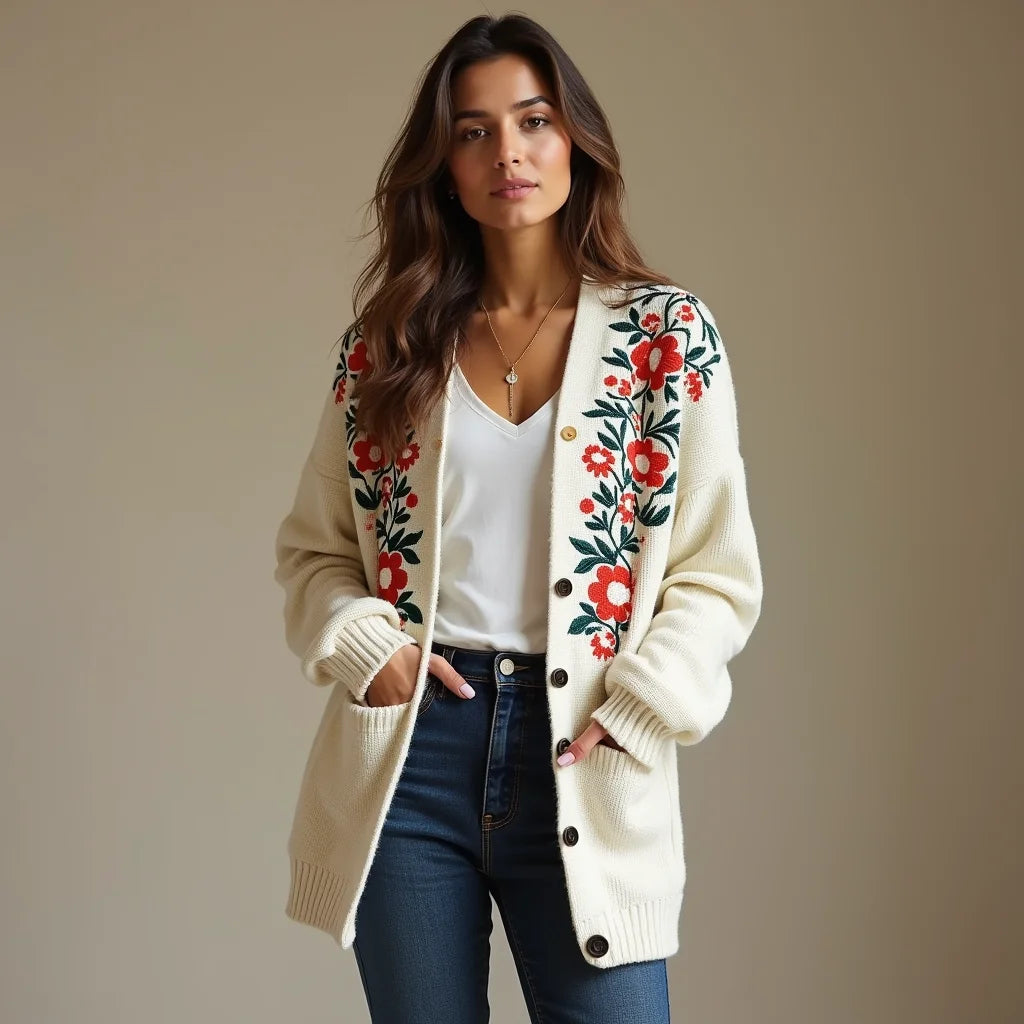
Color coordination wheel showing neutral bases paired with complementary accent shades.
When selecting premium chiffon options, prioritize pieces that offer both elegance and practicality. Quality construction ensures your investment continues serving you well beyond initial use. The distinction between mass-produced and carefully crafted designs becomes evident in how pieces wear, maintain their appearance, and integrate with your existing wardrobe.
Wrap-Up and Key Insights
Building a collection of unique hijab designs requires thoughtful consideration of materials, colors, styles, and personal lifestyle needs. Rather than accumulating numerous pieces without purpose, strategic curation ensures every item serves multiple purposes and coordinates effectively. The investment in quality, versatile options pays dividends through extended wearability and consistent satisfaction with your choices.
Remember that your hijab collection should evolve with your preferences and needs. Starting with foundational pieces in neutral tones provides flexibility, while gradually introducing complementary colors and textured fabrics adds dimension and interest. By avoiding common mistakes and following the practical tips outlined here, you will develop a wardrobe that genuinely reflects your style while serving your daily requirements.
Take action today by evaluating your current collection. Identify gaps in versatility, assess which pieces receive regular wear, and consider how strategic additions might enhance your overall options. Whether shopping for comfortable everyday styles or special occasion pieces, approach each selection with intention and confidence.
Questions and Answers
What is the most versatile hijab fabric for year-round wear?
Cotton blends and lightweight chiffon offer excellent versatility across seasons. These materials provide breathability during warm months while remaining substantial enough for layering in cooler weather. Premium cotton derivatives maintain their shape and color through frequent washing, making them ideal for daily rotation in your collection.
How can I determine which hijab style suits my face shape best?
Different styles flatter different features. Rounded faces often benefit from elongating styles that create vertical lines, while angular faces work well with softer, more rounded silhouettes. Experimentation is essential; try various wrapping techniques and styles with pieces you already own before investing in new designs specifically for your preferred approach.
What is the appropriate number of hijabs to maintain a functional wardrobe?
Most women benefit from a collection of twelve to twenty pieces that coordinate across multiple outfits. This range provides sufficient variety for daily wear, professional settings, and special occasions while remaining manageable in terms of storage and organization. Focus on quality and versatility rather than quantity to maximize your investment.
How should I care for delicate hijab fabrics to extend their lifespan?
Always consult care labels, but generally, delicate materials benefit from hand washing in cool water with gentle soap. Air drying away from direct sunlight prevents fading and preserves fabric integrity. Store pieces flat or loosely rolled rather than folded to prevent permanent creasing in sensitive materials.
Can I wear unique hijab designs in professional workplace settings?
Absolutely. Professional hijab styling focuses on neutral colors, smooth finishes, and tailored silhouettes rather than elaborate patterns or excessive embellishment. Solid color cotton options in navy, black, gray, and earth tones work beautifully in corporate environments while maintaining polished, intentional aesthetics.
What distinguishes specialty hijab designs from standard options?
Specialty designs typically feature higher quality construction, premium materials, thoughtful color development, and attention to draping characteristics. These pieces are often created by experienced designers who understand how fabrics interact with movement and how specific silhouettes enhance different styling approaches.
About the Author
Sulieman Alhazma
Sulieman Alhazma is a fashion and modest wear specialist with extensive experience in hijab styling, fabric selection, and cultural fashion appreciation. With a passion for helping women express themselves authentically through thoughtfully chosen pieces, Sulieman has dedicated years to understanding the intersection of comfort, style, and cultural significance in modest fashion. Through detailed guides and practical recommendations, the goal is to empower readers to make confident selections that genuinely serve their lifestyle and aesthetic preferences. When not writing about fashion, Sulieman enjoys exploring emerging sustainable practices in textile production and supporting artisans worldwide.