

Updated on: March 30, 2026
Comfortable thobes represent the perfect balance between traditional elegance and modern practicality. This comprehensive guide explores the essential features that make quality thobes exceptional, examines materials and construction techniques, and provides actionable recommendations for selecting the ideal thobe for any occasion. Discover how proper fit, breathable fabrics, and thoughtful design elevate your wardrobe experience.
Table of Contents
- Product Spotlight: Essential Features
- Step-by-Step How to Choose Your Ideal Thobe
- Personal Experience with Traditional Garments
- Summary and Recommendations
- Frequently Asked Questions
- About the Author
Understanding Comfortable Thobes in Modern Fashion
The thobe, also known as a dishdasha or kandura, has been a staple of Middle Eastern and North African fashion for centuries. Today, comfortable thobes blend traditional craftsmanship with contemporary comfort standards, making them suitable for everyday wear and formal occasions. Whether you are seeking casual relaxation or refined elegance, understanding what constitutes a truly comfortable thobe is essential for making informed purchasing decisions. Quality construction, appropriate fabric selection, and proper fitting are the three pillars that define exceptional thobes that feel as good as they look.
Product Spotlight: Essential Features of Quality Comfortable Thobes
When evaluating comfortable thobes, several distinguishing features separate premium options from standard alternatives. The foundation of any exceptional thobe begins with fabric selection. Natural fibers such as cotton, linen, and premium blends offer superior breathability compared to synthetic materials. These materials allow air circulation, regulate body temperature, and prevent moisture buildup during extended wear. Quality garments prioritize breathable construction to ensure maximum comfort throughout the day.
Seam construction and stitching quality directly impact durability and comfort. Hand-finished seams and reinforced stitching prevent fraying, reduce irritation against the skin, and extend garment longevity. The collar design should sit naturally against the neck without pulling or creating pressure points. Sleeve construction deserves equal attention—properly tailored sleeves allow free arm movement while maintaining the elegant silhouette that defines traditional styling. Quality hems ensure the garment drapes evenly and moves gracefully with your body.
The overall fit and cut of a thobe determine comfort levels significantly. Well-designed thobes provide adequate room through the shoulders and torso for unrestricted movement while maintaining clean lines. The length should reach the ankle comfortably without dragging or requiring constant adjustment. Premium options include thoughtful details such as reinforced plackets, secure button attachments, and properly finished buttonholes that enhance both functionality and aesthetic appeal.

Fine stitching detail, natural fabric texture, and precise seam alignment in quality thobe construction.
Step-by-Step How to Choose Your Ideal Comfortable Thobe
Step One: Assess Your Primary Use and Occasion
Begin by determining whether you need a thobe for daily casual wear, professional environments, or formal social gatherings. Everyday comfortable thobes benefit from more relaxed fits and durable cotton construction. Formal occasions warrant lighter, more refined fabrics with subtle embellishments. Professional settings call for neutral colors and impeccable tailoring. Understanding your primary use guides all subsequent selection decisions.
Step Two: Evaluate Fabric Composition and Quality
Examine fabric content carefully—pure cotton provides excellent breathability for warm climates, while cotton-linen blends offer enhanced durability. Premium embroidered options combine elegant details with comfortable base materials. Request fabric samples if possible to assess texture, weight, and drape. High-quality comfortable thobes typically use fabrics with a thread count above 200 for cotton options. Test the fabric for colorfastness and shrinkage potential before making final purchasing decisions.
Step Three: Verify Proper Measurements and Fit
Obtain accurate body measurements including shoulder width, chest circumference, sleeve length, and total desired length. Compare these measurements against size charts provided by reputable manufacturers. Superior comfortable thobes are often available in multiple fit options—slim, regular, and relaxed cuts accommodate different body types. The thobe should feel comfortable when standing, sitting, and moving. Avoid garments that pull across the shoulders or create tight spots anywhere on your body.
Step Four: Inspect Construction Quality and Details
Examine stitching consistency, button quality, and overall construction workmanship. All seams should be straight and secure without loose threads. Buttons should be firmly attached and matched appropriately to fabric color. Check that collar points lay flat and maintain their shape. Review hem quality—hems should be even and invisible from most angles. These details collectively determine whether a thobe will maintain its appearance and comfort after extended use.
Step Five: Consider Color Selection and Versatility
Traditional colors like cream, white, and soft pastels offer maximum versatility and maintain the classic thobe aesthetic. Neutral tones such as beige and gray provide contemporary appeal while remaining sophisticated. Select colors that complement your skin tone and coordinate with accessories you already own. Consider climate factors—lighter colors reflect heat effectively in warm environments, while darker shades add visual interest in cooler seasons.
Personal Experience with Traditional Garment Selection
Several years ago, I invested in my first high-quality comfortable thobe from a respected local craftsman. The experience fundamentally changed my understanding of garment construction and the significant difference quality materials make. My initial selection process lacked knowledge about fabric composition and construction techniques. I purchased a moderately priced thobe without properly evaluating its construction. After three months of regular wear, seams began separating, and the fabric lost its shape considerably. This disappointing experience motivated deeper research into what distinguishes exceptional comfortable thobes from inferior alternatives.
When selecting my second thobe, I invested considerably more time in understanding materials, construction methods, and proper fitting. I examined the stitching meticulously, tested fabric quality through multiple approaches, and ensured measurements aligned perfectly with my body proportions. The difference was immediately apparent upon wearing the new garment. The fabric felt luxurious against my skin, the fit accommodated all movement naturally, and the construction maintained its integrity through regular wear and washing. That experience demonstrated that investing in quality comfortable thobes delivers measurable returns through extended wearability and enhanced daily comfort. Premium construction elevates the entire wearing experience compared to standard alternatives.

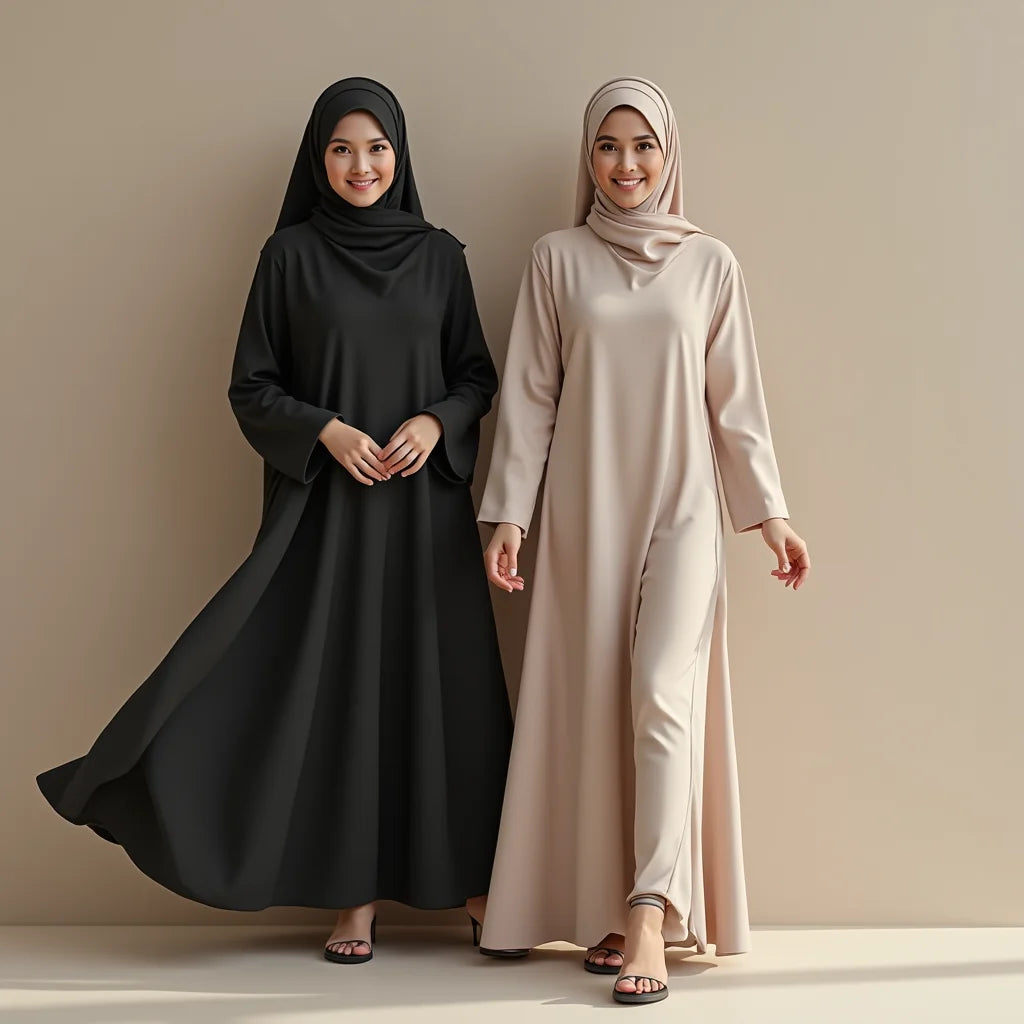
Graceful draping, natural color palette, and traditional design elements in refined thobe styling.
Summary and Recommendations
Selecting comfortable thobes requires evaluating multiple interconnected factors rather than focusing on a single attribute. Fabric composition establishes the foundation for comfort and durability. Natural fiber options such as cotton and linen provide superior breathability and skin compatibility compared to synthetic alternatives. Construction quality determines how well a thobe performs through extended wear and repeated laundering. Proper fit ensures unrestricted movement while maintaining the elegant proportions that define quality design. Color selection influences both versatility and aesthetic appeal across different settings and seasons.
I recommend prioritizing comfort and construction quality over purely aesthetic considerations when selecting thobes. Invest in options from manufacturers with established reputations for craftsmanship and material excellence. Request detailed information about fabric composition, manufacturing processes, and quality assurances. Refined styles combine traditional elegance with contemporary comfort standards to deliver exceptional value. Take time to evaluate fit thoroughly before purchase—comfortable thobes should feel natural on your body without requiring adjustment during wear. Consider building a small collection of quality options in complementary colors for maximum wardrobe versatility. Regular proper care, including gentle washing and appropriate storage, extends the lifespan of quality comfortable thobes considerably.
Frequently Asked Questions
What fabric content provides the most comfortable thobe experience?
Pure cotton fabrics or cotton-linen blends offer the optimal combination of breathability, comfort, and durability for comfortable thobes. Cotton allows excellent air circulation, absorbs moisture effectively, and softens with repeated wear and washing. Linen blends enhance durability and reduce wrinkling while maintaining breathability. Avoid synthetic materials or heavy blends that may cause discomfort during extended wear in warm climates. High-quality options typically feature thread counts above 200 for cotton fabrics, ensuring softness and longevity.
How should comfortable thobes fit properly?
Quality comfortable thobes provide adequate room through the shoulders and torso for unrestricted movement while maintaining clean, elegant lines. Sleeves should end approximately at the wrist without bunching or pulling. The garment length should reach the ankle comfortably without dragging on the ground. The neckline should sit naturally without creating pressure or gaps. When standing with arms at your sides, the thobe should drape evenly and move naturally with your body. Never select a thobe that requires constant adjustment during wear or creates any pressure points.
What maintenance practices preserve comfortable thobes?
Gentle hand washing in cool water preserves fabric quality and extends garment lifespan significantly. Use mild detergents specifically formulated for delicate fabrics and avoid bleach or harsh chemicals. Dry cleaned options may be appropriate for heavily embellished styles, though hand washing proves suitable for most comfortable thobes. Air dry completely before storing to prevent mildew and fabric damage. Store in cool, dry locations away from direct sunlight to prevent color fading. Proper care maintains comfort, appearance, and durability across years of regular use.
Are expensive thobes always better quality?
Price does not always correlate directly with quality. While superior comfortable thobes typically cost more than mass-produced alternatives, high prices may reflect brand reputation rather than construction excellence. Focus evaluation on actual fabric composition, stitching quality, and construction details rather than price alone. Examine samples thoroughly, request detailed product information, and compare options across multiple manufacturers. Some moderately priced options deliver excellent quality through efficient production methods. Investment should be based on demonstrated quality rather than price expectations.
How do climate considerations affect thobe selection?
Warm climates benefit from lighter-weight cotton fabrics and lighter colors that reflect heat effectively. Tropical regions warrant excellent breathability and moisture-wicking properties inherent to natural fibers. Temperate climates allow slightly heavier fabrics and layering options. Cold climates may involve wearing thermal layers beneath comfortable thobes. Humidity levels influence fabric selection—high-humidity environments require superior breathability to prevent moisture accumulation. Consider your specific climate when selecting fabric weight, weave construction, and color to optimize comfort year-round.
What distinguishes traditional styles from contemporary comfortable thobes?
Contemporary comfortable thobes maintain traditional design elements while incorporating modern construction techniques and comfort-focused features. Traditional styles emphasize hand-finished details and artisanal craftsmanship. Modern options integrate advanced fabric treatments, precision tailoring, and innovative construction methods that enhance durability without sacrificing aesthetic appeal. Both approaches can deliver exceptional comfort when properly executed. Contemporary comfortable thobes may offer greater consistency across production, while traditional options showcase individual artisanal qualities. Your preference should reflect personal style priorities and desired balance between tradition and innovation.
Should comfortable thobes include embellishments or remain minimalist?
Minimalist designs offer maximum versatility and complement various accessories and settings effectively. Embellished options provide visual interest and work exceptionally well for formal occasions and social gatherings. The choice depends on your lifestyle, occasions requiring thobe wear, and personal aesthetic preferences. Quality construction remains equally important regardless of embellishment level—embellishments should enhance rather than compromise comfort or durability. Consider building a collection combining minimalist everyday options with embellished choices for special occasions.
How frequently should comfortable thobes be replaced?
Quality comfortable thobes maintain excellent condition for several years with proper care. Most high-quality options provide reliable performance for three to five years of regular wear, with some lasting considerably longer. Replacement timing depends on frequency of wear, care practices, and fabric durability. Monitor for signs of wear such as fading, thinning fabric, or seam separation that indicate replacement needs. Building a small rotation of quality options extends the lifespan of each garment by reducing individual wear frequency.
Are comfortable thobes appropriate for professional environments?
Quality thobes work excellently for professional settings when styled with appropriate accessories and presented with attention to detail. Neutral colors and minimalist designs suit corporate environments particularly well. Ensure that your thobe is impeccably maintained, properly fitted, and paired with complementary accessories. Many professional settings throughout the Middle East and beyond feature thobes as standard business attire. Invest in refined comfortable thobes specifically selected for professional contexts to ensure you feel confident and appropriately dressed.
What accessories complement comfortable thobes effectively?
Simple accessories typically enhance thobe styling without overwhelming the garment's elegant lines. A quality watch, understated jewelry, and appropriate footwear complement thobes effectively. Headwear options vary by culture and personal preference—explore complementary headwear styles that align with your aesthetic and cultural context. Scarves or shawls add sophistication for formal occasions. Avoid overly ornate accessories that compete with the thobe's inherent elegance. The goal involves enhancing rather than distracting from the refined appearance comfortable thobes provide.
Can comfortable thobes transition between seasons?
Quality comfortable thobes work across multiple seasons with thoughtful layering considerations. Lightweight cotton options suit warm seasons perfectly. Slightly heavier fabrics accommodate transitional seasons effectively. For cooler climates, layering with thermal undergarments or light sweaters extends comfortable thobe wearability year-round. Color selection and fabric weight should reflect seasonal preferences while maintaining the essential comfort characteristics that define quality options. Building a small seasonal rotation optimizes comfort across varying climate conditions.
Are custom-made comfortable thobes worth the investment?
Custom options offer significant advantages including perfect fit customization, material selection flexibility, and personalized design details. For individuals with non-standard measurements or specific comfort requirements, custom comfortable thobes provide solutions that mass-produced alternatives cannot deliver. Custom options typically cost more but ensure exceptional satisfaction through perfect alignment with individual preferences. Invest in custom options when standard sizing proves unsatisfactory or when you have specific design requirements. Quality craftspeople create custom garments that deliver years of reliable service and comfort.
How do comfortable thobes compare to other traditional garments?
Thobes offer distinct advantages including versatility across multiple settings, comfort for extended wear, and alignment with cultural traditions. Unlike some traditional garments, quality comfortable thobes accommodate modern lifestyles while maintaining cultural significance. The straight-cut design provides exceptional comfort and movement compared to fitted alternatives. Comfortable thobes suit various body types effectively without requiring extensive alterations. Their timeless appeal ensures that quality investments remain relevant across decades rather than following temporary fashion trends.
What quality indicators should inform purchasing decisions?
Examine fabric quality through touch and visual inspection—quality materials feel soft, smooth, and substantial. Inspect seams for consistency and security—all stitching should be straight with appropriate stitch length. Evaluate button attachment and placket construction for signs of quality workmanship. Check collar shape and stability—quality collars maintain their form without curling or warping. Review hem construction—quality hems appear invisible from viewing distance. Assess overall garment weight and drape—quality comfortable thobes feel substantial and move elegantly. Request detailed product information including fabric composition, thread count, and manufacturing details. These indicators collectively demonstrate quality commitment.
Should comfortable thobes include pockets?
Functional pockets enhance practicality for daily wear without compromising thobe aesthetics. Quality construction ensures pockets integrate seamlessly into the garment design rather than creating visible bulk. Pocket placement should maintain the elegant silhouette while providing functional storage. Many traditional comfortable thobes include subtle pockets positioned at side seams. Consider your daily needs when evaluating pocket functionality—professional or formal options may minimize visible pockets while casual comfortable thobes benefit from practical storage solutions.
How important is color fastness in comfortable thobes?
Color fastness directly impacts garment appearance and longevity. Quality comfortable thobes maintain color integrity through repeated washing and extended sun exposure. Poor color fastness results in fading that diminishes visual appeal and may cause color bleeding that damages other garments. Manufacturers should provide information regarding color fastness standards met during production. Request color-fastness test results when available. Light-colored comfortable thobes naturally show color variations more readily than darker options. Proper care including cold-water washing extends color longevity significantly.
Are comfortable thobes environmentally sustainable choices?
Natural fiber comfortable thobes present superior environmental sustainability compared to synthetic alternatives. Cotton and linen degrade naturally at garment end-of-life rather than persisting as microplastic pollution. Organic cotton options eliminate pesticide use and reduce environmental impact further. Quality construction that ensures extended lifespan reduces overall consumption requirements. Supporting manufacturers committed to sustainable practices amplifies environmental benefits. Consider environmental impact alongside comfort and quality when selecting comfortable thobes—sustainability and excellence often align effectively.
How do body shape considerations affect thobe selection?
Quality comfortable thobes accommodate various body types effectively through their straight-cut design. Unlike fitted garments, thobes do not emphasize or draw attention to specific body areas. The loose, flowing silhouette provides comfortable coverage for all body shapes and proportions. Proper fit remains essential regardless of body type—accurate measurement ensures the thobe drapes evenly and accommodates natural body contours. Avoid overly loose options that create excessive bulk, and prevent undersized selections that restrict movement. Quality comfortable thobes celebrate diverse body types rather than conforming to specific body standards.
What role do traditional craftspeople play in quality thobe production?
Skilled craftspeople bring generations of knowledge and refined techniques to thobe production. Hand-finished details and artisanal construction methods create comfort and durability that factory production sometimes cannot match. Supporting traditional craftspeople preserves cultural heritage while often ensuring superior quality. Artisanal comfortable thobes showcase individual character while maintaining consistent quality standards. Many consumers value the personal touch and cultural significance associated with traditional production methods. Consider supporting craftspeople directly when prioritizing cultural authenticity and quality assurance.
How does humidity affect comfortable thobe performance?
Humid climates demand superior breathability and moisture-wicking properties inherent to natural fiber comfortable thobes. Cotton fabrics excel in humid conditions through exceptional moisture absorption and air circulation. Avoid heavy blends or synthetic materials that trap humidity against your skin. Lightweight, loosely-woven fabrics provide maximum ventilation in high-humidity environments. Proper garment care including frequent gentle washing removes moisture accumulation that promotes odor development. Comfortable thobes designed specifically for humid climates prioritize breathability above all other considerations.
Are comfortable thobes appropriate for all ages?
Quality comfortable thobes work effectively across all age groups when appropriately sized and styled. Children benefit from comfortable thobes designed with durable fabrics and practical features including reinforced seams. Young adults appreciate contemporary styling that balances tradition with modern aesthetics. Middle-aged and older individuals value the comfort and versatility comfortable thobes provide for various occasions. Size ranges accommodating different age groups ensure that quality options remain accessible across the lifespan. Select size and style appropriately for individual age and preference rather than assuming one approach suits all demographics.
What distinguishes hand-stitched from machine-stitched comfortable thobes?
Hand-stitched comfortable thobes showcase artisanal craftsmanship with individual character and refined details. Machine-stitched options provide consistency and precision that manual production cannot consistently match at scale. Quality hand-stitching creates durable seams with slight variations that enhance character without compromising function. Modern manufacturing combines machine precision for primary construction with selective hand-finishing for enhanced details. Both approaches can deliver exceptional quality when executed properly. Personal preference regarding artisanal versus industrial production methods should guide selection.
How should comfortable thobes be packed for travel?
Roll comfortable thobes rather than folding them to minimize wrinkling during transport. Use acid-free tissue paper to preserve fabric quality and prevent moisture damage. Pack garments in breathable storage bags that allow air circulation without trapping humidity. Avoid plastic bags that create moisture accumulation. Consider traveling with lightweight options that minimize luggage weight while maintaining comfort. Upon arrival, hang comfortable thobes immediately to release wrinkles acquired during travel. Proper packing and storage ensures garments arrive in excellent condition ready for wear.
What terminology describes different thobe styles?
Dishdasha, kandura, and gallabiyya represent regional variations with different style characteristics. Emirati and Gulf styles feature specific cut and embellishment conventions. Levantine styles emphasize different proportions and construction approaches. Saudi and Egyptian versions showcase distinct aesthetic preferences. Understanding these regional distinctions helps identify comfortable thobes aligned with specific cultural traditions or personal preferences. Regional styles may differ significantly in fit, length, sleeve construction, and embellishment approaches. Explore regional variations to identify styles that appeal to your aesthetic preferences and cultural connections.
About the Author
Sulieman Alhazma
Sulieman Alhazma brings extensive expertise in traditional garment construction, textile quality assessment, and cultural fashion history. With years of dedicated experience studying comfortable thobes and traditional Middle Eastern clothing, Sulieman provides evidence-based guidance for selecting and maintaining quality garments. His commitment to preserving cultural textile traditions while advocating for modern comfort standards informs all recommendations. Sulieman believes that exceptional comfortable thobes represent the perfect intersection of cultural heritage and contemporary quality standards, and he remains passionate about helping others discover garments that honor both traditions and personal comfort needs. Connect with Sulieman to explore more insights about traditional textiles and contemporary fashion excellence.