

Updated on: 2026-05-07
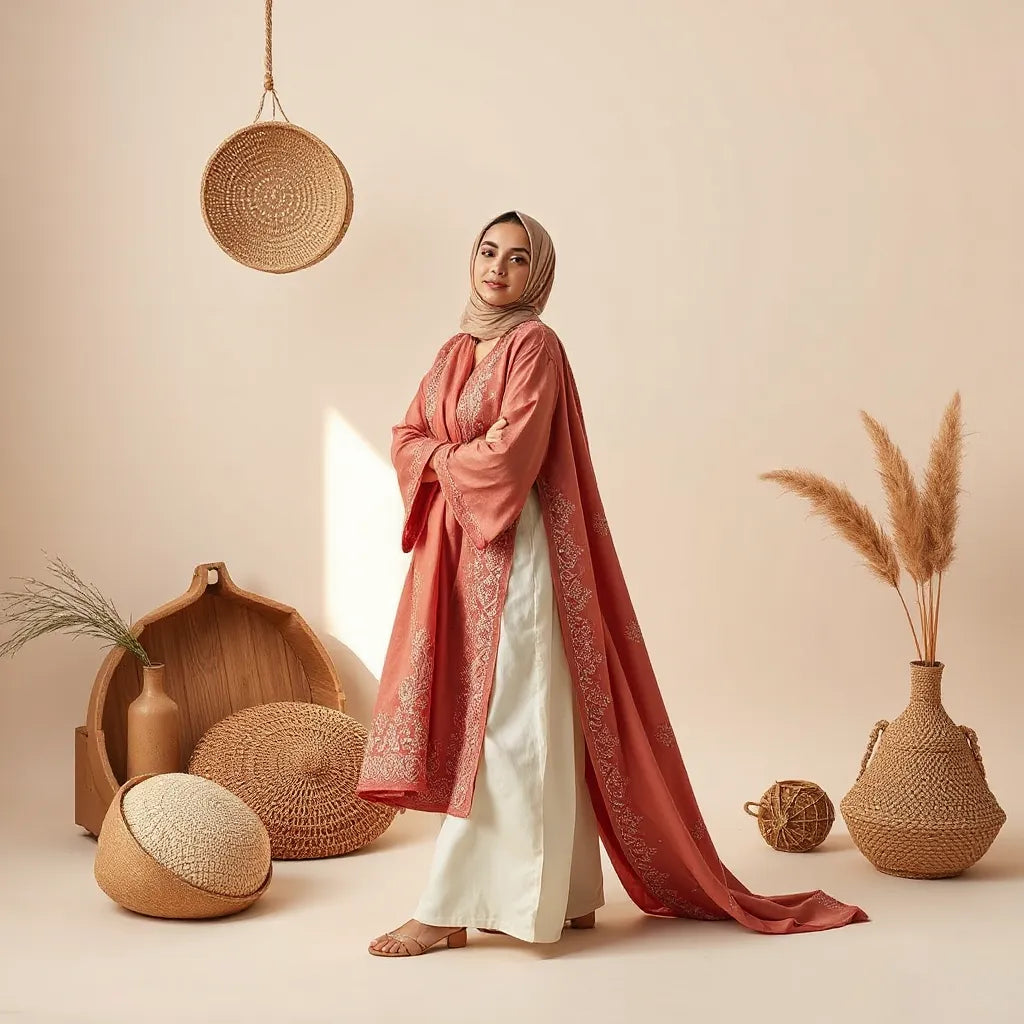
Lightweight Breathable Scarves support comfort in warm weather and during active daily routines. They help reduce trapped heat while still providing coverage and a neat silhouette. Choosing the right fabric weight, weave, and styling method improves drape and prevents slipping. This guide explains common fit and maintenance challenges and offers practical recommendations.
Common Challenges
Many people want Lightweight Breathable Scarves for daily wear, travel, and longer outings. However, a few predictable issues can reduce comfort even when the fabric is intended to feel light. The good news is that each challenge has clear solutions, from fabric selection to base-layer planning and care habits.
Challenge 1: Heat buildup and moisture retention
Even breathable textiles can feel warm if the weave is too dense or if the scarf layers against a fabric that does not manage moisture. To improve airflow, select a scarf with a light fabric structure and pair it with an inner layer that supports breathability. This pairing reduces sweat feel and helps the scarf sit more naturally across the hair and neck area.
Challenge 2: Slipping, shifting, or uneven coverage
A lightweight scarf can move more easily than heavier materials, especially when there is wind or frequent head movement. The simplest solution is to use a base that stabilizes the scarf shape. A well-fitted underscarf or inner cap can also reduce friction at the hairline. If you prefer a clean finish, choose a scarf style that allows secure pin placement without pulling the fabric tight.
Consider using supportive base options such as underscarf-bonnet-cotton-seam or cotton inner hijab, depending on your comfort preference.
Challenge 3: Wrinkling and loss of drape after washing
Light fabrics can crease more easily. If you do not press or steam properly, the scarf may look flat and less fluid. Use gentle washing methods and allow air drying until nearly dry, then reshape while damp. Steam or light pressing from a safe distance helps restore a smooth fall.

Airflow flow lines, layered fabrics, and a stable fit shape
Challenge 4: Static cling and fabric friction
Static can occur when fabric blends retain charge, especially in dry conditions. Static often increases when a scarf rubs against a synthetic underlayer or when the scarf is dry and not conditioned during care. Use anti-static habits such as proper humidity in your environment and careful fabric coordination. Also, avoid over-drying; slightly damp finishing reduces friction.
How Lightweight and Breathable Work
Breathability depends on fabric structure, not only on how thin the scarf appears. A Lightweight Breathable Scarves style often uses open weave patterns, fine fibers, or fabric constructions that allow air exchange. When air moves through the textile, the body heat dissipates more effectively. This effect is especially valuable when you are wearing modest layers for longer periods.
Lightness also supports comfort because it reduces weight on the shoulders and decreases strain on pins or fastening points. However, light weight must still provide enough body for coverage. The best scarves balance softness with structure so that the drape looks intentional rather than limp.
Key fabric cues to look for
- Fine fiber feel: Look for scarves that feel smooth and light to the touch.
- Visible openness: Open or semi-open weave structures typically support airflow.
- Natural or performance blends: Fiber choice affects how the scarf handles moisture and friction.
- Consistent drape: The fabric should fall in a controlled way after basic reshaping.
For users who also prefer silk-like drape and refined styling, consider lighter chiffon options. For example, soft flow chiffon hijab can be used to understand how airflow-friendly textiles behave when styled with a secure base.
Selection Checklist
To choose the right scarf for comfort, use a practical checklist. This approach reduces trial-and-error and improves the odds that the scarf will fit your routine, climate, and preferred styling method.
1. Determine your climate and activity level
If you spend time outdoors or travel, prioritize airflow and quick reshaping. If you mostly wear scarves indoors, you may prioritize softness, appearance, and ease of layering.
2. Verify fabric weight and drape potential
A scarf can be light but still not drape well if the material is too stiff. Look for a fabric that folds neatly, then releases into a flattering shape. In practice, this means the scarf should not look stretched or overly thin in a way that reduces coverage confidence.
3. Match the scarf to your inner layer strategy
Your comfort depends on the interaction between the scarf and the base layer. Many wearers prefer a breathable underscarf so the outer scarf can move freely without friction. If you enjoy a smoother underlayer, cotton inner options can reduce irritation.
Common pairing decisions include:
- For more stability, choose an inner cap or underscarf and then drape the outer scarf with minimal tension.
- For a softer feel, choose a flexible base and allow the scarf to slide gently into place.
- For a cleaner neckline, align scarf seams and use fewer pins, placed strategically.
4. Evaluate color and pattern for real-world wear
Light fabrics show texture variations clearly. If you wear scarves daily, select colors that blend well with your wardrobe and do not show minor wrinkles. Patterns can also help hide small creases, but the fabric must still provide comfortable airflow.

Checklist icons for air flow, fit stability, and care steps
5. Care requirements that fit your routine
Light scarves require consistent handling. If you do not have time for steaming, choose a fabric that reshapes well while air drying. If you prefer machine washing, ensure the recommended care method suits your schedule and preserves the scarf drape.
Styling Techniques That Improve Comfort
Even the best fabric can feel less comfortable with an inefficient wrap. Lightweight Breathable Scarves benefit from styling methods that reduce pin tension, control airflow gaps, and maintain a neat silhouette without pulling the fabric tight.
Technique 1: Build a stable base, then relax the outer layer
Start with a fitted base and then drape the scarf so it falls naturally. Place pins where the scarf needs structure, usually near the sides or along the neckline. Avoid excessive tension at the crown, because tension can create heat pockets and fabric friction.
Technique 2: Use edge alignment for better coverage
Align the scarf edges so the fabric layers sit evenly. Uneven layers can flutter, which increases motion and can cause shifting during the day. Smooth the layers with your hands before finalizing the fastening points.
Technique 3: Create an air channel at the neck
In hot conditions, consider leaving a small, natural space at the collar area. This spacing can improve comfort without reducing coverage. The concept is to avoid pressing all layers tightly against the skin.
Technique 4: Choose a scarf size that supports your preferred look
Some wearers want full drape for modest volume, while others prefer a closer fit for minimal bulk. A scarf that is too small can require excess tension. A scarf that is too large may create unnecessary folds that trap warmth.
Natural accessory pairing
If you enjoy coordinated modest outfits, a scarf that matches the fabric mood of your clothing can make styling easier. For example, a premium fabric like chiffon often pairs well with structured modest wear because it offers movement without bulk.
To demonstrate how fabric identity affects styling, consider this featured product within a lighter styling framework:
Botanical Heritage – Digital Chiffon Collection

View Botanical Heritage – Digital Chiffon Collection
For an additional styling option, explore premium soft chiffon hijab to compare how different chiffon weights and falls influence wrap comfort.
As a seasonal planning idea, some shoppers also consider fabric bundles across the year. For a broader perspective on how communities approach fashion staples, you may also review Tigris.
Comparison Section
The right choice depends on climate, styling preference, and how you want the fabric to behave. Below is a practical comparison of common scarf families and how they usually feel in daily wear.
| Fabric approach | Pros | Cons |
|---|---|---|
| Chiffon-style light fabrics | Soft drape, gentle movement, often suitable for warm conditions | May require a stable base to reduce shifting |
| Cotton-based lightweight styles | Breathable feel, easy daily wear, usually comfortable against the skin | Can wrinkle more visibly and may need reshaping |
| Blended performance fabrics | Often maintain shape and resist excessive wrinkling | Breathability depends heavily on the specific blend and weave |
| Lycra-enhanced wraps | Can improve fit retention and reduce slipping | Requires careful pairing to avoid friction and static |
If you want a more fitted feel for secure daily wear, you may also review lycra alamera hijab as a reference point for how elastane can influence stability.
Summary & Recommendations
Lightweight Breathable Scarves are designed to support comfort through airflow, soft movement, and reduced visual bulk. For best results, choose a scarf with an appropriate weave and drape, then pair it with a stable inner layer that reduces slipping and friction. When styling, keep tension low and focus on strategic pin placement, edge alignment, and a small natural space at the neck.
As you refine your selection, prioritize care compatibility. A scarf that reshapes well and dries without stiffness will remain a reliable staple. For a broader wardrobe strategy, consider how each base layer affects outer scarf behavior, and rotate your scarves to preserve fiber quality.
If you seek a coordinated modest wardrobe foundation, you can also explore headwear options such as syrian style open bonnet or syrian style closed bonnet to improve long-wear stability.
Q&A Section
How do I know if a scarf will feel breathable when I am not in warm weather?
Assess the fabric structure and finishing. Light fabrics with open weave behavior, a soft drape, and minimal stiffness typically provide better airflow. Also consider how the scarf interacts with an inner layer, because comfort often improves when the underlayer manages friction and moisture.
What is the best inner layer for preventing slipping with Lightweight Breathable Scarves?
A fitted underscarf or inner cap is usually the most effective choice. The base should hold the scarf at the hairline and sides so the outer fabric can move gently without shifting. For many wearers, cotton inner options offer a comfortable balance, while structured bonnets add additional stability.
How should I wash and dry light chiffon or similar scarves to protect drape?
Use a gentle wash method and avoid harsh spinning. Air dry when possible, and reshape the scarf while it is slightly damp. Steam from a safe distance or use light pressing if the care instructions permit it. This habit helps restore a clean fall and reduces permanent creasing.
Can lightweight scarves still look polished for formal events?
Yes. Choose a scarf that falls in a consistent drape and use a stable base to maintain structure. Style with balanced layers, align edges neatly, and use minimal pin placement for a smooth neckline. A refined color palette and a fabric with consistent texture also support a polished appearance.
About the Author
Sulieman Alhazma is a modest fashion specialist focused on scarf styling, fabric behavior, and long-wear comfort. With hands-on experience in curated modest wear and artisan-driven craftsmanship, Sulieman supports practical wardrobe decisions that respect both appearance and functionality. This perspective reflects a family-oriented approach to dressing. Thank you for reading, and may your daily styling feel confident and comfortable.
The content in this blog post is intended for general information purposes only. It should not be considered as professional, medical, or legal advice. For specific guidance related to your situation, please consult a qualified professional. The store does not assume responsibility for any decisions made based on this information.