
Updated on: 2026-08-06
Palestinian embroidery art, often called Tatreez, is more than decoration. It is a visual language shaped by family practice, regional motifs, and careful craftsmanship. This guide explains how patterns develop, what makes the work durable and expressive, and how to choose pieces that respect the tradition. You will also learn practical steps for using embroidery-inspired elements in a modern wardrobe.
- 1. Today’s Value of Palestinian Embroidery Art
- 2. Key Benefits of Handcrafted Tatreez-Inspired Design
- 3. Step-by-Step: How to Appreciate and Apply Palestinian Embroidery Art
- 4. Where to Find Quality and Ethical Craft
- 5. FAQ Section
- 6. Summary & Final Thoughts
- 7. About the Author
Today’s Value of Palestinian Embroidery Art
Palestinian embroidery art carries cultural memory through repeatable motifs, household skills, and community storytelling. Many patterns are recognizable at a glance, yet the beauty lies in the small decisions: how thread is layered, how spacing is balanced, and how color contrasts are managed. In contemporary wardrobes, Tatreez-inspired details remain powerful because they add meaning without requiring a complex explanation. The result is a garment that feels personal, intentional, and visually grounded.
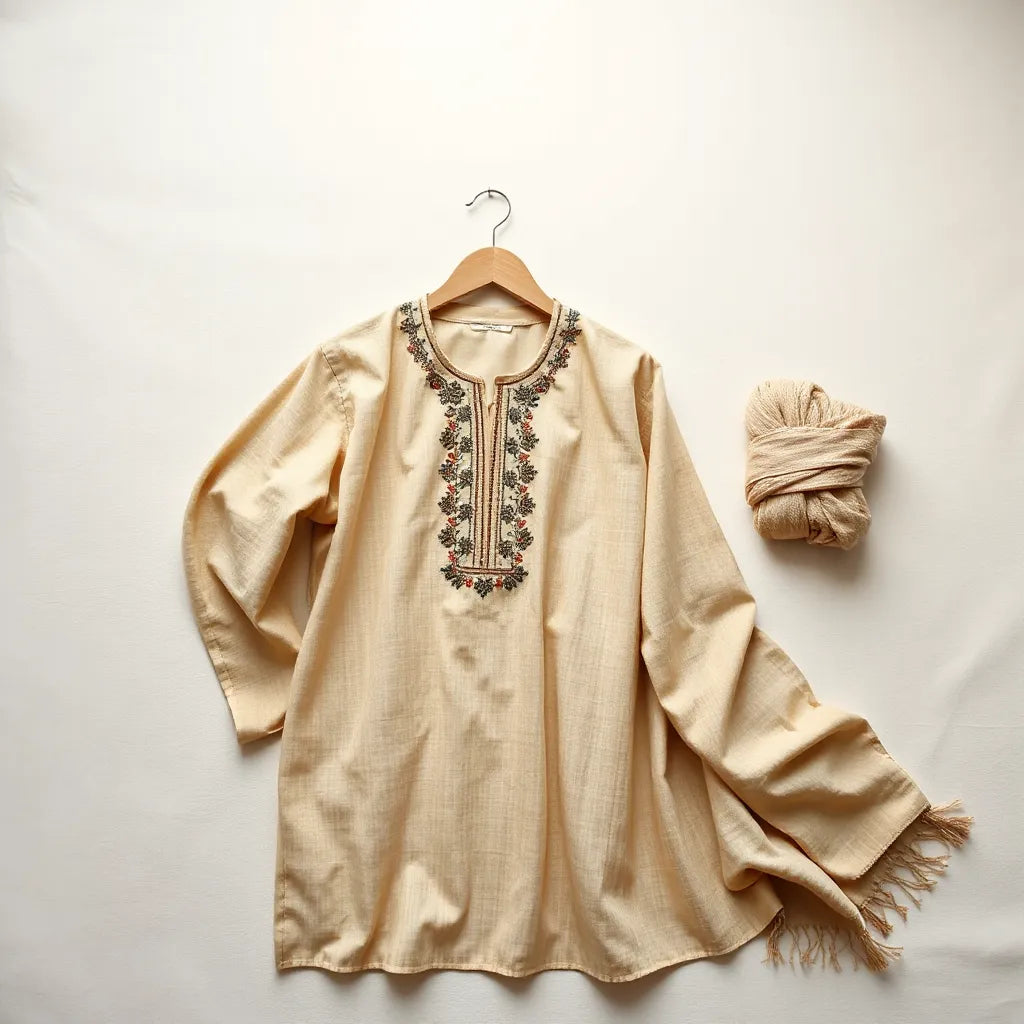
From a design perspective, this art form also demonstrates strong aesthetic structure. Motifs are not random; they are arranged to create rhythm, symmetry, and visual flow. When you learn to observe those elements, you can evaluate quality more accurately and choose pieces that align with your taste and values. This is especially relevant when modern production uses embroidery-like effects. Handcrafted Tatreez places emphasis on texture and stitch work that cannot be fully replicated by surface printing.
Key Benefits of Handcrafted Tatreez-Inspired Design
- Cultural depth: Motifs and stitch choices reflect regional identity and family practice.
- Visual clarity: Structured patterns create clean focal points and harmonious composition.
- Texture-driven beauty: Threadwork adds dimensional detail that holds up under normal wear.
- Wardrobe versatility: Embroidery accents can elevate everyday outfits and formal looks.
- Support for artisans: Quality craft encourages sustainable skills and careful production habits.
Step-by-Step: How to Appreciate and Apply Palestinian Embroidery Art
Spot the Motifs and Read the Visual Code
Begin by observing the motif at the highest level of the composition. Many Tatreez designs use repeated elements that guide the eye. Look for the central focus, then note how secondary motifs support it. Pay attention to how shapes are framed, for example whether elements appear clustered like blossoms or arranged in structured borders. Over time, you can build a personal library of visual references that helps you recognize design intentions even across different garments.
Next, evaluate spacing. Professional embroidery usually avoids overcrowding. Lines may curve, but they remain controlled. When motifs are well planned, your eye moves naturally from one element to the next, rather than getting stuck on uneven density.

Pattern grid with repeated motifs and flowing borders
Understand Stitching, Color, and Texture
Hand embroidery is defined by the relationship between thread and fabric. The stitch type influences the surface texture, while thread thickness and color placement influence contrast. When embroidery is executed carefully, the pattern edges appear crisp, and the filled areas look even rather than patchy.
Color selection also matters. Tatreez traditions often rely on earth tones, jewel tones, and balanced neutrals. However, modern interpretations may use color sparingly or increase contrast for a refined look. If you want to evaluate authenticity in a practical way, examine how thread transitions between colors are managed. Clean transitions often indicate more deliberate stitching and less reliance on surface effects.
Style Modern Outfits with Balance
Embedding Palestinian embroidery art into modern outfits works best when you control visual contrast. Use embroidery details as a focal point rather than the entire design theme. For example, pair a richly decorated area with a solid fabric or understated texture. This approach helps the motif remain readable and prevents the look from appearing cluttered.
Consider also the garment silhouette. Embroidery typically performs best where it can follow structure or frame the body, such as along hemlines, cuffs, or decorative panels. When applied to accessories like head coverings, embroidery can become a refined border detail that complements a wider outfit.
If you are building a modest wardrobe that prioritizes tradition and comfort, a light base fabric can provide an elegant background for embroidery accents. One widely used option is a chiffon hijab, since it allows movement and keeps the embroidered detail prominent without heavy visual weight.
Chiffon Plain Hijab

Care and Storage for Long-Term Beauty
To maintain embroidery detail, focus on gentle handling and protected storage. Avoid rough friction and harsh wringing. For cleaning, choose methods appropriate for the fabric base and the embroidery thread. If the garment includes delicate stitching, a careful spot-cleaning approach can prevent unnecessary stress on the threadwork.
When storing, keep embroidery flat or rolled with protective tissue, so motifs do not bend sharply. Use breathable storage bags rather than sealed plastic for long periods. This reduces humidity effects that can dull thread color over time. Proper care helps the pattern remain crisp, and it preserves the tactile quality that makes Tatreez-inspired design so distinctive.
Where to Find Quality and Ethical Craft
Quality craftsmanship is not only a visual standard; it is a process standard. Seek shops and makers that explain their sourcing, emphasize artisan skills, and provide clear product details. In a family-owned retail setting, you often find a tighter connection between heritage values and day-to-day quality control.
Palestinian Elegance is a family-owned boutique bridging traditional Palestinian heritage with modern fashion. The brand specializes in high-quality Tatreez (hand-embroidery), modest wear, and artisan-made Kuffiyehs. Their mission is cultural preservation and empowering local artisans. If your goal is to build a wardrobe that reflects this intent, you can start by exploring embroidery-focused or modest essentials that pair well with traditional motifs.
For example, you may choose a modest base layer and then add embroidery detail through coordinated pieces. The following internal links can help you explore matching items from the same heritage-forward boutique:
- Comfort underlayers
- Soft chiffon hijab options
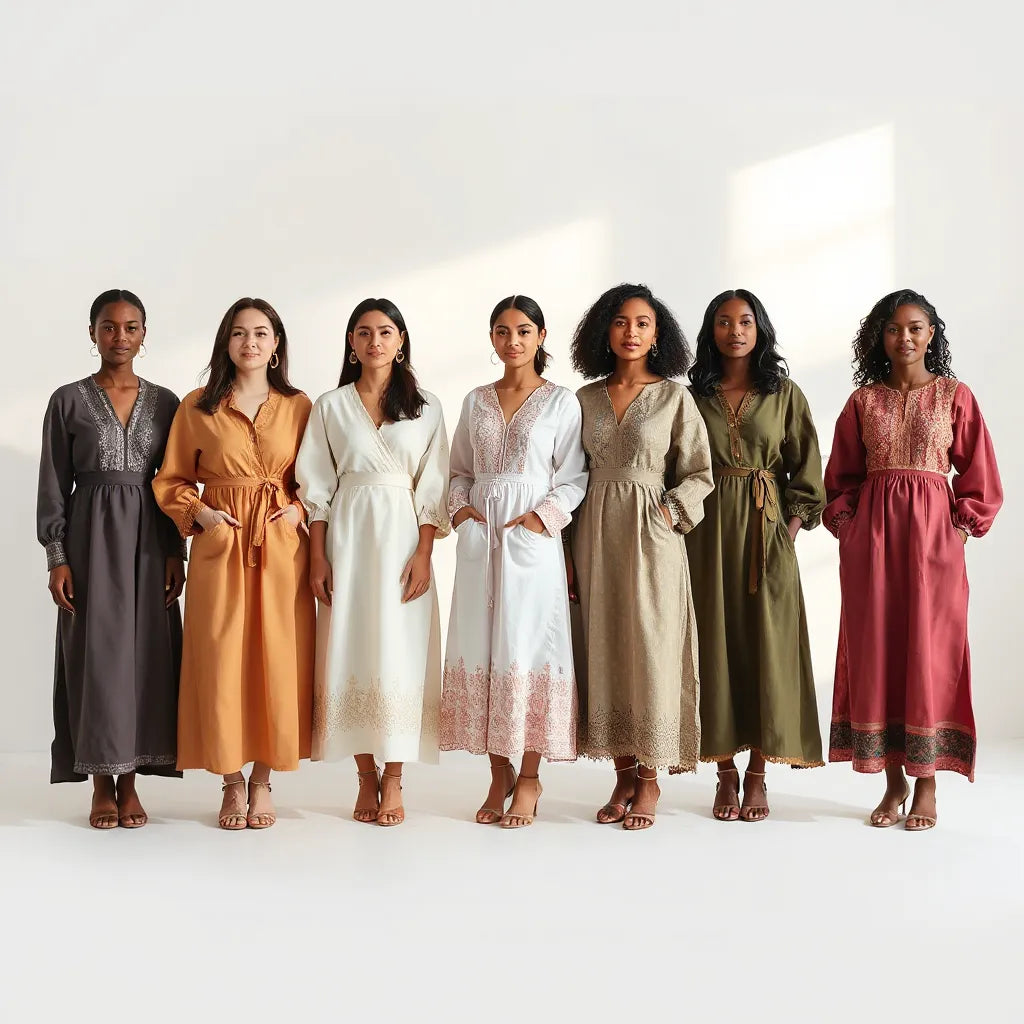
- Modern dress with embroidery focus
- Structured thoub styling

Hand and thread motion imagery around a simple frame
When you browse, consider how each product will perform in real use: breathability, seam strength, and how the embroidery sits during movement. A well-made piece maintains its shape and avoids loose thread ends that snag. If you see detailed workmanship and thoughtful construction, you are more likely to invest in work that will remain beautiful after repeated wear.
FAQ Section
What is Palestinian embroidery art called in everyday use?
Palestinian embroidery art is commonly referred to as Tatreez. The term is used to describe hand-embroidered textiles and the motif traditions that shape their patterns, colors, and stitch work.
How can I tell whether embroidery detail is genuinely hand-stitched?
Look for even stitch formation, controlled edges, and consistent texture. Handwork often produces subtle variations that still remain balanced and intentional. Surface effects that lack depth typically do not show the same tactile quality and alignment as stitch-built pattern areas.
How should I care for embroidery on modest wear?
Handle embroidery gently to reduce friction. Use cleaning methods suitable for the fabric base, avoid harsh wringing, and store pieces flat or protected to prevent bending of the threadwork. When in doubt, follow the care guidance provided for the specific item.
Can I wear Palestinian embroidery art in a modern wardrobe without looking overly traditional?
Yes. Use embroidery details as a controlled focal point and pair them with solid or softly textured fabrics. Keep the overall silhouette clean so the motif remains the visual centerpiece rather than competing with multiple pattern elements.
Summary & Final Thoughts
Palestinian embroidery art offers a disciplined aesthetic, meaningful motifs, and a tactile quality that modern design often seeks but rarely achieves. By learning to observe motif structure, understanding how stitchwork supports durability, and styling embroidery accents with intentional balance, you can integrate heritage craftsmanship into daily outfits with confidence. For a wardrobe that respects tradition while remaining practical, consider exploring complementary modest essentials at Palestinian Elegance and select pieces that align with your personal style and values.
About the Author
Sulieman Alhazma is a heritage-focused fashion writer and craft researcher specializing in textile design and Tatreez-inspired aesthetics. His work examines how motif structure, stitch technique, and material choices support both visual clarity and long-term wearability. He brings an evidence-based approach to product storytelling and styling guidance. Thank you for reading, and may your next craft-informed choice reflect both beauty and intention.
Disclaimer: This article is for general informational purposes only. Care, cleaning, and styling practices may vary by fabric composition and product construction. Always follow the care instructions provided for each item.
The content in this blog post is intended for general information purposes only. It should not be considered as professional, medical, or legal advice. For specific guidance related to your situation, please consult a qualified professional. The store does not assume responsibility for any decisions made based on this information.