

Updated on: 2026-06-11
Palestinian heritage fashion preserves memory through craft, pattern, and everyday styling. It connects modern modest wardrobes with the visual language of Tatreez embroidery, woven textiles, and thoughtfully made garments. In this guide, you will learn common myths, practical ways to care for pieces, and how to choose materials that feel comfortable while staying true to tradition. You will also find styling ideas that work for daily wear and special occasions.
Palestinian heritage fashion is more than an aesthetic. It is a living archive of motif, technique, and community knowledge. When you dress with this heritage in mind, you are not only choosing clothing that looks intentional; you are also supporting artisan craftsmanship and keeping cultural details visible in modern life. This article offers a clear, practical framework for understanding what makes these designs distinctive, how to style them with confidence, and how to select garments that respect both tradition and comfort.
Myths vs. Facts
Myth: Palestinian heritage fashion is only traditional and not suitable for everyday wear.
Fact: Many pieces can be styled as refined modest wear, especially when embroidery accents are balanced with solid tones and comfortable construction.
Myth: All heritage clothing looks the same across regions.
Fact: Motifs, color pairing, and textile choices often vary by locality and by the craft traditions behind the work.
Myth: Heritage fashion always feels heavy or difficult to move in.
Fact: Quality design can prioritize drape, breathability, and fit. The right fabric and lining decisions improve daily comfort.
Myth: You cannot incorporate heritage details into modern wardrobes.
Fact: Heritage details can act as focal points. Pair them with modern silhouettes, neutral bases, and practical layering.
Personal Experience
During a family gathering, I noticed how one simple detail changed the entire mood of a look. A garment with Tatreez inspired embroidery became the center of conversation, not because it was loud, but because it carried meaning. The embroidery stood out with measured elegance, and the wearer used calm styling to let the craft speak. That moment shaped how I view Palestinian heritage fashion: it is an approach to dressing that honors the hand behind the work and respects the person wearing it.

Motif patterns, hands-on craft, and calm styling
What Makes It Palestinian
To understand Palestinian heritage fashion, it helps to look beyond the label and focus on design cues. Authentic heritage fashion often communicates identity through repeated motif language, disciplined color balance, and textile choices that reflect long-standing practices. Even when designs are adapted for modern modest wardrobes, the visual grammar remains recognizable: small details show care, and the overall look feels cohesive rather than random.
In a practical sense, Palestinian heritage fashion frequently emphasizes:
Recognizable motif structure: Patterns appear with intentional placement, not only decoration.
Craft-led finishing: Hand-embroidery aesthetics and careful detailing are central to the final silhouette.
Comfort-forward construction: Modesty is paired with mobility, using drape, soft linings, and thoughtful seams.
Purposeful styling: The design encourages layering and balance rather than overcomplication.
Key Elements of Design and Craft
Heritage fashion becomes memorable when the viewer can sense the craft. The following elements often define Palestinian heritage fashion in a way that is both visual and cultural.
Tatreez embroidery as a signature
Tatreez is widely associated with heritage Palestinian craft. In modern clothing, embroidery can appear as panel accents, border details, or structured motifs that frame the neckline and sleeves. The best results come from precise thread placement and clean finishing, which helps embroidery look crisp rather than crowded.
Textile choices that feel right
Fabric selection shapes both comfort and longevity. For modest outfits, textiles that drape well and allow everyday movement are often preferred. A smooth inner layer can also reduce friction and improve the feel of headscarves and everyday styling.
For example, many shoppers seek quality chiffon options for a soft, graceful outer look. When matched with supportive inner pieces, the full styling becomes cohesive and practical. If you want a clean base layer for headscarf styling, consider an inner cotton hijab designed for comfort and coverage.
Headscarf styling as an art form
Headscarves are a major part of modest wardrobes. Heritage-inspired styling can be subtle and still feel distinct. A scarf can carry motif presence through color pairing, border lines, and the way fabric falls around the face.
When people choose a heritage-inspired headscarf, they often also consider how to keep it secure without losing softness. That is where structured accessories and supportive layers matter. For a secure and comfortable foundation, some shoppers explore cotton undercap options that help stabilize drape for daily use.

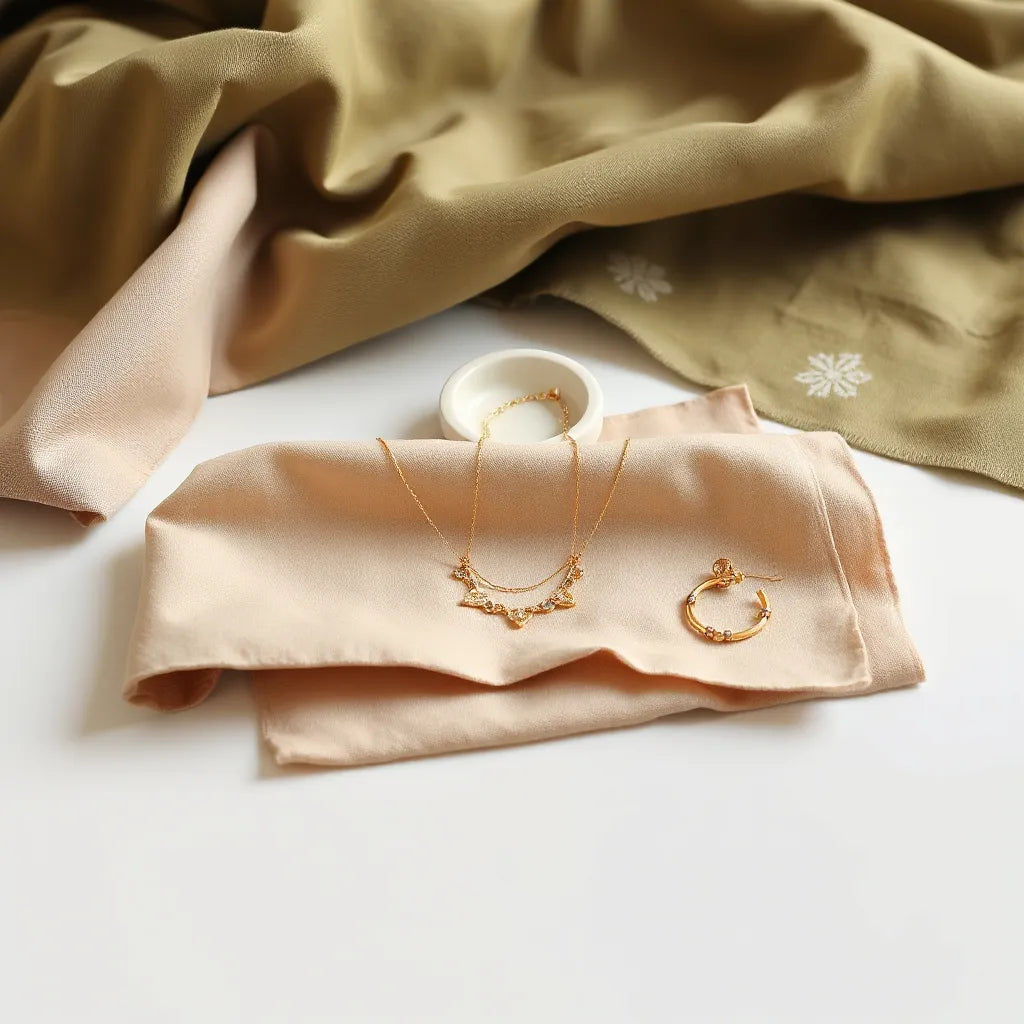
Color palette, layered fabrics, and motif placement
How to Style Day to Day
Styling Palestinian heritage fashion is not about wearing everything at once. It is about creating a balanced focal point. If your garment includes embroidery, keep the rest of your look calm and let the motif lead.
Start with a neutral base
A neutral foundation helps heritage details stand out. Consider solid tones such as cream, olive, deep green, or charcoal. Then add one crafted element: embroidery on a thobe, a heritage-inspired headscarf pattern, or a structured modest dress silhouette.
Use one focal point rule
For most daily outfits, one clear focal point is enough. If the garment has embroidery along the front, choose a headscarf with complementary colors rather than competing patterns. If the headscarf is the visual centerpiece, keep dress detailing minimal.
Layer for proportions
Layering can improve proportion and comfort. A lightweight inner layer supports coverage and helps the outer fabric sit cleanly. For headscarf styling, consider pairing a modest under layer with a smooth outer drape. This approach helps the look stay polished throughout the day.
Heritage-inspired outerwear
Some shoppers prefer a single outer garment that carries the heritage tone with effortless elegance. When selecting a thobe or abaya-inspired silhouette, look for balanced seam placement and a neckline that respects modest styling. For a heritage-focused option designed for special occasions, you may explore an embroidered thobe as a source of inspiration for color and detailing choices.
Caring and Choosing Quality
Heritage fashion lasts longer when you treat it with care and when you choose garments with thoughtful construction. The goal is not only to maintain appearance, but also to protect the craft details that make the design meaningful.
How to preserve embroidery
Embroidery can be sensitive to harsh agitation and rough handling. When cleaning, follow the garment care guidance provided by the manufacturer. If you are unsure, choose gentle cleaning methods and avoid high heat on embroidered areas. Proper storage also matters. Use breathable garment covers, and do not compress embroidered pieces tightly for extended periods.
Headscarf maintenance
For headscarves, the right routine helps the fabric keep its drape. Some fabrics benefit from careful drying practices that prevent stiffness. When ironing is needed, use appropriate temperature settings and protect delicate embroidery or printed areas. Also, allow scarves to air out between wears when possible.
Fit and fabric as quality anchors
When shopping for heritage fashion, evaluate the garment as a system. A beautiful exterior cannot compensate for poor fit or uncomfortable linings. Look for clean seamwork, stable closures, and fabric that moves naturally with the body. For layered headscarf styling, a supportive under layer can make the difference between a look that stays neat and one that shifts throughout the day.
If you want a modern, elegant silhouette for daily modest wear that pairs well with heritage accents, consider options like a structured abaya style. Such pieces often serve as a calm base that lets embroidery and color storytelling remain the focus.
Avoid fading and misalignment
Color is part of heritage identity. To reduce fading, keep garments away from direct, prolonged sunlight. If your wardrobe includes embroidered borders or printed headscarves, ensure that pieces are stored flat or gently folded in a way that prevents stretching. This care supports both appearance and craftsmanship.
Final Thoughts & Takeaways
Palestinian heritage fashion offers a measured way to express identity through craft, pattern, and modern modest styling. The most meaningful looks come from intentional choices: one focal point, balanced color, and comfortable construction. By selecting quality textiles, caring for embroidery properly, and using supportive layering for headscarves, you keep the heritage aesthetic fresh and wearable.
If you want to build a wardrobe that honors the artistry behind each piece, start with a strong base and add crafted accents gradually. Over time, your style becomes not only elegant, but also deeply personal.
Q&A Section
How can I incorporate Palestinian heritage fashion into everyday outfits?
You can start with a neutral base and choose one heritage-led element, such as embroidery accents on a garment or a headscarf with complementary patterning. Keep other pieces simple so the craft remains the focal point. When fabric drapes well and layering is supportive, the overall look stays practical for daily life.
What should I look for when choosing a heritage-inspired headscarf?
Focus on comfort, drape, and stability. A smooth outer fabric should sit neatly, while a supportive inner layer can help the scarf remain aligned. Consider how the colors work with your existing wardrobe. If you want a reliable base, an inner hijab option can help with fit and ease.
How do I care for embroidered garments to keep them looking their best?
Follow the garment care guidance provided by the maker. Use gentle handling to reduce stress on stitched areas, and avoid harsh agitation. Store embroidered pieces in a breathable way, and keep them away from extended direct sunlight. Consistent, careful care helps embroidery keep its clarity over time.
About the Author Section
Author: Sulieman Alhazma
Sulieman Alhazma is a fashion and cultural craft specialist with expertise in modest wardrobe styling, embroidery-informed design, and heritage-led product storytelling. Their work focuses on translating artisan details into practical guidance for everyday dressing. Sulieman supports quality selection and mindful care practices that help heritage pieces remain beautiful for the long term. Thank you for reading, and may your wardrobe choices feel both intentional and empowered.
Disclaimer: This article is for educational and styling guidance only. It does not provide guarantees of specific outcomes, and it does not replace garment-specific care instructions provided by the manufacturer.
The content in this blog post is intended for general information purposes only. It should not be considered as professional, medical, or legal advice. For specific guidance related to your situation, please consult a qualified professional. The store does not assume responsibility for any decisions made based on this information.