
Updated on: 2026-07-26
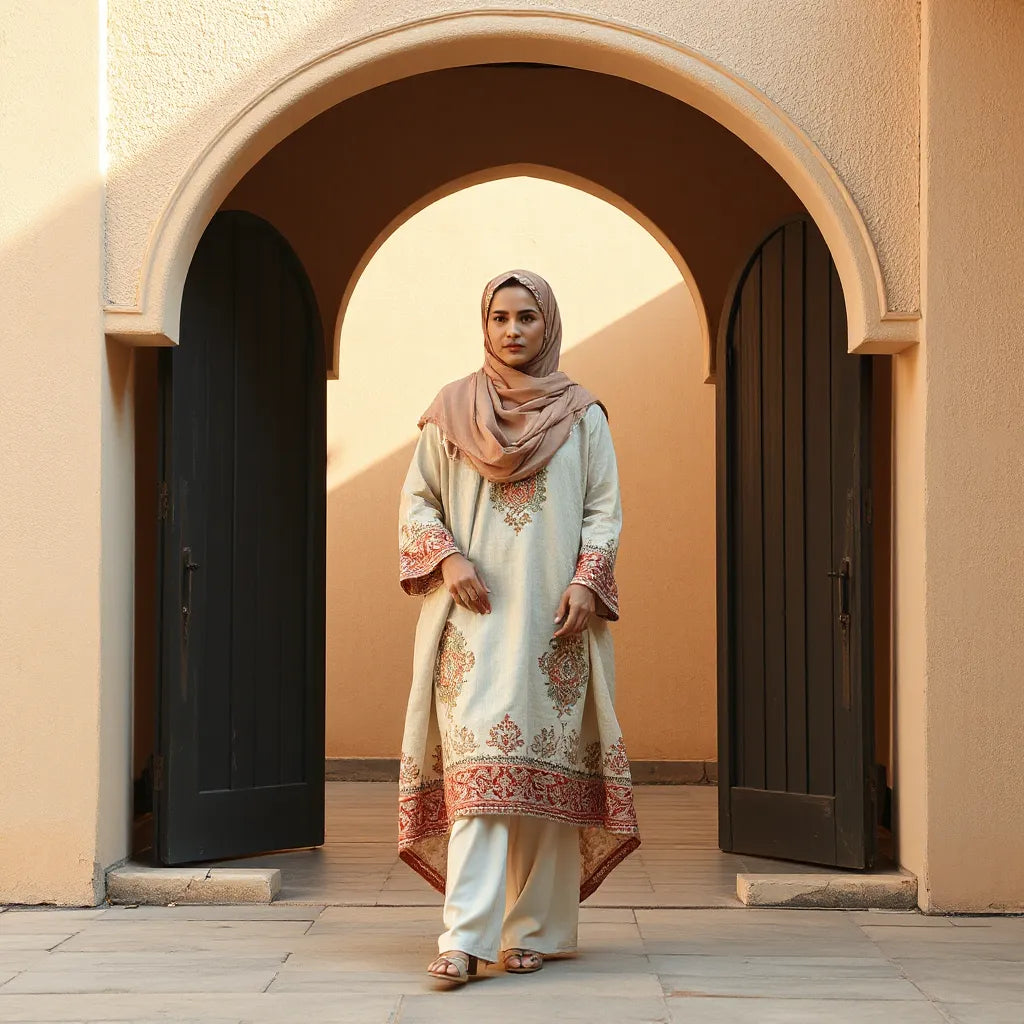
Choosing a Palestinian thob for weddings is more than selecting a dress. It is about honoring heritage, balancing comfort, and achieving a refined silhouette in photos. A well-chosen thob supports movement, breathability, and elegant presentation throughout the celebration. With the right fabric, fit, and finishing details, the bridal look becomes cohesive from ceremony to reception.
Table of Contents
How to Choose a Palestinian Thob for Weddings
Selecting a wedding thob requires a practical process. Start with your ceremony environment, then narrow choices based on comfort, construction quality, and how the garment will look under indoor and outdoor lighting. The goal is a balanced bridal silhouette with respectful detailing and reliable wearability.
1) Define the role of the thob in your full wedding outfit
Clarify what the thob must pair with: veil or headpiece, inner layer, and any accessories. When the thob style aligns with the planned head covering, the entire look appears intentional. This also helps you avoid last-minute adjustments to sleeves, neckline, or waist shaping.
2) Choose the right fabric weight for the season
Wedding days often include standing, greeting guests, and photos. Choose a fabric weight that supports long wear without heat stress. Look for materials that drape smoothly and hold shape without feeling stiff.
3) Confirm your sizing approach and allowance for tailoring
Wedding garments benefit from tailoring, especially when you want sleeves to fall correctly and the bodice to sit flat. When possible, select a size that accommodates tailoring rather than forcing a perfect fit off the rack. Ensure the design leaves room for your preferred underlayers.
4) Evaluate embroidery placement and thread finish
Embroidery can be delicate or bold depending on the stitch density. Assess how motifs align across seams and whether embellishment remains comfortable against the skin. For wedding photos, consistent thread finish and clean edging matter as much as motif style.
5) Consider how the thob photographs from multiple angles
Photos capture movement and texture. Choose a design with flattering volume where you want structure and gentle flow where you want comfort. The right proportions help the thob look refined in close-ups and elegant in full-body shots.

Bridal fabric texture, soft light, clean neckline focus
Style Choices That Match Wedding Traditions
While wedding styles vary by region and family preference, a Palestinian thob often carries recognizable design cues: thoughtful silhouette, respectful coverage, and detailed finishing. To select a style that fits your celebration, identify which visual elements you want to lead the look and which elements should support them.
Choose the silhouette that supports your movement
Some wedding thob silhouettes emphasize a structured bodice and defined waist. Others favor a softer fall for comfort and ease. The most flattering option is the one that moves naturally while maintaining a polished outline. If you will be seated for long periods, prioritize a construction that does not pull when you stand.
Select neckline and sleeve design with your headwear in mind
Neckline depth and sleeve shape influence how the head covering frames the face. If you plan to use a formal hijab style, select a thob with a neckline that complements it rather than competing for attention. Coordinated lines make the outfit look seamless in photos.
Balance ceremony formality with reception practicality
A wedding thob should remain ceremonial, yet it must handle real timing: greeting guests, moving between locations, and adjusting to lighting changes. Consider designs with comfortable interior seams and a hem finish that stays neat throughout the day.
For a cohesive modest wedding ensemble, you can also coordinate complementary modest layers. For example, an underlayer that sits smoothly helps the thob drape correctly. You may find it useful to review options like cotton inner hijab to support comfort under headwear.
Fit and Fabric: Comfort Without Compromise
Fit determines how the thob feels as much as how it looks. Fabric determines how it behaves in movement, and in warm or cool environments. For weddings, where long wear is expected, both factors require careful evaluation.
Prioritize a comfortable shoulder and sleeve line
A wedding garment should not pinch at the shoulder or restrict the arm. Check sleeve length with the underlayer you plan to wear, especially if you will have a head covering that affects overall styling. When the sleeve line is correct, the thob appears balanced in every photo angle.
Ensure the waist sits correctly over your chosen underlayers
The waist placement impacts overall proportion. If you layer a supportive undergarment, confirm the thob waist remains smooth and does not create unwanted tension. A well-fitted waist also helps the garment maintain its silhouette during dancing and movement.
Evaluate drape and breathability
Drape affects how the thob lays naturally from chest to hem. Look for fabrics that allow the garment to move while preserving a neat outline. Breathability is essential for comfort, particularly during extended ceremonies.
Test the hem and movement range
Weddings include steps, curtsies, and short distances between venues. Make sure the hem length and finish allow movement without excessive lifting. If you plan to walk through textured spaces, a controlled hem helps prevent snagging.
If you want an additional interior option that supports a smooth modest base, consider exploring underscarf bonnet for a secure, comfortable foundation under bridal styling.

Measured tailoring marks, fabric drape lines, motion-ready hem
Finishing Details That Elevate Tatreez and Embroidery
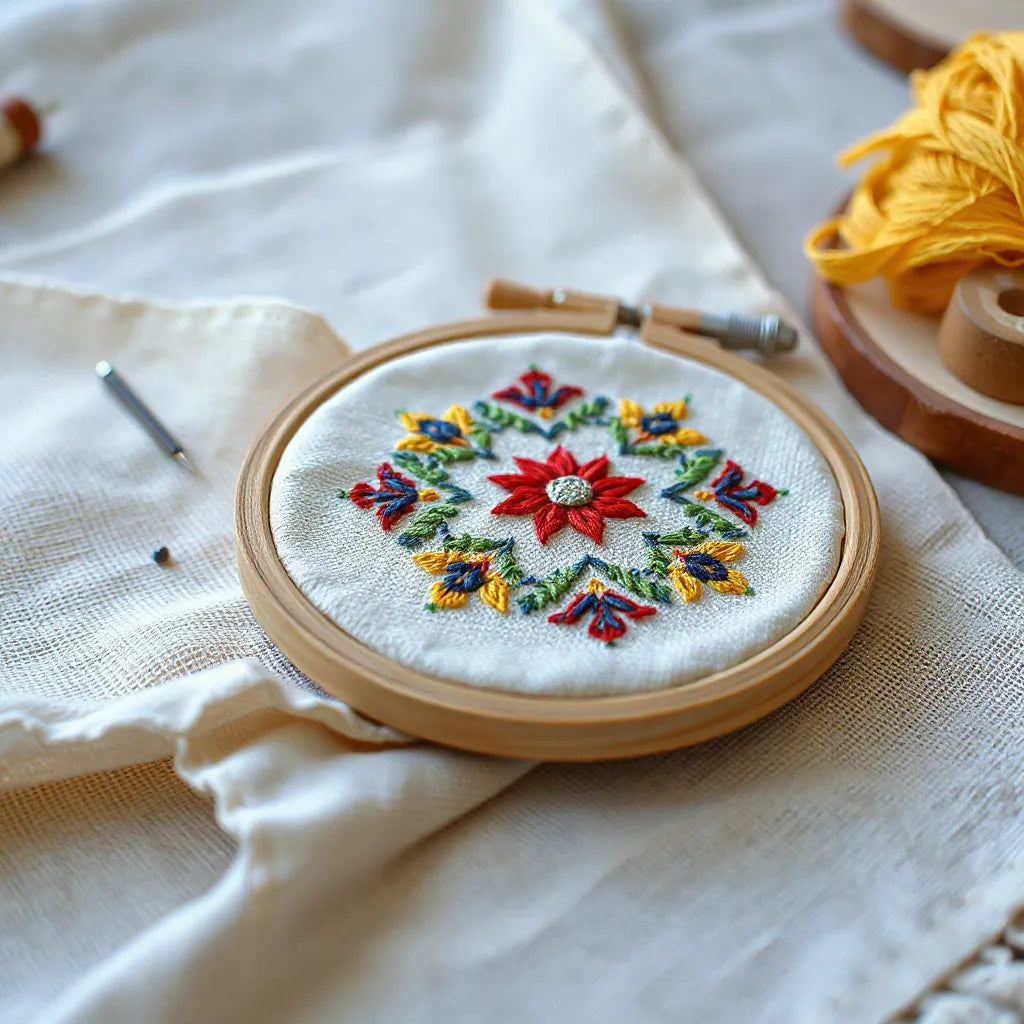
The details define the character of a Palestinian thob. Tatreez and embroidery are not merely decorative. They shape the visual identity of the garment and contribute to longevity when handled with care.
Look for clean motif alignment across seams
When embroidery spans panels, alignment matters. Clean placement shows craftsmanship and creates a cohesive design when the garment is worn. Seams should not disrupt the motif rhythm.
Assess edge finishing and lining quality
In wedding settings, the thob is often touched and adjusted by well-meaning hands. Strong finishing prevents fraying and ensures that the hem and edges remain neat. A quality lining improves comfort and makes the garment easier to wear for long durations.
Choose thread and embellishment density appropriately
High-density embroidery offers bold visual impact, particularly under indoor lighting. Moderate density can be equally elegant while feeling lighter against the skin. Select density based on your comfort preference and how frequently you will adjust the garment throughout the day.
Coordinate color with a timeless palette
Weddings are best served with color that supports both tradition and personal style. Neutral tones often photograph reliably, while deeper shades can look striking with warm lighting. Select colors that complement your head covering plan and any jewelry choices.
To help you visualize a complete bridal thob style direction, consider this featured product:
Kamta
When selecting a wedding thob, treat the overall look as a coordinated system. The thob, head covering, and underlayers should work together so embroidery remains the focal point, not the friction points between layers.
Care and Planning for a Wedding Day Timeline
Even the most carefully selected thob can look imperfect if it is not prepared correctly. A wedding timeline should include garment handling, steaming or pressing decisions, and secure storage so the thob remains crisp and presentation-ready.
Plan cleaning and pressing before the final fittings
Schedule any professional cleaning or gentle pressing based on the garment construction. Embroidered pieces can require more careful handling than plain fabrics. Ensure the thob is prepared after tailoring so final seams settle properly.
Use gentle handling around embroidery
Embroidery can be sensitive to abrasion. When arranging the thob for photos or pre-event moments, avoid rubbing the motifs against textured surfaces. If the garment includes delicate finishing, keep it protected from snagging.
Store the thob in a breathable garment cover
Before the wedding, store the thob in a breathable cover away from moisture and direct sunlight. Use padding or a soft hanger to avoid stress at the shoulders. This helps preserve both structure and embroidery detail.
Prepare a small in-day adjustment kit
Bring essentials for minor fixes: safety pins, a small sewing kit, and a lint-removal tool suited to the fabric. Wedding moments are unpredictable, and simple tools prevent small issues from becoming visible distractions.
For headwear coordination and a smooth bridal base, plan how the underlayer and hijab styling will sit alongside the thob. If you are building a coordinated modest look, you may want to review two-piece cotton hijab to support a comfortable fit under formal bridal styling.
Common Questions Answered
What makes a thob suitable for weddings instead of everyday wear?
A wedding thob typically emphasizes refined finishing, a more ceremonial silhouette, and embroidery placement designed for high-visibility moments such as portraits and formal entrances. It is also selected for comfort during long wear, including movement-friendly construction and dependable fabric drape.
How should I choose the correct size when tailoring is expected?
Start with your closest base size according to your measurements, then select a version that leaves room for tailoring. Inform the tailor about any underlayers you plan to wear and how you want the sleeves, waist, and overall outline to sit. This approach prevents misalignment after the final fitting.
Is it better to choose lighter embroidery or fuller embroidery for wedding photographs?
Lighter embroidery can appear elegant and comfortable, while fuller embroidery creates stronger texture and visual impact. For photography, both can work well. The deciding factors should be your comfort preference and how the design will sit under the lighting and angles used during the day.
How do I coordinate the thob with a formal head covering?
Coordinate by matching the garment lines: neckline depth, sleeve shape, and how the fabric movement complements the head covering. Select a headwear style that supports a stable fit, then adjust the thob presentation so the neckline and shoulders align cleanly. The goal is a unified frame rather than competing focal points.
Summary & Next Steps
Choosing a Palestinian thob for weddings is a disciplined process that prioritizes heritage, fit, and presentation. Begin by defining how the thob will work with headwear and underlayers, then select fabric weight for comfort and drape. Evaluate embroidery and finishing details for clean alignment and photo-ready texture. Finally, plan care and preparation so the garment looks polished from ceremony to reception.
If you want a smoother selection experience, review your wedding outfit plan first, then narrow thob options based on silhouette and tailoring readiness. After that, confirm care steps and prepare a practical adjustment kit for the day. With thoughtful choices, your bridal thob will feel comfortable, photograph beautifully, and reflect respectful craftsmanship.
About the Author
Sulieman Alhazma is a fashion and modest-wear specialist with expertise in artisan-crafted garments and heritage-inspired design. Their work focuses on helping customers select pieces that combine respectful tradition with everyday comfort. With a careful eye for fit, fabric behavior, and finishing details, they guide clients toward confident wedding styling. They welcome thoughtful questions and a calm, well-planned approach.
Disclaimer: This article provides general guidance on selecting bridal garments. Actual fabric behavior, color appearance, and fit may vary by piece and individual body measurements. For best results, confirm care instructions and sizing with the product details and a qualified tailor.
The content in this blog post is intended for general information purposes only. It should not be considered as professional, medical, or legal advice. For specific guidance related to your situation, please consult a qualified professional. The store does not assume responsibility for any decisions made based on this information.